

Understanding Dementia: A Beginner’s Guide
A question comes up again during breakfast. A meal someone has cooked for years becomes hard to prepare. When these changes happen, families may wonder what they mean. Understanding dementia can help you spot when to seek advice and how to offer support. This guide explains the main types, common symptoms and effects on family life, with practical ways to help someone feel heard and involved.

What Is Dementia?
Dementia describes a group of symptoms caused by diseases that damage the brain. These changes can affect memory, speech, judgement and the ability to manage everyday tasks. The brain helps us make sense of what we see, hear and feel. When its cells are damaged, this can change how someone understands the world around them. It is not a normal part of ageing. It is also more than being forgetful. Someone may struggle to follow a conversation, plan a journey or recognise a familiar place.
If you are wondering what dementia is, read our guide to get a complete understanding.
The Main Types of Dementia
Several diseases can cause dementia. Each affects the brain differently, so memory loss is not always the first sign. A GP or specialist can help identify the cause. The main types include:
- Alzheimer’s disease: The most common cause. Early changes often affect memory for recent events.
- Vascular dementia: Caused by problems with blood flow to the brain. Planning, focus and decision-making may become harder.
- Dementia with Lewy bodies: Can affect attention, movement and sleep. Some people see things that are not there.
- Frontotemporal dementia: May first affect behaviour, personality or language.
Some people have mixed dementia, which means more than one type is present. You can read more about the difference between Alzheimer’s and dementia in our separate guide.
Common Symptoms to Look Out For
Signs vary from person to person. You might notice:
- Asking the same questions again, with no memory of the earlier answer.
- Trouble finding words or following a conversation.
- Difficulty paying bills, shopping or following a recipe.
- Confusion about dates, times or places.
- Changes in mood, including anxiety or withdrawal.
An occasional forgotten name does not mean someone has dementia. Look for a pattern of changes that affects daily life, and speak to a GP if you are concerned.
How Dementia Affects Individuals and Families
Changes for the Person
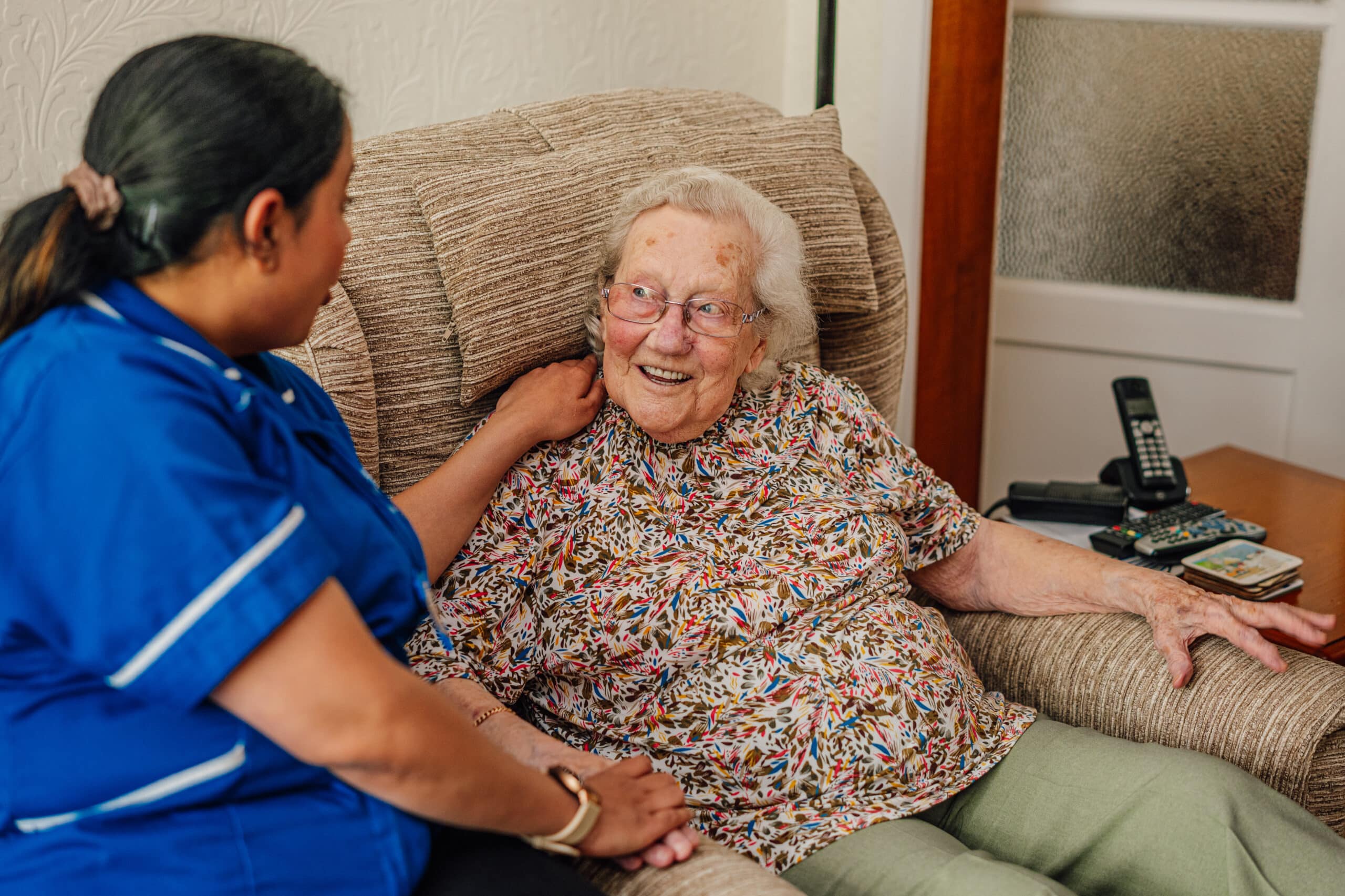
A person may feel frustrated when words will not come, or anxious about getting something wrong. Tasks they once did with ease may take more time or require help. A diagnosis does not remove their wishes, interests or need for respect. Keep asking what matters to them and include them in choices about their care.
Changes for the Family
Families may take on new roles, from managing appointments to helping with meals. A partner may miss shared chats. An adult child may feel unsure how much help to offer. Worry, sadness and tiredness are common. Share tasks where possible and plan regular breaks. Ask for specific help, such as a lift to an appointment or an hour of company. Relatives need care and support too.
When to Seek Medical Advice
If changes are frequent or affect daily life, book a GP appointment. With the person’s agreement, go along and take notes on what has changed and when. Memory problems can have other causes, including depression, thyroid problems or medicine side effects. A GP may arrange blood tests and checks of memory and thinking. They may refer the person to a memory clinic for further assessment.
There is currently no cure for dementia, but some medicines can help with symptoms. A diagnosis can open the door to treatment, local services and plans for future care. Ask the GP what support is available now and who to contact if needs change. You do not have to work out every next step at once.
If someone becomes confused suddenly, call 999. This may need urgent medical care, even if they already have dementia and NHS advice on sudden confusion is to seek medical help as soon as possible.
Helping Someone in Everyday Life
Small changes can make daily life easier. Start with the person’s habits and preferences.
Give Conversations Time
Turn down background noise, speak clearly and use short sentences. Allow time for a reply. If someone repeats a question, answer calmly. They may be looking for reassurance.
Support Everyday Choices
Offer two clear options, such as tea or coffee. If dressing becomes hard, lay clothes out in order and let the person do the parts they can manage. Help should leave room for their skills and choices.
Keep Familiar Connections
A regular routine and a clear calendar may help. Make time for things the person enjoys, such as gardening, music or a walk with a friend. Local dementia cafés can also offer company and a chance to meet others.
Keep plans flexible. If a busy café becomes too much, a quiet visit with one friend may feel easier.

Making Sense of the Signs
Changes in memory or behaviour can have several causes. Our guide to how dementia is diagnosed explains how doctors assess these changes and what may happen at a GP or specialist appointment. For more detail on why dementia develops, our article on the main causes of dementia looks at brain changes and the factors that can increase a person’s risk.
If a diagnosis is confirmed, our guide to caring for someone with dementia at home shows how everyday support can help someone feel comfortable, stay involved in daily life and keep their independence.
How Caremark Can Help with Understanding Dementia
Good support starts with getting to know someone. At Caremark, our dementia care at home is shaped around each person’s needs, routines and preferences. For one person, help with breakfast may make mornings easier. Another may need support with washing, dressing or getting out to see friends. Our trained care assistants can help with daily tasks while encouraging people to do what they can for themselves. We also help families share the day-to-day demands of care. Support can change as needs change.
If you are unsure what level of help is right or what the next steps are in understanding if someone has dementia, please contact your local Caremark team. We will listen, answer your questions and help you plan the next step. Once
What To Read Next
- Creating a Dementia-Friendly Home
- Guide to Advanced Dementia
- Understanding the 7 Stages of Lewy Body Dementia
- Sundowning and Dementia – Causes and Support
- Learn About the 7 Stages of Frontotemporal Dementia
- Caring for Someone with Dementia at Home
- Discover the Benefits of Palliative Care for Patients with Dementia
- Joyful Minds: The Best Games for Dementia Patients
- What Are the Main Causes of Dementia?
- Alzheimer’s vs Dementia: What’s the Difference?
- 5 Winter Activities for People with Dementia
- 10 Ways Dementia May Present Near Life’s End
- Reducing Loneliness in Dementia Patients
- What is Dementia?
- How Is Dementia Diagnosed?