

Creating a Dementia-Friendly Home
A home can hold a lifetime of memories. There is the mug used every morning, the hall table where the keys have always lived and the view from a favourite chair. When dementia changes how a person sees or understands a space, these familiar details can become even more important. Creating a dementia-friendly home is not about removing its character or making it look like a care setting. It means making each room easier to understand, safer to move through and still clearly theirs.

What Makes a Home Dementia-Friendly?
Dementia can affect memory, sight, balance and the way the brain makes sense of what the eyes see. A dark mat may look like a hole. A shiny floor may seem wet. A reflection in a window can feel like another person in the room.
A dementia-friendly home removes some of these daily puzzles. It gives clear clues about where to go and what to do. Most of all, it helps the person keep doing as much as they can for themselves.
Begin with the Person, Not a Shopping List
Before buying signs or moving furniture, walk through the home with the person. Notice where they pause, reach for support or seem unsure. Ask what would make life easier. One person may need help finding the bathroom at night. Another may be upset by a mirror or struggle to see a pale chair against a pale wall. No single design suits everyone.
Make one change at a time where possible. A room that changes overnight may feel less familiar. Keep the person involved, even if this means offering two simple choices. Let their habits and comfort guide each decision.
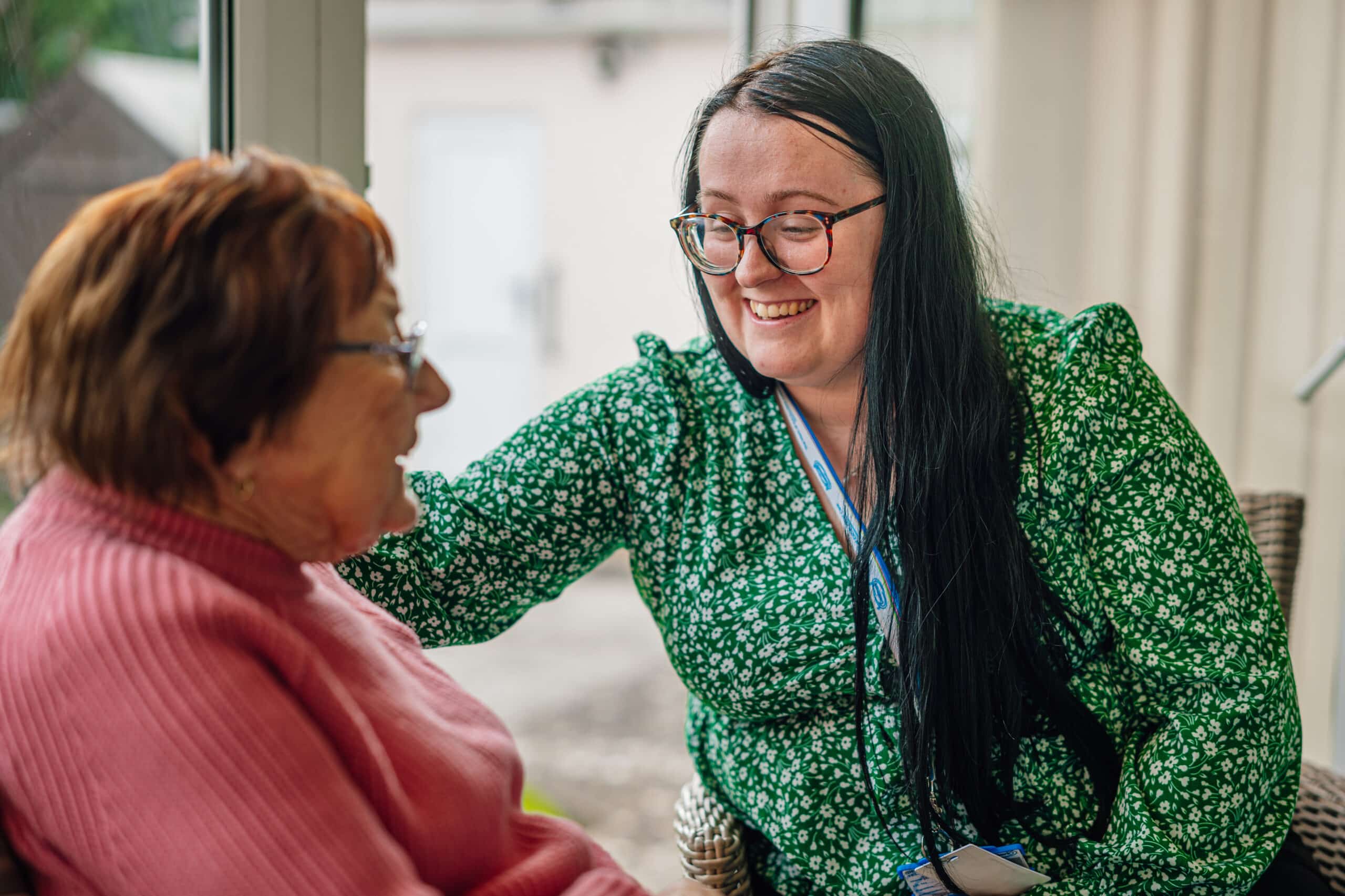
Make Each Room Easier to Read
Small changes to a room can make it easier to see, understand and move around. When creating a dementia-friendly home, pay close attention to the light, floors, colours, noise and reflections. The following areas are a good place to start.
Use Clear, Even Light
Open curtains and clear anything that blocks natural light. Add lamps where shadows form, especially near stairs and the toilet. Motion-sensor lights can help at night, while a dark bedroom can support sleep.
Reduce glare and deep shadows, which can make space harder to judge. Keep regular eye checks up to date too.
Look Closely at Floors and Colours
Clear cables and loose rugs from walking routes. Matt flooring is often easier to understand than a shiny surface. Strong patterns may look as if they are moving.
Contrast makes useful things stand out. A coloured toilet seat is easier to find in a white bathroom. A bright chair stands out more against a plain wall. Plates that contrast with the table can make mealtimes simpler. A coloured towel or chair cover may be enough.
Lower Noise and Check Reflections
A television playing in an empty room can make it hard to focus. Turn off background noise when you don’t want it.
Mirrors do not trouble everyone. If a reflection causes fear, try covering the mirror or closing the curtains after dark. Let the person’s response guide you.
Give Daily Routines Gentle Prompts
Clear signs can help a person find rooms and everyday items. Put each sign on the door or cupboard it names. Use a simple word with a familiar picture. A photograph of cups may be clearer than a small label.
Keep keys, glasses and a phone in the same visible place. A large day-and-date clock can reduce uncertainty. A whiteboard can show the day’s plan or one important reminder.
Too many prompts become clutter, so choose a few that solve a real problem. Clear containers can show what food is available. Store medicines and cleaning products safely if they may be mixed up.
Make Safety Feel Natural
Safety measures should support freedom, not feel restrictive. Keep walking routes clear and furniture stable. Grab rails, smoke alarms, carbon monoxide alarms and cooker safety devices may help.
Technology can offer quiet support. Door sensors, water alarms and reminder devices can flag a risk. A key safe can help trusted people enter when needed. Choose tools that suit the person and respect their privacy. A level path, clear gate, handrail and sheltered seat can make a garden easier to enjoy. Fresh air and familiar plants can bring calm into the day.
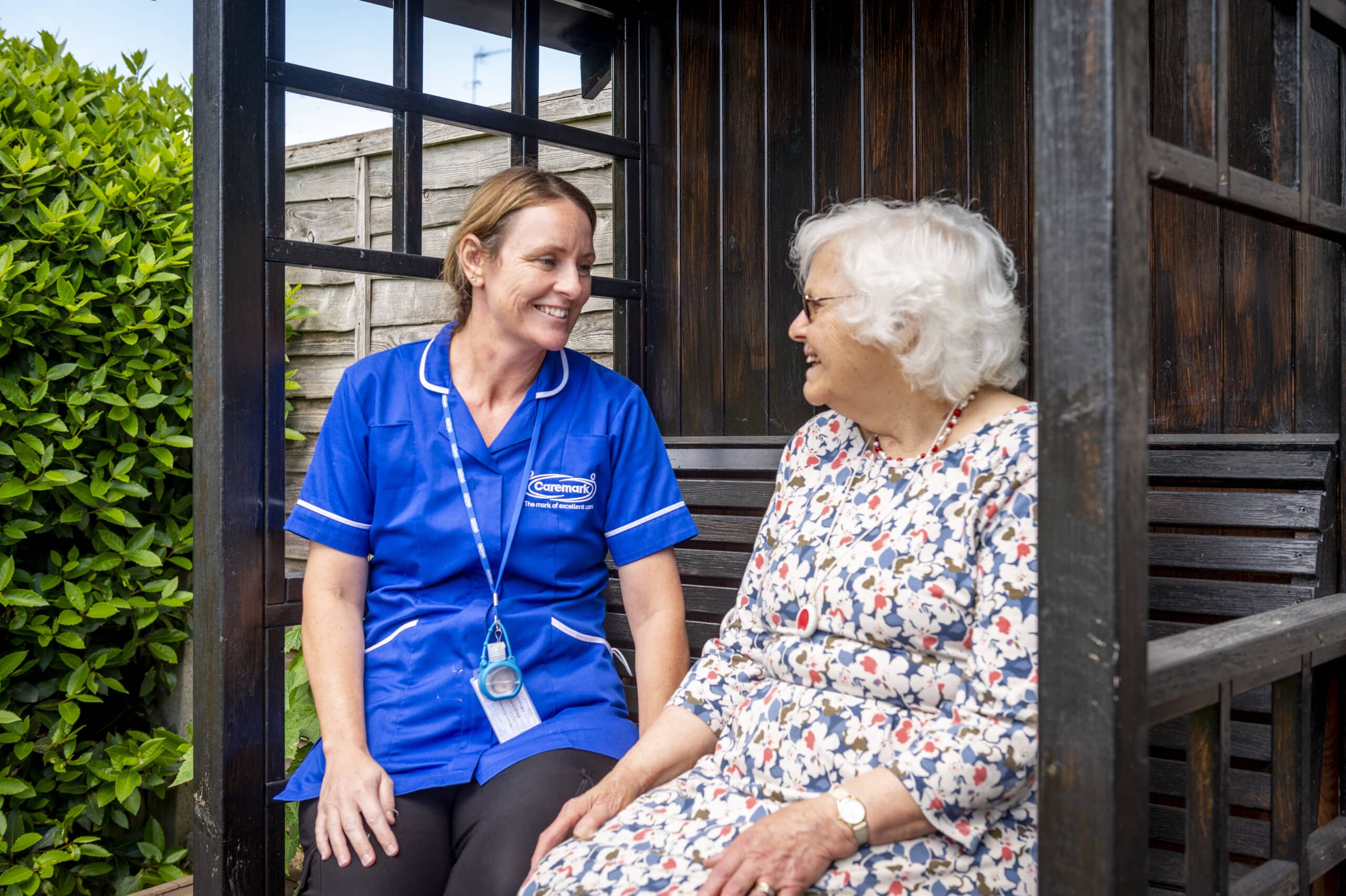
How to Adapt the Living Environment for Safety and Comfort
Think of the home as a set of everyday routes. These may lead from the bed to the bathroom, the favourite chair to the kitchen or the front door to the garden. Each route should be clear and easy to follow.
Place a firm chair with arms where the person likes to sit. Keep daily items within comfortable reach and leave enough space to stand safely. In the bedroom and bathroom, try to keep belongings where the person expects to find them. Familiar details can bring comfort and prevent rushed or uncertain movement.
Suggestions for Reducing Confusion and Promoting Independence
Too many choices or instructions can make a simple task feel difficult. Keep a steady daily routine and offer one clear prompt at a time. Instead of asking an open question, offer two simple options. Give the person time to answer and avoid stepping in too quickly.
Set up tasks so the person can still take part. Place clothes in the order they are worn. Leave a mug beside the kettle, or a watering can near the plants. These small clues can make familiar tasks easier to complete.
If something becomes difficult, shorten or adapt the task before taking it away. Success matters more than speed. This protects confidence and helps the person keep a meaningful role at home.
Keep the Home Full of Life
The aim is not a bare, perfect room. Too much clutter can cause confusion, but treasured objects bring comfort and identity. Keep favourite photographs, books, music and ornaments where they can be enjoyed.
Think beyond safety. Leave space for folding towels, watering plants, baking, listening to records or welcoming a neighbour. A good home still supports hobbies, family life and links with the local community.
When to Ask for More Help
Review the home as needs change. Ask for advice after falls, missed meals, medicine problems or growing difficulty with personal care. A council needs assessment, or an occupational therapist, may identify helpful changes.
If thinking or behaviour changes over a day or two, seek urgent help from the GP or NHS 111. If someone suddenly becomes confused, NHS guidance on sudden confusion says to call 999 or go to an emergency department.
How Caremark Can Help with Dementia Care at Home
A dementia-friendly home works best when the support within it feels familiar too. Our care assistants learn which routines matter, where important items belong and what helps the person feel settled. A visit may include personal care, medication prompts or support with safe movement. We encourage the person to take part wherever they can, so help does not replace independence. Through companionship, we can share a hobby, take a walk or help someone stay connected to their local community. Overnight care can bring reassurance when nights feel unsettled, while respite care gives family carers time to rest. Each visit is shaped around the person, their home and the life they want to keep living.
Support can begin with a few visits each week and grow when needed. To create a calmer and safer life at home, contact your local Caremark team. We listen to what matters and build support around the person, not just the condition.
If you are unsure what level of help is right, contact your local Caremark team. We will listen, answer your questions and help you plan the next step.
What To Read Next
- Guide to Advanced Dementia
- Understanding the 7 Stages of Lewy Body Dementia
- Sundowning and Dementia – Causes and Support
- Learn About the 7 Stages of Frontotemporal Dementia
- Caring for Someone with Dementia at Home
- Discover the Benefits of Palliative Care for Patients with Dementia
- Joyful Minds: The Best Games for Dementia Patients
- What Are the Main Causes of Dementia?
- Alzheimer’s vs Dementia: What’s the Difference?
- 5 Winter Activities for People with Dementia
- 10 Ways Dementia May Present Near Life’s End
- Reducing Loneliness in Dementia Patients
- What is Dementia?
- How Is Dementia Diagnosed?
- Benefits of Arts and Crafts for Dementia