

10 Best Fruits and Vegetables for Older People
Good food helps us feel our best at every age. As we grow older, the right choices can lift energy, support immunity, protect bones and joints, and keep hearts and minds healthy. If you’re wondering about the best fruits and vegetables to eat for health and wellbeing, here are the 10 best fruits and vegetables for older people, with simple ways to enjoy them each day. You’ll also find tips aligned with NHS guidance so you can make a best diet plan that truly fits your life.
Why It’s Important to Find The Best Fruits and Vegetables to Eat in Later Life
Fruit and vegetables are rich in vitamins, minerals as well as antioxidants that help the body adapt to age-related changes. For example, vitamin C supports immunity, vitamin K and calcium-rich greens aid bone strength, and antioxidants such as anthocyanins and lycopene are linked to healthy cognition and reduced inflammation. This is the heart of a balanced diet for seniors and a smart response to adulthood nutritional needs.
Fibre keeps digestion regular, supports healthy cholesterol and steadier blood sugar. Many options are naturally hydrating too. It’s easy to drink less without noticing; water-rich choices like citrus, melon, cucumber and tomatoes can top up fluids. The NHS Eatwell Guide suggests at least five portions of fruit and veg a day in varied colours. A portion is roughly 80 g (for example a medium apple, two satsumas, three heaped tablespoons of cooked veg, or a bowl of salad). A 150 ml glass of unsweetened juice or smoothie counts as one portion per day. Whole produce is best for fibre.
Berries (Blueberries, Strawberries)
Packed with anthocyanins for brain health and circulation. One of the best fruits and vegetables to eat because they are soft and easy to chew. Stir into porridge or yoghurt, or keep a bag in the freezer for quick smoothies.
Leafy Greens (Spinach, Kale)
Excellent for vitamin K (bones) and lutein (eyes). Steam or sauté to soften. For example, you could add to omelettes, soups or smooth blended sauces.
Cruciferous Veg (Broccoli, Cauliflower)
Provide protective compounds such as sulforaphane. Steam until tender or even roast for sweetness and easier digestion.
Citrus Fruits (Oranges, Grapefruit, Satsumas)
High in vitamin C to support immunity and boost iron absorption from plant foods. Segment over breakfast or enjoy as a mid-morning pick-me-up.
Tomatoes
A leading source of lycopene for heart as well as prostate health. Cooking with a little olive oil improves absorption. Enjoy fresh in salads or in soups and sauces.
Carrots
Offer beta-carotene for vision and skin. Steam, mash or roast to a soft texture if chewing is tricky. Grated carrot adds gentle crunch to salads and sandwiches.
Bananas
Provide potassium for healthy blood pressure and muscle function, plus steady energy. One of the best fruits and vegetables to eat because you can mash onto toast, slice into yoghurt or blend into a smoothie.
Beans and Pulses (Lentils, Chickpeas, Kidney Beans)
Count towards 5-a-day and add plant protein and fibre for heart and blood sugar health. For example, you could add to soups, stews, curries and salads.
Onions and Garlic
Contain prebiotics that feed beneficial gut bacteria and add flavour without relying on salt. Cook gently to bring out sweetness.
Grapes
Provide polyphenols for vascular health and also hydration. A small handful is a portion; pair with nuts or yoghurt to balance natural sugars.
These are the 10 best fruits and vegetables to eat, not only because they’re nutritious, but because they’re practical, tasty and simple to prepare. They can anchor the best diet for seniors while meeting everyday adult nutritional needs.
Portions, Preparation and Safety Tips
Eating the best fruits and vegetables can be straightforward and budget-friendly. Choose seasonal produce, use frozen fruit and veg (just as nutritious), and keep tinned options in water or natural juice. You can also add fruit to breakfast, include salad or soup at lunch, and aim for half your dinner plate to be vegetables to build a diet rich in the best fruits and vegetables.
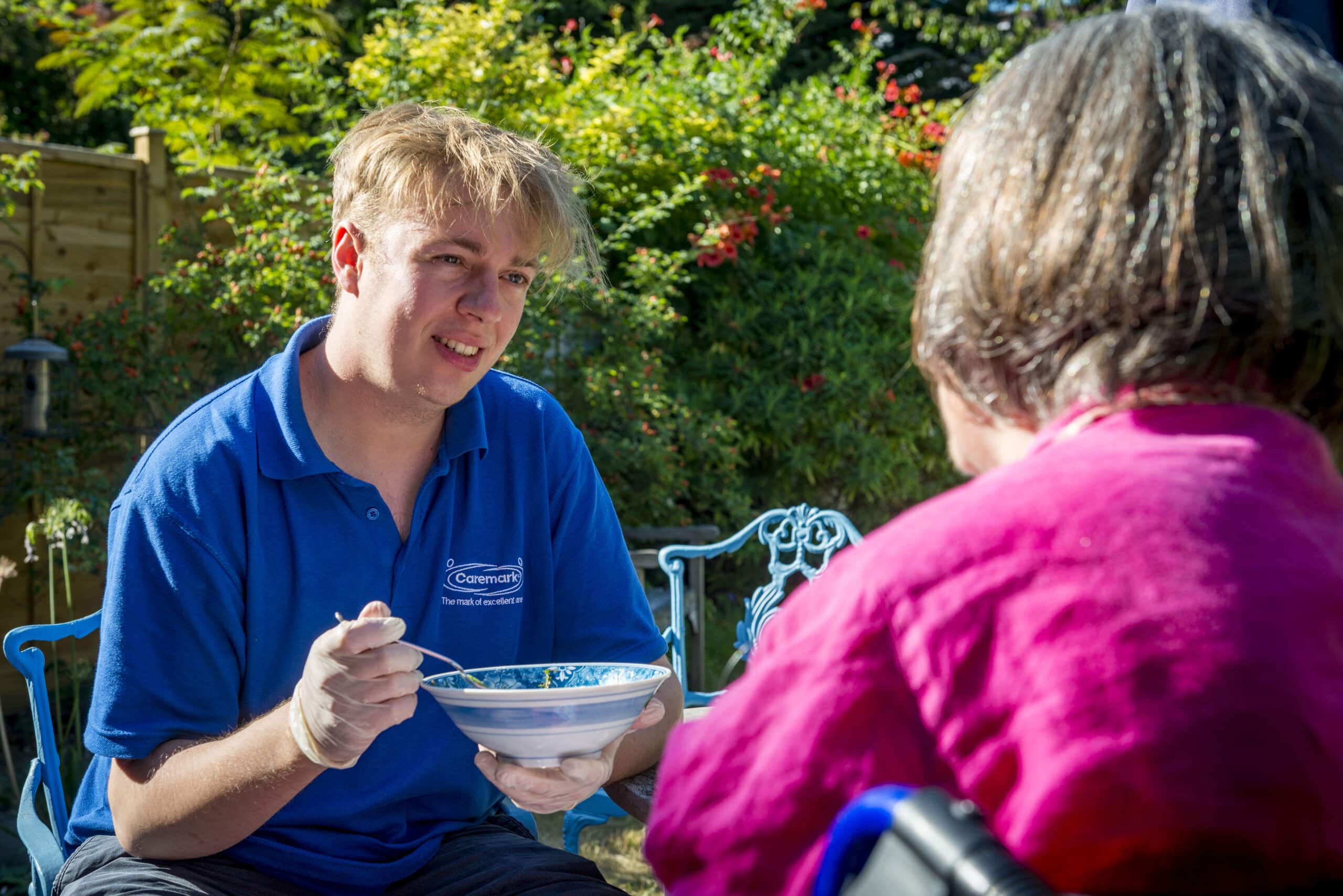
- Preparation: use a stable chopping board and a comfortable, sharp knife. If swallowing or dental issues are a concern, aim for softer textures such as steamed veg, mashed roots, stewed fruit or blended soups. Add sauces, gravies or yoghurt to moisten foods.
- Food Safety: rinse produce under running water, refrigerate leftovers within two hours and reheat thoroughly once only. Also, label containers with dates and use your freezer to portion meals and reduce waste.
Simple, Senior-Friendly Ways To Add The Best Fruits and Vegetables To Eat
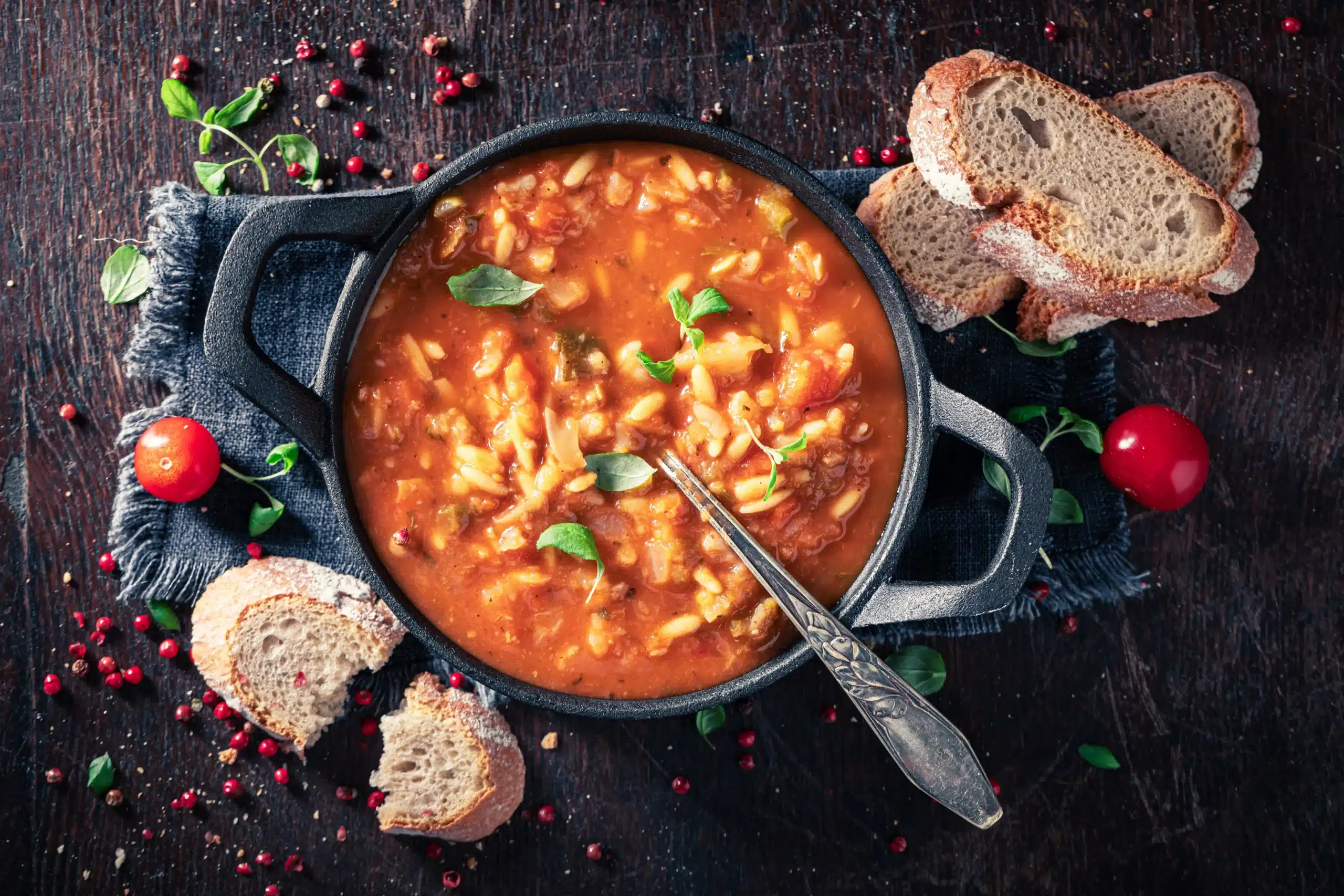
Blend spinach and peas into a minty soup; make a tomato, bean and veg stew; roast a tray of carrots, cauliflower and onions. You could also blitz a banana, berries and milk into a smoothie. Keep frozen mixed veg to stir into omelettes, pasta sauces and curries.
For example, pair fruit with yoghurt or a small handful of nuts; enjoy vegetable sticks with hummus; try baked vegetable wedges instead of crisps. A small bowl of grapes with a slice of cheese offers balance and satisfaction.
Also, you could prepare big pans of soup, bean chilli or tomato-based pasta sauce and portion into containers. Freeze sliced bananas and berries for smoothies to cut waste and effort.
These habits make it easy to prioritise the best fruits and vegetables to eat day in, day out as part of a diet for seniors.
How Caremark Can Help with The Best Fruits and Vegetables To Eat
There is no place like home, and there is no care quite like Caremark. We are a trusted leader in home care across the UK, supporting thousands of customers with compassion and professionalism. Maintaining a balanced diet that includes a variety of fruits and vegetables can play an important role in overall health and wellbeing, particularly as we age. Our Care Assistants can help support healthy daily routines, making it easier to enjoy nutritious meals and maintain independence at home.
Our support is shaped around each person. Personal care can help people maintain their dignity, comfort, and independence while supporting their overall wellbeing, including eating well and maintaining healthy daily routines. Overnight care can provide reassurance and support throughout the night, therefore helping people feel safe and comfortable in their own homes. Complex care supports people living with long-term or complex health conditions, delivering specialist care that helps them remain safe, comfortable, and independent at home. So, get in touch to learn how our local teams can help you or someone you love maintain a healthy lifestyle at home, and include the best fruits and vegetables to eat every day.
What To Read Next
- Music Appreciation Activities for Health and Happiness
- Offline Games to Play with Elderly Loved Ones
- The Impact of Loneliness on Physical Health Explained
- Home Adaptations for Elderly: Safe Living Ideas
- Am I a Carer? Support and Wellbeing Insights
- Summer Hydration Tips for Older Adults to Stay Safe
- Guide to Keep Older Adults Cool in Hot Weather Safely
- Older People Confident Outdoors With Care Assistant Support