

How to Keep Older Adults Cool at Home During Hot Weather
Hot spells can be risky for older people, especially during sudden heatwaves. This guide explains how to keep older adults cool in hot weather with simple steps you can use today. You’ll find practical, low‑cost ideas for a cooler home, hydration and meals, signs of heat stress to watch for, and daily routines that make a real difference. We also share how Caremark can help you or a loved one stay comfortable and safe at home when temperatures rise.
Why Hot Weather Raises Risk for Older People
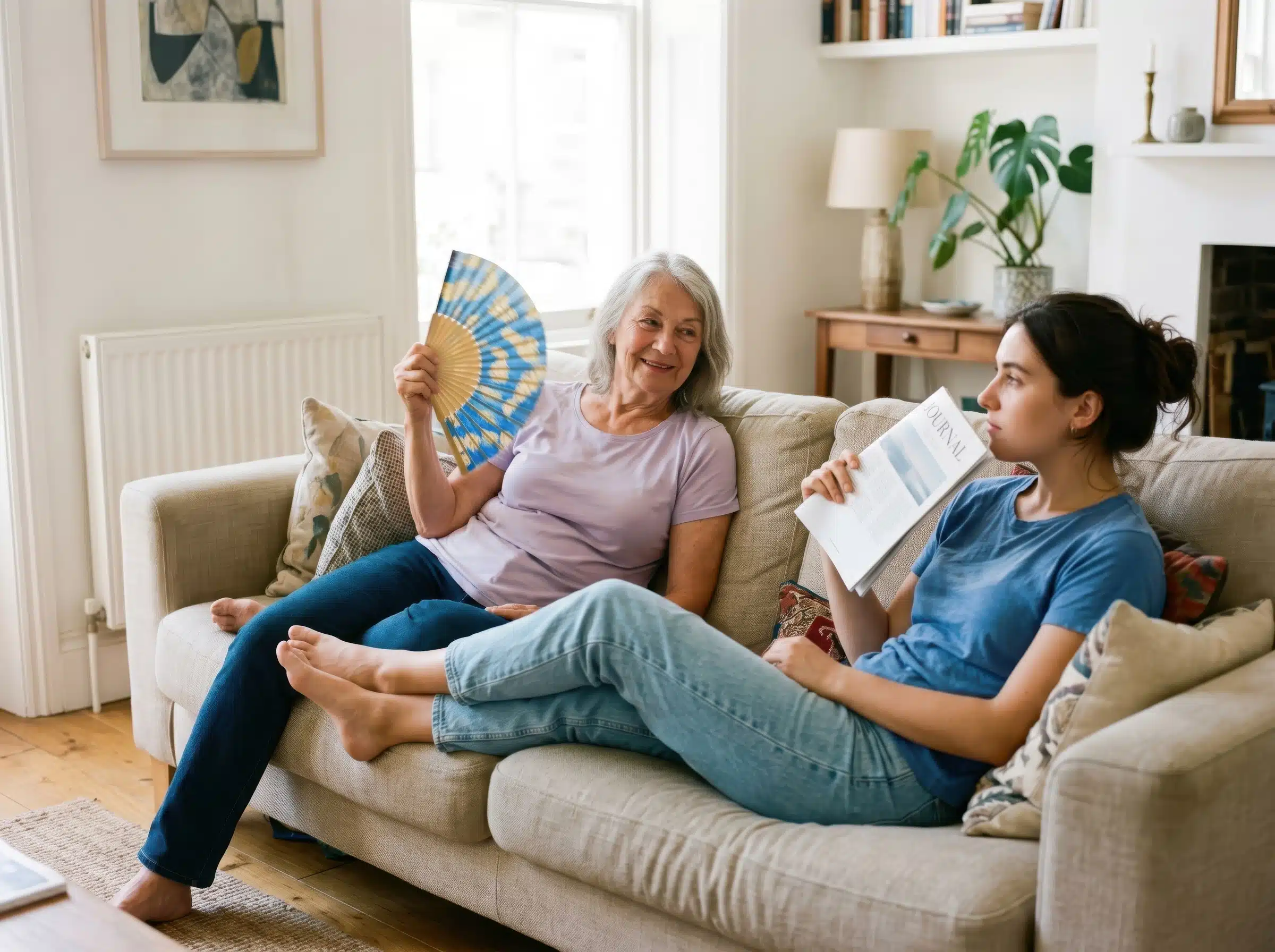
As we age, the body becomes less efficient at regulating temperature. Sweating may decrease, thirst may be less noticeable, and the heart and circulation may work harder to keep cool. Therefore, keeping older adults cool in hot weather is just as important as other conditions. Also, long‑term conditions such as heart or lung disease, diabetes, kidney problems, and dementia can increase sensitivity to heat. Some medicines add to the risk, including diuretics, some antidepressants and antipsychotics, antihistamines, beta‑blockers, and anticholinergics, affect fluid or salt balance. Never change prescribed medicines without advice from a pharmacist, GP, or specialist nurse.
Watch for early signs of heat stress: excessive thirst, dizziness or faintness, headache, tiredness, muscle cramps, hot or dry skin, and passing urine less often or darker than usual. Act quickly with cooling and fluids. If symptoms don’t improve within 30 minutes, call NHS 111. Call 999 or seek urgent help if there is confusion, severe breathlessness, a persistent high temperature, seizures, loss of consciousness, or if someone is very unwell.
Create a Cooler Home Environment
Helpful Actions You Can Take
- Close blinds or curtains on sun‑facing windows during the day; blackout linings or light colours reflect heat well.
- Open windows on opposite sides of the home in early morning and late evening for cross‑ventilation.
- Use fans to draw in cooler air from shaded rooms. Keep cords tidy and avoid a strong direct breeze on anyone who is dehydrated or unable to move away. A light mist from a spray bottle used with a fan can improve cooling.
- Reserve the coolest rooms, ideally on lower floors, for resting and napping.
- Switch off lights and appliances not in use, including ovens and tumble dryers where possible, to reduce indoor heat.
Night‑time routines help release stored heat. Ventilate when outdoor air is cooler, usually late evening to early morning, keeping the property secure. Choose lightweight bedding such as cotton sheets and a breathable mattress protector. A gel pack from the freezer, wrapped in a thin towel, can cool wrists, neck, or ankles before sleep. Keep water by the bed and, if safe, leave an upstairs window on a latch to reduce overnight heat build‑up.
In heatwave Britain, the worst thing to do is ignore rising indoor temperatures until they feel overwhelming. Act early: close curtains before rooms warm up, and keep doors shut to very hot rooms to stop heat spreading.
Hydration, Nutrition and Daily Routines
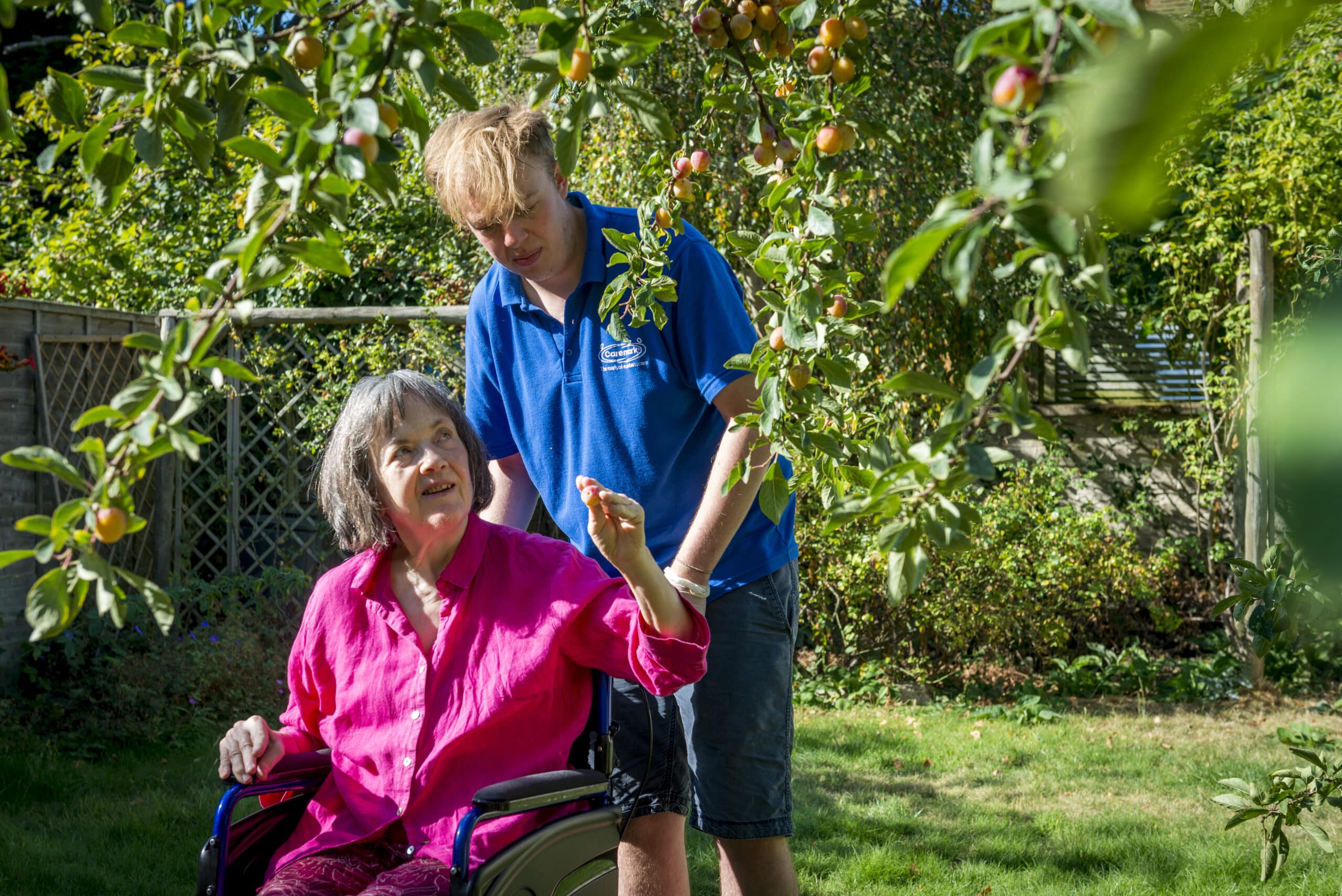
Plan hydration rather than waiting for thirst. As a general guide, many older adults benefit from around 6–8 drinks per day, with this amount increasing in hot weather unless a clinician advises otherwise. Offer small, frequent sips and use reminders. Signs to drink more include dry mouth, headache, dizziness, confusion, and darker urine. Make fluids appealing with chilled water, milk‑based drinks, diluted squash, herbal teas, or sugar‑free options. Ice cubes, ice lollies, and high-water-content fruit, such as watermelon, oranges, and berries, can also help. If someone has a fluid restriction or heart or kidney disease, seek personalised clinical advice.
Choose light, hydrating meals and snacks. Salads, yoghurt, fruit, and soups served cool or lukewarm are gentle and refreshing. Limit excess caffeine and alcohol, which may worsen dehydration for some people. Follow any clinical guidance on salt intake; certain medicines and conditions mean some people need tailored salt management in hot weather.
Adapt the day to the heat. Plan errands, appointments, and short walks for the coolest hours in the morning or evening. Pace activities, take regular rest breaks, and avoid strenuous chores during peak heat. Gentle indoor movement, such as seated stretches, slow marching on the spot near a stable surface, or light flexibility routines, can maintain mobility without overheating. Stop and cool down if you feel dizzy, weak, or overly hot.
Personal Cooling, Clothing and Skin Care
Wear breathable, loose‑fitting clothing in light colours, such as cotton or linen. A wide‑brimmed hat can help if you sit near sunny windows or step outside briefly. Choose comfortable, well‑ventilated footwear. Use cooling cloths or a clean, cool, damp flannel on pulse points including the neck, wrists, inner elbows, and behind the knees. Cool packs should be wrapped in a thin towel and used for short periods only, never directly on the skin.
Protect skin even indoors. Sunlight can penetrate windows, so sit out of direct beams and consider UV‑protective window film if needed. Apply a broad‑spectrum SPF 30 or higher if you sit near sunny windows or go outdoors, and reapply as directed. Keep skin clean and dry in skin folds to reduce the risk of heat rash. Light, fragrance‑free moisturisers support the skin barrier.
Store medicines correctly – usually below 25°C and out of direct sunlight, unless the label states otherwise. Some medicines require refrigeration. Heat can alter how medicines work or heighten side‑effects such as dizziness or drowsiness. Monitor for new or worsening symptoms in hot weather and seek advice from a pharmacist or clinician if you are concerned.
Quick Checklist
- Close blinds or curtains on sun‑facing windows by mid‑morning.
- Ventilate in the late evening and early morning to bring in cooler air.
- Use fans safely; combine with a misting spray for added cooling.
- Drink little and often; keep chilled water within easy reach.
- Prepare light, hydrating meals and snacks.
- Schedule activities for cooler times; rest during peak heat.
- Take cool showers or foot baths to lower body temperature.
- Watch for signs of heat stress and know when to seek help.
Caremark’s Support to Stay Safe and Comfortable at Home
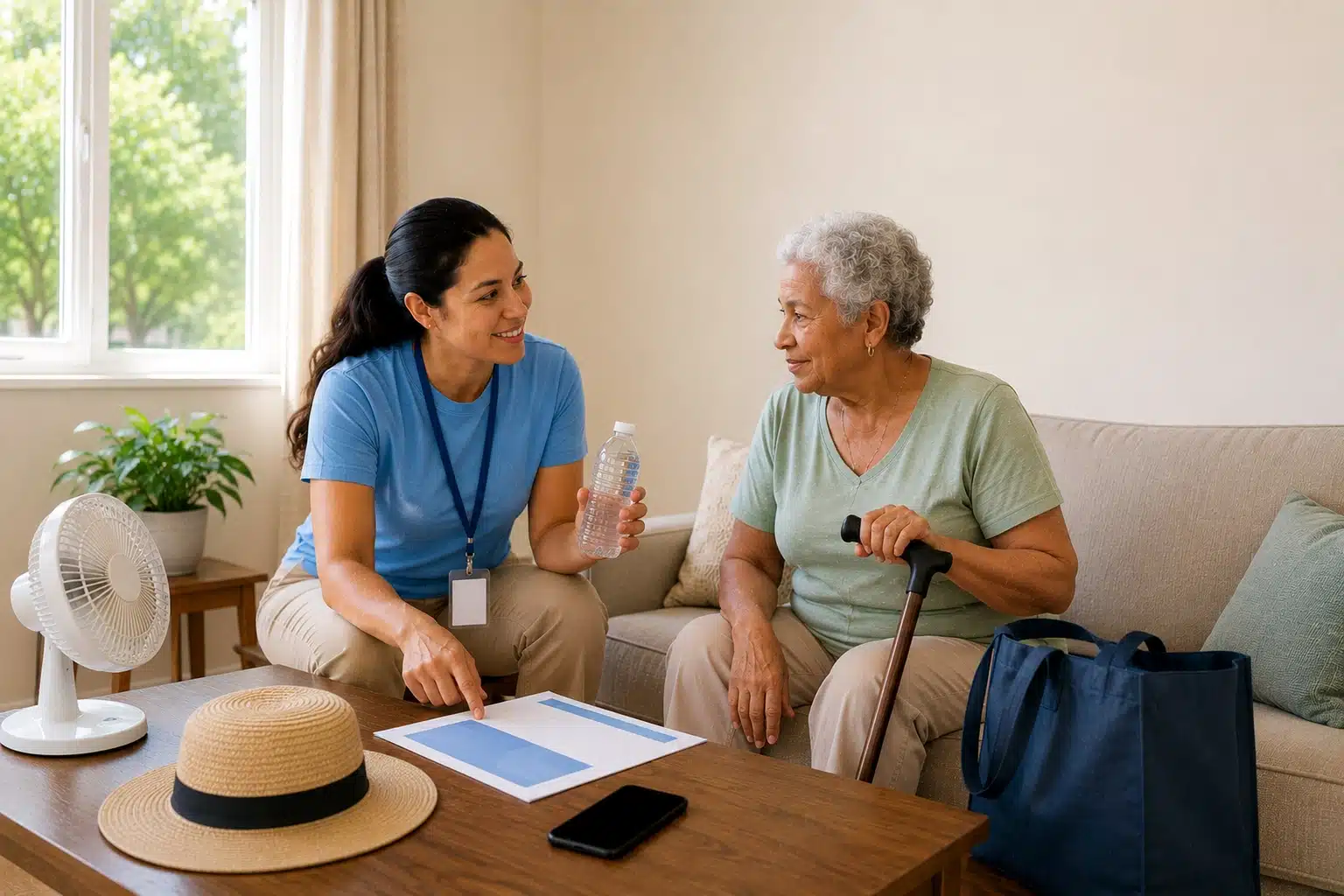
We understand how worrying heatwave Britain can feel for families. Caremark care assistants offer practical, reassuring help to keep older adults cool in hot weather. We provide regular prompts to drink, prepare appealing chilled drinks, and encourage light, hydrating meals. Our teams check the home environment—drawing curtains, positioning fans safely, and setting up cooler rooms for rest. We are trained to recognise signs of heat stress and to act quickly if symptoms appear.
How Caremark Can Help
Hot weather can make daily routines harder, especially for someone who lives alone or has health needs. A Caremark care assistant can help keep older adults cool in hot weather by offering drinks, preparing light meals and closing curtains before rooms become too warm. They can also check for signs of heat stress and make sure the person feels safe and comfortable.
Our support is shaped around each person. Personal care can help with cool showers and suitable clothing, while overnight care can offer reassurance during warm evenings. Complex care can also support people whose health conditions make them more at risk during a heatwave. Get in touch to learn how our local teams can help you or someone you love stay well at home.
What To Read Next
- Older People Confident Outdoors With Care Assistant Support
- Understanding the 7 Stages of Lewy Body Dementia
- Picnic Ideas for the Elderly: Easy and Relaxing
- How Warmer Weather Can Lead to Dehydration in Older Adults
- 7 Activities for the Elderly in the Evenings: Safe and Simple
- 5 Birthday Days Out Ideas for Older People
- Sundowning and Dementia – Causes and Support
- Bereavement: Understanding Your Emotions and Responses