

How To Deal with Bereavement?
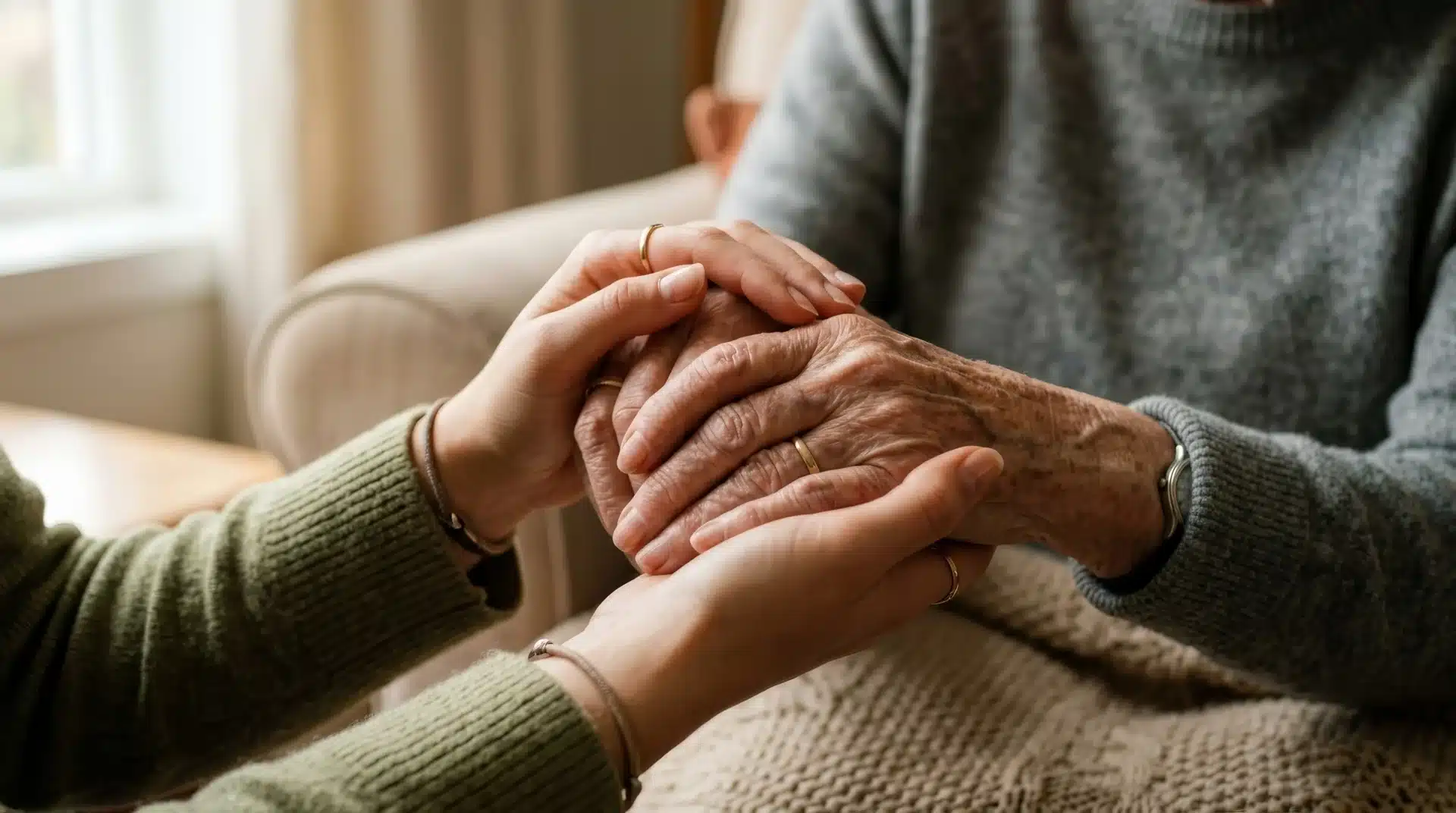
Losing someone you love changes life in an instant. There isn’t a single right way to respond and your feelings may shift from hour to hour. If you’re wondering how to deal with bereavement? this guide offers gentle, practical ideas, clear signposting to support, and ways to look after yourself. Caremark is here to help you find your footing, at your pace.
Understanding Grief and Common Reactions
Grief is a natural response to loss. It can affect your emotions, thoughts, body and behaviour. Many people describe the early days as a fog, with waves of feeling that come and go. For some, those waves ease with time; for others, they ebb and flow for longer. Both are normal when dealing with grief.
You might notice shock or disbelief, deep sadness, anger, guilt or regret, and worry or anxiety. Concentration can dip, memory can feel shaky, and it’s common to replay moments or “what ifs”. Physically, you may notice tiredness, tightness in the chest, headaches, changes in appetite and disrupted sleep or vivid dreams. These reactions rarely follow a neat sequence. Coping with grief looks different for everyone and there is no timetable you must follow.
If your grief looks different from others’, it doesn’t mean you’re doing it wrong. Give yourself permission to grieve in the way that feels right for you.
Practical Ways to Cope Day to Day
Gentle Daily Routines
Small routines can provide steady ground during difficult times. Aim for a calm wake-up, simple meals, and regular drinks such as water or warm tea. Easy foods like soups, eggs, toast, and fruit are helpful when appetite is low. Adding light movement, such as a short walk, gentle stretching, or time in the garden, can ease tension and support better rest. These small, consistent habits can make daily life feel more manageable.
Moments of Remembrance
Creating space to remember can be comforting. You might light a candle, play a favourite song, write in a journal, or look through photos. Keeping a memory box or setting aside quiet moments for reflection can help maintain a sense of connection. These gentle rituals support you as you adjust to change in your own time.
Talking and Shared Support
Talking to someone you trust can help ease emotional pressure. This might be a friend, family member, faith leader, GP, counsellor, or a bereavement helpline volunteer. If it feels hard to start, simple phrases like “I’m finding today difficult” can open the conversation. You could also write your thoughts down first or agree to a short chat. It is equally okay to ask for quiet company, rather than advice, if that feels more comforting.
Sometimes grief feels overwhelming. Consider extra support if intense distress lasts most days for several weeks, daily tasks feel unmanageable, you’re relying on alcohol or substances, you have intrusive thoughts, or you’re worried about your safety. Contact your GP, NHS 111, or emergency services if you feel at immediate risk. Reaching out early can make a real difference when dealing with grief.
Family, Carers and Community Support
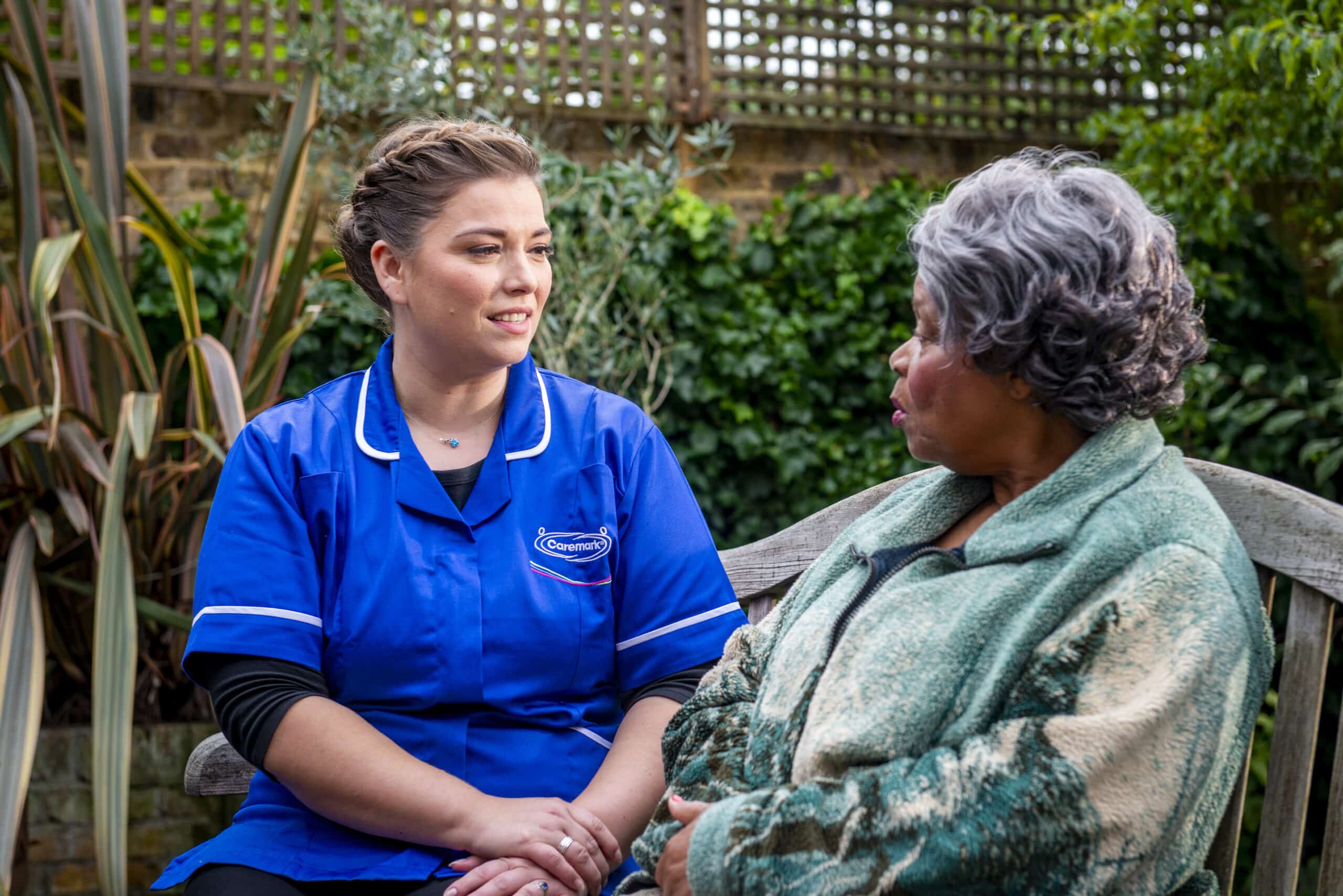
Everyday tasks can be harder after a bereavement. Caremark’s Care Assistants provide compassionate help at home: friendly companionship, support with meals, light housekeeping, medication prompts, and help to attend appointments or community activities. We also offer respite for family carers, giving you time to rest while knowing your loved one is in safe hands.
Change can be especially unsettling for older people and those living with dementia. Familiar surroundings and consistent routines often reduce anxiety. Our local teams use gentle reassurance, life-story activities, memory prompts and calm, structured days to support someone through bereavement at home. We adapt communication to each person’s needs and work closely with families so that approaches are consistent and comforting.
Community support can also be invaluable when figuring out how to deal with bereavement? Local and national organisations, faith communities and peer groups offer helplines, counselling and group sessions. Your GP can refer you to NHS talking therapies, and many areas have specialist services for bereaved children, partners or those affected by particular circumstances. Joining a group, even online, can help you feel less alone and share practical ideas for coping with grief.
Helpful Contacts to Deal with Bereavement
Faith or Community Groups: Pastoral support and local connections
Your GP or NHS 111: Health advice and referrals to local services, including talking therapies
Cruse Bereavement Support: Helplines, resources and peer groups for coping with grief
Samaritans (116 123): Someone to talk to, day or night, if you’re struggling
How Caremark Can Help
At Caremark, we provide high-quality, professional support that empowers our Customers. Our kind and trustworthy care assistants are key to the tailored care we provide. Our customers are at the heart of everything we do, so we strive to support every one of their needs as they manage their conditions.
Would you like to learn more about the home care services we provide? Get in touch and discover how we can support you or someone you love. From dementia care to live-in care, we are here to help.
What To Read Next
- Games to Improve Memory and Mental Health Benefits
- Holidays for People with Disabilities: Accessible Travel Options
- Days Out for Seniors: Gentle and Joyful Experiences
- Learn About the 7 Stages of Frontotemporal Dementia
- Simple Gardening Activities for the Elderly at Home
- A Practical Guide to Holidays for the Elderly
- Home Care Assessment: Tailoring Support at Home