

Simple Gardening Activities for the Elderly at Home

There’s a special kind of joy that comes from tending to plants and seeing them thrive. Gardening is gentle on the body, soothing for the mind, and easy to enjoy with a few small tweaks. This guide shares simple gardening activities for elderly at home, with clear tips, step-by-step ideas and ways Caremark can help you or someone you love keep gardening safely and confidently.
Why Gardening at Home Lifts Wellbeing
Light gardening brings movement, fresh air and a real sense of achievement. Watering pots, pruning and sowing seeds all help with flexibility and balance. They also offer light cardiovascular activity. Planning where to plant, noticing new shoots and following the seasons can keep the mind engaged and spirits lifted. For many, gardening eases stress and brings daily purpose.
Every garden and every person is different. Activities can be adapted for comfort and confidence, whether standing, seated or with a little support. Short, regular sessions work best, with rests as needed. The aim is enjoyment, not heavy digging. That’s why gardening for elderly customers is all about small, satisfying wins that fit easily into everyday life.
Caremark makes good intentions doable. Our Care Assistants can prompt, set up safely and provide a helping hand, so simple gardening activities for older adults at home become a regular highlight rather than an occasional treat.
Start with Comfort, Safety and Simplicity
A few quick checks make gardening safer and more enjoyable:
- Keep paths and patios stable, well-lit and free from trip hazards.
- Wear non-slip footwear and weather-appropriate layers.
- Have water and sunscreen close by; use a hat in sunny weather and gloves when it’s cooler.
- Use a sturdy chair or garden stool for seated potting, pruning or deadheading.
- Place tools, compost and watering cans within easy reach to limit bending and lifting.
- Choose lightweight pots and smaller watering cans to reduce strain.
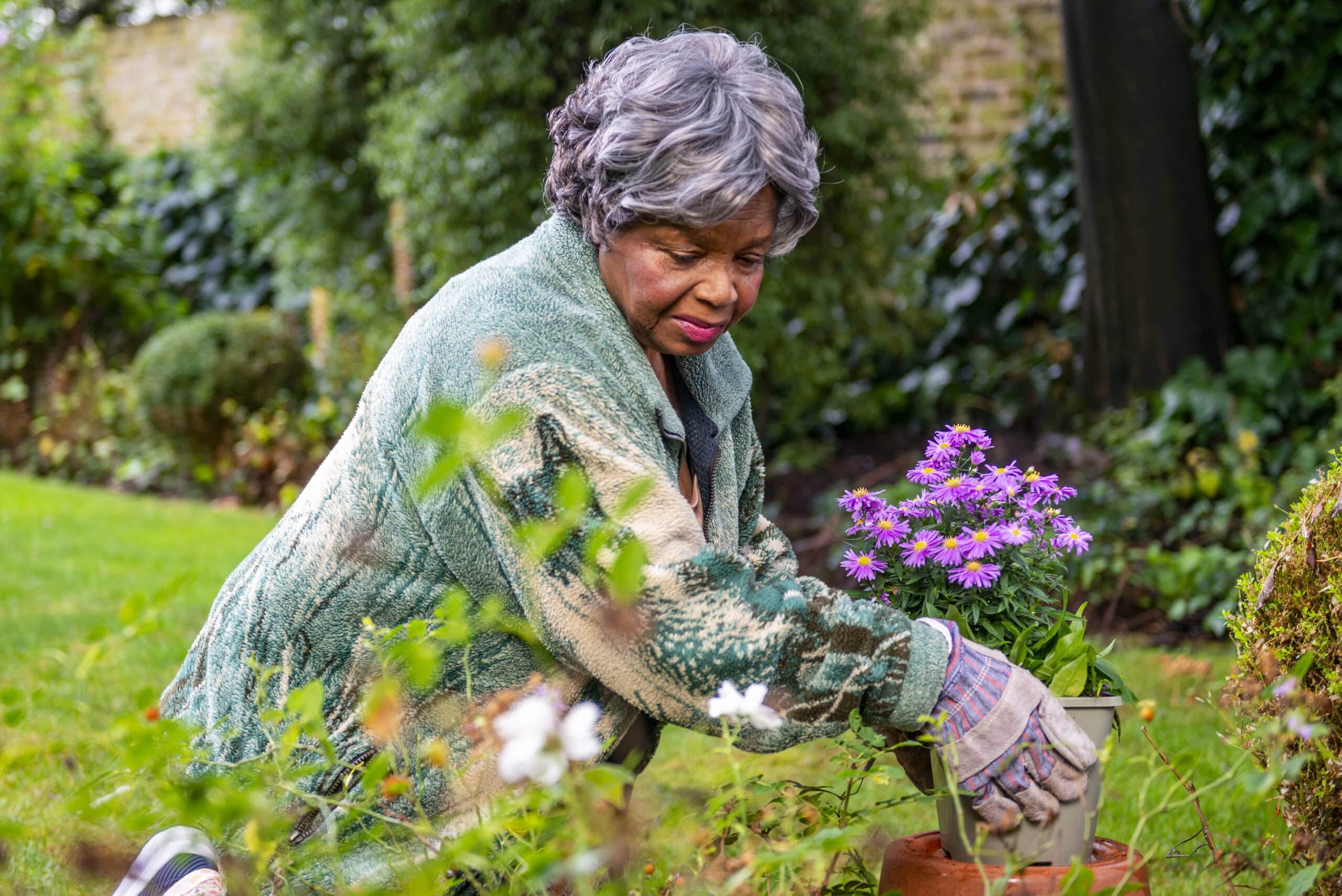
Step-by-Step: Simple Tasks You Can Do Today
Plant a Windowsill Herb Pot
- Choose a sunny windowsill and a pot with drainage plus a saucer.
- Use peat-free multipurpose compost.
- Plant young basil, parsley and chives, or sow seeds following the packet.
- Water gently until it reaches the saucer; allow the top to dry slightly before the next watering.
- Rotate weekly for even growth and snip regularly to encourage fresh leaves.
Create a Sensory Planter
- Select a mid-sized container with good drainage and place it near a favourite seat.
- Combine contrasting plants: lavender for scent, marigolds or pelargoniums for colour, and lamb’s ear or thyme for texture.
- Use peat-free compost and add a slow-release fertiliser.
- Water thoroughly after planting and check moisture twice a week.
- Remove faded flowers weekly to keep it blooming.
Create a Bird-Friendly Corner
- Choose a quiet spot that can be seen from a window or favourite chair.
- Place a small bird feeder or table at waist height to avoid bending.
- Add a shallow dish of fresh water for drinking and bathing.
- Keep feeders topped up little and often rather than all at once.
- Rinse the feeder weekly to keep birds healthy and returning regularly.
Follow a Seasonal Task List
- Spring: sow hardy annuals, plant salad leaves, start feeding container plants.
- Summer: water mornings or evenings, deadhead flowers and pick herbs often.
- Autumn: plant spring bulbs, clear spent annuals, top up mulch to protect roots.
- Winter: prune lightly where appropriate, brush leaves from paths, plan next year’s seeds and containers.
These steps fit neatly into low maintenance gardens for the elderly, making simple gardening activities for older adults at home feel natural and rewarding.
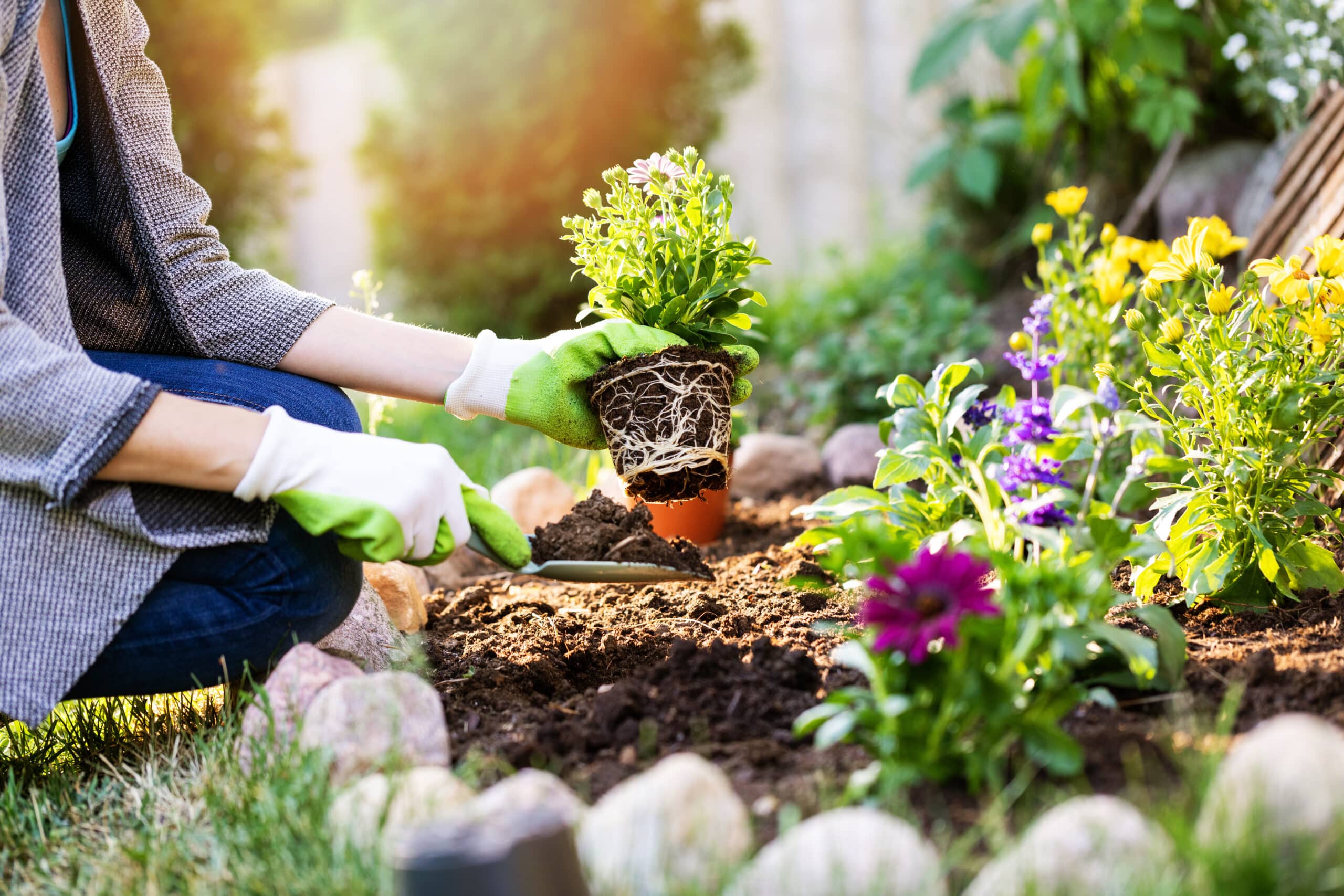
Make Your Garden More Accessible
Making the garden easier to use starts with the right set-up. Lightweight tools and long-handled aids reduce bending and strain, while a kneeler with side handles or a sturdy seat offers comfortable support for planting and pruning. Opt for smaller watering cans or a hose with a gentle spray head to avoid heavy lifting. A clear layout with uncluttered pathways and good lighting helps improve safety and confidence outdoors. Keeping tools in one portable caddy, hanging gloves by the door and grouping pots within easy reach all save time and effort. Raised beds or waist-height planters also bring plants closer, gardening activities for elderly feel more manageable.
How Caremark Supports Your Gardening Routine
A Care Assistant can garden alongside you, set up tasks, keep tools within reach and celebrate progress. This is gardening activities for elderly customers done with heart and expertise. It is local, human and safe. We’re open and transparent, keep families informed and treat every customer with dignity and respect.
If you’d like help to start or sustain simple gardening activities for older adults at home, your local Caremark team is ready to listen. We can arrange visits, complete risk assessments and provide ongoing support tailored to your home and garden.
How Caremark Can Help
At Caremark, we provide high-quality, professional support that empowers individuals to live their best lives. Our kind and trustworthy care assistants are key to the tailored care we provide. Our customers are at the heart of everything we do, so we strive to support every one of their needs as they manage their conditions.
Would you like to learn more about the home care services we provide? Get in touch and discover how we can support you or someone you love. From dementia care to live-in care, we are here to help.
What To Read Next
- A Practical Guide to Holidays for the Elderly
- Home Care Assessment: Tailoring Support at Home
- The Benefits of Live-in Care Jobs You Should Know
- Caring for Someone with Dementia at Home
- Social Activities for People in Home Care
- Inside Caremark Care Manager Conference 2026