

Benefits of Live‑in Care Jobs Explained

If you’re exploring a caring career with real impact, you might be interested in a live-in care job. As a Caremark live‑in care assistant, you provide one‑to‑one support that helps a customer stay safe, happy and independent at home. You’ll build meaningful relationships, grow your skills, and be part of a trusted organisation that puts people first. Are you considering it? Then, discover the benefits of live-in care jobs.
What Does a Live‑in Care Job Involve?
Live‑in care means living in the customer’s home for an agreed period to offer reassurance and planned support throughout the day as well as the night. It’s personal, consistent and tailored. Typical care worker duties include:
- Personal care such as washing, dressing and safe medication prompts.
- Companionship through conversation, hobbies and trips to appointments or social groups.
- Household tasks, including nutritious meal preparation, laundry and light cleaning.
- Promoting independence by encouraging the customer to do what they can safely.
- Monitoring wellbeing by following the care plan and keeping clear records for families and the Caremark office.
This is different from visiting care where you travel between calls, and from residential care where you support several people. In live‑in care you focus on one person, enabling calm routines in familiar surroundings. Working patterns are agreed in advance, often two to six weeks on placement followed by a planned break. Each day includes protected rest and downtime. Also, our local team coordinates relief cover so you can recharge.
Why Choose Caremark for a Live‑in Care Job?
Caremark is one of the UK’s leading home care providers, supporting thousands of customers each week. When you choose a live-in care job with us, you get strong national standards and caring local support. Our local teams take time to match carers with the right customers, give clear guidance, and keep families informed. You will also have support from the office team whenever you need it, day or night. It is a safe and trusted place to work, where kindness, honesty, and quality matter every day.
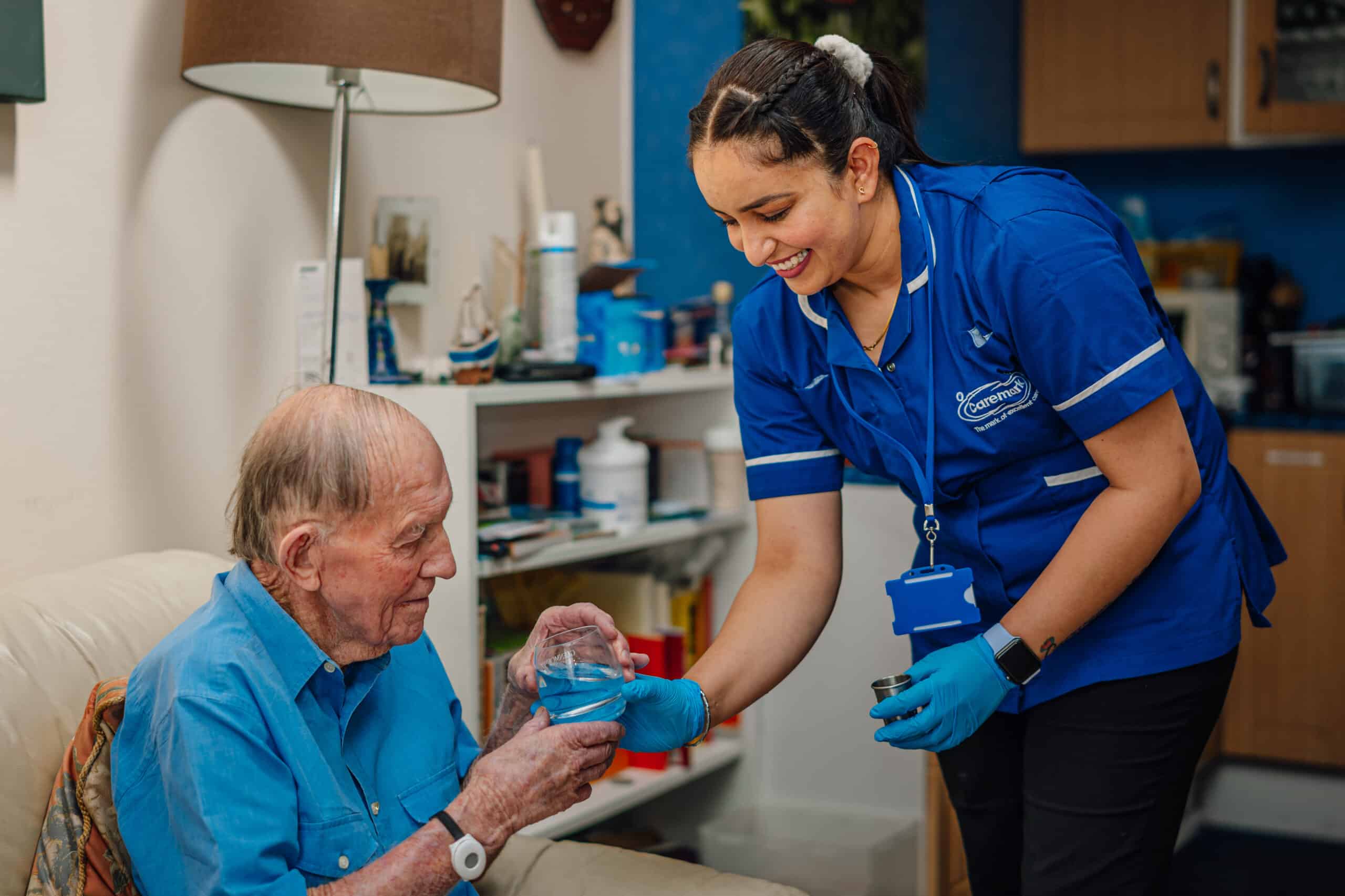
Benefits of Live-in Care Jobs
Live‑in care roles offer far more than practical experience. They provide emotional reward, meaningful purpose, and clear opportunities to grow, making them a fulfilling long‑term career choice for many care professionals.
Building Meaningful Relationships
Live‑in care lets long‑term relationships flourish. For example, the benefits of live-in care jobs are that you learn routines, build trust and deliver genuinely person‑centred support. This consistency helps care feel more natural and responsive, creating a strong bond between the care assistant and the customer.
Making a Visible Difference Every Day
One of the most rewarding aspects of live‑in care is seeing the impact of your support firsthand. Whether you’re sharing a favourite meal, encouraging a gentle walk, or offering reassurance during a difficult moment, you’ll notice changes in confidence and well‑being over time, particularly following illness or a hospital stay.
Helping People Stay at Home
One of the most rewarding aspects of live‑in care is seeing the impact of your support firsthand. Whether you’re sharing a favourite meal, encouraging a gentle walk, or offering reassurance during a difficult moment, you’ll notice changes in confidence and well‑being over time, particularly following illness or a hospital stay.
Variety and Personal Growth in the Role
No two live‑in care placements are the same. Needs change over time, and you’ll adapt your support as you observe progress or new challenges. This variety keeps the work engaging and helps you develop problem‑solving skills, confidence and resilience as a care professional.
Supported Learning and Development
Recognised qualifications, ongoing training and supportive mentoring help you grow professionally while remaining part of a caring, local team. This structured development means you can build a long‑term career in care while continuing to make a meaningful difference. Ongoing learning includes specialist courses such as dementia care, end‑of‑life support, Parkinson’s awareness and learning disability support. This continuous development builds confidence and keeps care safe and high in quality.
Clear Career Progression Opportunities
Another key benefit of live‑in care jobs is the opportunity to progress. Many Live‑in Care Assistants go on to become senior carers or field care supervisors, before moving into roles such as care coordination, training or registered management.
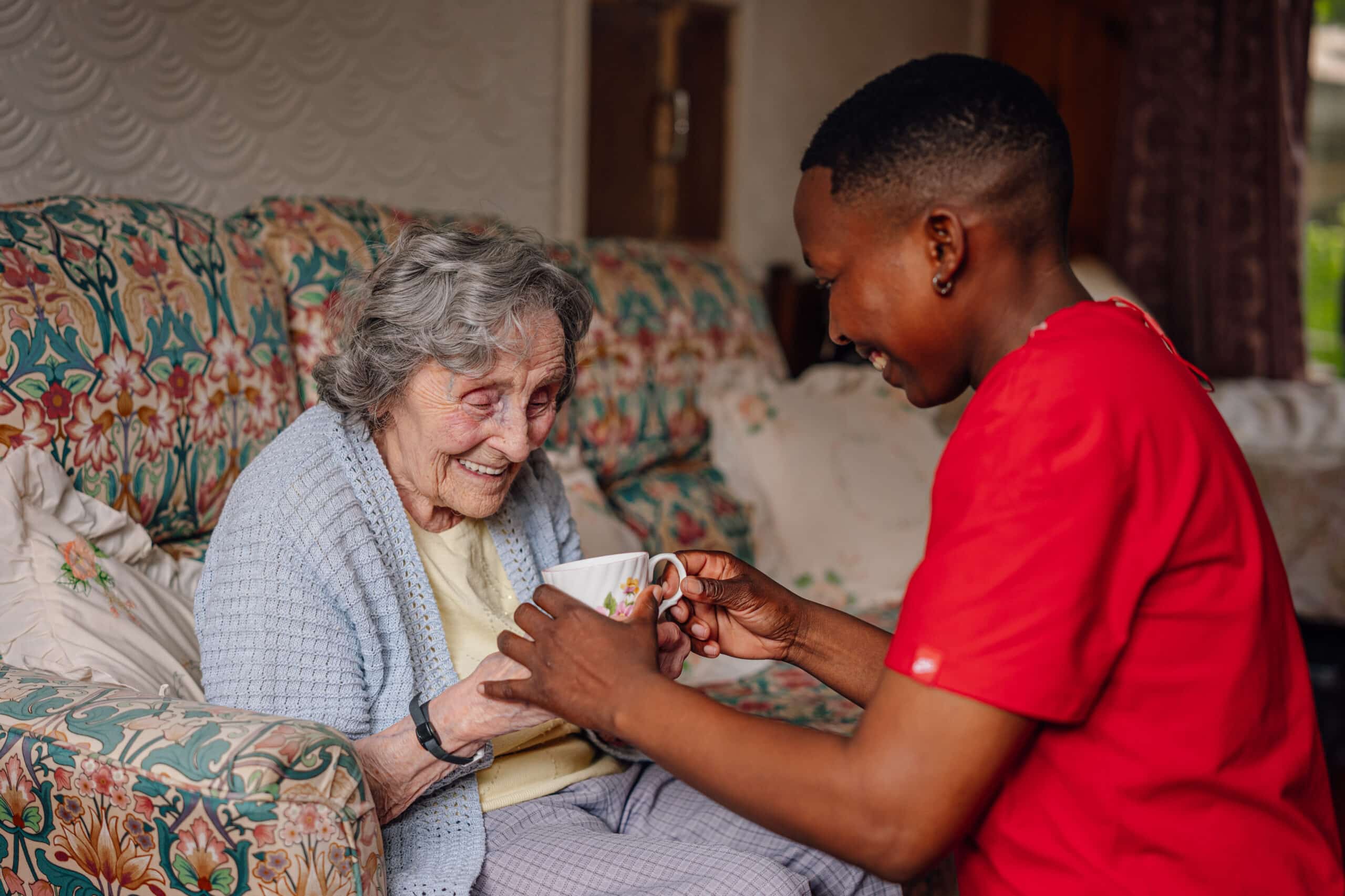
Is a Live-in Care Job Right for You?
Live‑in care suits people who are empathetic, reliable and patient. Strong communication skills, respect for privacy and the ability to follow care plans are essential. A calm manner, practical problem‑solving and a positive outlook will help you thrive in a varied role where no two days are the same. It can be emotionally demanding, so self‑care and clear boundaries are important. We’ll support you with thorough induction, regular check‑ins, as well as protected breaks and an on‑call team. You will never be left to cope alone.
How To Become a Live-in Care Assistant with Caremark?
At Caremark, we provide high-quality, professional support that empowers individuals to live their best lives. Our kind and trustworthy care assistants are key to the tailored care we provide. Our customers are at the heart of everything we do, so we strive to support every one of their needs as they manage their conditions. Would you like to become a live-in care assistant? Check our live-in care jobs and apply today!
Would you like to learn more about our care assistant jobs? Or learn more about the home care services we provide? Get in touch and discover how we can support you or someone you love. From domiciliary care to live-in care, we are here to help.
Key Takeaways
- Live-in care jobs offer personal support, allowing care assistants to build meaningful relationships with clients.
- Caremark provides competitive pay, training opportunities, and career progression for live-in care roles.
- Key responsibilities include personal care, companionship, household tasks, and promoting client independence.
- Live-in care suits empathetic, reliable individuals who possess strong communication skills and can follow care plans.
- Caremark emphasises a supportive environment, ensuring care assistants never feel isolated and can manage the emotional demands of the role.
What To Read Next
- Essential Qualities of a Great Care Assistant
- Weekend Employment Opportunities for Flexible Jobs
- How to Find Live-In Care Jobs in the UK
- Understanding Key Duties of Live-in Care Assistants