

Acquired Brain Injury Care
Trusted Acquired Brain Injury Care At Home
Acquired brain injury care offers specialist support after damage to the brain. It can help with movement, memory, mood and behaviour. At Caremark, we help people relearn daily living skills and live more freely at home.

Support for Life After a Brain Injury
Every brain injury is different, and the support you need may change over time. You may be working towards recovery or adapting to lasting changes. We listen to what matters to you and shape care around your routines, needs and goals. This helps you feel safe, stay connected and have more choice in daily life.
What is Acquired Brain Injury Care?
An acquired brain injury (ABI) is damage to the brain that happens after birth. Acquired brain injury care is tailored support for someone living with its effects. An ABI may follow a stroke, brain tumour, infection or lack of oxygen. Traumatic brain injury care may be needed after trauma to the head, such as a fall or road accident. This type of injury is also known as a TBI. Frontal lobe injury care can help with changes to planning, speech and language, mood or behaviour. Other effects may include problems with movement, memory or familiar daily tasks.
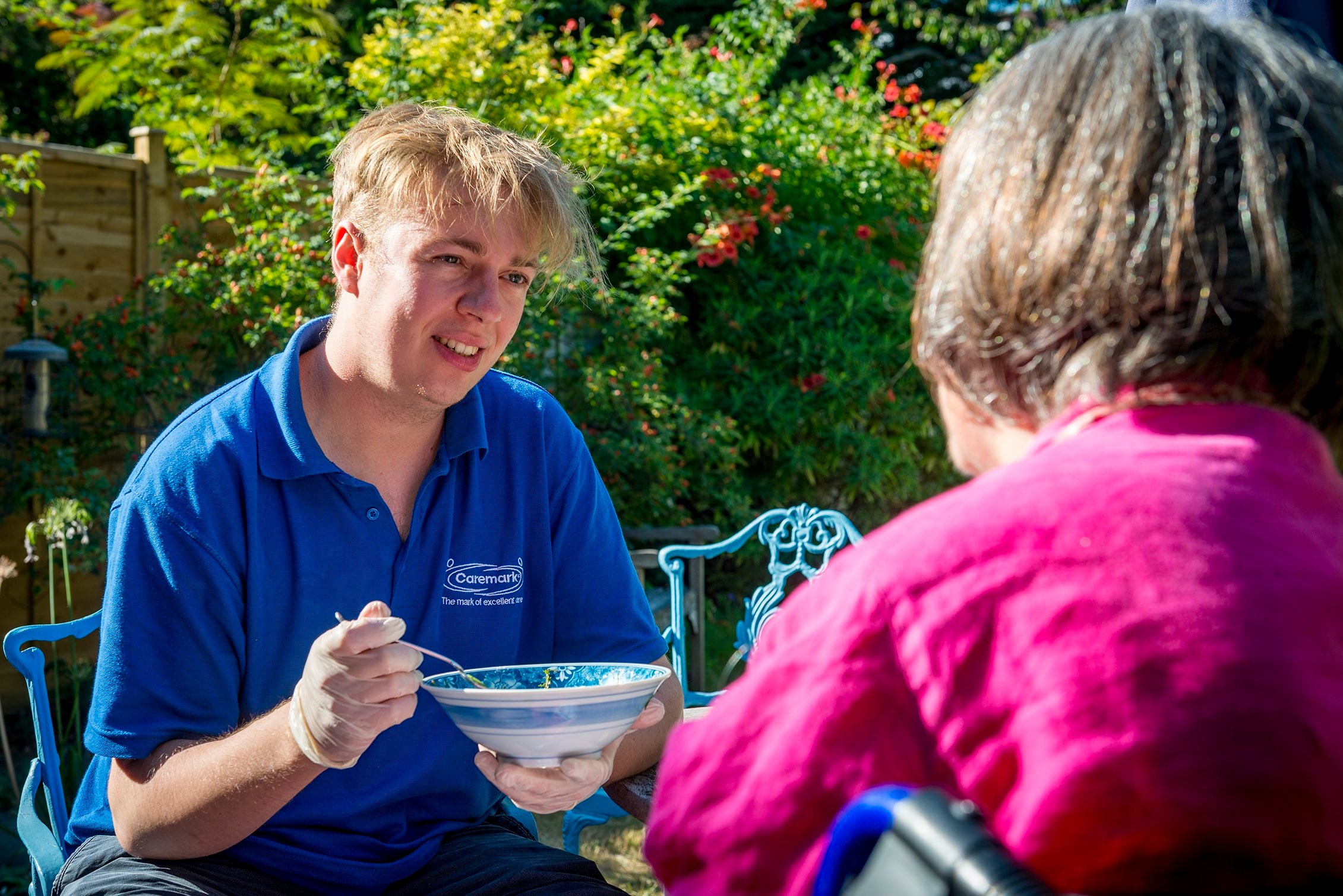
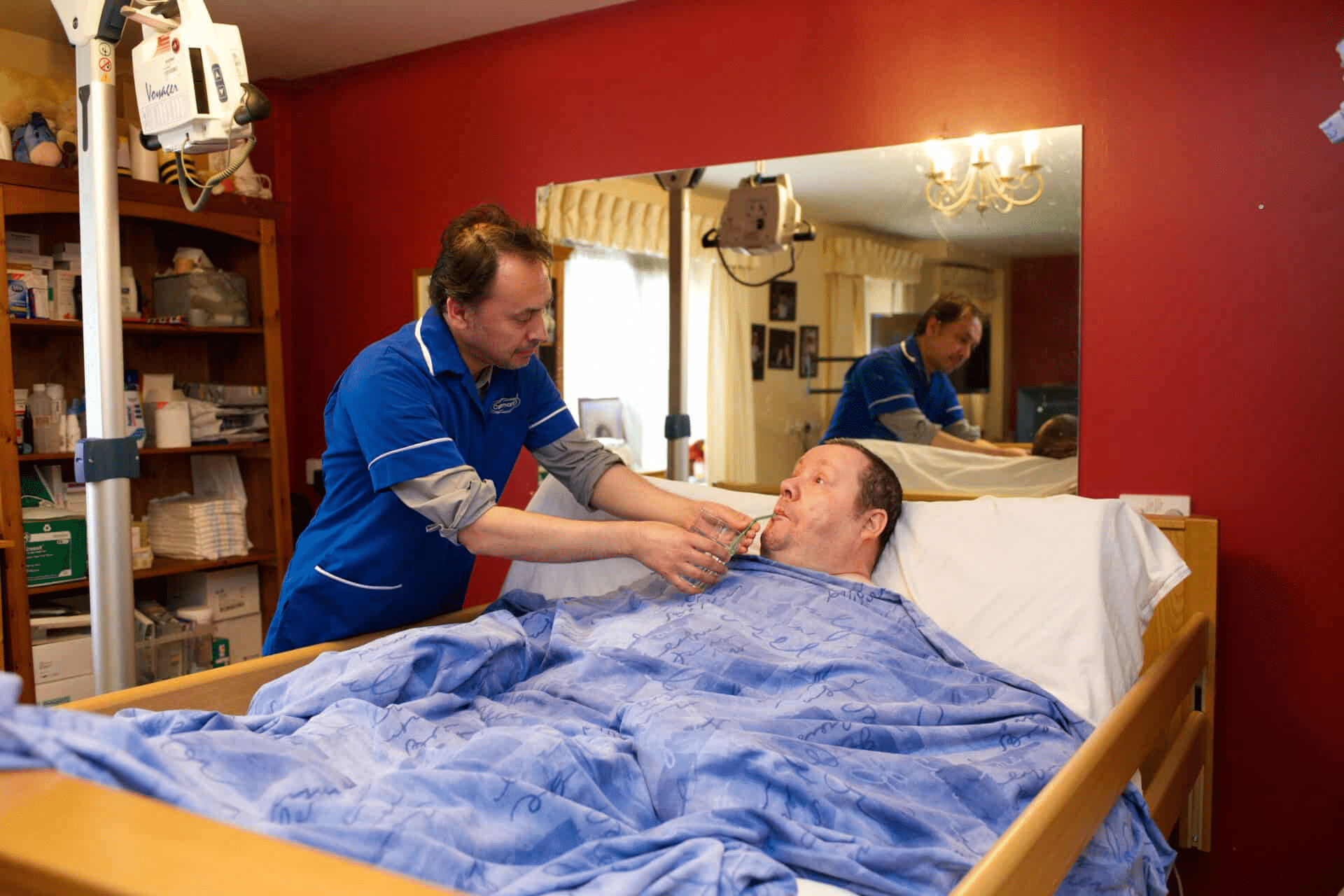
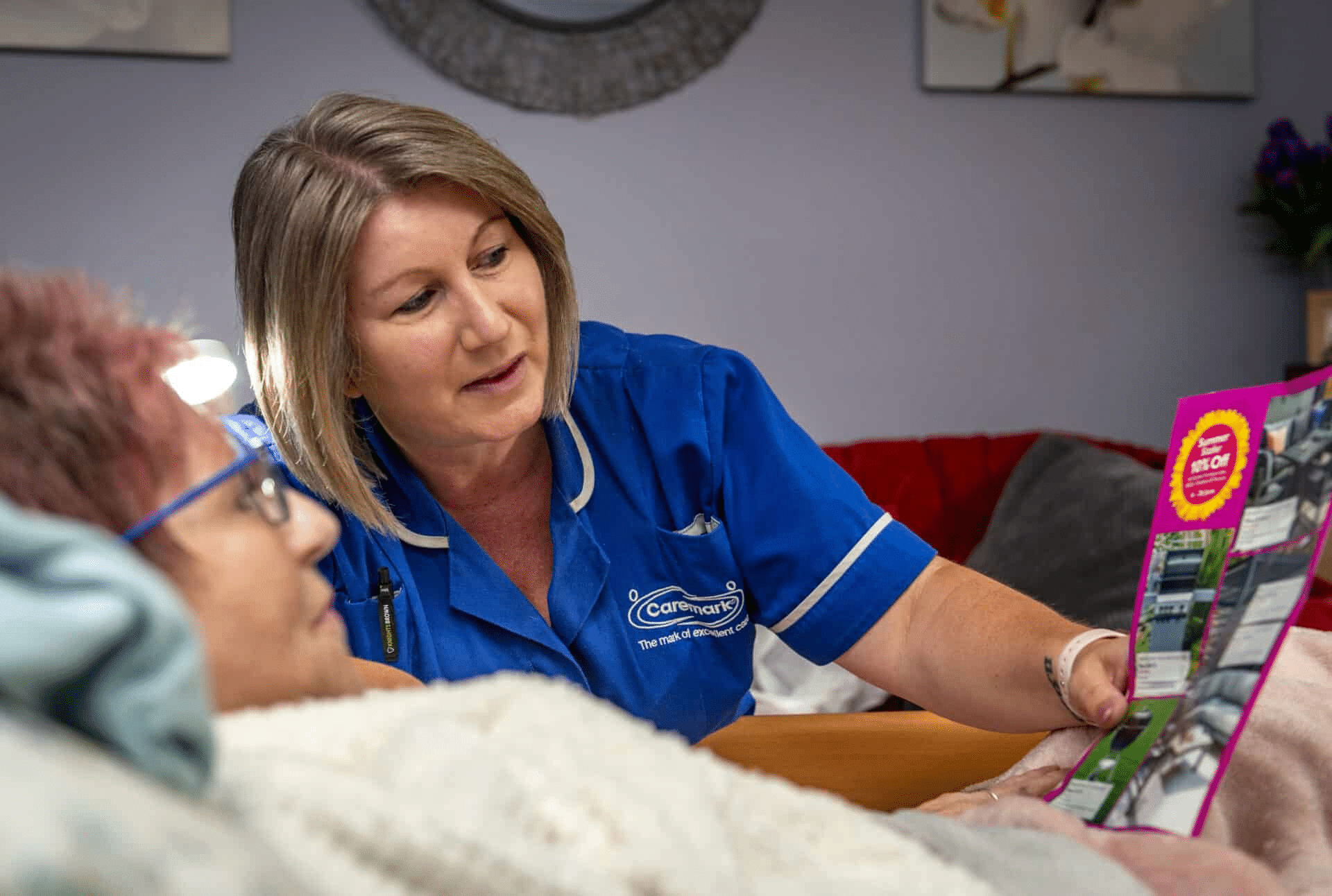
Support at home is shaped around each person’s needs, strengths and goals. A trained care assistant can help with personal care, meals, routines and appointments. They can also support agreed rehabilitation activities and work alongside family members and health professionals. This keeps care safe and consistent as needs change.
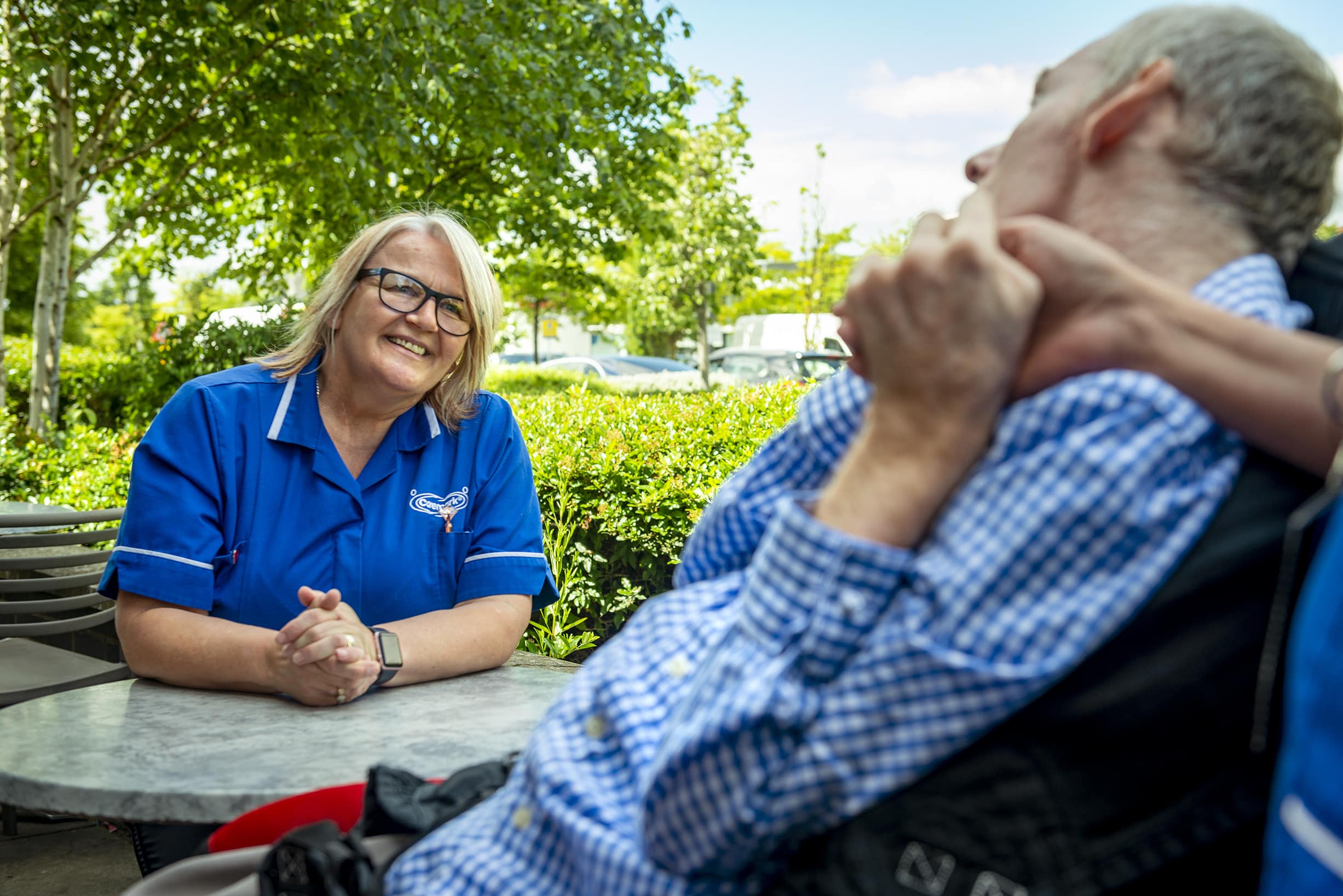
Acquired Brain Injury Care At Home with Caremark
Our trained care assistants can help with a wide range of needs. Support is calm, reliable and based on each person’s strengths and goals. Depending on the care plan, this may include:
- Personal care and daily routines
- Medication management and preparing meals
- Moving safely around the home
- Memory, communication and behaviour
- Agreed rehabilitation activities and personal goals
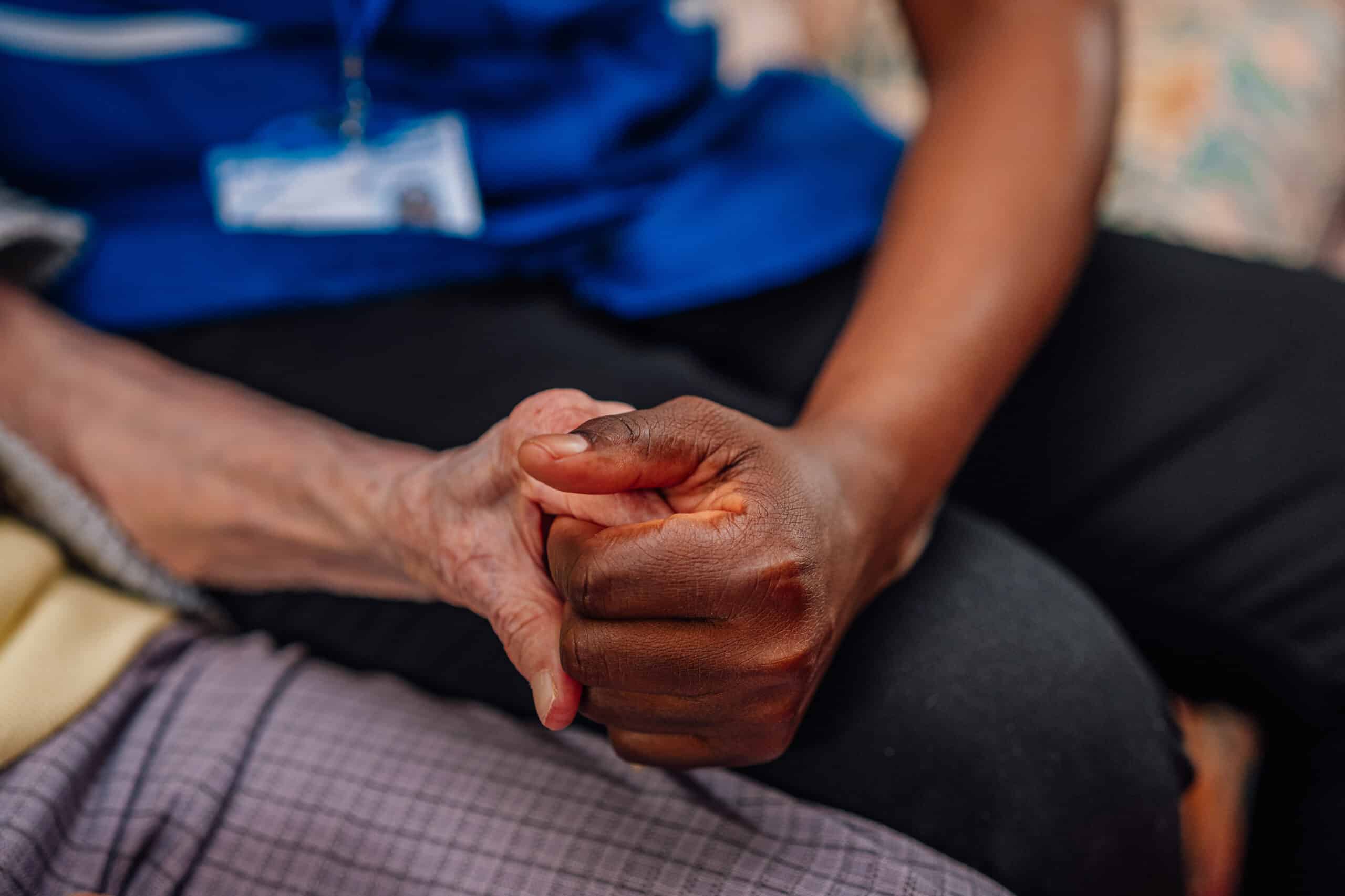
- Companionship, appointments and community activities
The Benefits of Personalised Support
The right support can make daily life feel safer and easier after a brain injury. It helps each person follow familiar routines and work towards personal goals. This can support their quality of life and help them stay involved with the people and places they value.
- Helps people remain in familiar surroundings
- Supports daily skills and greater independence
- Creates clear routines and a sense of stability
- Builds confidence through patient, steady support
- Supports agreed rehabilitation goals
- Encourages hobbies and community involvement
- Adapts as needs and abilities change
- Gives families reassurance and peace of mind
Who Can Be Supported?
Caremark can support people living with the effects of a brain injury. This includes children, young people and adults. Some need help when they come home from hospital. Others need care as they recover or adjust to lasting changes. This can include traumatic brain injury care or frontal lobe injury care. We can also help after a stroke, tumour, infection or lack of oxygen.
Care can be short-term or ongoing and may range from regular visits to live-in support, depending on what is available locally. We learn about each person’s needs, daily life and goals. We help them feel safe and stay as independent as possible. We also help them stay close to family, friends and their community.
Why Choose Acquired Brain Injury Home Care?
Care at home helps people stay close to familiar rooms, routines and faces. This can make daily life feel calmer and easier to manage. Each care plan is built around the person. It helps them keep choice and control while getting the right level of support.
Families also gain peace of mind. A trained care assistant takes time to learn what matters to the person. Care can change with their needs, so support stays safe and steady.

FAQs – Acquired Brain Injury Care
Yes, planning can start before discharge. This will depend on an assessment and the service available locally. With the person’s consent, the Caremark team can speak with their family and hospital staff. Together, we agree on the support needed at home and plan how care will begin.
We learn how the injury affects the person’s daily life. We ask about mobility, personal care, medication, communication, behaviour, routines and goals. We also consider the help already given by family and health professionals. This allows us to decide if we can meet the person’s needs and create a safe care plan.
We consider the person’s needs, routines, interests and preferred way to communicate. Care assistants are chosen for their skills, experience and personality. They receive training for the agreed care plan and support from their local team. We will explain the checks and training that apply before care begins.
Yes. Care assistants can help a person follow activities agreed by their rehabilitation team. This may include practising daily skills, using memory aids, following routines or attending appointments. They do not replace doctors or therapists. With consent, they can work alongside case managers and health professionals to keep support consistent.
Some Caremark teams support complex physical, neurological or behavioural needs. Nurse-led care may be available in some areas for people with complex health needs. This may include complex epilepsy, PEG feeding or breathing support where trained services are available. Care may involve overnight visits, live-in care or a team working across 24 hours. A full assessment is needed to find the safest option.
The cost depends on the support needed, where you live and how often care is provided. Visiting, overnight and live-in care have different costs. Complex care may need a larger team or support across more hours. Your local Caremark team will assess your needs and provide a clear quote.
Some people pay for care themselves. Others receive help from the NHS, their local council, a Health and Social Care Trust, direct payments or a compensation claim. The rules vary across the UK. Ask the relevant health or social care body for an assessment. Caremark can explain payment options but cannot decide who receives public funding.
There is no set length of time. Some people need short-term help when they leave hospital. Others may need support for much longer. We review the care plan as the person’s needs change. Care can then increase or reduce when needed.
Yes, where the local team can safely meet the person’s needs. Care assistants can follow clear routines and support plans agreed with specialists. They also learn what may cause distress and what helps the person feel calm. This can be an important part of frontal lobe injury care.
Contact your local Caremark team by phone or through the online form. We will listen to your needs and arrange a care assessment. We can also speak with family members and health professionals. If we can provide the right support in your area, we will create a personal care plan and agree on when care will begin.
Get The Support You Need From Caremark
Caremark offers acquired brain injury support through selected local teams in the UK. Our wider home care network includes more than 140 teams across England, Northern Ireland, Scotland and Wales. Services vary by area. Enter your postcode to find your nearest Caremark team and ask how they can support you or someone you love:
There’s so much more to Caremark
Find a Caremark team close to you!