

Learn About the 7 Stages of Frontotemporal Dementia

Frontotemporal dementia, often called FTD, can be difficult for families to understand at first. This is because the early signs may not resemble the memory loss many people expect with dementia. Instead, a person may show changes in behaviour, speech, mood, choices, or the way they respond to others. The NHS explains that frontotemporal dementia often starts with changes in behaviour or language, and these changes usually get worse slowly over time. Learning about the 7 stages of frontotemporal dementia can help families feel more prepared. These stages are not a perfect timeline, as every person is different. However, they can give a helpful guide to how support needs may change over time.
What is Frontotemporal Dementia?
Frontotemporal dementia is a type of dementia that affects the front and sides of the brain. These areas help with behaviour, emotions, language, planning, and decision-making.
This means FTD can look different from other types of dementia. A person may still remember people, places, and events in the early stages, but they may act in ways that seem out of character. They may become less patient, more withdrawn, more impulsive, or less aware of other people’s feelings.
For some people, the first signs are linked to speech and language. They may struggle to find the right words, speak less, repeat phrases, or have a harder time understanding what others are saying. Alzheimer’s Society notes that FTD often affects behaviour, personality, language, and decision-making before memory becomes a major concern.
Does Frontotemporal Dementia Follow 7 Stages?
The 7 stages of frontotemporal dementia should be seen as a guide, not a fixed medical rule. FTD does not always move in a clear, straight line. Some people may have more changes in behaviour. Others may have more problems with speech, movement, or daily tasks.
The speed of change can also vary. Some people live with mild symptoms for years, while others need more support sooner. This can feel hard for families, but understanding the common stages can still help with planning.
It can help you know what to look for, when to ask for advice, and when to think about extra care at home.
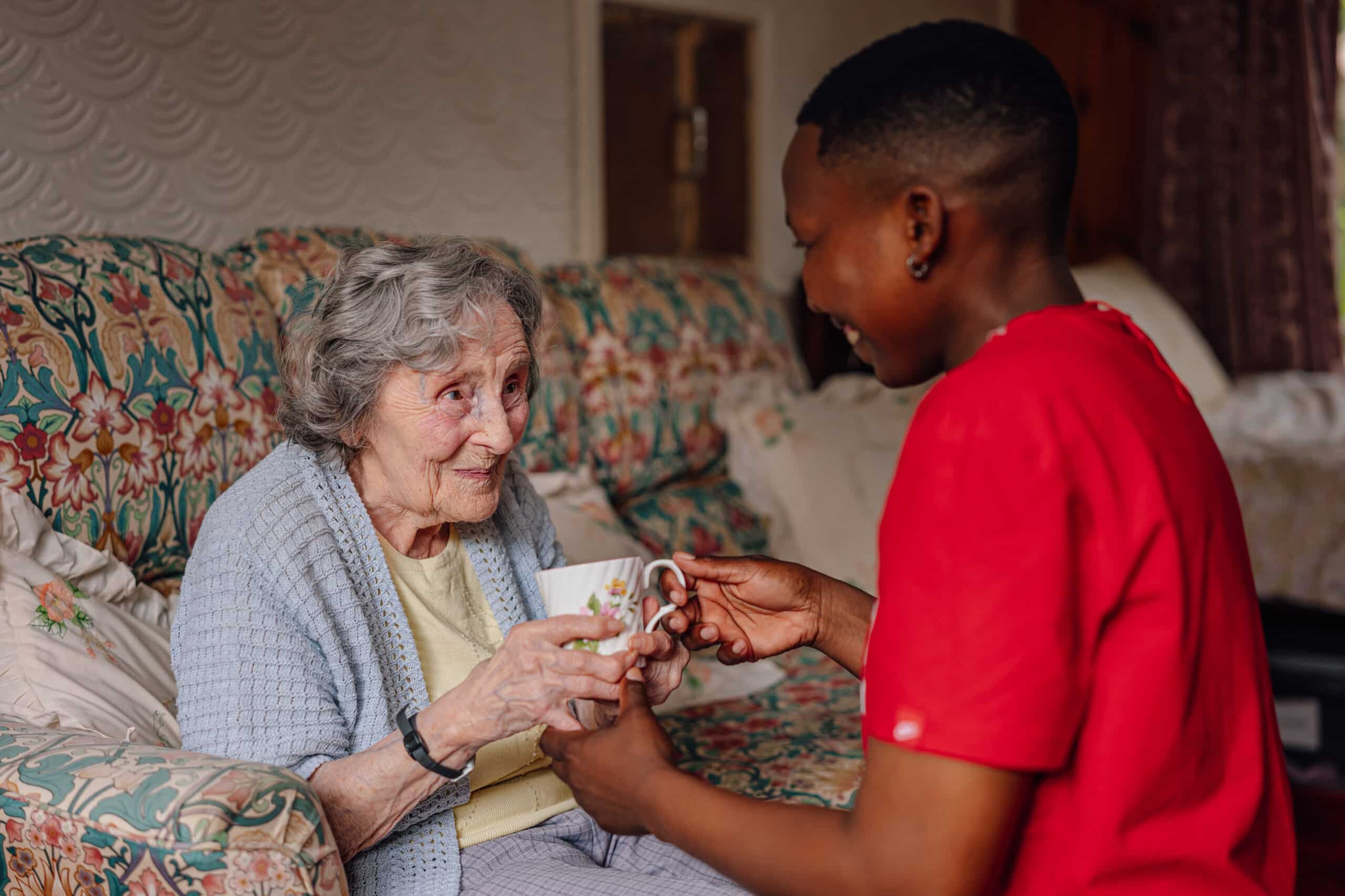
The 7 Stages of Frontotemporal Dementia
Discover what the 7 stages of Frontotemporal Dementia are before learning how Caremark can support you.
Stage 1: No Clear Symptoms
At this stage, there may be no clear signs in daily life. The person may still work, drive, manage their routine, and take part in family or community life as usual.
Any changes in the brain are not yet affecting daily tasks in a noticeable way. Families may not have any reason to worry at this point.
Stage 2: Very Small Changes
Small changes may begin, but they can be easy to miss. The person may seem more tired, less interested in hobbies, or more fixed in their habits.
There may be slight changes in mood, judgement, food choices, speech, or social behaviour. At this stage, loved ones may think the person is stressed, busy, or simply getting older.
Stage 3: Early Noticeable Symptoms
This is often the stage when family members begin to feel that something is not quite right. The person may start to act in ways that feel unusual for them.
They may say things without thinking, lose interest in others, make poor financial choices, or struggle to plan simple tasks. Some people may repeat words, pause more often, or find it harder to explain what they mean.
It is important to speak to a GP if these changes continue or get worse.
Stage 4: Changes Affect Daily Life
At this stage, symptoms may start to affect daily routines more clearly. The person may need help with appointments, meals, housework, medication prompts, or staying safe outside the home.
They may find it harder to manage work, social plans, or personal tasks. Behaviour changes may also become more difficult for family members to understand. The person may not always see that their actions have changed. Calm routines, clear communication, and gentle support can make a big difference.
Stage 5: More Regular Support is Needed
As frontotemporal dementia progresses, the person may need more regular help at home. This may include support with washing, dressing, meals, medication, and daily structure.
A person-centred care plan can help keep life calm and familiar. It can also support independence where possible. For example, the person may still be able to make simple choices, enjoy music, go for short walks, or take part in safe local activities.
At this stage, support should focus on dignity, comfort, and routine.
Stage 6: Severe Symptoms and Higher Care Needs
In the later stages, symptoms can become more complex. Communication may become very limited. The person may need more help to move safely, eat, drink, use the toilet, or manage personal care.
Some people may also have problems with swallowing, walking, or continence. Alzheimer’s Research UK explains that as FTD becomes more severe, people may find it harder to swallow, eat, communicate, and control their bladder or bowel.
This stage can be emotional for families. The right care can help reduce distress and keep the person as settled as possible.
Stage 7: Full Support and Comfort Care
In the final stage, the person is likely to need full support with daily life. They may be unable to speak clearly, move without help, or manage personal needs on their own.
Care at this stage should focus on comfort, safety, dignity, and peace. Familiar voices, gentle touch, soft routines, and a calm space can still bring comfort. Even when a person cannot communicate as they once did, they still deserve care that respects who they are, what they like, and what matters to them.

How Families Can Support Someone with FTD
Supporting someone with frontotemporal dementia can feel upsetting, especially when their behaviour changes. It can help to remember that these changes are caused by the condition. The person is not trying to be difficult.
Try to keep daily routines simple and steady. Use short sentences, give one instruction at a time, and allow extra time for answers. Avoid long arguments, as this can cause more distress for everyone.
Families can also make the home safer by reducing clutter, checking trip risks, and keeping important items in clear places. If the person goes out alone, it may help to plan safe routes or use reminders.
It is also important for family carers to look after themselves. Rest, advice, and support from others can help you keep going.
When to Seek Extra Support
Extra support may be needed when the person is no longer safe on their own, or when family carers feel tired, worried, or overwhelmed.
You may also need help if personal care is becoming harder, meals are being missed, medication is not being taken, or behaviour changes are causing distress. Changes in eating, drinking, movement, or swallowing should be discussed with a GP or healthcare professional.
Asking for help early can make care feel calmer and more planned. It can also help the person stay at home for longer, with support that fits their needs.

How Caremark Can Help
At Caremark, we understand that dementia affects each person and family differently. Our care is person-centred, which means we take time to understand routines, wishes, likes, dislikes, and what helps the person feel safe.
Our trained care assistants can support with personal care, meals, medication prompts, companionship, and daily structure. We can also help create a calm home routine that supports dignity, independence, and quality of life.
For families, the right support can bring peace of mind. Whether you need a few visits each week, regular daily care, overnight support, or live-in care, Caremark can help build a care plan around your loved one.
What To Read Next
- Caring for Someone with Dementia at Home
- Discover the Benefits of Palliative Care for Patients with Dementia
- Joyful Minds: The Best Games for Dementia Patients
- What Are the Main Causes of Dementia?
- Alzheimer’s vs Dementia: What’s the Difference?
- 5 Winter Activities for People with Dementia
- 10 Ways Dementia May Present Near Life’s End
- Reducing Loneliness in Dementia Patients
- What is Dementia?
- How Is Dementia Diagnosed?
- Benefits of Arts and Crafts for Dementia