

How Warmer Weather Can Lead to Dehydration in Older Adults
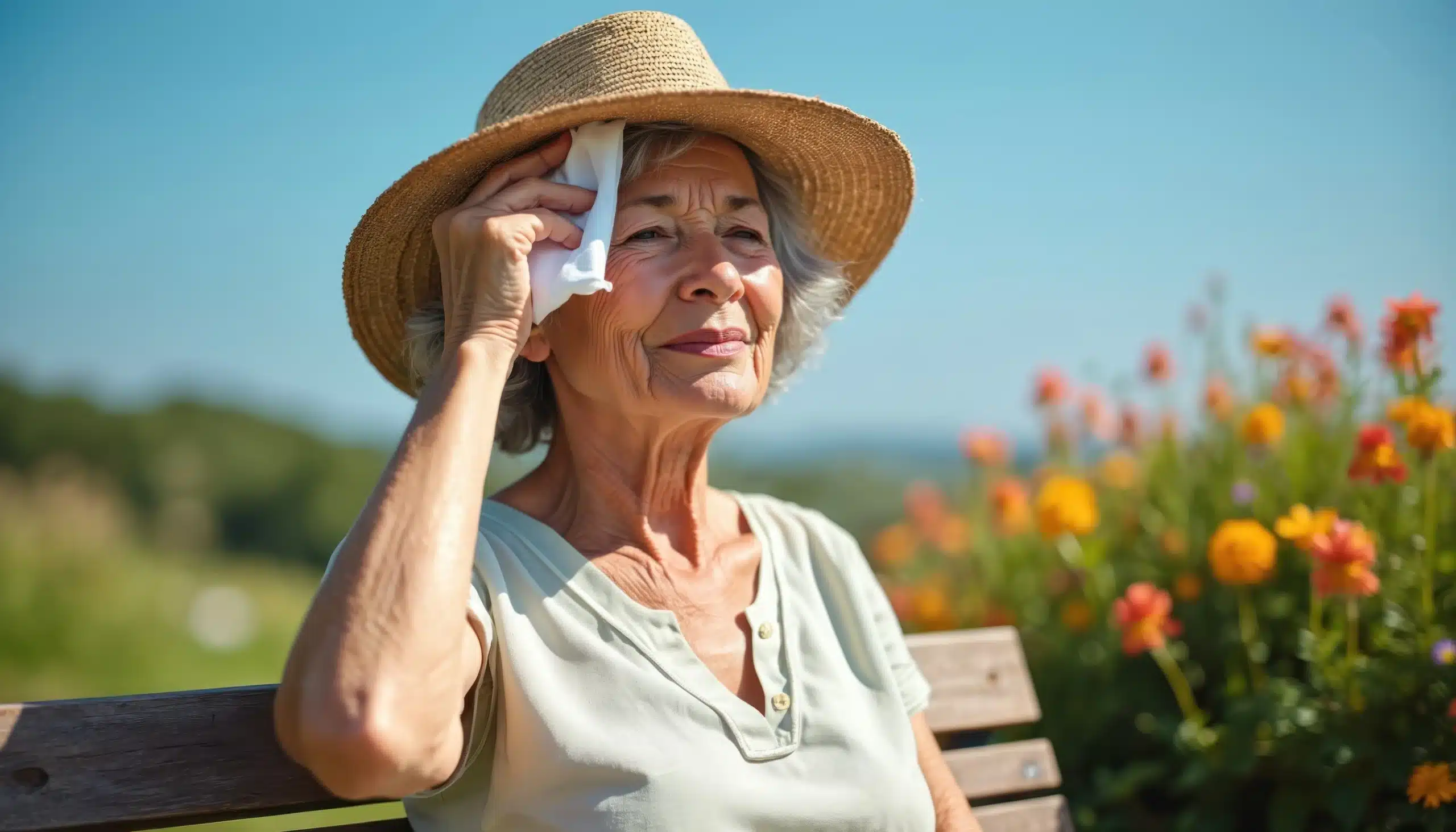
Warm days are welcome, but they bring extra risks for older people. How warmer weather can lead to dehydration in older adults is simple to understand: the body loses more fluid through sweat, the thirst signal is less reliable with age, and some long-term conditions or medicines make balance harder to maintain.
Why The Risk Rises as Temperatures Climb
As we age, it becomes easier to slip into dehydration without noticing. The kidneys are less able to concentrate urine, there is usually a lower proportion of body water, and mobility or appetite changes can reduce how much is drunk across the day. When the weather warms up, these factors combine to raise the risk of dehydration in older adults.
Medicines and Health Conditions Can Add to the Challenge:
- Diuretics and some blood pressure tablets increase fluid loss.
- Diabetes treatments and laxatives can alter fluid and salt balance.
- Anticholinergics may cause dry mouth and affect sweating; sedatives can blunt awareness of overheating.
- Heart failure, diabetes, dementia, Parkinson’s disease, and chronic kidney disease influence both hydration and temperature control.
Heat places extra demand on the body. To cool down, we sweat and widen blood vessels near the skin, which uses fluid and salts. In humid air, sweat evaporates less efficiently, so the body can lose more fluid trying to stay cool. Without steady replacement, dehydration in older adults reduces blood volume, strains the heart, and impairs sweating. This raises the risk of heat exhaustion and, in severe cases, heatstroke.
Spotting Dehydration and Heat-Related Illness
Act promptly if you notice:
- Dry mouth or lips, darker or stronger-smelling urine, or passing urine less often
- Headache, dizziness on standing, muscle cramps, or unusual tiredness
- Irritability, mild confusion, changes in concentration, appetite, or balance
If dehydration and overheating continue, heat exhaustion can develop. Symptoms include heavy sweating or clammy skin, feeling faint, a fast but weak pulse, nausea or vomiting, headache, and worsening confusion. Heatstroke is a medical emergency. Warning signs include very high body temperature, hot, dry skin or profuse sweating, severe confusion, slurred speech, seizures, or loss of consciousness. Call for urgent help immediately if heatstroke is suspected.
While waiting for help, move to a cool, shaded room, loosen clothing, use cool, damp cloths or a light spray of tepid water with fanning, and offer frequent sips of water if the person is fully alert and able to swallow safely. Do not give fluids if there is drowsiness or a risk of choking.
What Temperature is Too Hot for The Elderly?
There is no single number that suits everyone, but as a guide, indoor temperatures consistently above 26°C can raise risk for many older people, particularly those with long-term conditions. If you are wondering what temperature is too hot for the elderly when outdoors, take extra care during Met Office heat-health alerts and when shade temperatures reach the high 20s and above. Remember that direct sun, poor ventilation, and humidity can make it feel hotter and increase strain on the body.
Understanding how warmer weather can lead to dehydration in older adults helps with planning. Checking room temperatures, avoiding the midday heat, and keeping a steady drinking routine are simple steps that make a real difference.
Practical Hydration and Cooling Tips
A regular drinking routine is the foundation of prevention. Most people benefit from around 6 to 8 glasses of fluid daily, adjusted to individual medical advice. Water is ideal. Milk, diluted fruit juice, and decaffeinated tea or coffee also contribute. Small, frequent drinks are often easier to manage.
- Add hydrating foods such as melon, berries, oranges, cucumber, tomatoes, soups, and yoghurt.
- Start early in the day and sip steadily; increase intake before going outdoors or being active.
- Use oral rehydration solutions during very hot spells if a clinician advises.
- Keep water within easy reach in every room and set reminders to drink every 20 to 30 minutes during peak heat.
To keep the home cooler, shade windows during the hottest hours and open them when it is cooler outside, usually early morning and evening. Cross-ventilation helps move air through rooms. Fans can be effective when used safely: direct airflow across the body and, for better cooling, combine with a light water mist on the skin. Create a cool zone with comfortable seating and access to drinks and the bathroom.
When going out, plan for cooler parts of the day, wear loose, lightweight, light-coloured clothing and a wide-brimmed hat, use high SPF sunscreen, carry water, and take rest breaks in the shade. Choose shaded routes, and avoid long queues in direct sun. Ensure good ventilation on transport and never remain in a parked vehicle without cooling.
Plan Ahead for Heatwaves
A simple Home Plan Can Include:
- A supply of still water, oral rehydration sachets if recommended, light meals, and hydrating snacks
- A list of essential contact numbers for family, neighbours, GP, pharmacy, and emergency services
- Daily routines with morning hydration, a cool midday rest, and regular drink prompts
- A thermometer to check room temperature and reminders on phones or clocks to drink
Caremark teams can guide families to community resources such as local authority heatwave advice, energy provider priority services registers, and neighbourhood hubs offering cool spaces. We monitor Met Office alerts and adapt visit plans to maintain continuity of care, even during transport disruptions. By understanding heat and the elderly and recognising what temperature is too hot for the elderly in your home and area, you can reduce risk. With the right support, older people can stay hydrated, comfortable, and safe all summer.
How Caremark Can Help
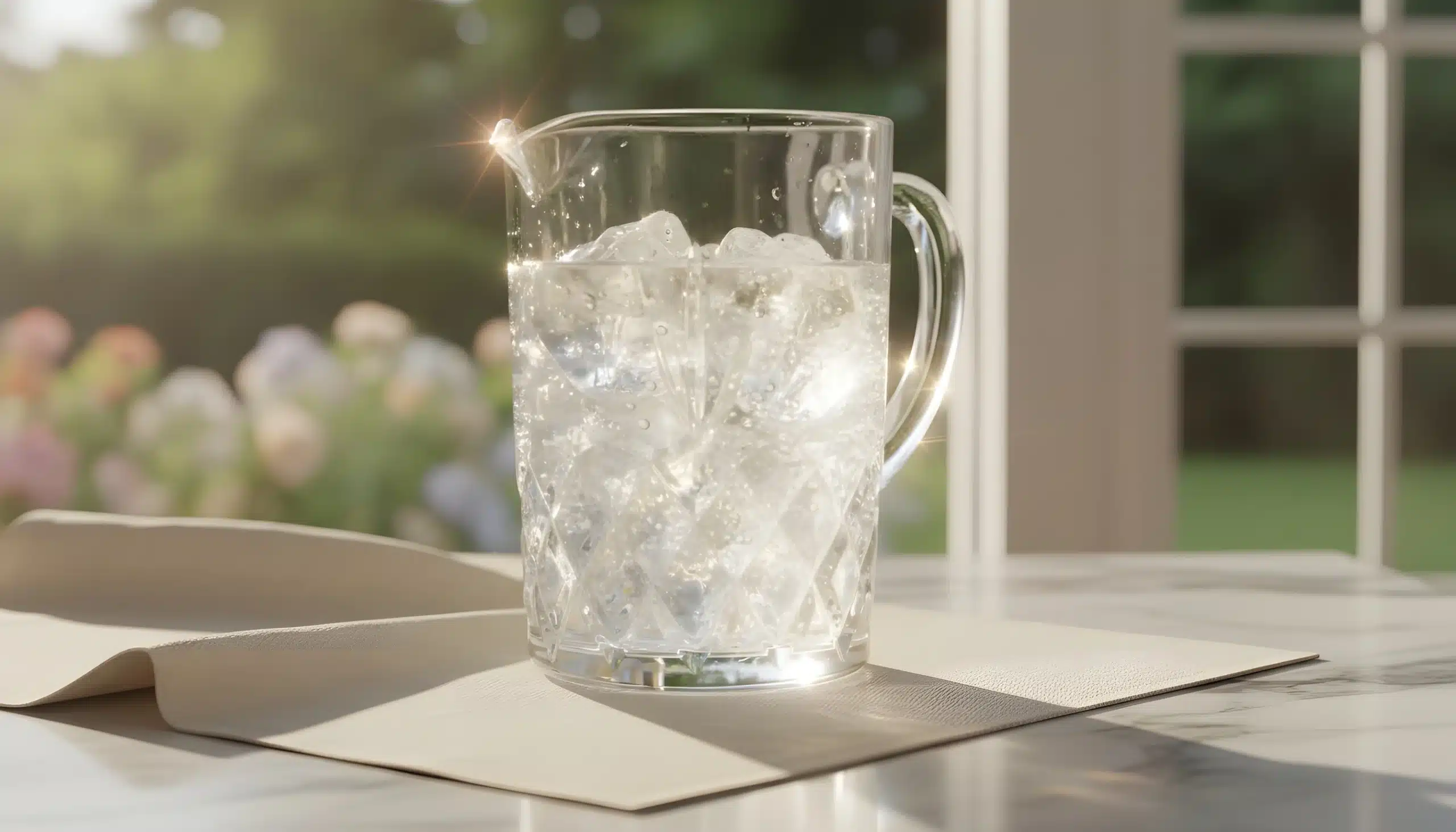
A birthday outing should feel enjoyable, not stressful. At Caremark, our care assistants can help older people feel ready, comfortable and supported before, during and after a special day out. This may include help with personal care, choosing an outfit, meal support, medication prompts or friendly companionship.
Would you like to learn more about the home care services we provide? Get in touch and discover how we can support you or someone you love. From live-in care to domiciliary care to personal care, we are here to help.
What To Read Next
- 7 Activities for the Elderly in the Evenings: Safe and Simple
- 5 Birthday Days Out Ideas for Older People
- Sundowning and Dementia – Causes and Support
- Bereavement: Understanding Your Emotions and Responses
- Games to Improve Memory and Mental Health Benefits
- Holidays for People with Disabilities: Accessible Travel Options
- Days Out for Seniors: Gentle and Joyful Experiences