

Small Home Adaptations That Can Make Everyday Life Easier for Elderly People
There’s no place like home. With the right tweaks, it can feel safer, easier and more comfortable every day. If you’re considering home adaptations for elderly loved ones or for yourself, small changes can make everyday life easier and don’t need to be costly or complicated. From brighter lighting to grab rails and helpful kitchen gadgets, these changes can be fitted quickly and tailored to you. Below, you’ll find practical ideas, how to choose what’s right, ways to fund them, and how Caremark can help you put everything in place with confidence.
Why Small Adaptations Matter and Who They Can Help
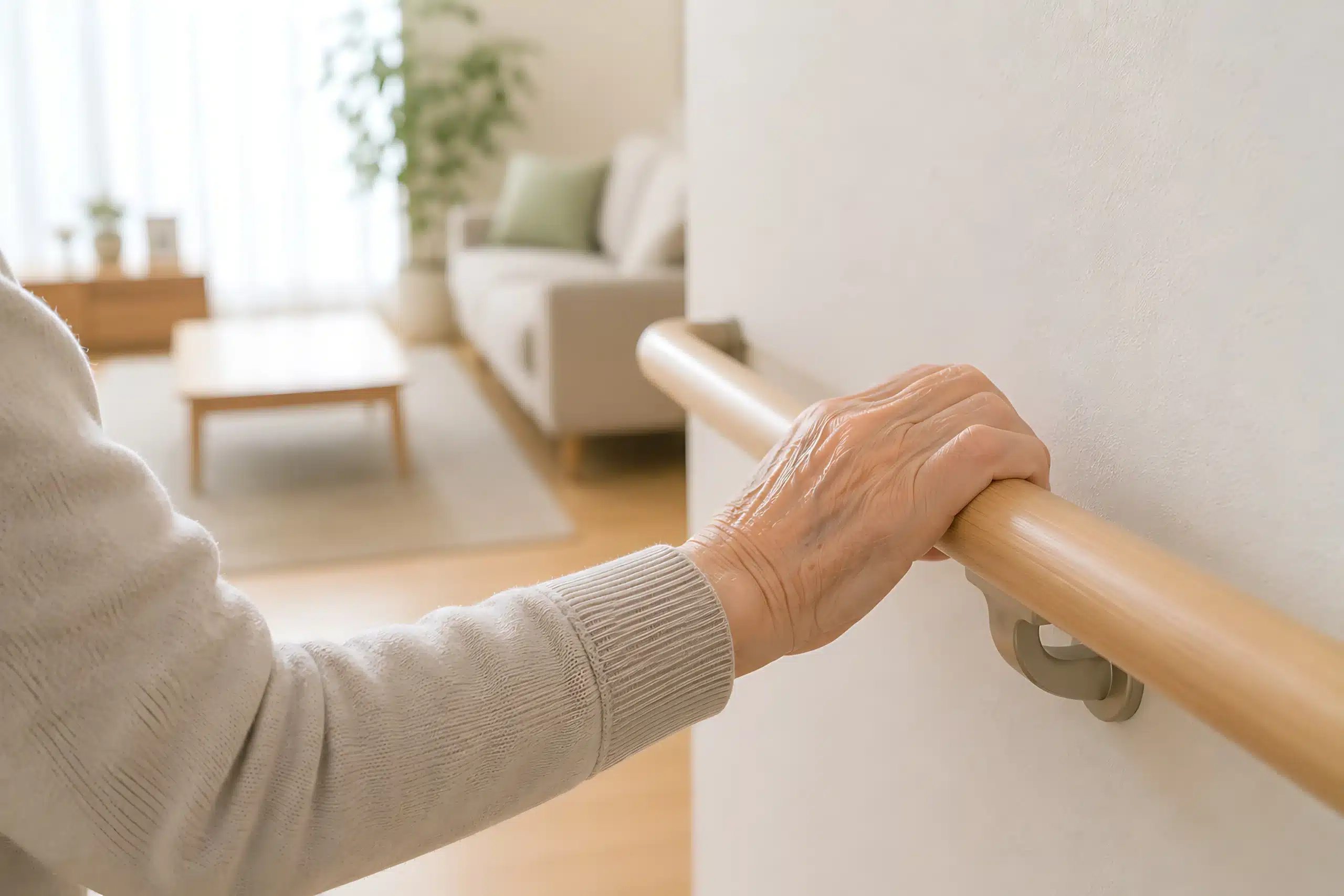
Everyday tasks can become harder due to reduced mobility, changes in vision, a weaker grip or memory difficulties. Simple home adaptations ease the strain and build confidence. Lever taps support tired hands, contrasting colours improve visibility, grab rails add balance, and clear prompts help with orientation. These small steps make moving around the home safer and more straightforward.
Small home adaptations that can make everyday life easier also reduce the risk of falls and can prevent avoidable hospital admissions. They lighten the load for family carers and complement care at home, helping people to do more between visits while preserving dignity and independence. They are particularly helpful as home adaptations for elderly customers and can be combined with sensible aids for older people to maintain daily routines.
Quick Wins: Room-by-Room Ideas to Make Life Easier
Many improvements are simple and deliver immediate benefits. Here are some easy ways to adapt a home, room by room.
Entrances and Hallways:
Fit secure handrails on steps, use non-slip thresholds to prevent trips, and add motion-sensor lighting for hands-free visibility. Keep walking routes free of clutter. Clear house numbers and a reliable doorbell help visitors and emergency services find you quickly.
Kitchens and Living Areas:
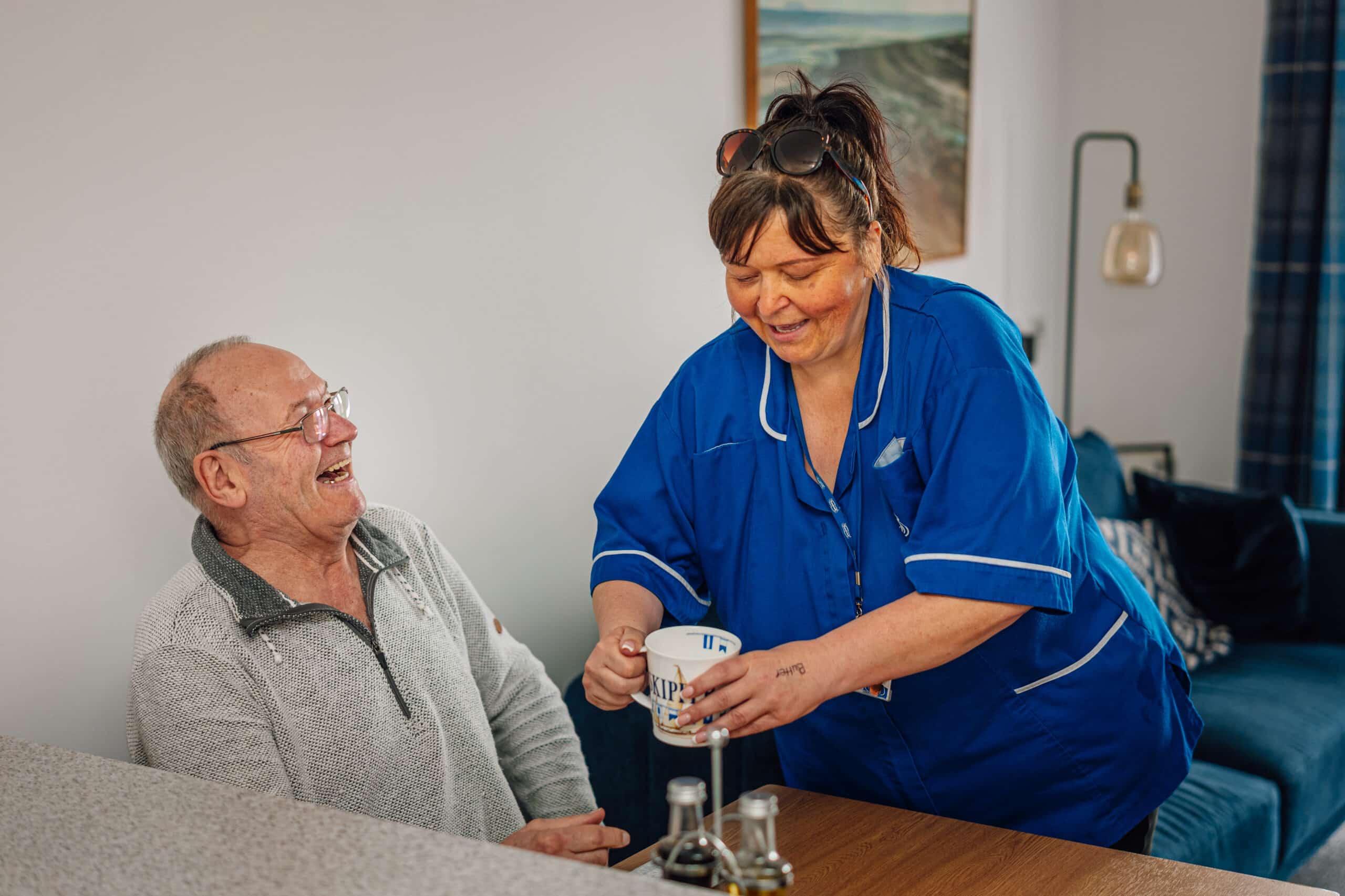
Install lever taps, choose easy-grip utensils, and use raised or easily accessible sockets to reduce bending. Tidy cables to keep walkways safe. Kettle tippers, perching stools, a one-cup boiler and heat-resistant gloves can make hot drink preparation steadier and safer. These are practical aids for older people that add confidence without fuss.
Bathrooms and Bedrooms:
Add grab rails near the toilet, bath or shower. Raised toilet seats reduce strain, while shower stools and handheld shower heads improve stability. Use non-slip mats and thermostatic controls to reduce scald risk. In bedrooms, consider bed risers or checking bed height, and add gentle night lighting to guide safe trips to the bathroom. These straightforward changes are especially useful as home adaptations for elderly loved ones.
Safety and Accessibility: Lighting, Flooring and Layout
Good lighting is one of the simplest ways to reduce trips and boost confidence. Aim for bright, even light using warm-white LEDs to minimise glare. Add task lighting for reading, cooking and stairways. Increase contrast between walls, floors and key features such as handrails, toilet seats and door frames to improve visibility, especially for people with sight loss or dementia.
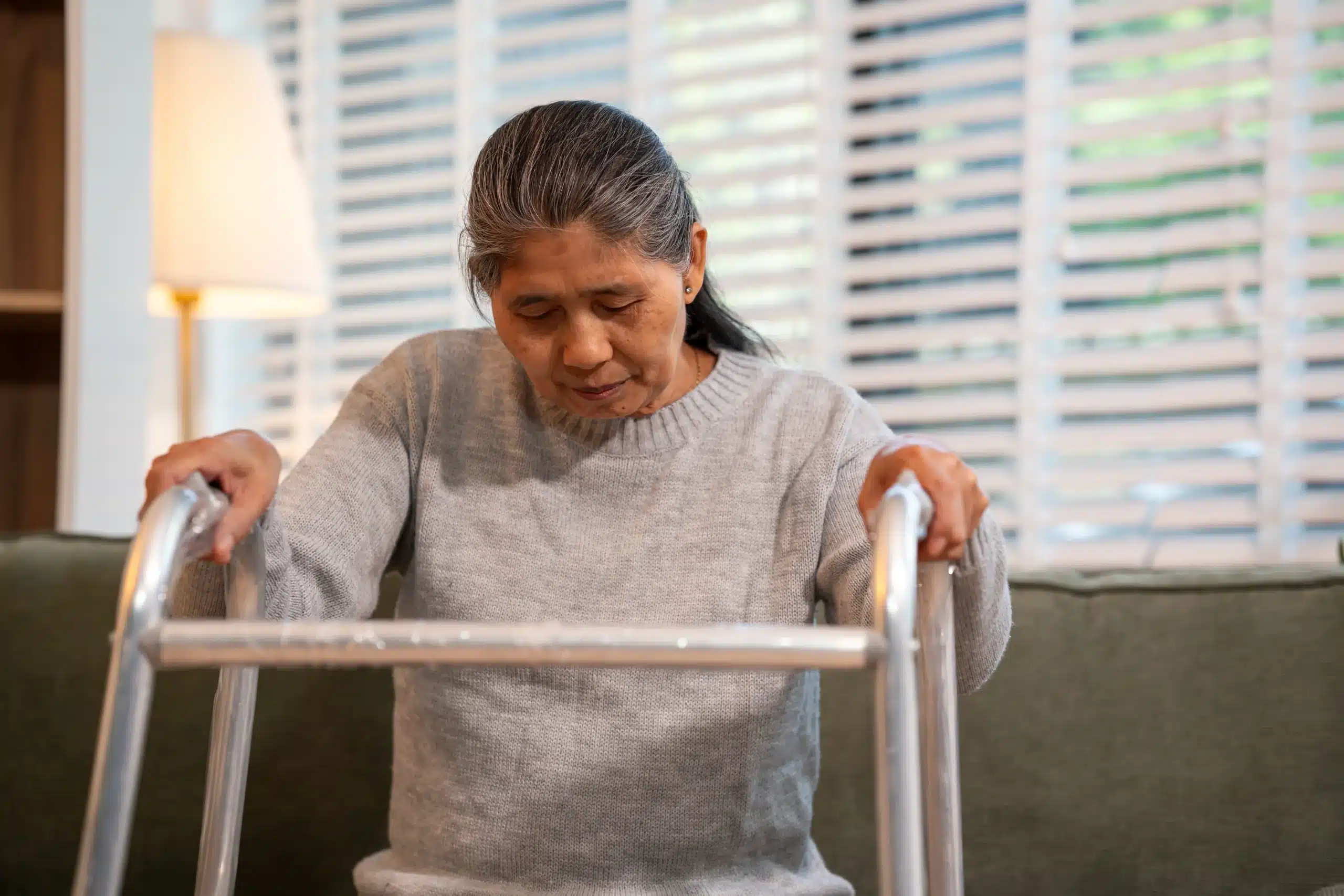
Flooring should support safe movement. Choose non-slip finishes in bathrooms and kitchens, and remove or secure loose rugs with anti-slip backing. Arrange furniture so there are wide, clear routes for walking frames or wheelchairs, and keep frequently used items at waist to chest height to reduce bending and reaching.
For memory and orientation, keep things simple and consistent. Use clear labels on cupboards and drawers, large-print calendars and clocks, and colour contrast to highlight important areas. Smart reminders such as voice assistants, medication dispensers with alerts and automated lights can prompt routines and increase safety. These are small home adaptations that can make everyday life easier without disrupting the look and feel of your home.
How To Get The Right Adaptations For Your Needs
If daily tasks are becoming harder, or you’ve had a fall, contact your local authority to request a care needs or occupational therapy assessment. You can expect practical advice, trials of simple aids for older people and guidance to suppliers or grants where available.
Try a Quick Self-Check at Home:
- Are stairs well lit, with secure handrails?
- Are floors clear, stable and non-slip?
- Are frequently used items within easy reach?
- Are bathroom supports such as grab rails in place?
- Is night-time lighting adequate from bed to bathroom?
- Are cables and rugs creating trip hazards?
- Are taps, switches and sockets easy to operate?
Caremark offers a free initial consultation to understand your goals, daily routines and any challenges. We’ll suggest appropriate ways to adapt a home, demonstrate safe use, and build ongoing support into your personalised care plan.
Funding and Paying for Small Home Adaptations
Many smaller items, such as grab rails, raised toilet seats and basic mobility aids, may be provided free or at low cost through local health and social care services following an OT assessment. Some equipment is available on loan. You can also choose to purchase items yourself, including motion-sensor lights, shower stools, perching stools or kettle tippers, from reputable retailers. These simple home adaptations for elderly family members can be very cost-effective.
When planning a budget, focus on high-impact changes that address your greatest risks. Common priorities include bathroom safety, lighting on stairs and landings, and non-slip flooring in wet areas. Set aside a modest amount for maintenance, such as tightening rails, replacing worn rubber feet on stools and checking bulbs and batteries. Periodic safety checks help ensure equipment remains reliable. If you’re unsure where to start, our team can guide you through the best-value aids for older people and small upgrades that make the biggest difference.
How Caremark Can Help
Hot weather can make daily routines harder, especially for someone who lives alone or has health needs. A Caremark care assistant can help keep older adults cool in hot weather by offering drinks, preparing light meals and closing curtains before rooms become too warm. They can also check for signs of heat stress and make sure the person feels safe and comfortable.
Our support is shaped around each person. Personal care can help with daily routines and wellbeing, while overnight care can offer reassurance and support throughout the night. Alongside our care services, simple home adaptations and adjustments to living spaces can help create a safer and more comfortable home environment.. Complex care can also support people living with long-term or specialist health conditions, helping them continue living comfortably and safely at home. Get in touch to learn how our local teams can help you or someone you love live well at home.
What To Read Next
- Am I a Carer? Support and Wellbeing Insights
- Summer Hydration Tips for Older Adults to Stay Safe
- Guide to Keep Older Adults Cool in Hot Weather Safely
- Older People Confident Outdoors With Care Assistant Support
- Understanding the 7 Stages of Lewy Body Dementia
- Picnic Ideas for the Elderly: Easy and Relaxing
- How Warmer Weather Can Lead to Dehydration in Older Adults
- 7 Activities for the Elderly in the Evenings: Safe and Simple