

The Benefits of Listening to Music at Home for Older People
There’s real power in a favourite song. The benefits of listening to music at home for older people include brighter moods, calmer evenings, and moments of shared joy. A well-chosen playlist can lift spirits, spark treasured memories and make daily routines feel easier. With a little thought, music can support health, independence and connection, especially for customers living with long-term conditions or memory loss. At Caremark, we see the advantage of music every day and we build it into care with warmth, safety and purpose.
Health and Wellbeing Through Music Appreciation Activities
Gentle, familiar tracks help ease stress and settle the body. Calming playlists can reduce tension, slow breathing, and support healthier blood pressure. Many customers find that quiet, soothing instrumentals in the hour before bed signal wind-down time and improve sleep quality. This is one clear benefit of listening to music in a peaceful evening routine.
Music appreciation activities also add energy to daily tasks. Upbeat but familiar songs provide a friendly nudge to get started with washing, dressing and light movement. A morning playlist with a steady beat can make chores feel more manageable and even enjoyable. For safe exercise at home, music with a clear rhythm supports pacing and consistency, helping to maintain mobility and balance. The advantages don’t end there; listening to music can distract from discomfort, relax tense muscles, and calm the mind.
Sleep Support
Quiet instrumentals 30–60 minutes before bedtime.
Energy for Routines
Steady, cheerful tracks for morning tasks.
Pain Management
Slow, soothing music as well as relaxed breathing.
Cognition and Emotion:
Memories, meaning and calm
Era-appropriate songs can unlock powerful memories. Music from a person’s teens and twenties often brings stories to the surface, supporting reminiscence with photo albums or keepsakes. For example, short, regular sessions of favourite music can prompt conversation and maintain cognitive engagement. These are lasting benefits of hearing music that go beyond the moment.
For people living with dementia, routine and rhythm are reassuring. A predictable playlist at the same times each day provides structure. Simple, well-known melodies reduce effort, making it easier to hum along, tap to the beat or join a sing-along. Music appreciation activities can smooth transitions too, for example by playing a calming track before mealtimes or personal care. With thoughtful choices, the advantage of music is clear: less agitation, more connection.
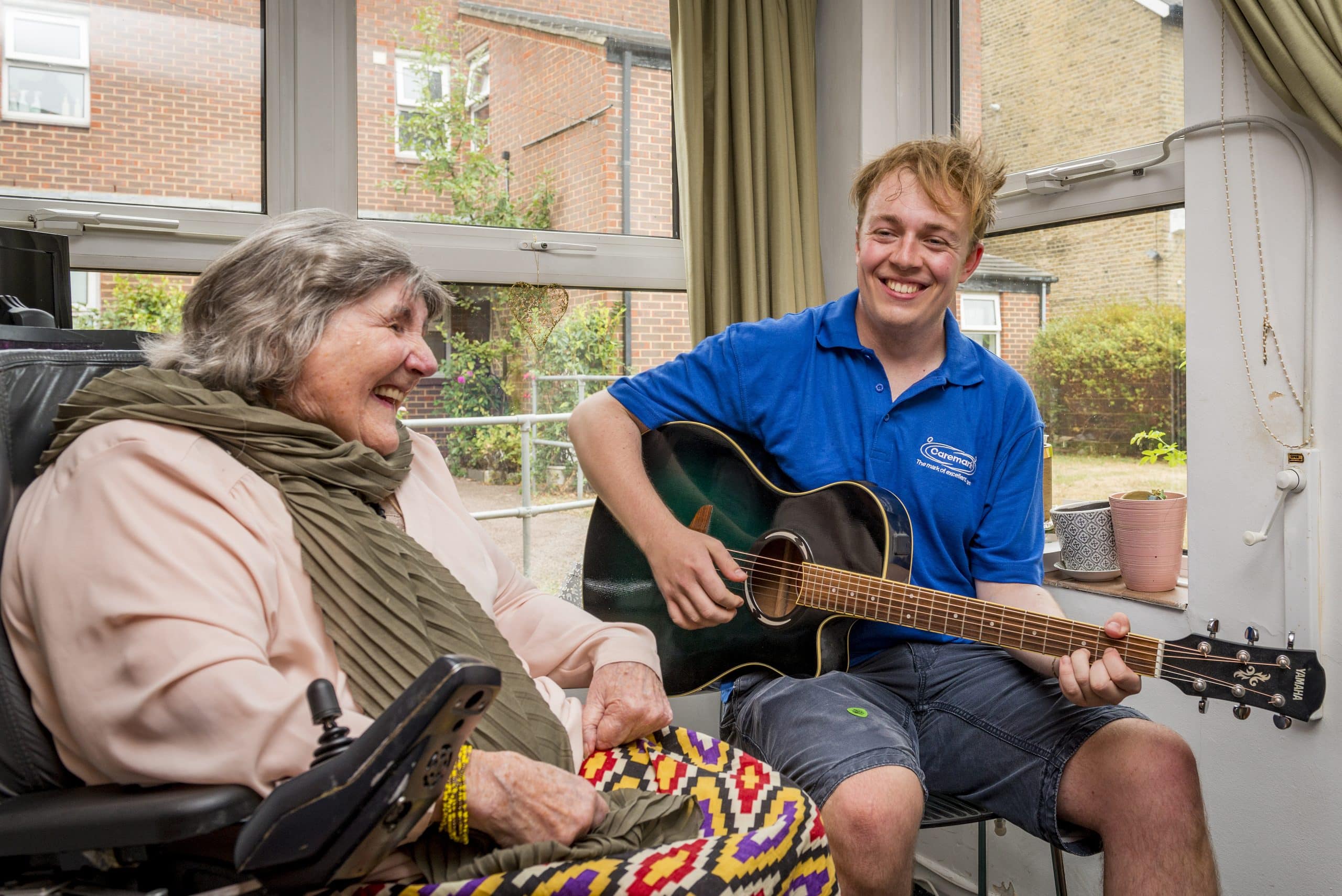
Keeping Social and Active with Home-Based Music Appreciation Activities
Music brings people together. Simple sing-alongs, toe-tapping and chair-based movement to a steady beat can be enjoyed safely at home. Short sessions of clapping as well as gentle upper-body movements encourage circulation, flexibility and coordination. Always use stable seating, suitable footwear and a clear space to reduce the risk of falls.
Shared playlists create lovely moments with family and friends. Take turns choosing songs, build a “family favourites” mix, or try a light-hearted “name that tune” on a video call. Mark birthdays, anniversaries, and faith celebrations with special tracks to add meaning and joy. These music appreciation activities are a practical way to enjoy the benefits of listening to music at home for older people, while strengthening bonds.
Practical Tips For Everyday Music Appreciation Activities at Home
- Keep sessions short at first and build up gradually.
- Pick familiar tracks with a steady tempo for safe movement.
- Position chairs with space around them and remove trip hazards.
- Create themed playlists for morning energy, afternoon relaxation, and evening wind-down.
- Use smart speakers or simple players with large buttons and clear labels for easy control.
- Keep volume comfortable; if using hearing aids, place speakers slightly to the side to avoid feedback.
- Rotate playlists now and then to keep interest while keeping trusted favourites.
- Notice which songs lift mood, aid focus or support rest, and use them purposefully.
These small steps make every benefit listening to music offers easier to enjoy day to day. They also create space for regular music appreciation activities that fit naturally around meals, rest and visits.
How We Build Music Into Thoughtful Home Care
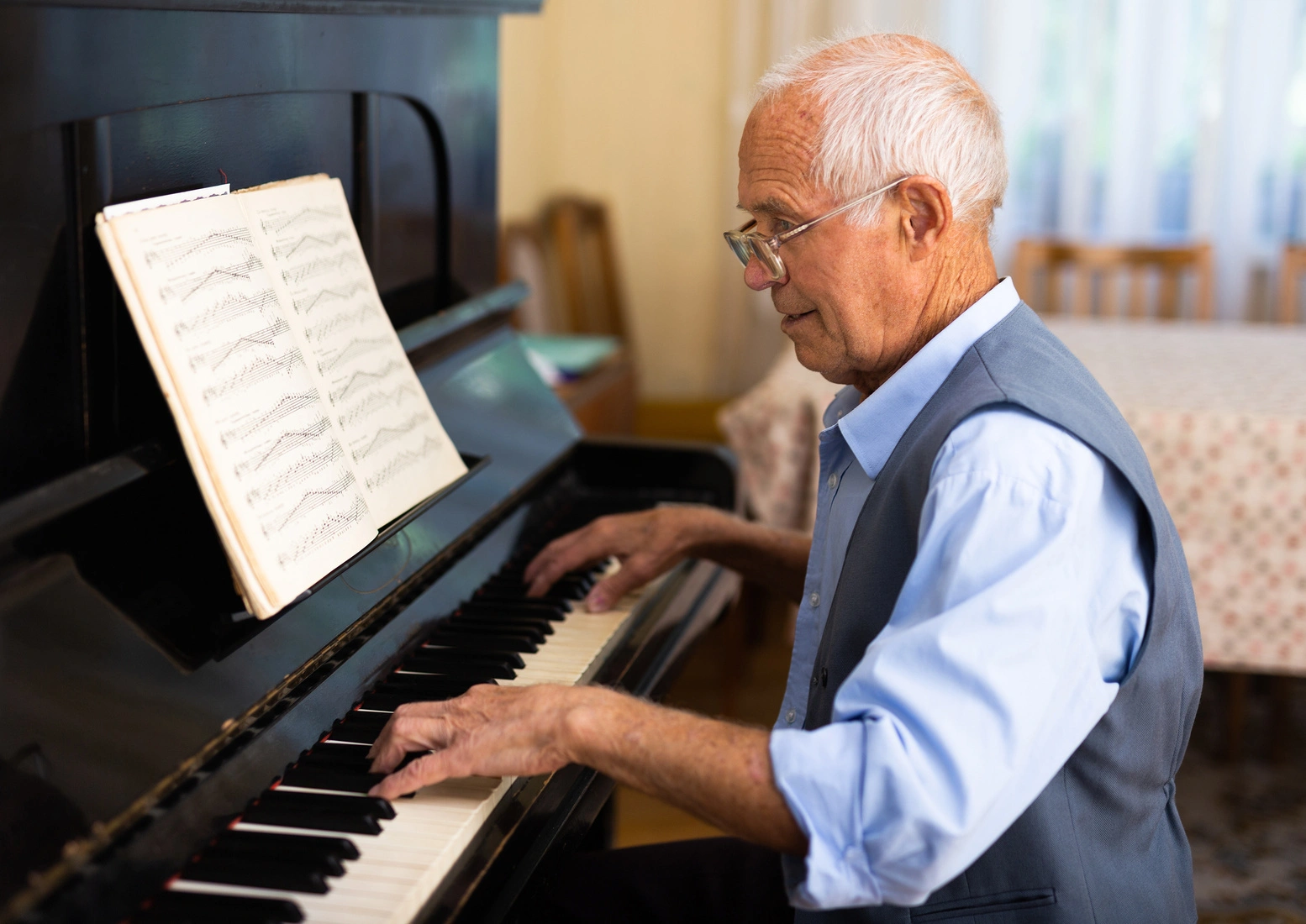
At Caremark, our Care Assistants can support older people to experience the wellbeing benefits of music appreciation activities from the comfort of their own home. Whether it’s listening to favourite songs, singing along to familiar tunes, exploring new music, or sharing musical memories together, these activities can encourage conversation, boost mood, stimulate the mind, and create meaningful moments of connection.
Would you like to learn more about the elderly care we provide? Get in touch and discover how we can support you or someone you love. From live-in care to domiciliary care to complex care, we are here to help people stay independent, active, and connected in the place they love most..
What To Read Next
- Offline Games to Play with Elderly Loved Ones
- The Impact of Loneliness on Physical Health Explained
- Home Adaptations for Elderly: Safe Living Ideas
- Am I a Carer? Support and Wellbeing Insights
- Summer Hydration Tips for Older Adults to Stay Safe
- Guide to Keep Older Adults Cool in Hot Weather Safely
- Older People Confident Outdoors With Care Assistant Support
- Understanding the 7 Stages of Lewy Body Dementia