

The Silent Struggle of Loneliness in The UK: Understanding, Supporting, and Staying Connected
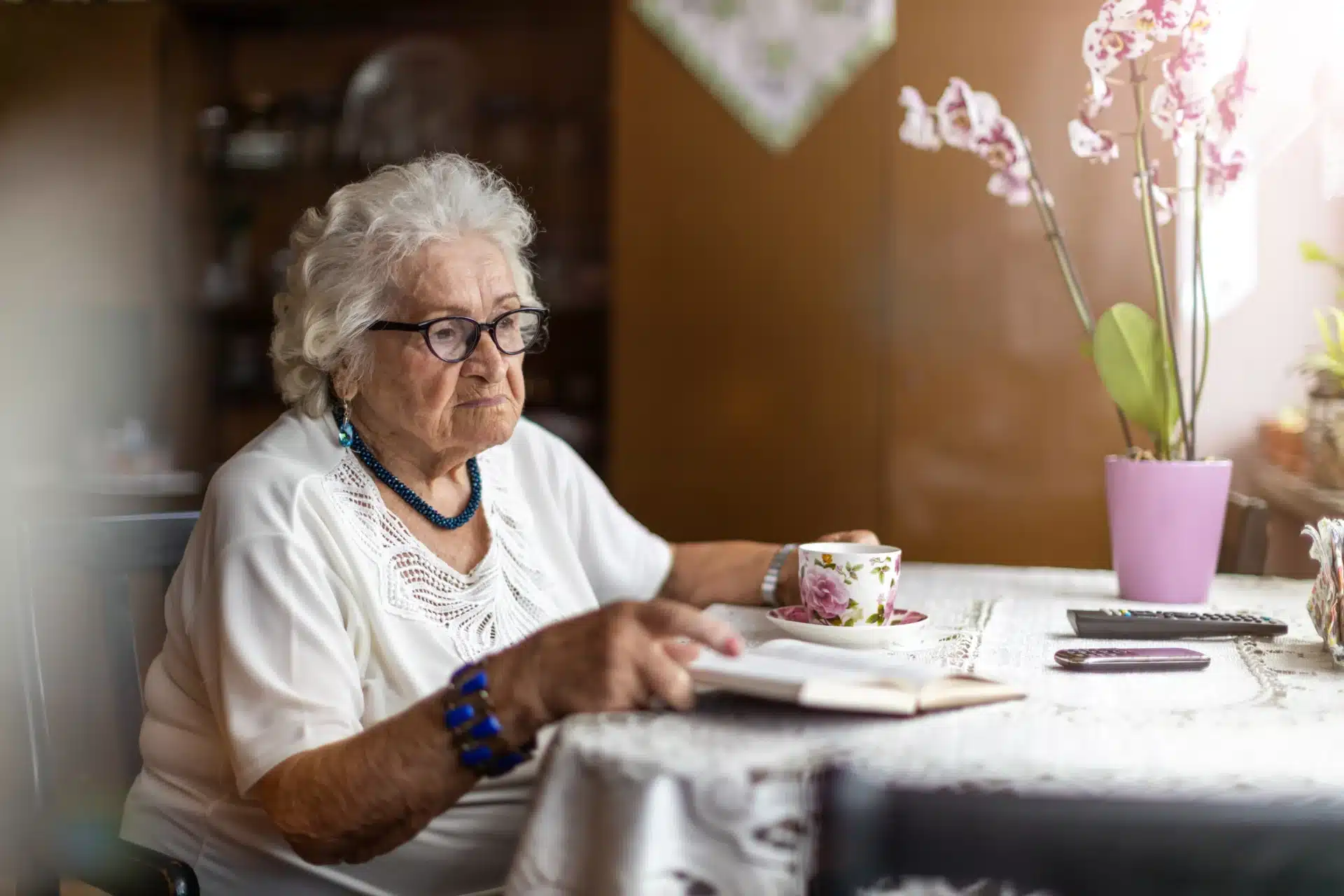
Loneliness touches millions of people. The silent struggle of loneliness in the UK is often hidden, yet deeply felt. It is not just being on your own; it is the distress that comes when the connection you want does not match the connection you have. Issues of loneliness and health in the UK are more widespread than many people realise. Talking about it openly and knowing how to respond can make a real difference for you, your family, and your community.
At Caremark, we see the impact every day. We also see how small, consistent acts of kindness and companionship can ease the feeling of loneliness and rebuild confidence. There is hope, and there is help.
What Loneliness Is and Why It Matters
Loneliness is a personal, subjective experience. You can feel lonely in a crowd, and you can be alone without feeling lonely. It differs from social isolation, which is a measurable lack of contact. Emotional loneliness comes from missing a close bond, while social loneliness is about not having a wider circle to rely on. Both forms can occur together, and both deserve care and attention.
Loneliness and health in the UK are closely linked. In the short term, feeling lonely can lead to anxiety, low mood, and disrupted sleep. Over time, the feeling of loneliness is associated with depression, cognitive decline, stress, and cardiovascular problems. It can also influence daily habits, making it harder to eat well, stay active, and keep appointments. That is why loneliness and health in the UK are a growing focus for communities, carers, and health services alike.
Anyone can be affected. Common triggers include bereavement, retirement, moving home, remote working, and changes in health or mobility. Caring responsibilities, accessibility barriers, and financial pressures add to the strain. Moments like being lonely at Christmas can amplify the silent struggle of loneliness in the UK, but support is available all year round.
Spotting Signs, Understanding Causes, and Overcoming Barriers
Signs Can Be Subtle. Look For:
- Withdrawing from contact or changes in daily routine
- Neglecting self-care as well as household tasks
- Loss of confidence, irritability, or low energy
- Cancelled plans, missed calls, or declining invitations
Life events often sit behind the feeling of loneliness. For example, health changes that limit mobility, a change in work pattern, or relationship shifts can reduce everyday interactions. Even positive changes, like a new job or new baby, can disrupt routines and leave people feeling disconnected. Being lonely at Christmas, after a hospital stay, or during anniversaries can intensify those emotions.
Stigma and practical barriers can stop people seeking help and continue to impact loneliness and health in the UK. Many worry they will be judged. However, others face transport challenges, costs, caring duties, or simply do not know what is available locally. To overcome these barriers, we need to normalise the conversation and make support easy to access.
- Plan small, regular social moments, such as a short walk or a quick call
- Ask for help with transport or accessibility if mobility is a concern
- Explore free or low-cost activities and local groups
- Use trusted digital tools to keep in touch, while balancing online and face-to-face time

Practical Ways To Reduce Loneliness and Improve Health Day to Day
Purposeful, manageable actions work best for improving loneliness and health in the UK. For example, a simple routine with regular contact builds confidence. Shared activities create meaning and connection, helping to ease the feeling of loneliness and improve everyday wellbeing.
Start small: a hello to a neighbour, a brief chat with shop staff, or a regular call with a friend. Shared interests such as music, crafts, pets, local history, make conversation easier. If you are feeling lonely, remember that small steps count. When the silent struggle of loneliness in the UK feels heavy, tiny moments of connection can light the way.
Getting Support: Next Steps with Caremark
Arranging support is simple and without obligation. Contact your local Caremark office to book a home-based assessment. We listen to what matters to you, understand your daily routines and goals, and propose a personalised plan. You can meet a Care Assistant before care begins, and we review the plan regularly to keep it working well for you.
There are different ways to fund care. Many families self-fund, while others receive help from their local authority after a care needs and financial assessment. Short-term and respite companionship is available if you need temporary support after a hospital stay, during life changes, or to give family carers a break.
Safety and quality come first. Our locations are regulated, and our teams receive training in dignity, safeguarding, and mental wellbeing. We follow clear policies for confidentiality, professional boundaries, and risk management, so you can feel confident that care is respectful, consistent, and designed to enhance everyday life.
- Home-based assessment tailored to individual needs
- Transparent funding options and clear information
- Ongoing reviews to adapt care as circumstances change
- Commitment to safeguarding, privacy, and high standards
If you are feeling lonely, you are not alone. The silent struggle of loneliness and impact on health in the UK is real, but it does not have to define your days. Reach out to Caremark. Together, we can build the connections that help you feel at home, confident, and supported today and for the long term.
How Caremark Can Help to Reduce Loneliness and Improve Health in the UK
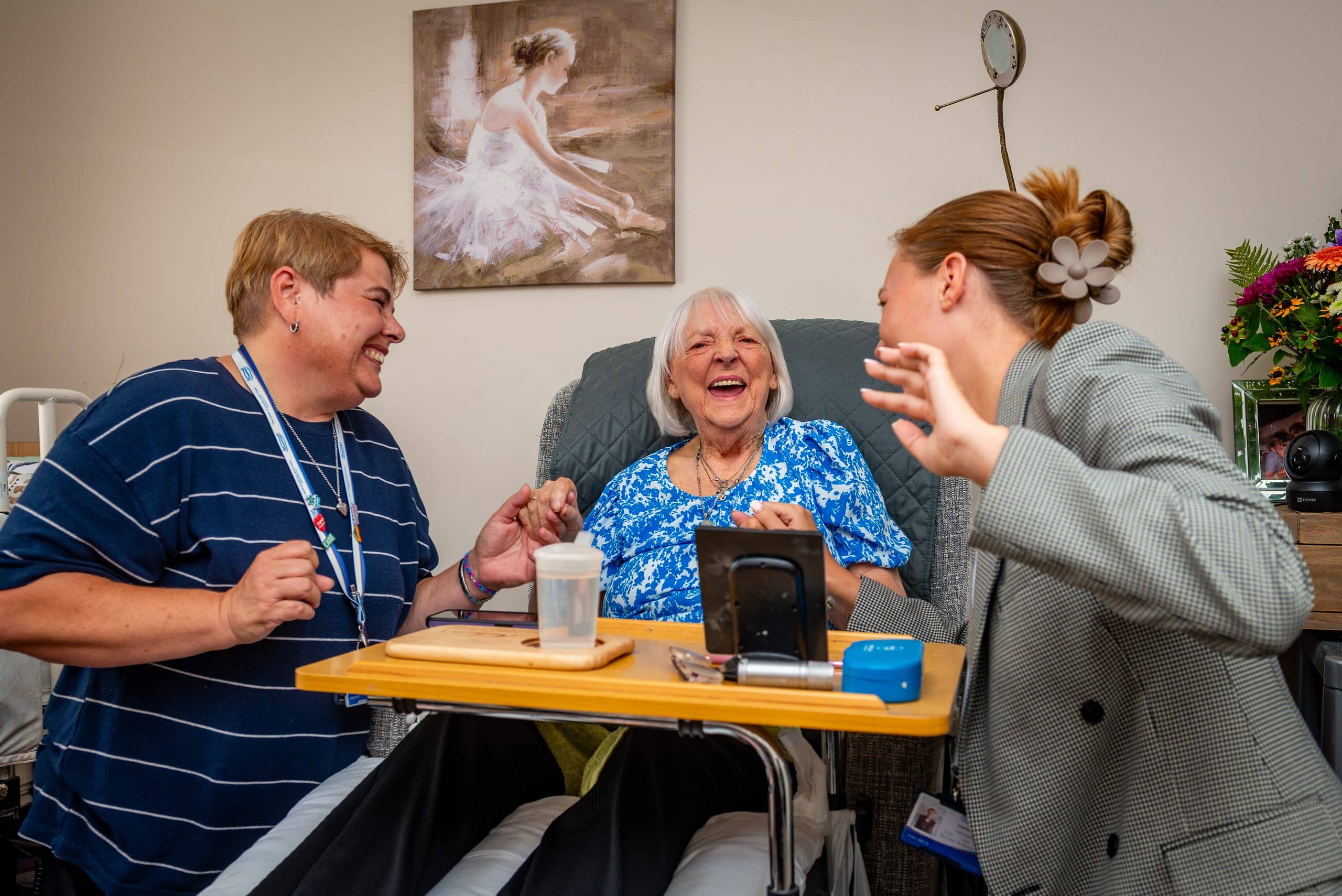
Loneliness is a growing concern for many older people across the UK and can have a significant impact on overall wellbeing. Staying socially connected, maintaining regular routines and having opportunities for meaningful interaction can help reduce feelings of isolation and support a greater sense of purpose, confidence and independence. Even small moments of connection can make a meaningful difference to everyday life.
Support is based on each person’s needs, pace and interests. Companionship care can provide regular visits, conversation and meaningful engagement tailored to individual interests. Respite care can help ensure both older people and their family carers receive the support they need, helping to maintain important social connections and routines. Alzheimer’s and dementia care can also provide personalised support that promotes reassurance, social engagement and quality of life.
Get in touch to learn how our local teams can help reduce loneliness and support wellbeing in later life.
What To Read Next
- Low-Maintenance Garden Ideas for the Elderly at Home
- The Best Fruits and Vegetables to Eat for Seniors
- Music Appreciation Activities for Health and Happiness
- Offline Games to Play with Elderly Loved Ones
- The Impact of Loneliness on Physical Health Explained
- Home Adaptations for Elderly: Safe Living Ideas
- Am I a Carer? Support and Wellbeing Insights
- Summer Hydration Tips for Older Adults to Stay Safe
- Guide to Keep Older Adults Cool in Hot Weather Safely