

The Emotional Impact of Dementia on Families
You may still speak to your parent each evening, yet notice that they no longer ask about your day. Or you may miss the easy conversations you once shared with your partner. The emotional impact of dementia often becomes clear in these small moments. Love can sit alongside sadness, worry, frustration and guilt. Understanding those feelings can help families find support and stay close as life changes.
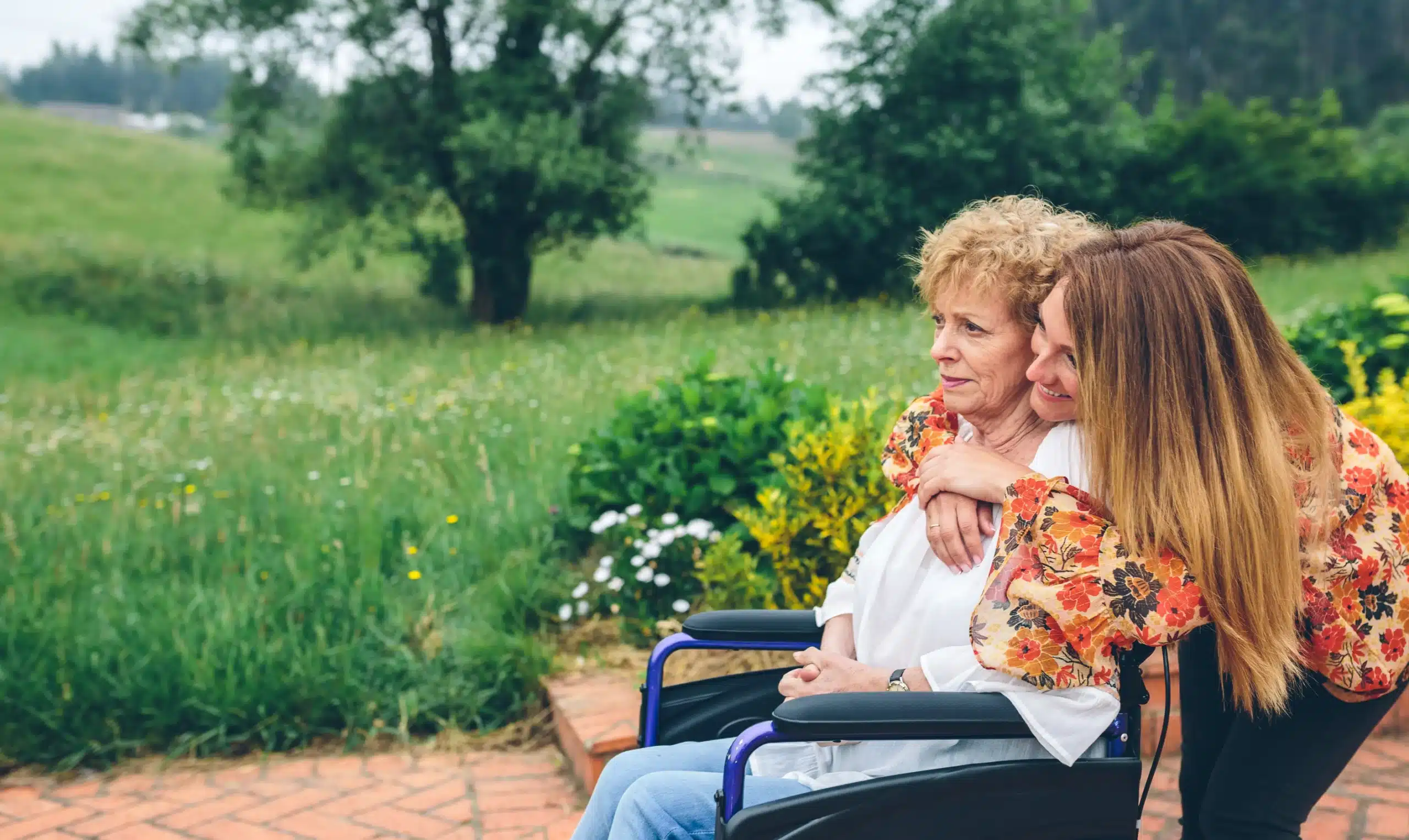
Understanding the Emotional Impact of Dementia
A diagnosis can bring mixed feelings, even when you have suspected dementia for some time. There may be shock, but also relief at having a reason for changes you could not explain.
Feelings can shift as daily life changes. Worry about the future may give way to pleasure when someone enjoys a familiar hobby. A hard morning can still include a shared joke.
There can be loneliness, too. You may miss having someone to share a worry with, even when you spend much of the day together. Talking with a trusted friend can give you space to express what you miss.
The person with dementia has their own feelings about these changes. Ask what worries them and what matters to them. Give them time to answer and keep them involved in choices about their care.
Making Sense of Grief and Guilt
Grief can begin long before a bereavement. You might miss asking your dad for advice, or feel sad about plans you had made together. Alzheimer’s Society explains how grief can arise as dementia changes a relationship.
These feelings can sit beside love, laughter and pleasure in each other’s company. Having a good afternoon does not make your sadness less real.
Feelings of guilt can be just as painful. Perhaps you wish you had spotted changes sooner. You might replay an impatient reply, or feel uneasy about enjoying time away.
When guilt returns, try talking about the event behind it. Was there enough help? Had you slept? Naming what you needed can make it easier to ask for support.
When Family Roles Begin to Change
SA partner may start managing meals, money and appointments. An adult child may become the person everyone calls when a problem arises. Much of this work happens between visits, through phone calls, forms and planning.
A relative who visits for an hour may see a different picture from someone managing broken nights. This can cause tension when you discuss how much help is needed. Describe a typical day, including the phone calls and planning. Agree who can handle specific tasks and review the plan as needs change.
Children may also notice that a grandparent seems different. Explain dementia in words that suit their age and invite questions. Reassure them that they have not caused the changes. Shared activities, such as drawing or watering plants, can help you spend time together.
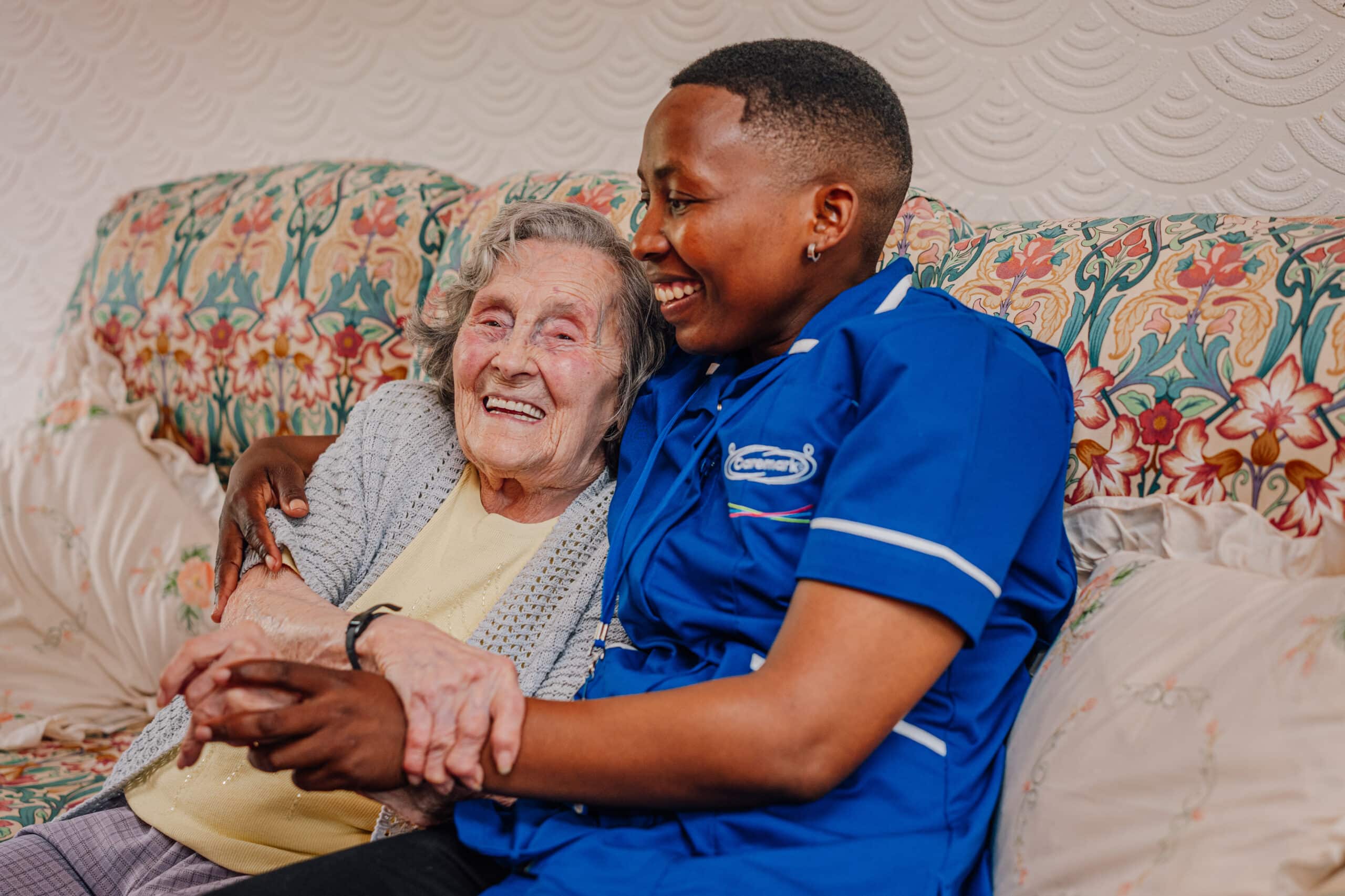
Staying Close as Communication Changes
A visit can start to feel like a test when every question asks someone to remember. Take some pressure off by commenting on a photograph: “That beach looks lovely.” Allow the person to respond in their own way.
As communication changes, give conversations time. If words are difficult, try listening to music, folding towels or sitting in the garden together. Follow the person’s interests and notice whether they seem comfortable.
If the person seems distant or upset, they may be tired, frightened or struggling to express a need. It can still hurt. Talking with someone you trust can help you make sense of that experience.
A smile, a relaxed posture or a shared laugh may offer a moment of closeness. You can still value time together even when it feels different from before.
Sharing the Load and Taking a Break
Advice to “take a break” can feel hollow when nobody is available to take over. Start with a clear request to someone you trust:
- “Could you stay on Tuesday while I see a friend?”
- “Could you arrange the shopping each week?”
- “Could you take responsibility for booking appointments?”
Agree on what support you need while you are away. If family or friends cannot help, ask about local carer services or planned care visits.
Looking after your own health matters too. Keep your health appointments and tell your GP about your caring role. Ask your local council about a carer’s assessment and support in your area. You deserve help with the things that make rest, regular meals and time with friends possible.
Finding Someone Who Understands
A local carers’ group or memory café can offer company without having to explain everything from the beginning. Online groups may suit you if getting out is difficult.
Dementia UK’s specialist Admiral Nurses can help families talk through difficult feelings and care concerns. Alzheimer’s Society also offers dementia advice and support. You can ask for help while you are still working out what you need.
If sadness, anxiety or poor sleep persists or affects daily life, speak to your GP. They can help you explore support, including counselling or other talking therapies.

How Caremark Can Help with the Emotional Impact of Dementia
Caremark provides person-centred dementia care at home. We begin by getting to know the person: their daily habits, interests and the things they want to keep doing for themselves.
Our trained care assistants can help with personal care, meals, medication prompts and companionship. Support can include familiar activities and everyday routines, with care reviewed as needs change.
For families, sharing practical care can create time to rest, work or enjoy a visit together. Respite care can also give family carers a planned break, with support matched to the person’s needs.
Speak to your local Caremark team about the support available. We will listen to what matters to your family and help you consider care that respects your loved one’s dignity and independence.
What To Read Next
- Understanding Dementia: A Beginner’s Guide
- Creating a Dementia-Friendly Home
- Guide to Advanced Dementia
- Understanding the 7 Stages of Lewy Body Dementia
- Sundowning and Dementia – Causes and Support
- Learn About the 7 Stages of Frontotemporal Dementia
- Caring for Someone with Dementia at Home
- Discover the Benefits of Palliative Care for Patients with Dementia
- Joyful Minds: The Best Games for Dementia Patients
- What Are the Main Causes of Dementia?
- Alzheimer’s vs Dementia: What’s the Difference?
- 5 Winter Activities for People with Dementia
- 10 Ways Dementia May Present Near Life’s End
- Reducing Loneliness in Dementia Patients
- What is Dementia?