

Seasonal Affective Disorder in Older Adults: Signs and Support
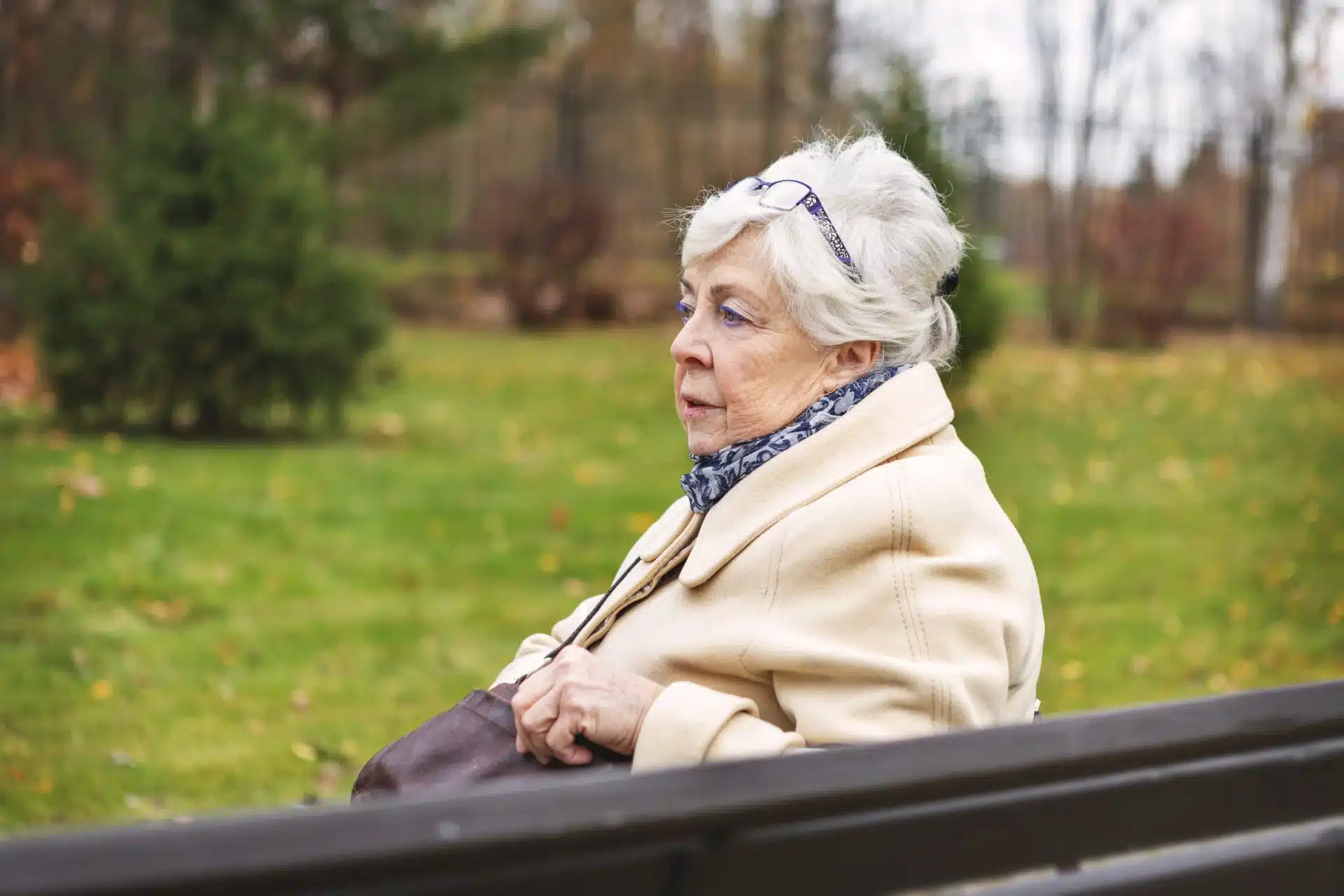
There’s no place like home for feeling safe and well. When winter draws in, some people notice a real change in their mood and energy. Seasonal affective disorder in older adults can look different to how it appears in younger people, and it’s often missed. This friendly guide explains seasonal affective disorder in older adults: signs and support, how to spot SAD symptoms, and simple, practical steps to help. You’ll also see how Caremark’s warm, professional home care can brighten each day.
What is SAD and Why Does It Happen?
SAD, or seasonal affective disorder, is a form of depression that follows the seasons, typically starting in autumn and easing in spring. It’s more than a dip in mood. SAD symptoms last for weeks, return at a similar time each year, and get in the way of daily life. Shorter days can upset the body’s internal clock and affect brain chemicals linked to mood and sleep.
In later life, the picture isn’t always obvious. Instead of sadness, you might see quiet withdrawal, slower movement or thinking, daytime napping, or simply “not quite themselves”. Health conditions, medicines, and changes in routine can blur things. That’s why it’s helpful to look for patterns across the seasons and keep an eye on the symptoms of SAD over time.
Signs and Symptoms to Look For
The core sad symptoms mirror depression but follow a seasonal rhythm. Common signs include:
- Low mood most of the day, most days
- Loss of interest or pleasure in usual activities
- Tiredness and low energy
- Sleep and appetite changes, such as sleeping more with cravings for carbohydrates, or poor sleep and reduced appetite
In older adults, you may also notice reduced motivation for daily tasks like washing, dressing, or preparing meals; avoiding calls or visits; and more difficulty with memory or concentration in winter. These sad symptoms can be subtle and are sometimes put down to ageing, so timing matters.
Red flags that need urgent attention include thoughts of self-harm, a rapid decline in personal care, significant unintentional weight change, marked sleep disruption, or new or worsening confusion. If these appear, contact a GP or urgent care service straight away.
Causes, Risks and When to Seek Help For Seasonal Affective Disorder in Older Adults
Less daylight can throw off the sleep–wake cycle and influence the hormones that regulate mood and alertness. Vitamin D levels may also dip in winter. In later life, factors that can raise risk include long-term health conditions, bereavement, isolation, reduced mobility, and vision problems that make outdoor activity harder. Limited access to green space and shorter time outdoors add to the challenge.
Speak to a GP if low mood, fatigue, or sleep changes last for two weeks or more, or if the symptoms of SAD recur at the same time each year. A GP can rule out other causes, such as thyroid issues or anaemia, and discuss treatment options. If there’s any immediate risk of self-harm, seek help without delay.

Treatments and Self-Care That Make a Difference to Seasonal Affective Disorder in Older Adults
Good news: SAD seasonal affective disorder is treatable. Support can be tailored to the person and their health needs:
Talking Therapies
For example, cognitive behavioural therapy (CBT) helps people understand thoughts and behaviours linked to seasonal mood changes and build coping strategies.
Light Therapy
This method, using a medically approved light box, usually in the morning, may help reset the body clock. Always discuss with a clinician, especially if there are eye conditions.
Medication
For example, antidepressants can be helpful for moderate to severe sad symptoms, under medical guidance.
Simple routines help too. Keep regular sleep and wake times. Seek safe morning daylight; even 10–20 minutes outdoors earlier in the day can help. Stay active with gentle movement like short walks, stretching or chair-based exercises. Plan enjoyable, structured activities to bring purpose to the day.
A supportive home environment matters. Eat regular, balanced meals, keep hydrated, and limit alcohol. Maintain social contact through calls, visits, or community groups. Hobbies such as reading, puzzles, crafts or music can lift mood. A mood and sleep diary can spot patterns and is useful to share with your care team when discussing the symptoms of SAD.
Practical steps for families and carers
Start the conversation early and with empathy. Seasonal affective disorder in older adults: signs and support should be discussed openly. Acknowledge that SAD is real and treatable. Ask gentle questions about sleep, appetite, energy and interests. Agree on small, achievable steps and celebrate progress.
Make the home SAD-aware. Let in morning light by opening curtains and sitting near windows. Consider approved light devices if recommended. Keep the home warm and comfortable, and set a predictable daily routine with regular meals and activities. Plan winter daylight outings, arrange transport, and line up social opportunities ahead of time.
Work together with Caremark and healthcare teams. Share a simple diary of sad symptoms and mood, review goals regularly, and update plans as the season shifts. Ensure medicines are reviewed, and appointments for therapy or light treatment are clear. With shared insight and gentle consistency, seasonal affective disorder in older adults becomes easier to manage.

How Caremark Can Help With Seasonal Affective Disorder in Older Adults
Seasonal affective disorder (SAD) can affect many people during the autumn and winter months and may have a significant impact on overall wellbeing. Shorter days, reduced sunlight, and changes to daily routines can contribute to low mood, tiredness, and a loss of motivation. Staying socially connected, maintaining regular routines and finding opportunities for meaningful activity can help support emotional wellbeing throughout the colder months. Even small moments of connection, reassurance and support can make a meaningful difference to everyday life.
Support is based on each person’s needs, pace and interests. Companionship care can provide regular visits, conversation and meaningful engagement tailored to individual interests. Respite care can help ensure both older people and their family carers receive the support they need, helping to maintain positive routines and overall wellbeing during the changing seasons. Alzheimer’s and dementia care can also provide personalised support that promotes reassurance, social engagement and quality of life.
Get in touch to learn how our local teams can support wellbeing and help people stay connected, comfortable, and independent throughout autumn and winter.
What To Read Next
- Celebrating Halloween with Elderly Loved Ones in Comfort
- Staying Connected During Rainy Days at Home
- Loneliness and Health in the UK: Finding Solutions
- The Benefits of Home Care for Older Adults
- Improve Mental Health in Elderly for Better Well-Being
- Low-Maintenance Garden Ideas for the Elderly at Home
- The Best Fruits and Vegetables to Eat for Seniors
- Music Appreciation Activities for Health and Happiness
- Offline Games to Play with Elderly Loved Ones
- The Impact of Loneliness on Physical Health Explained
- Home Adaptations for Elderly: Safe Living Ideas
- Am I a Carer? Support and Wellbeing Insights
- Summer Hydration Tips for Older Adults to Stay Safe