

Practical Tips To Improve Mental Health in The Elderly
There’s no place like home for feeling safe, calm and connected. With the right routines, warm company and a little encouragement, many older people continue to flourish. Here are caring, practical tips to improve mental health in the elderly, alongside the ways Caremark can help you put steady support in place. We keep things simple, personal and reliable, so you or your loved one can feel more confident day to day.
Understanding Mental Health in Later Life
Emotions change as we age. Low mood, anxiety, loneliness and depression can show up differently in later life. You might notice more sleep, less interest in favourite activities, or a stronger focus on aches and pains. Anxiety can look like restlessness, worry about health or money, or reluctance to leave home. These emotional changes in late adulthood can be gentle or sudden, and long-term pain, sensory loss or side effects from medication can blur the picture. Kind observation really helps.
Risks include long-term conditions, unmanaged pain, bereavement, isolation, financial pressure and big life changes such as retirement or moving home. Protective factors are strong relationships, predictable routines, nourishing food, good sleep, regular movement and purposeful hobbies. Understanding older adulthood emotional development makes it easier to spot what supports wellbeing and what might be getting in the way.
Please seek help if low mood or anxiety lasts more than two weeks, affects daily life, or you notice self-neglect, confusion, medication difficulties or any thoughts of self-harm. Your GP can arrange checks, review medicines and refer to talking therapies. Caremark can guide families to the right services, work alongside health professionals and provide caring, day-to-day help at home to improve mental health in elderly loved ones.
Daily Habits That Improve Mental Health and Resilience
A balanced routine steadies mood and builds confidence. Aim for regular sleep and wake times, a gentle wind-down and a comfortable, clutter-free bedroom. Support nutrition with regular, nourishing meals, protein-rich snacks and plenty of fruit and veg. Keep hydrated with water, tea or diluted juice; favourite cups and simple prompts can make a big difference. Tailored movement such as walking, chair-based exercises, tai chi or light stretching can lift mood, improve sleep and support balance. These are simple, proven tips to improve mental health in the elderly that fit naturally into daily life.
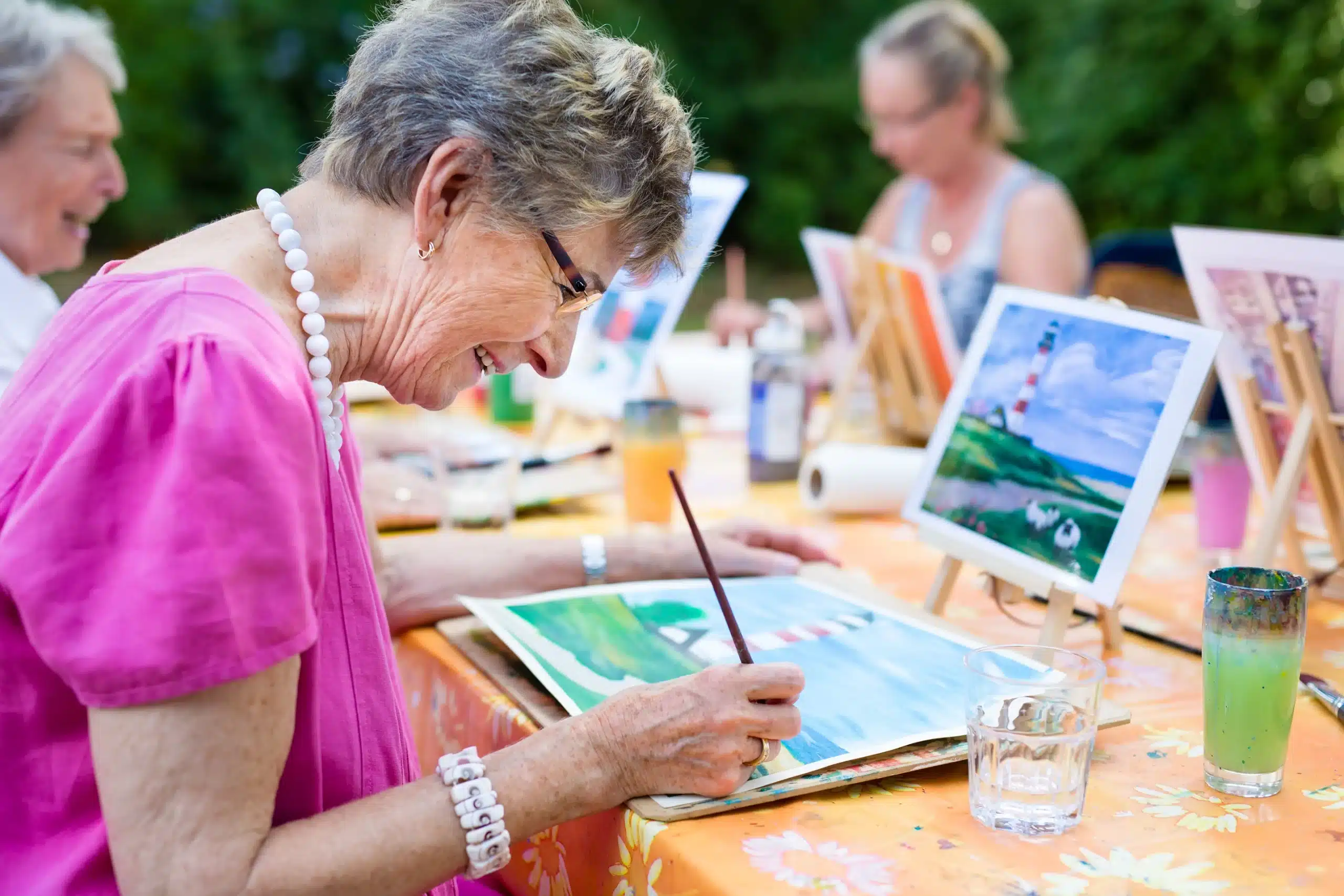
Cognitive stimulation and purpose protect brain health and wellbeing. Try reading, puzzles, crafts, gardening, music or baking. Local classes, U3A groups and online learning can bring fresh motivation. Volunteering, mentoring or sharing skills with family and community adds meaning and fosters gentle social contact, which supports emotional changes in later adulthood in a positive way.
Connection matters. Arrange regular chats with friends and family by phone or video call. Explore community groups, coffee mornings, faith groups and lunch clubs. Caremark companionship visits offer unhurried conversation, shared activities and support to get out to local groups, helping to improve mental health in elderly people by reducing isolation and creating a positive rhythm to the week.
- Set small, achievable goals: a short walk, a call to a friend, or finishing a crossword.
- Use prompts: a visible calendar, reminder notes or a simple weekly plan on the fridge.
- Pair habits: enjoy a favourite radio programme while doing gentle stretches.
- Celebrate wins: notice progress, however modest, to build momentum.
Kind Conversations and Early Support to Improve Mental Health in Elderly
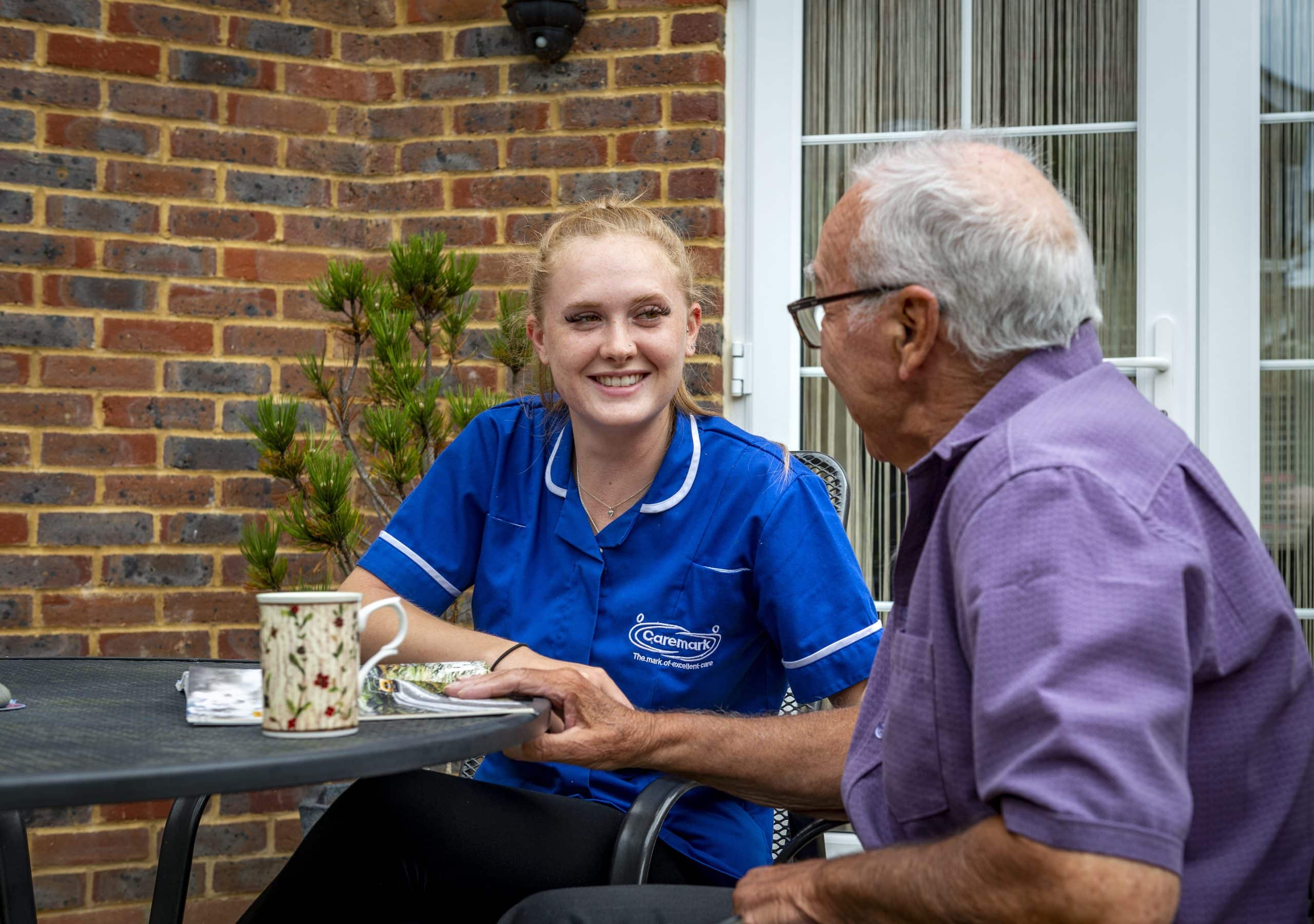
Open, caring conversations often make the biggest difference. Choose a calm moment, ask how the person has been feeling and listen without rushing to fix. Try gentle prompts, for example, “I’ve noticed you’ve been sleeping more; how are you feeling in yourself?” Validate feelings and agree small, realistic steps together. This approach respects older adulthood emotional development and supports dignity.
Watch for early warning signs. For example, changes in appetite or weight, disturbed sleep, reduced motivation, giving up favourite activities, missed medications, neglected personal care or increased worry. Simple tracking tools help. So, you could keep a mood diary, jot notes on sleep and appetite, or use a weekly checklist of activities. Responding early is one of the most effective tips to improve mental health in the elderly and to smooth emotional changes in late adulthood.
Our Care Assistants use person-centred approaches to notice subtle changes in mood, behaviour, mobility as well as routine. They record concerns carefully, update supervisors and families, and, with consent, liaise with health professionals. This timely, transparent partnership helps prevent crises and supports people to stay well at home.
Creating a Supportive Home Environment
Small changes at home can ease worry and promote calm. For example, clear walkways to reduce clutter and prevent trips. Also, improve lighting in hallways and near reading or seating areas. Keep everyday items within easy reach and stick to familiar routines including a favourite chair, music playlist, or cherished photos. Create a relaxing corner with comfortable seating, soft blankets and natural light for restful breaks. These simple environmental tweaks support emotional changes in later adulthood and help improve mental health in elderly loved ones.
Build Gentle Movement into Daily Life:
- Stand while the kettle boils
- March feet while seated
- Try light stretches before dressing.
Short, frequent movement breaks preserve strength, lift mood and build confidence. Music can make these moments fun and easier to keep up.
Caremark creates tailored care plans that reflect personal preferences and goals. From medication prompts and nutritious meal preparation to wellbeing-focused visits as well as escorted outings, our support is designed to build confidence at home. Regular reviews ensure care adapts as needs change, always protecting autonomy and dignity.
Accessing Help and Ongoing Support
Your GP is the first stop for mental health concerns, medication reviews and referrals to NHS talking therapies or memory assessment services. Local councils and charities offer community programmes, befriending schemes, day centres as well as support for carers. Libraries, Age UK and social prescribing link workers can connect you with activities and transport. Putting this network in place is one of the most practical tips to improve mental health in the elderly.
Plan ahead for life changes. For example, after a bereavement, grief groups or counselling can help. Equally, after a hospital stay, short-term reablement rebuilds confidence and routine. For long-term conditions such as Parkinson’s or heart disease, blend condition-specific advice with pacing, energy conservation and mood support. By understanding older adulthood emotional development and the typical emotional changes in late adulthood, families can respond with more compassion and confidence.
How Caremark Can Help to Improve Mental Health in the Elderly
Good mental health is an important part of overall wellbeing in later life. Staying engaged in enjoyable activities, maintaining routines and having opportunities for meaningful interaction can help older people feel confident, independent and connected to the things that matter most to them. Supporting emotional wellbeing can contribute to a greater sense of purpose, comfort and also quality of life.
Support is based on each person’s needs, pace and interests. Companionship care can provide regular visits and meaningful engagement tailored to individual interests. Respite care can help ensure both older people and their family carers receive the support they need. Alzheimer’s and dementia care can also provide personalised support that promotes emotional wellbeing, reassurance and quality of life.
Get in touch to learn how our local teams can support mental health and wellbeing in later life.
What To Read Next
- Low-Maintenance Garden Ideas for the Elderly at Home
- The Best Fruits and Vegetables to Eat for Seniors
- Music Appreciation Activities for Health and Happiness
- Offline Games to Play with Elderly Loved Ones
- The Impact of Loneliness on Physical Health Explained
- Home Adaptations for Elderly: Safe Living Ideas
- Am I a Carer? Support and Wellbeing Insights
- Summer Hydration Tips for Older Adults to Stay Safe
- Guide to Keep Older Adults Cool in Hot Weather Safely