

Rebuilding and growing a Caremark franchise resale in Mansfield & Ashfield
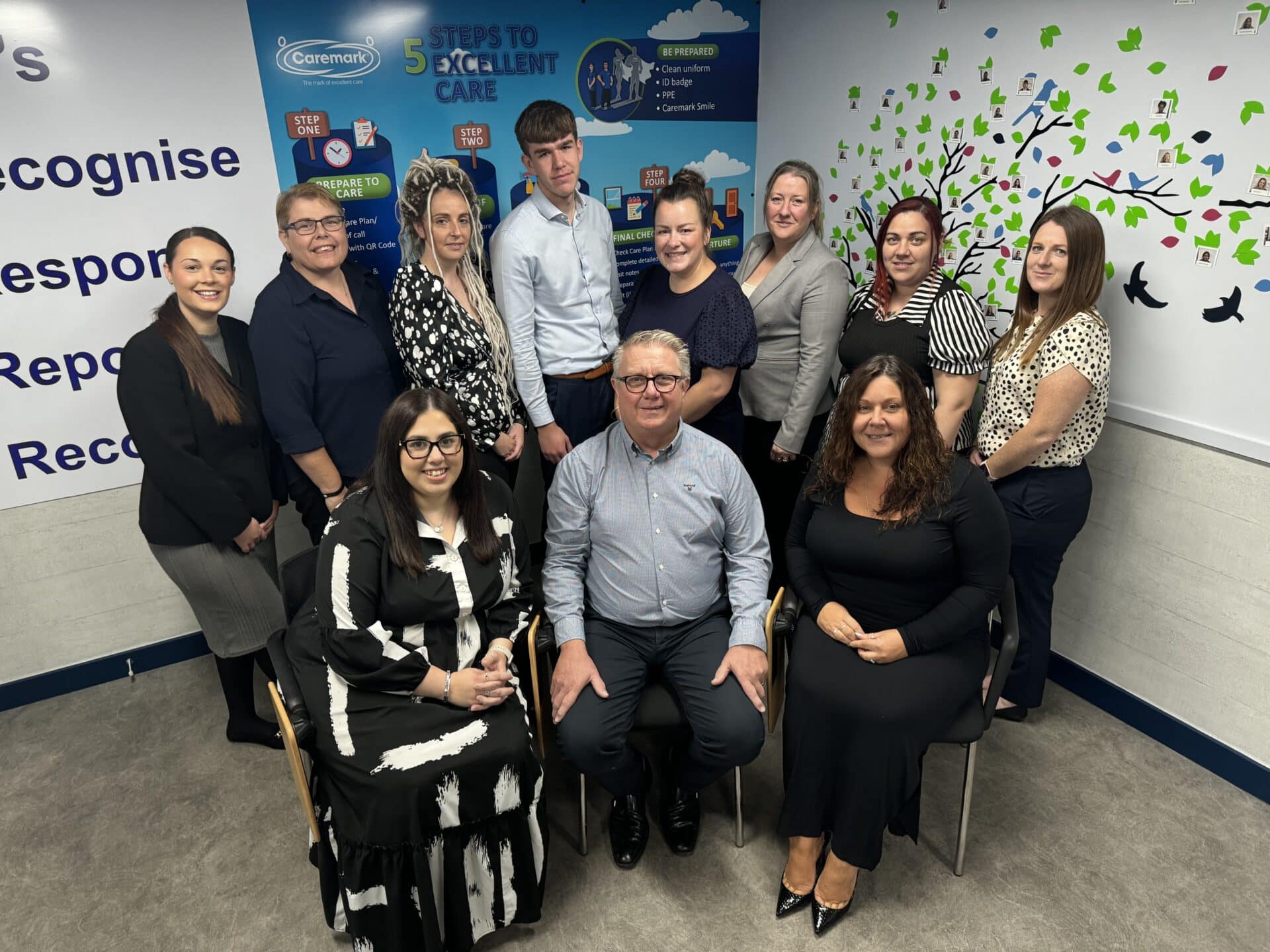
Simon and Jo had no background in care, but they did have deep leadership experience, a strong understanding of franchising, and a growing feeling that their working lives were being spent building someone else’s business at the cost of time with their son.
When a Caremark franchise resale opportunity in Mansfield appeared, they backed themselves, did their due diligence, and took on what felt like a rebuild. Today, they run a busy office team, deliver over 2,000 hours of care a week, and are expanding into complex care with the same focus that built their reputation in traditional home care: relationships, visibility, and doing the basics properly, every single day.
From corporate leadership to a bigger purpose
Before Caremark, Simon was an Operations Director in the fire and flood restoration sector, leading at scale and overseeing large operations across multiple locations. Jo spent over 20 years in insurance before moving into the same restoration world, working in sales and managing insurer accounts across the country.
Life was busy, high-pressure, and heavily dependent on travel. Wales one week, Edinburgh the next. Decisions felt restricted. The business felt like it was being run for short-term gain. The harder they worked, the less valued they felt. Home life was also being squeezed, especially with a school-age son and the reality of school calls and last-minute cover.
The turning point was not a big announcement or a dramatic moment. It was one sentence from a friend, said casually in a pub on a Sunday afternoon.
“Oh my goodness, I do not know anyone who works as hard as you do for someone else.”
That moment turned a quiet frustration into a serious question: should they build something of their own?
Why franchising and why home care
Franchising entered the picture around the time Covid 19 hit. With Simon’s understanding of franchising and both feeling ready for change, a franchise resales company helped them explore what might fit.
“The value of buying a resale is strong … it gives you the opportunity to springboard growth … We can work in it, work on it, and grow it.”
Some options were ruled out quickly. Industrial cleaning matched their background, but it did not feel right as a joint venture.
Other concepts felt more like buying a job than building something scalable. Relocating was not on the table either, so this needed to be an opportunity in the right territory.
Home care was not part of the original plan, especially without a care background, but the opportunity arrived at the right time. The regulated nature of the sector helped it feel grounded and measurable.
“It being regulated gave us comfort. It tells you what good looks like. You know where you’re trying to achieve.”
They also recognised similarity in their past roles. In restoration, they supported people through crises after floods or major damage to their homes. Showing up, bringing structure, reassuring families, and helping someone feel safe again is a responsibility that translates into care.
Finding Caremark and backing themselves
Caremark was already on their radar through the British Franchise Association and their broader knowledge of franchising. They also knew people who had been part of the Rainbow Restoration network and had heard positive things about Caremark through those connections.
Before signing anything, they spoke to a Caremark franchise owner they trusted and asked the question.
“Would you do it again?”
The feedback was positive and helped them move forward with confidence. Due diligence followed, including the CQC report and a clear view of what would need to change.
“We backed ourselves.”
Taking over the Caremark franchise resale in Mansfield
A Caremark franchise resale comes with real foundations: existing customers, a team, and a footprint in the community. That head start is valuable, but it comes with a trade-off. Culture, habits, and ways of working are inherited too, and the reset has to happen quickly without losing the stability customers rely on.
Walking into Mansfield made it obvious that change was needed. There used to be a sign on the office door telling carers to knock, ask to speak to the franchise owner, and wait in the corridor. It was a small detail, but it said everything about how the team had been treated.
For them, that was not care. It was not respect. And it was not how you build a team that feels proud to represent the service.
“Purpose is part of our DNA, so seeing how Mansfield was currently run was just motivating to want to take it on and make a change.”
Building a culture where nobody sits at the top
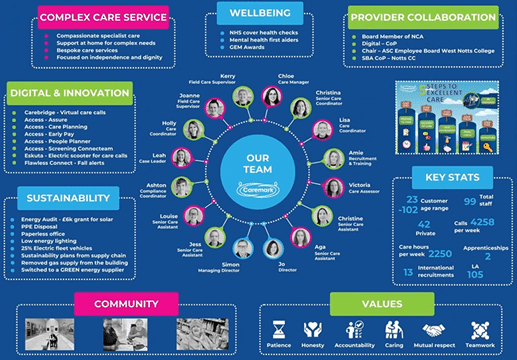
Rebuilding started with culture, then structure. The belief was: quality and growth only hold when the right people and roles are in place. The working environment also needs to support the standard you are aiming for.
Today, their office team includes 10 people, covering care management, coordination, recruitment and training, compliance, assessments, field supervision, and complex care oversight.
“We are all part of one team.”
A thought board in the office keeps that message visible, day to day, not just when things are going well.
Alongside this, they have invested in their working environment, moving locations to create a more professional office set up that supports team culture, including a children’s play area for those real-life moments when someone needs to bring their child in at short notice.
“Harmony = efficiency.”
That mindset shapes how they run the business day to day and how they want to be known locally. They are also big believers in showing up. They attend local authority meetings consistently, build relationships, and stay close to the people influencing care in their area.
For Simon, that extends into wider community involvement too, including sitting on local boards such as the Nottingham Care Association, a local college board, and the adult social care employers board.
“We are a quality, trusted provider.”
A local market shaped by local authority care
Mansfield and Ashfield are areas where local authority-funded care plays a major part. Simon and Jo are open about what that means for growth and strategy.
“We are in one of the more deprived areas of the country.”
Their private-to-local authority split has historically sat at around 20:80, with private customers often moving quickly onto local authority packages. Simon and Jo credit growth to staying alert, being visible, and refusing to drift into a single funding stream just because it is there. For private growth, they point to relationships as the biggest lever.
“The biggest growth for private for us is relationships with social workers. When they come across someone who is going to be privately funded, they recommend us… The local authority also comes to us on regular business for guidance and help”
Beyond the day-to-day, they are thinking long term too, including improvements with sustainability in mind, such as installing solar panels through a grant, and expecting suppliers to have sustainable plans in place.
With that market context in mind, the next step was about resilience, not just growth.
Moving into complex care
Offering complex care was a strategic move that had to make sense locally, commercially, and operationally, especially as Simon and Jo continued rebuilding their Caremark franchise resale into a stronger, more resilient business.
In a market shaped heavily by local authority care, diversification becomes part of risk management. Developing complex care was a way to reduce reliance on any single route to turnover, while responding to what could be seen through relationships across the local system. It also needed to be approached with clear commercial realism, balancing turnover and margin against what the local landscape can sustain.
Higher risk care demands higher safeguards, so this had to be earned, not rushed. Internal criteria set by Caremark’s Franchise Support Centre provided the framework, supported by a defined pathway with Caremark’s leadership and quality team.
They put together a business case, worked through what readiness should look like, and built their early steps around less complex customers before moving further into clinical delivery.
Early impact and what comes next
From the start of the wider Caremark journey, Simon and Jo describe a strong compliance focus in their business strategy, backed by mock audits and active pressure testing. They have built compliance into the rhythm of the business, rather than treating it as something you scramble for when a date appears in the diary. That discipline has only become more important as the service has moved into higher-risk care.
“We pay for mock audits. We put pressure on our QM to come and see if what we have done is fit for purpose. Our teams always need to be audit-ready.”
Operationally, they also highlight how complex care changes recruitment. It is not about filling gaps across a run of short calls. It is about matching the right care professional to the right customer, often for longer blocks of support, where consistency, judgement and fit matter.
“Culture was the most important criteria.”
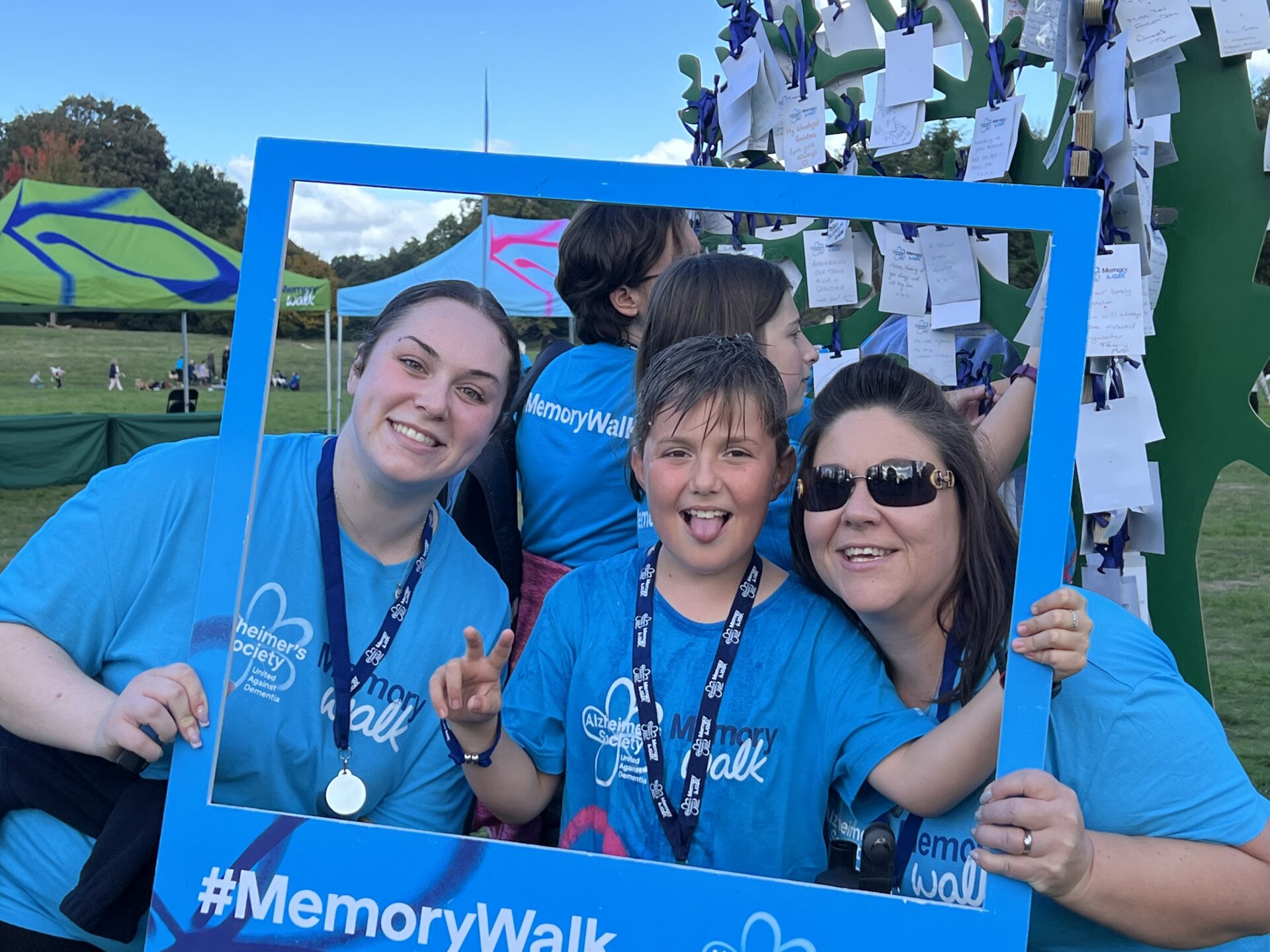
Their current Complex Care Case Leader was recruited because she was the right fit for how they lead and how they expect the service to feel, even if she did not tick every experience box at the start.
To strengthen clinical confidence around that role, they leaned on an experienced registered nurse consultant. They helped shape the offer and build out training. Values came first, then capability was built around the person.
Their complex care journey is still early. At the time of writing, they have three customers who fit the requirements. This includes a brain injury customer who came through a recommendation linked to their existing domiciliary care service.
They see an ICB contract as pivotal for the next stage of growth and volume.
Support from Caremark and the wider network
Moving into a regulated sector without a care background can feel daunting, so the early training mattered. Understanding what they were stepping into, and how to build a compliant, well-run care business from day one, gave confidence.
“With having no care experience, what we got out of the first 2-weeks of training was invaluable.”
Ongoing support has mattered just as much, particularly the Quality Manager role, providing reassurance that the detail is being done properly.
“The quality managers give us peace of mind that we are doing things right…The support we get is outstanding”
They are also strong advocates of making use of the wider network. For them, turning up to meetings is about learning from people who have already been through the same challenges, and taking practical ideas back into the business.
“Every meeting I have been to with the network there is always something you come away with which is a nugget of information… Someone has done it before so use the strength of the network”
That support works both ways. Simon and Jo share what they have learned with newer franchise owners joining Caremark, including their move to a fully paperless system. Franchise owners visit their office to see how it works in practice and how it can improve efficiency day to day.
National brand building through Caremark’s marketing fund is seen in the same long-term way, as something that strengthens every territory over time.
“Think of the NMF as a pension fund. The work on brand, people recognising the brand, means more value for us as a Caremark business.”
And as the network grows, they recognise the importance of Caremark continuing to strengthen its internal support functions. They referenced the impact of strengthening technology leadership through the newly appointed Director of Technology. As well as the need, as franchise owners, to make full use of the expertise now in place.
Who Caremark is right for
Simon and Jo describe Caremark as the right fit for franchise owners who want to build a serious business, lead properly, and work within a proven model. For them, the structure is not restrictive. It is what protects standards and makes success repeatable.
“You have to be prepared to follow the system.”
“The system is there for a reason.”
“Franchising is not for people who want to write their own rule book.”
They are also honest about the reality of care. It is not nine to five, and the answer is not trying to work harder forever. The way you grow sustainably is by building a management team that protects quality, customers, and you as the business expands.
For Simon, the personal change has been as significant as the commercial one.
“One of the biggest things our Caremark business has given me is time with my son. I have given Jenson his breakfast every day, whereas before I would be away 4 nights a week.”
Their advice for anyone considering a resale
A Caremark franchise resale can be a powerful way to build momentum, but Simon and Jo are clear that due diligence needs to go deeper than the numbers. In their view, the people piece is everything.
“On a resale, the staff and quality of staff is something you need to look at.”
Jo also comes back to ethos. For her, Caremark’s values matter because they shape the type of service you build and the choices you make when things get tough.
“We care for all people, not just people who have lots of money in the bank.”
Simon reflects on how the journey has changed him, too.
“I’ve developed more into a caring person.”
Proudest moments so far
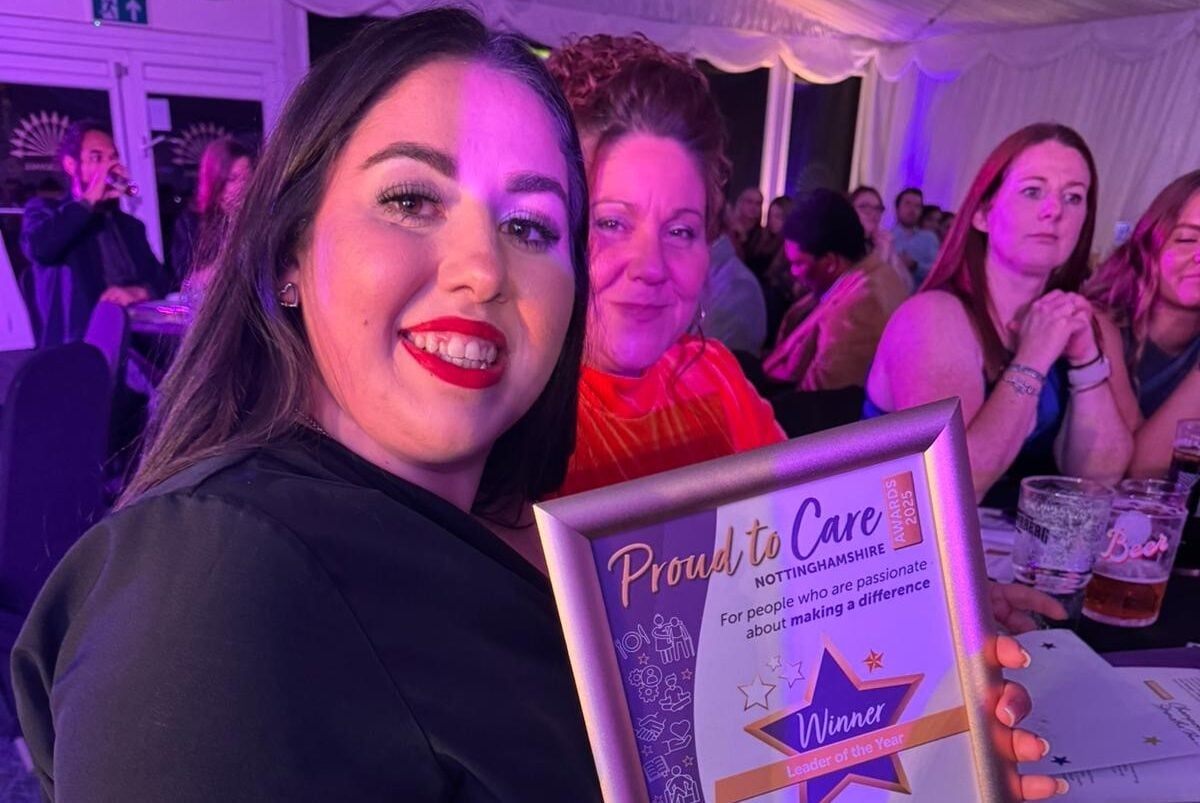
For Simon and Jo, proud moments are tied to people and to proof that the culture reset has stuck.
One standout is their Care Manager, Chloe, winning Leader of the Year. When they bought the business, Chloe was a Field Care Supervisor who had been working long hours. She felt she had to justify her worth based on the previous culture.
Simon and Jo believed she could go all the way in care and backed her development. Seeing her progress and then winning felt like confirmation that they had rebuilt something healthier, for staff and for customers.
They are also proud of what the whole team has built together in terms of service delivery.
“Also proud of the team when we reached above 2000 care hours a week.
What good looks like in the next 12 months
The next stage is clear. Secure the ICB tender. Become a provider of choice for complex care. Build the same reputation in complex care that has already been built in domiciliary care.
“If we can build the same reputation for complex care as we have for domiciliary care, we will be in a good place.”
That direction also reflects where care is heading, with more integrated neighbourhood working and more demand for providers who add value to the community, not just deliver tasks.