

Understanding Anaemia in Elderly People
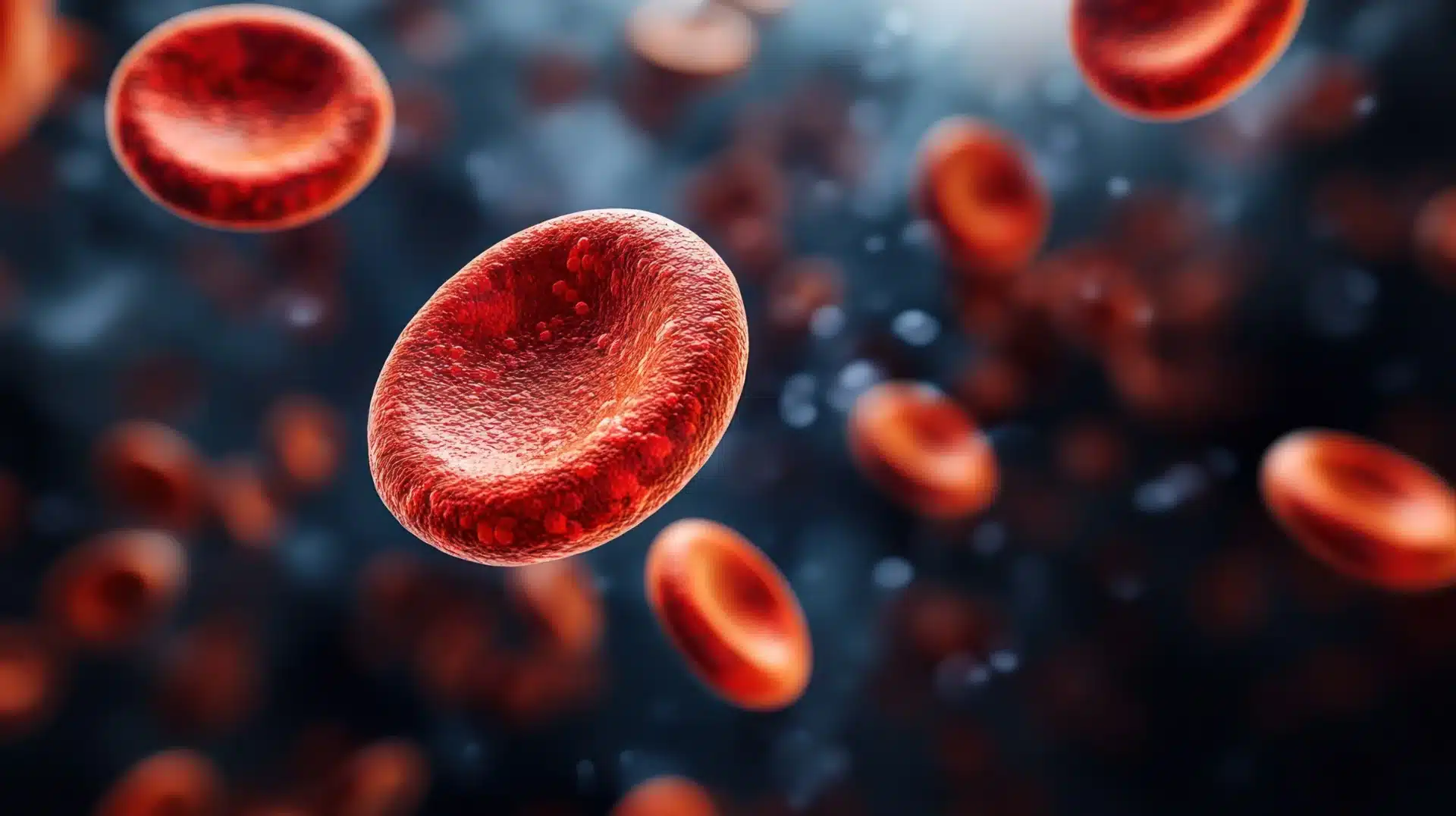
Feeling more tired than usual, a bit breathless on the stairs, or simply not yourself? It could be more than “just getting older.” Understanding anaemia in elderly people can shine a light on these changes and help you know what to do next. Anaemia happens when there aren’t enough healthy red blood cells or enough haemoglobin to carry oxygen around the body. In later life it often develops slowly, so the signs can be easy to miss. With the right help, anaemia in the elderly can be identified and treated, improving energy, confidence and independence at home.
How Does Anaemia in Elderly Present?
Ageing can affect how blood is made and maintained. Bone marrow may slow down, kidneys can produce less erythropoietin (the hormone that tells the body to make red blood cells), and low-level inflammation can make it harder to use and store iron. These changes mean anaemia in the elderly is more common and may look different from anaemia in younger adults.
It’s important to remember that anaemia is not an inevitable part of ageing and should always be assessed. Understanding anaemia in elderly people starts with recognising that symptoms such as tiredness or dizziness are not “just age.” A simple full blood count and iron studies can confirm if someone is anaemic and point towards the cause.
What Does Being Anaemic Mean?
People sometimes ask, “What does anemic means in plain English?” Put simply, anaemic means your blood is not carrying as much oxygen as your body needs. That can leave you feeling wiped out after small tasks, short of breath, or light-headed when you stand up. Another way to explain what anemic means: your red blood cell level or haemoglobin is low, so your muscles and organs are not getting their usual oxygen supply.
Symptoms to Look Out For
- Ongoing fatigue and reduced stamina
- Breathlessness on gentle exertion
- Palpitations or a racing heartbeat
- Pale skin, cold hands and feet
- Light-headedness, dizziness or fainting
- Headaches, poor concentration and irritability
- Some people may experience restless legs, especially when iron deficiency is present.
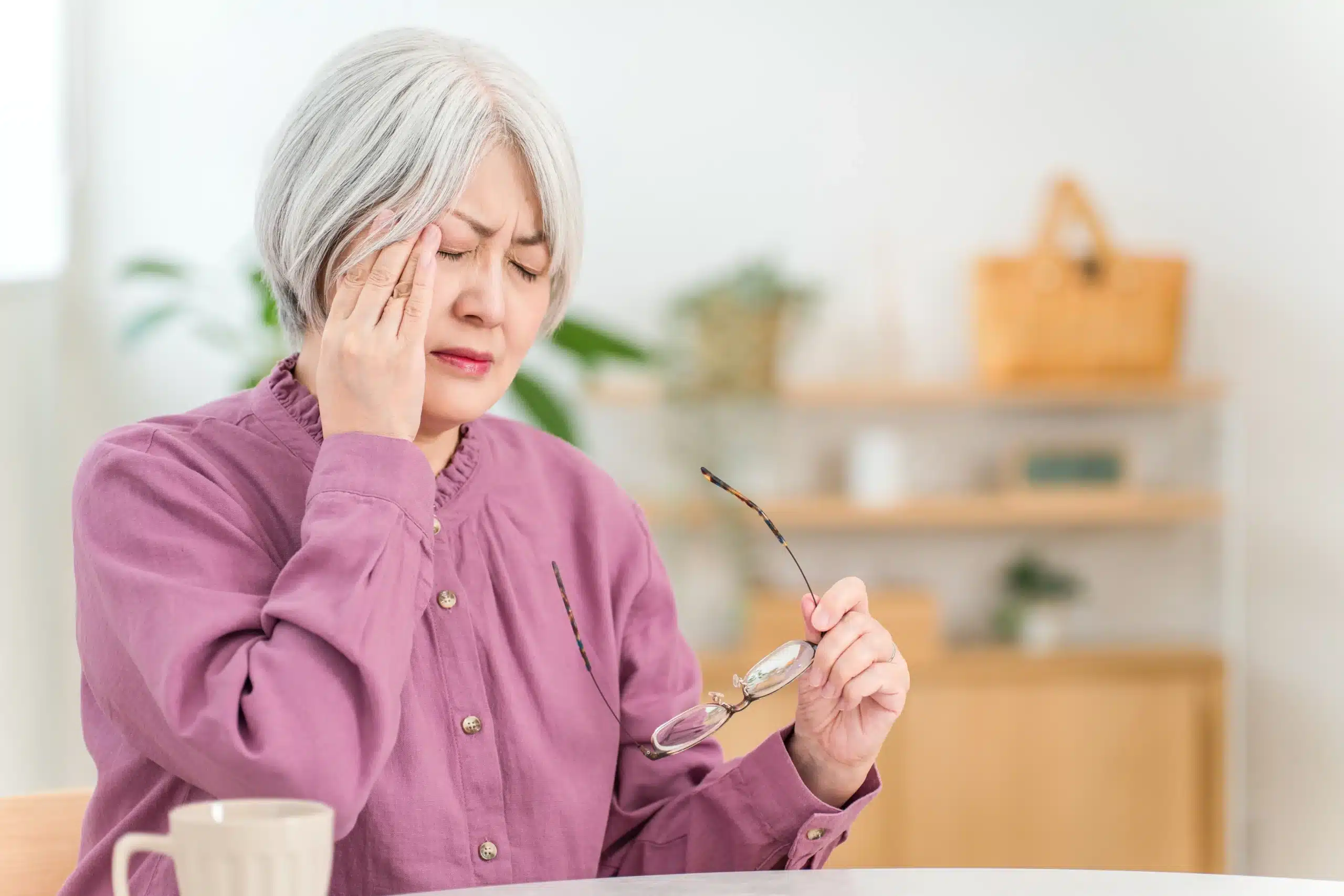
Symptoms can vary depending on the underlying cause. In more severe cases, chest discomfort or worsening angina can occur, especially if there’s existing heart disease. Because these symptoms overlap with other conditions, understanding anaemia in elderly people involves noticing patterns: symptoms that worsen with activity and ease with rest, new pallor, or a sudden drop in stamina. Blood tests are essential to make the diagnosis.
Common Causes of Anaemia in Elderly People
Several issues often combine in later life. The most frequent causes of anaemia in elderly people include:
- Iron deficiency: Often due to slow blood loss from the stomach or bowel (ulcers, gastritis, polyps, haemorrhoids or cancers), reduced absorption (coeliac disease, atrophic gastritis, or some medicines such as proton pump inhibitors), or low dietary intake. Iron-rich foods include red meat, pulses, leafy greens, nuts and fortified cereals; vitamin C can help absorption.
- Chronic disease and inflammation: Conditions like chronic kidney disease, rheumatoid arthritis, infections and cancers can reduce red cell production and trap iron in storage.
- Vitamin deficiencies: Low vitamin B12 or folate due to diet, alcohol, malabsorption or certain medicines (for example metformin or anticonvulsants).
- Other causes: Bone marrow disorders, thyroid disease and haemolysis (breakdown of red cells).
The causes of anaemia in elderly people are often multifactorial, so a full assessment is key. If you’re researching anemia in the elderly or anaemia in elderly relatives, working with your GP to investigate each possible cause will guide the most effective treatment.
Who Is at Higher Risk?
- Age-related factors: Reduced marrow reserve, higher rates of kidney and gut conditions, chronic inflammation, frailty, and poor oral health can affect nutrition and increase risk.
- Medicines and medical history: Regular use of anti-inflammatories, anticoagulants or antiplatelets can raise bleeding risk. Proton pump inhibitors may reduce iron and B12 absorption. Previous gastrointestinal problems, surgery, chronic kidney disease, autoimmune disorders or cancer also contribute.
- Genetic factors: Genetic conditions such as thalassaemia trait or sickle cell trait don’t typically develop with age, but they can influence blood test results and may become more noticeable when another illness triggers a drop in haemoglobin.
Treatment and What To Expect
Treatment depends on the cause and how severe the anaemia is. Typical approaches include:
- Iron deficiency: Oral iron supplements are common; taking them with food or on alternate days can improve comfort. If tablets aren’t tolerated or absorption is poor, intravenous iron may be offered. It’s vital to find and treat the source of blood loss.
- Vitamin deficiencies: Vitamin B12 may be replaced with injections or high-dose tablets; folate with folic acid, often alongside B12.
- Chronic kidney disease: Erythropoiesis-stimulating agents and iron support may be used under specialist care.
- Severe or symptomatic anaemia: A blood transfusion may be considered after clinical assessment.
Follow-up matters. Blood tests check that haemoglobin improves and iron stores are replenished. If you’re exploring understanding anaemia in elderly loved ones, ask about monitoring plans, nutrition, and any need for further tests. Staying active within personal limits, eating well, keeping hydrated and keeping vaccinations up to date all support recovery.
Next Steps
If you recognise the symptoms above, contact your GP for a review and blood tests. Understanding anaemia in elderly loved ones early on can prevent falls, frailty and hospital admissions. If you’re researching anemia in the elderly and the causes of anaemia in elderly people, we’re here to help you navigate the options and keep life running smoothly at home.
Call your local Caremark team today. We’ll listen, offer practical guidance, and create a plan that supports wellbeing and independence. There’s no place like home. There’s no care quite like Caremark.
How Caremark Can Help
At Caremark, we provide high-quality, professional support that empowers individuals to live their best lives. Our kind and trustworthy care assistants are key to the tailored care we provide. Our customers are at the heart of everything we do, so we strive to support every one of their needs in managing their conditions.
Would you like to learn more about the care services we provide? Get in touch and discover how we can support you or someone you love. From dementia care to live-in care, we are here to help.
Key Takeaways
- Anaemia in elderly patients often develops slowly, making symptoms like fatigue and breathlessness easy to overlook.
- Common causes include iron deficiency, chronic diseases, and vitamin deficiencies, often requiring a full assessment.
- Symptoms of anaemia in elderly individuals can lead to serious health issues, so it’s crucial to identify patterns and seek blood tests.
- Treatment varies based on the cause and severity, including iron supplements, vitamin injections, or blood transfusions.
- Early recognition of anaemia in elderly loved ones can prevent complications and improve overall well-being.
What To Read Next
- Support Network for Home Care Customers Explained
- Discover the Benefits of Palliative Care for Patients with Dementia
- 10 Healthy Snacks for the Elderly
- Joyful Minds: The Best Games for Dementia Patients
- Essential Qualities of a Great Care Assistant