

Social Activities to Bridge the Loneliness Gap for People in Home Care
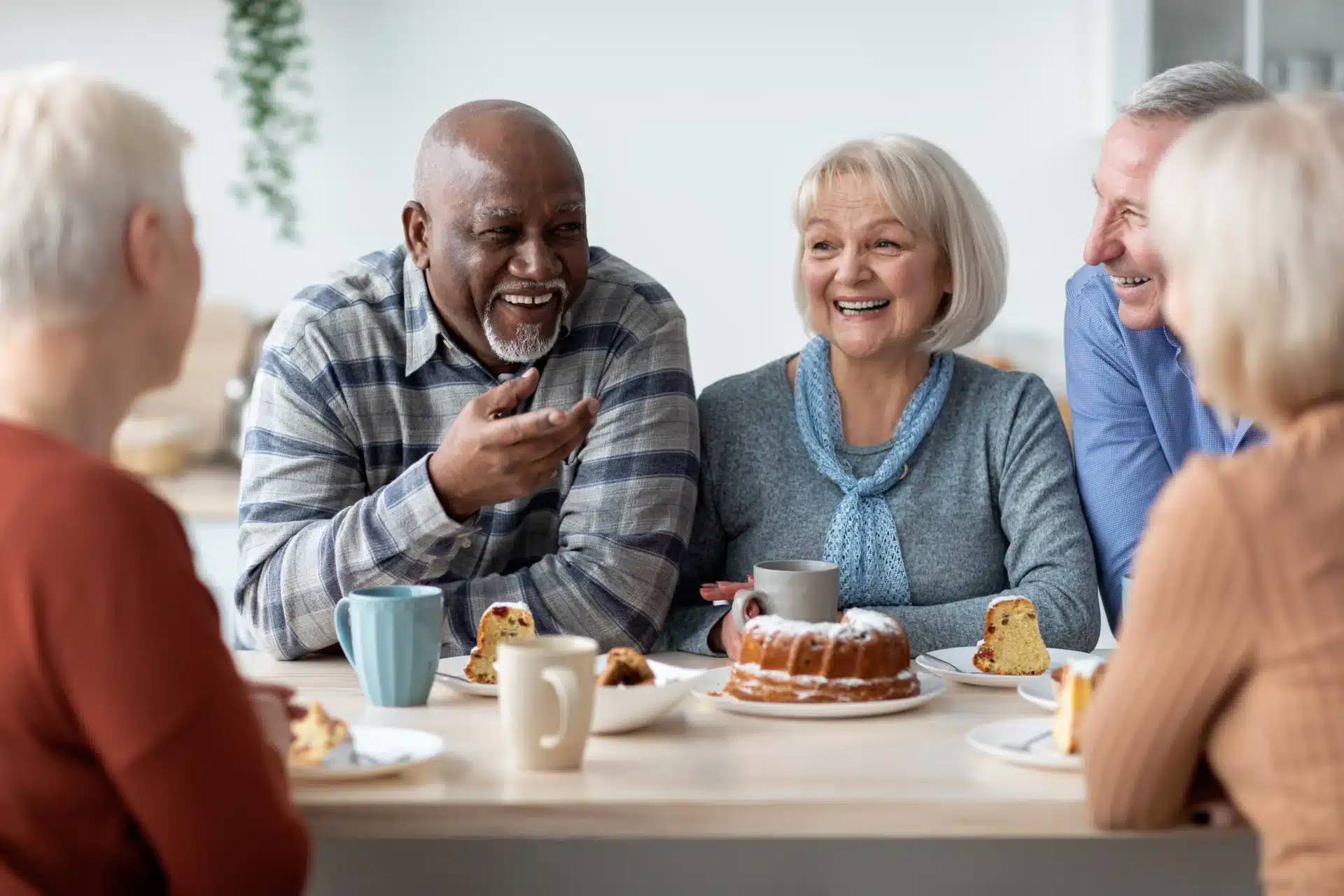
Feeling part of something makes every day brighter. For people in home care, a variety of social activities can spark conversation, build confidence, and bring joy back into daily routines. At Caremark, we design welcoming, safe sessions that reflect personal interests and abilities, so people stay connected to others while remaining comfortable at home.
Understanding Loneliness in Home Care
Changes in routine, reduced mobility and bereavement can limit social contact. Living alone or relying on others for transport may also add to the challenge. Health conditions can also make old hobbies harder to manage.
Loneliness affects more than mood. It can lead to anxiety, poor sleep, reduced appetite and a loss of confidence. Meeting social needs is therefore essential to good care at home. That’s why we offer group activities to bridge the loneliness gap for those in home care. This brings structure, friendship and purpose into the week. It’s part of our 5 tips to combat loneliness in older people.
Our care assistants are trained to notice early signs of isolation. If someone seems quieter than usual, or loses interest in favourite pastimes, we act quickly and sensitively. Together with families, we agree on small, practical steps that rebuild contact and create positive routines.
Group Activities That Work Well at Home
Small, friendly sessions are often the most comfortable. The focus is on familiarity, gentle pace and a sense of belonging.
- Coffee mornings with neighbours or fellow customers, where companionship also comes naturally over a cup of tea.
- Reminiscence chats using photos, music and keepsakes to unlock memories and shared stories.
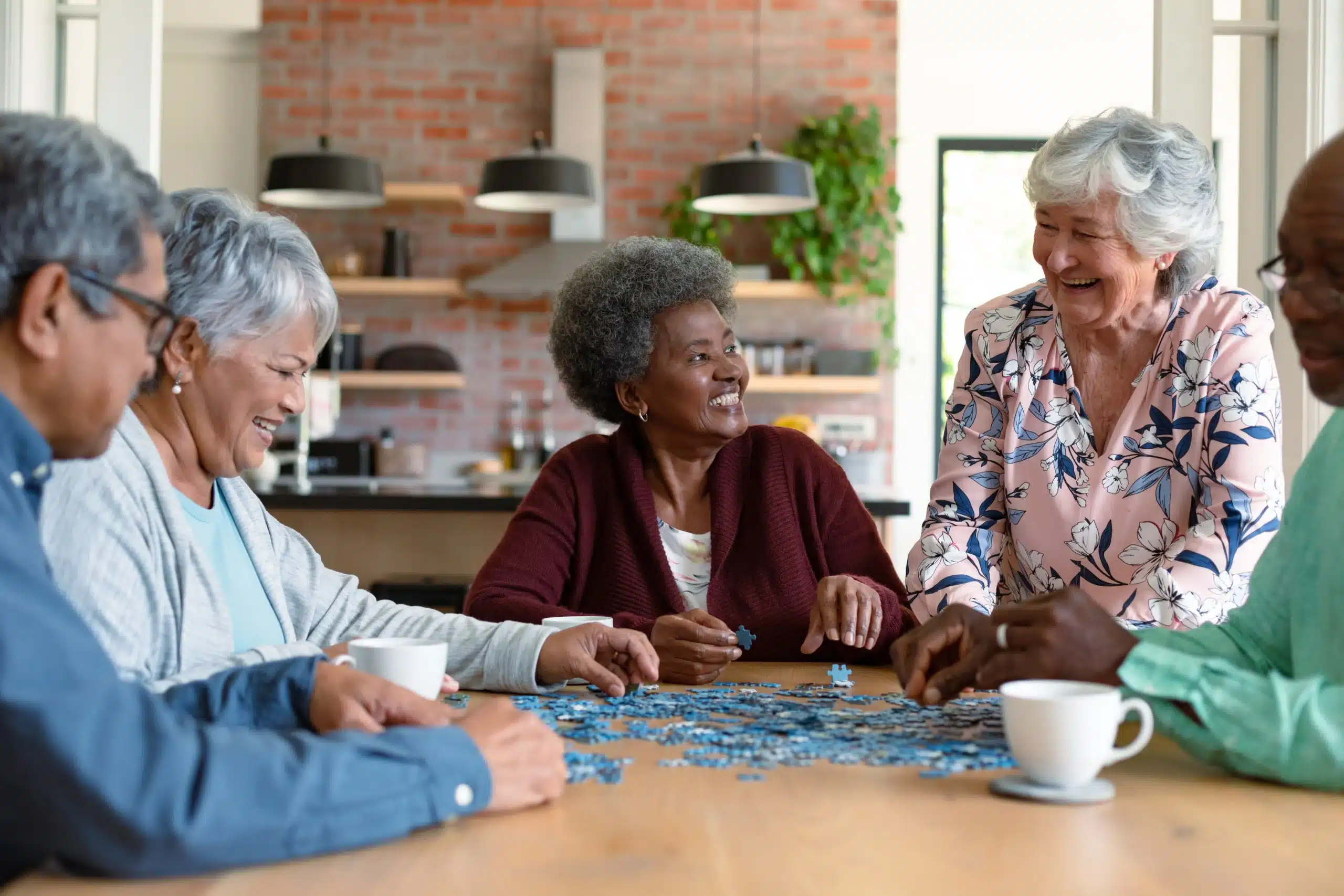
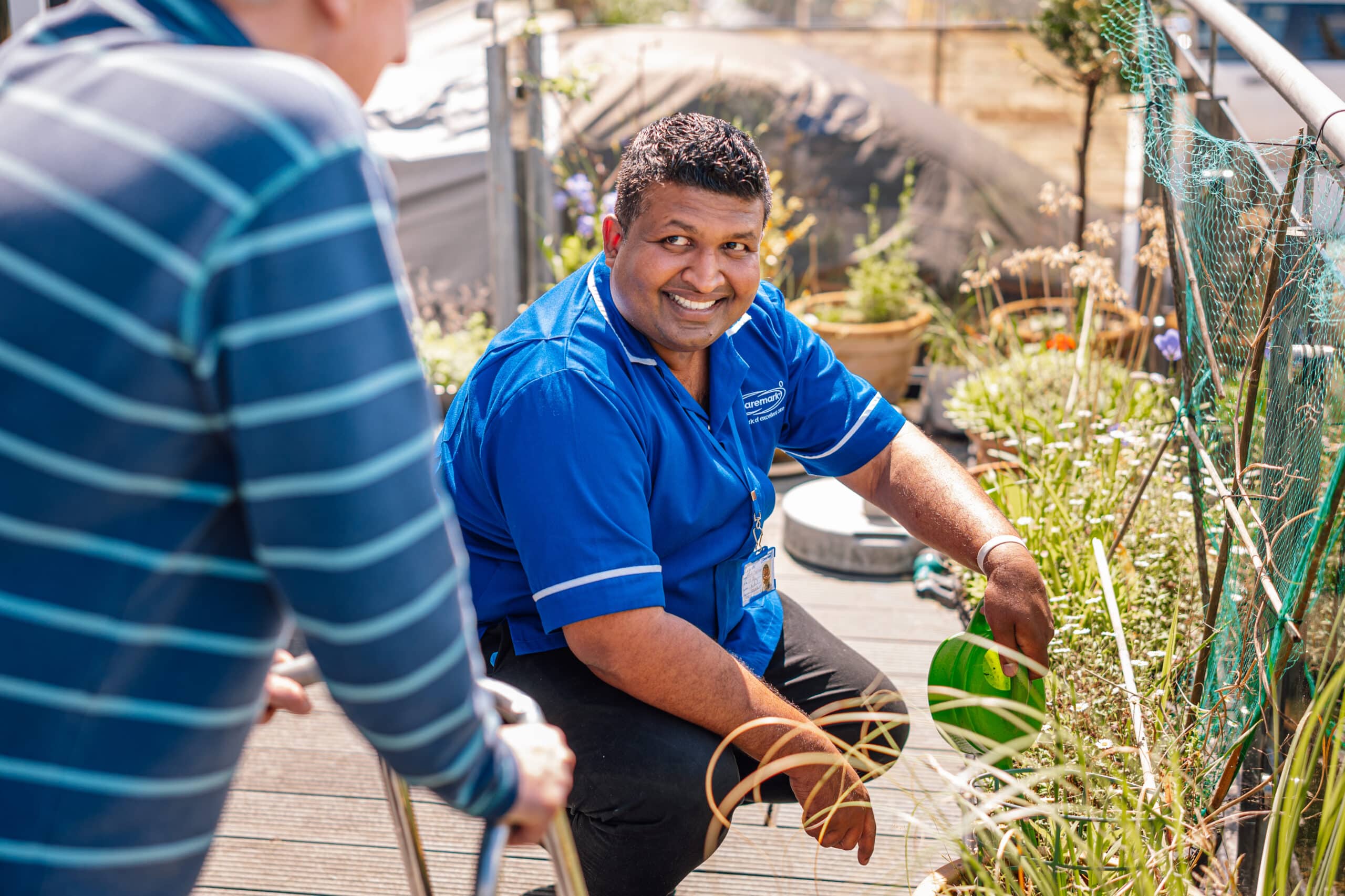
- Shared hobbies such as knitting, pot gardening, jigsaws or relaxed book chats that encourage calm conversation.
Movement matters too. Chair-based exercises, light stretching, breathing practice and guided relaxation can lift mood and improve balance and circulation. Short, regular sessions are best for building confidence.
Creative and cognitive sessions add variety and a sense of achievement. For example, quizzes and games invite laughter and gentle competition. Furthermore, crafts offer something to take pride in, and music often brings people together quickly. These social activities for people in home care can take place at home or in small local venues.
How Caremark Plans and Supports
We balance enjoyment with safety and practicality. We assess interests, abilities and any risks, then design a plan that fits around energy levels and daily routines. Group sizes are kept small so everyone can join in comfortably.
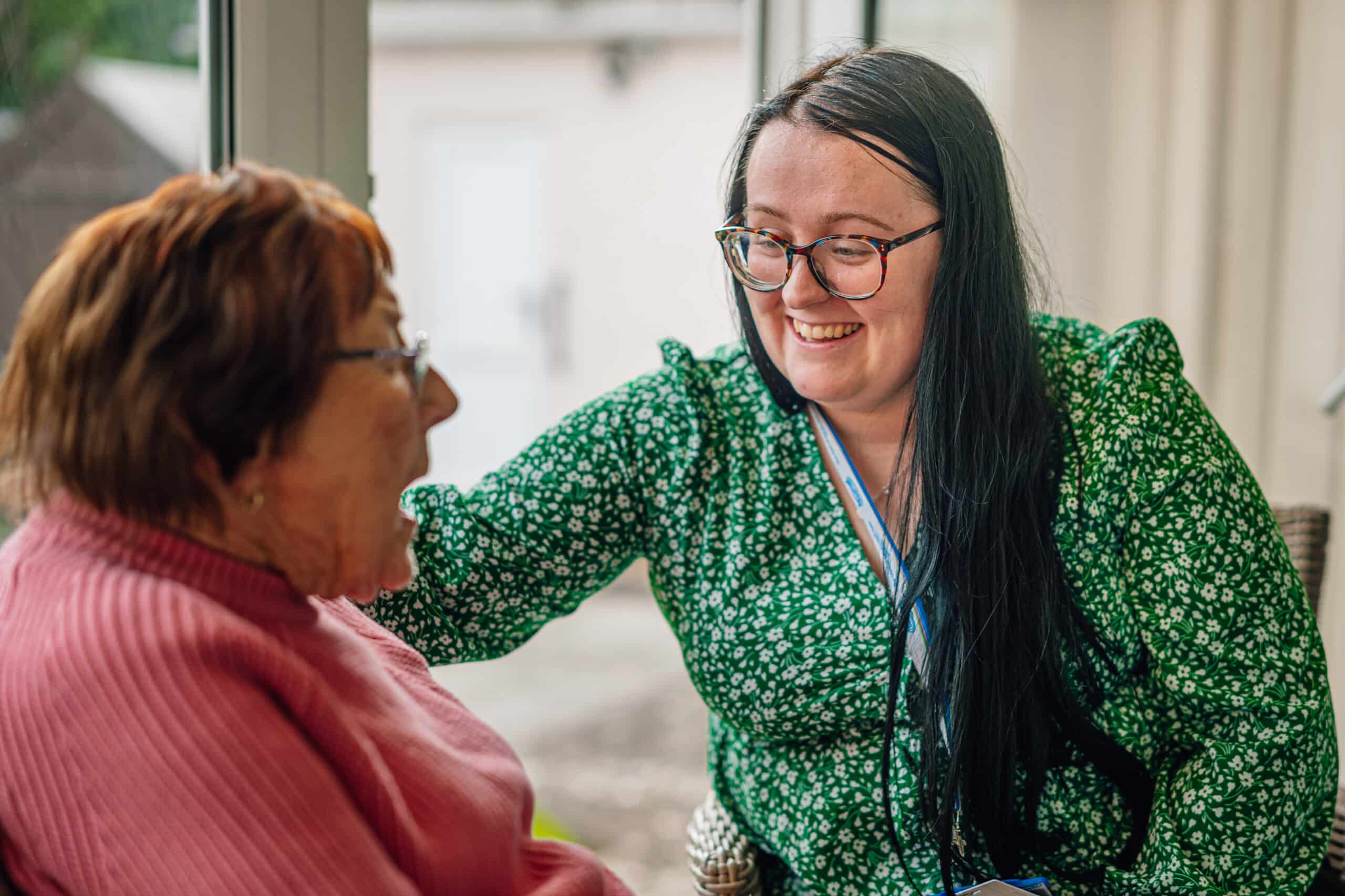
Our Care Assistants offer reminders, make introductions, and can adapt activities in the moment. They also add breaks, simplify tasks or provide one-to-one reassurance. Their steady presence keeps sessions calm, inclusive and well paced.
Accessibility is considered from the start. We can arrange transport, complete risk assessments for homes and venues, and schedule around personal care or medical appointments. We bring equipment such as portable ramps, comfortable seating and activity materials so that participation feels straightforward.
| What we plan | How it helps |
| Small group size with a clear structure | Reduces anxiety and supports relaxed, steady participation |
| Tailored activities and flexible pacing | Matches abilities and keeps sessions comfortable and positive |
| Transport and safe, familiar venues | Makes attending reliable, dignified and stress-free |
| Trained Care Assistants present | Provides reassurance, continuity and responsive support |
Local links are powerful. We connect customers with clubs, community centres, libraries and faith or interest groups. Practical help with memberships, calendars and introductions makes starting new social activities for people in home care feel easy rather than daunting.
When travel is difficult, technology can help. We support virtual coffee mornings, video calls and online interest groups. We also help customers use tablets or smartphones with confidence. These digital meet-ups complement face-to-face contact and can flex around health needs and energy levels.
We also work with families, volunteers and local organisations. By coordinating roles, including transport, hosting and befriending, we widen social networks and share responsibility for ongoing companionship. Many ideas for activities in care homes, such as music hours or craft circles, can be mirrored in the community or at home with our guidance.
Personalising Activities Around Individual Interests
Every plan begins with the person. We talk about life stories, for example, work, family, favourite music, crafts, sports and traditions. This means that sessions feel familiar and motivating. Our care home activity ideas are then adapted for home, ensuring comfort and enjoyment.
We make thoughtful adjustments for dementia, sensory impairments and complex health needs. Clear visual cues, straightforward instructions, larger-print materials and unhurried pacing are common. Quiet spaces are offered when helpful. For hearing or sight loss, we use assistive aids and also arrange seating to support communication.
- Dementia: repetitive formats, meaningful objects, as well as music linked to memories.
- Sight loss: high-contrast materials, tactile crafts and audio resources.
- Hearing loss: written prompts, good lighting for lip reading and reduced background noise.
After each session, we gather feedback from customers and families. We note what worked, what to adjust and how to refine timing or group size. This continuous improvement keeps group activities for those in home care relevant, enjoyable and effective.
How Caremark Can Help with Social Activities for People in Home Care
At Caremark, we provide high-quality, professional support that empowers individuals to live their best lives. Our kind and trustworthy care assistants are key to the tailored care we provide. Our customers are at the heart of everything we do, so we strive to support every one of their needs in managing their conditions.
Would you like to learn more about the home care services we provide? Get in touch and discover how we can support you or someone you love. From dementia care to live-in care, we are here to help.
Key Takeaways
- Social activities for people in home care can combat loneliness and improve well-being through structured group sessions.
- Caremark offers tailored group activities like coffee mornings, reminiscence chats, and light exercises to foster companionship.
- Care Assistants support these activities by providing guidance, ensuring safety, and adapting sessions for individual needs.
- Caremark prioritises personalised care by assessing each individual’s interests, abilities, and health conditions to enhance participation.
- Technology bridges the gap when travel is difficult, enabling virtual meet-ups while connecting customers to local community resources.
What To Read Next
- Inside Caremark Care Manager Conference 2026
- Rheumatoid Nodules – A Guide
- Volunteering Opportunities with Older People Near You
- Anaemia in Elderly People: Understanding Its Impact on Life
- Support Network for Home Care Customers Explained
- Discover the Benefits of Palliative Care for Patients with Dementia
- 10 Healthy Snacks for the Elderly
- Joyful Minds: The Best Games for Dementia Patients