

10 Healthy Snacks for the Elderly
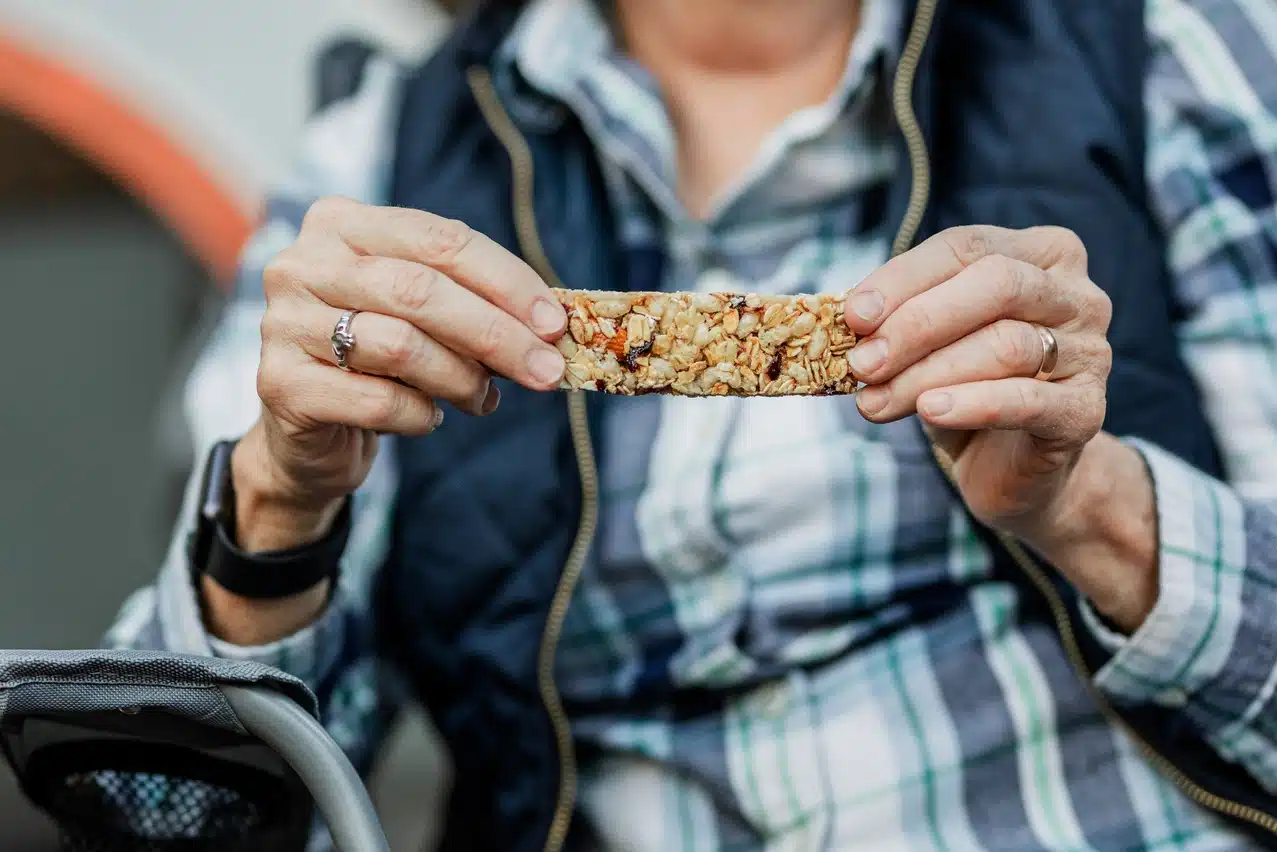
A good snack can do more than fill a gap between meals. It can lift energy, support strength, and make the day feel more settled. For many families, it is also a simple way to show care without taking away independence. In this guide, we share 10 healthy snacks for the elderly that are easy to prepare, enjoyable to eat, and kind to the body. Each idea is flexible, so you can adjust portions, textures, and flavours to suit your loved one’s preferences.
Why Snacks Matter More As We Get Older
As we age, appetite can change. Some people feel full quickly. Others forget to eat, especially if they live alone or feel low. A small snack, offered at the right time, can help keep energy steady and reduce the chances of skipped meals. Healthy eating for older adults is important to help them maintain their lifestyle. Healthy snacks for the elderly are also a gentle way to add extra protein and fibre. Protein supports muscle strength, which can help with balance and daily movement. Fibre supports digestion and can help people feel more comfortable.
Just as importantly, snack time can be a pleasant routine. A warm bowl of porridge, a yoghurt shared over a chat, or a cup of tea with a simple bite can bring comfort, connection, and calm.
What to Look For in a Healthy Snack
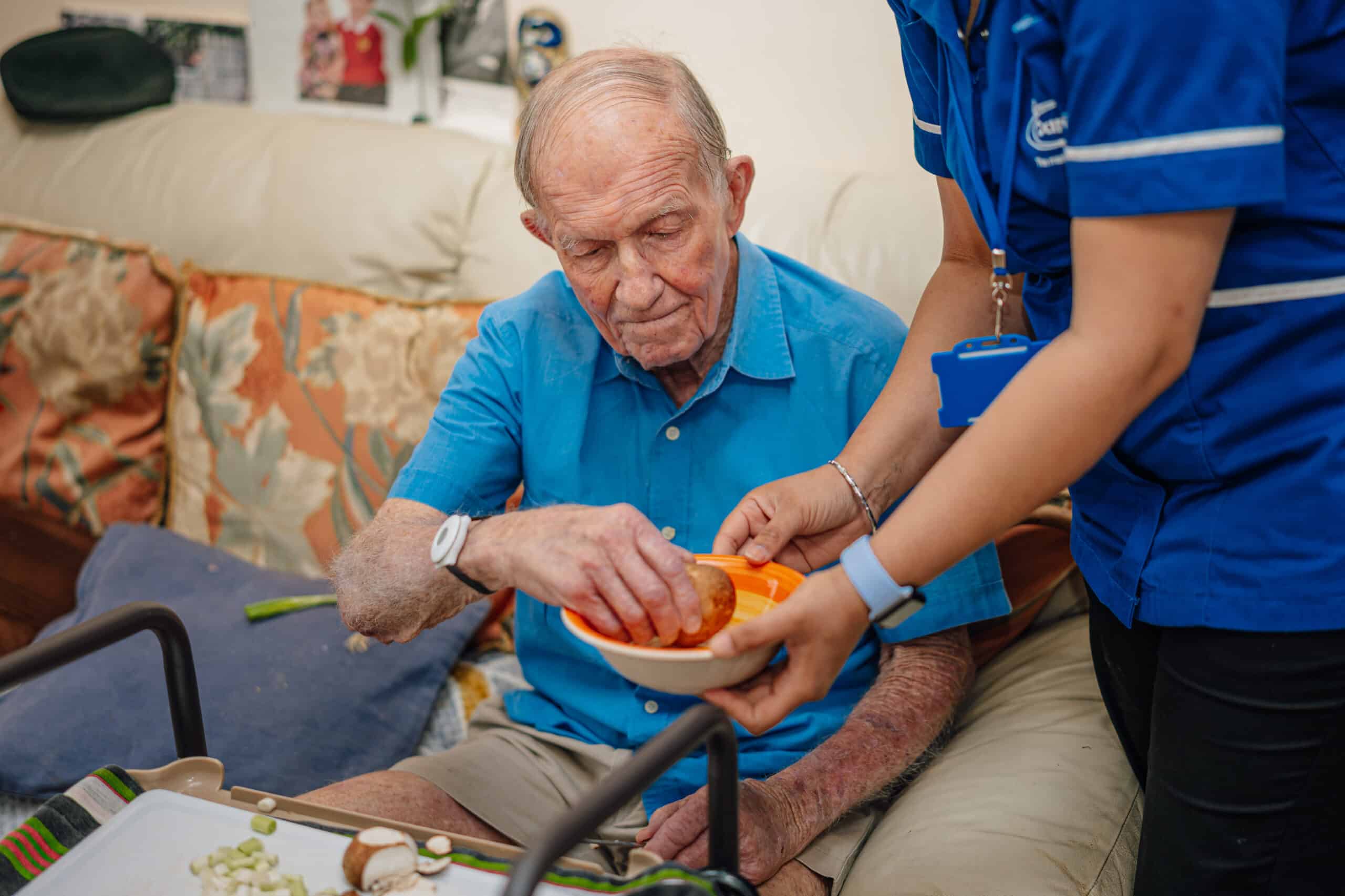
Healthy snacks for the elderly do not need to be perfect. It just needs to be a good fit for the person eating it. As a starting point, look for snacks that include one or two of the following:
- Protein, such as yoghurt, eggs, cheese, fish, beans, or nut butter
- Fibre, such as fruit, oats, wholegrains, and vegetables
- Healthy fats, such as avocado, olive oil, nuts, and seeds
- Fluids, especially if the person forgets to drink
- A texture that feels safe and comfortable to chew
It can also help to limit added sugar and keep salt in check, especially if someone has high blood pressure or swelling. If a person has diabetes, pairing carbohydrate-rich foods with protein or healthy fats can help stabilise energy levels. You can also check our 8 tips for healthy eating.
10 Healthy Snacks for The Elderly
These are our suggestions for 10 healthy snacks for the elderly:
1. Greek yoghurt with berries and crushed nuts
Yoghurt is rich in protein and gentle on the stomach. Add soft berries for fibre and sweetness. If nuts are safe to chew, crush them finely and sprinkle a small amount on top. For a softer option, use smooth nut butter instead.
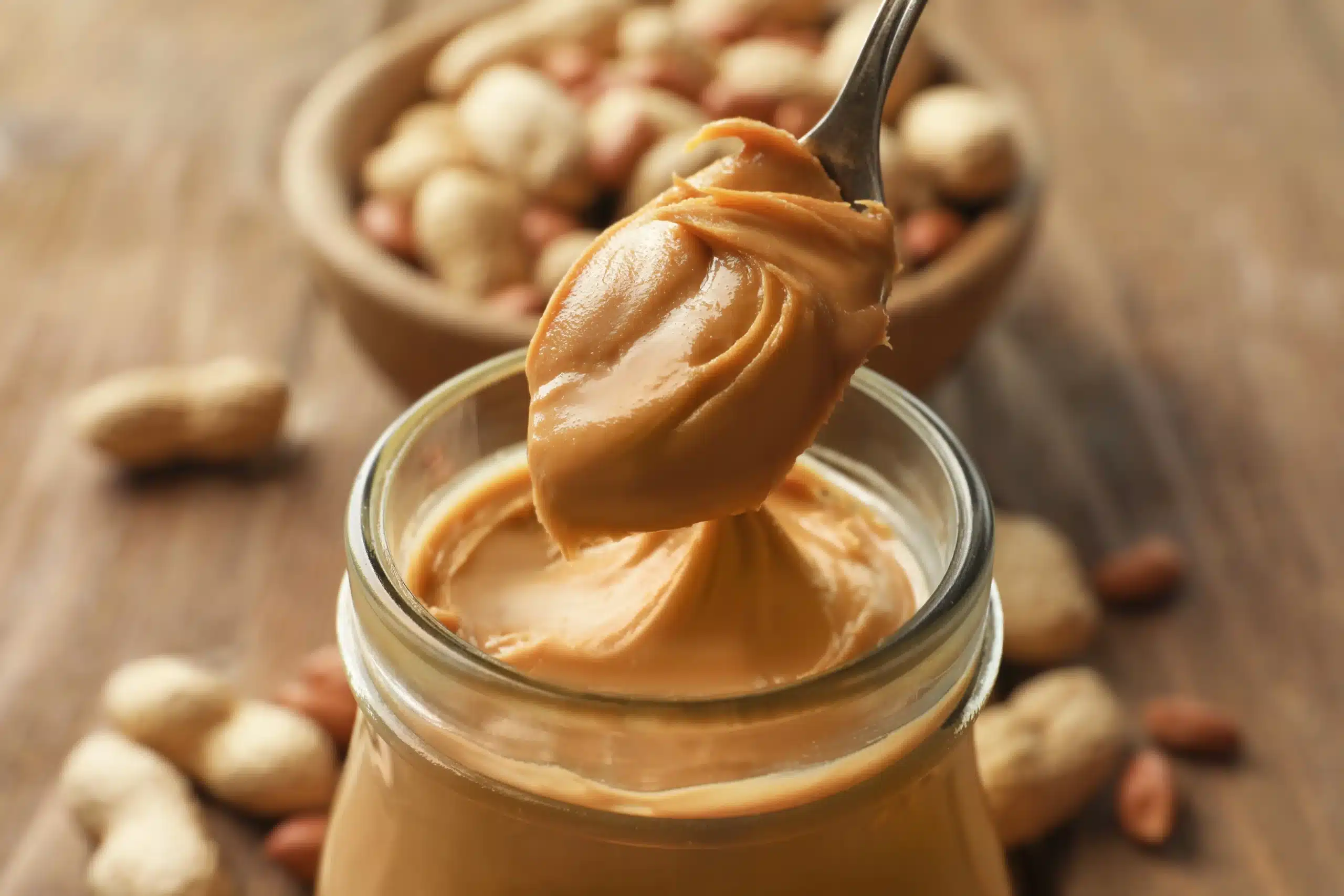
2. Banana and peanut butter on toast fingers
Banana is soft and naturally sweet. Peanut butter adds protein and healthy fat. Cut toast into easy to hold fingers, or use a soft slice of bread if chewing is harder. A thin layer of nut butter is often enough.
3. Cheese and wholegrain crackers with grapes
Cheese adds protein and calcium, while crackers offer crunch and fibre. Pair with grapes, sliced if needed. If crackers feel too hard, swap for soft bread or oatcakes.
4. Hummus with soft veg sticks or warm pitta
Hummus is a simple way to add protein and fibre. Try cucumber, roasted peppers, or steamed carrot sticks. Warm pitta can be easier to chew than raw veg, and it feels more filling.
5. Egg and avocado on toast
Eggs are an easy protein choice. Avocado adds healthy fat and a soft texture. Mash both together and spread on toast. If toast is too dry, use soft bread or add a little yoghurt to make it creamier.
6. Cottage cheese with cucumber or pineapple
Cottage cheese is high in protein and often easy to eat. Add chopped cucumber for freshness, or pineapple for a sweeter option. If texture is a concern, blend briefly for a smoother finish.
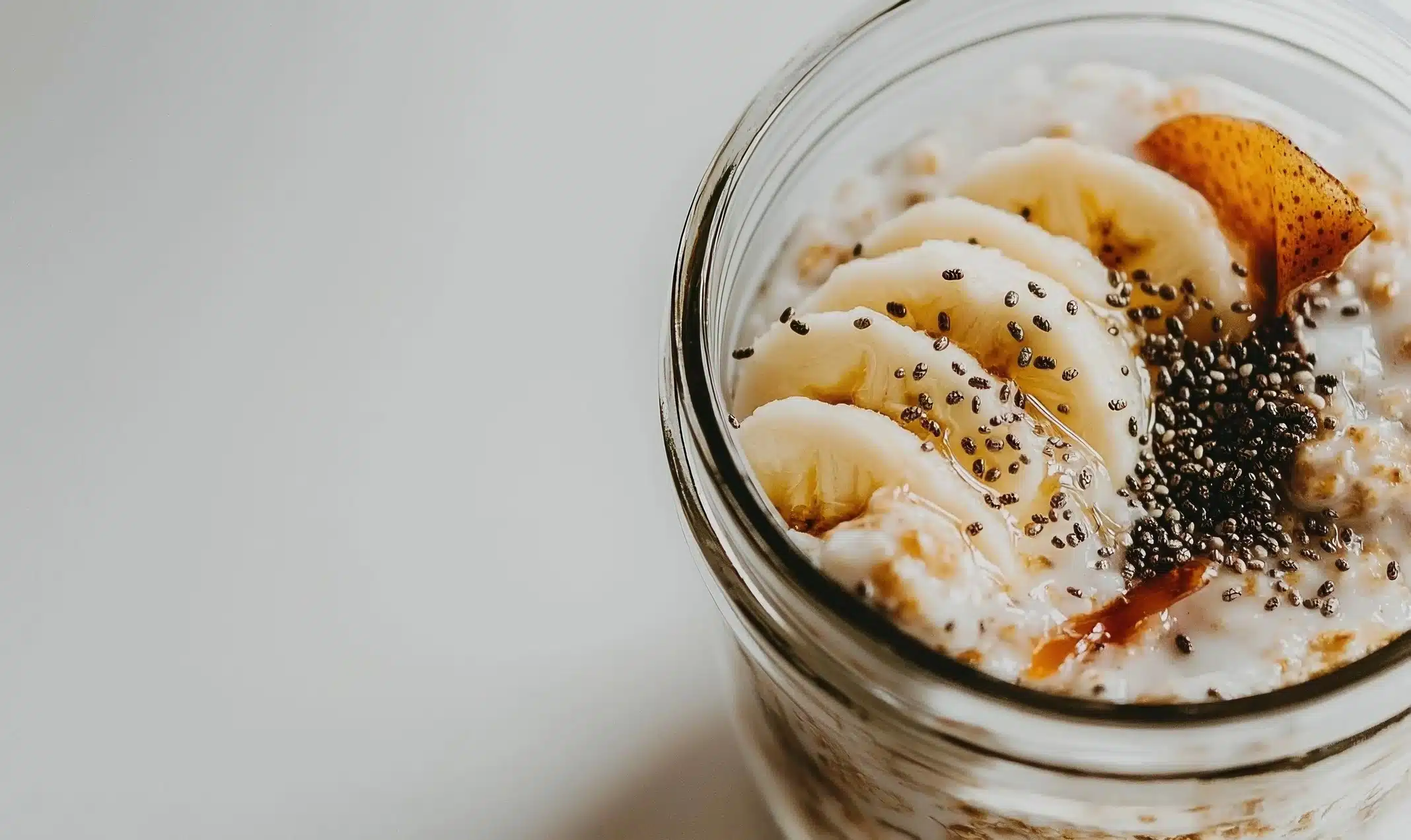
7. Overnight oats with chia and fruit
Overnight oats are soft, budget friendly, and easy to prepare the night before. Add milk or yoghurt, then stir in chia seeds and soft fruit. You can also add a pinch of cinnamon for warmth.
8. Smoothie with milk or yoghurt, fruit, and oats
Smoothies are helpful when appetite is low. Blend milk or yoghurt with banana, berries, and a spoon of oats. If weight is low, add a spoon of nut butter. If swallowing is difficult, speak to a GP or Speech and Language Therapist before offering drinks of this texture.
9. Tuna and sweetcorn on wholegrain toast
Tuna adds protein and can be mixed with a little yoghurt or mayonnaise for a softer texture. Sweetcorn adds sweetness and bite. If toast is difficult, serve as a soft sandwich or with mashed potato for a more meal like snack.
10. Warm porridge with cinnamon and chopped fruit
Porridge is comforting, soft, and easy to adapt. Use milk for extra protein, then top with chopped fruit such as apple, pear, or berries. A pinch of cinnamon adds flavour without extra sugar.
Making Snacks Safer, Easier and More Enjoyable
Small changes can make a big difference in making them healthy when it comes to snacks for the elderly.
- Keep portions small: a few bites can be enough
- Make food softer: mash, chop finely, or choose moist options
- Reduce choking risk: encourage slow eating, upright posture, and calm mealtimes
- Offer choices: two simple options helps people feel in control
- Add gentle prompts: a snack after a walk, after medication, or with a favourite programme
If chewing is painful, a dentist may be able to help with dentures or mouth dryness. If swallowing feels difficult or coughing occurs during eating or drinking, seek medical advice. Support is available, and the right texture can improve comfort and safety. If you are watching your salt intake, focus on fresh foods and simple spreads. Hydration also matters, especially if swelling is an issue.
Do not know where to start? Check some of the best meal delivery services for the elderly. Can be the starting point for a healthy lifestyle in old people, whilst making it simpler.
How Caremark Can Help with Elderly Care
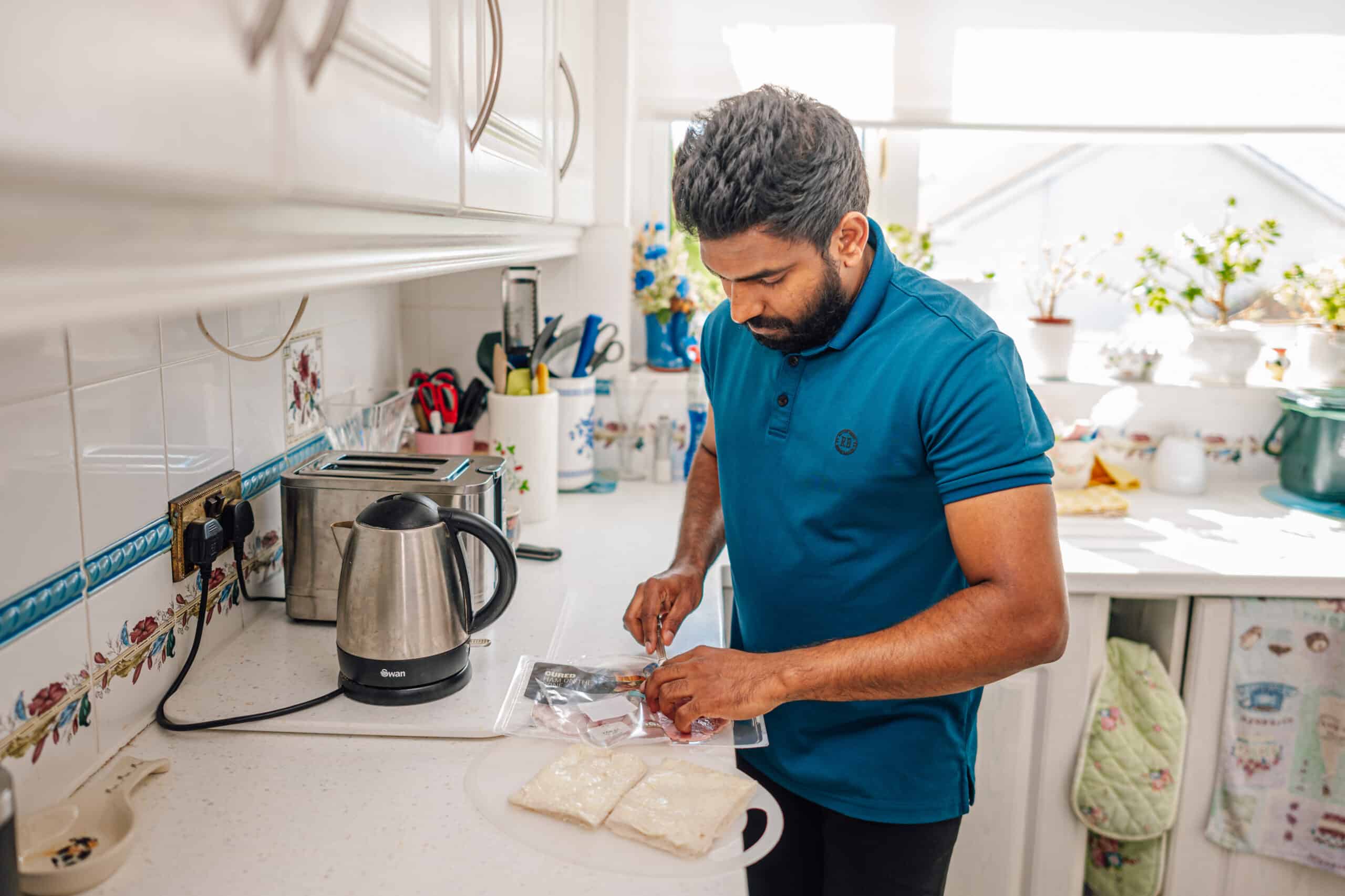
Eating well is about more than nutrition. It is about routine, dignity, and enjoying everyday life at home. At Caremark, our trained care assistants can support snack preparation in a way that feels respectful and personal. Our domiciliary care at home can support an elderly person’s main needs.
That might include help with shopping, preparing simple food, and keeping the kitchen safe and organised. It can also include hydration prompts, support at mealtimes, and friendly companionship, so snack time feels calmer and more enjoyable. For families, it offers reassurance that a loved one is being supported with consistency and kindness.
Key Takeaways
- Snacks can support energy, strength, and steady routines at home.
- Aim for simple options with protein, fibre, healthy fats, and safe textures.
- Small changes, like softer foods and smaller portions, can help appetite and comfort.
- If chewing or swallowing is difficult, seek advice early for safety and peace of mind.
- Care Assistants can support shopping, prep, hydration, and relaxed mealtimes at home.
What To Read Next
- Joyful Minds: The Best Games for Dementia Patients
- Essential Qualities of a Great Care Assistant
- 5 Great Meal Delivery Services for the Elderly
- What Are the Main Causes of Dementia?
- The Difference Between Care Homes and Home Care