

Practical Tips for Staying Warm at Home in Winter in Lambeth
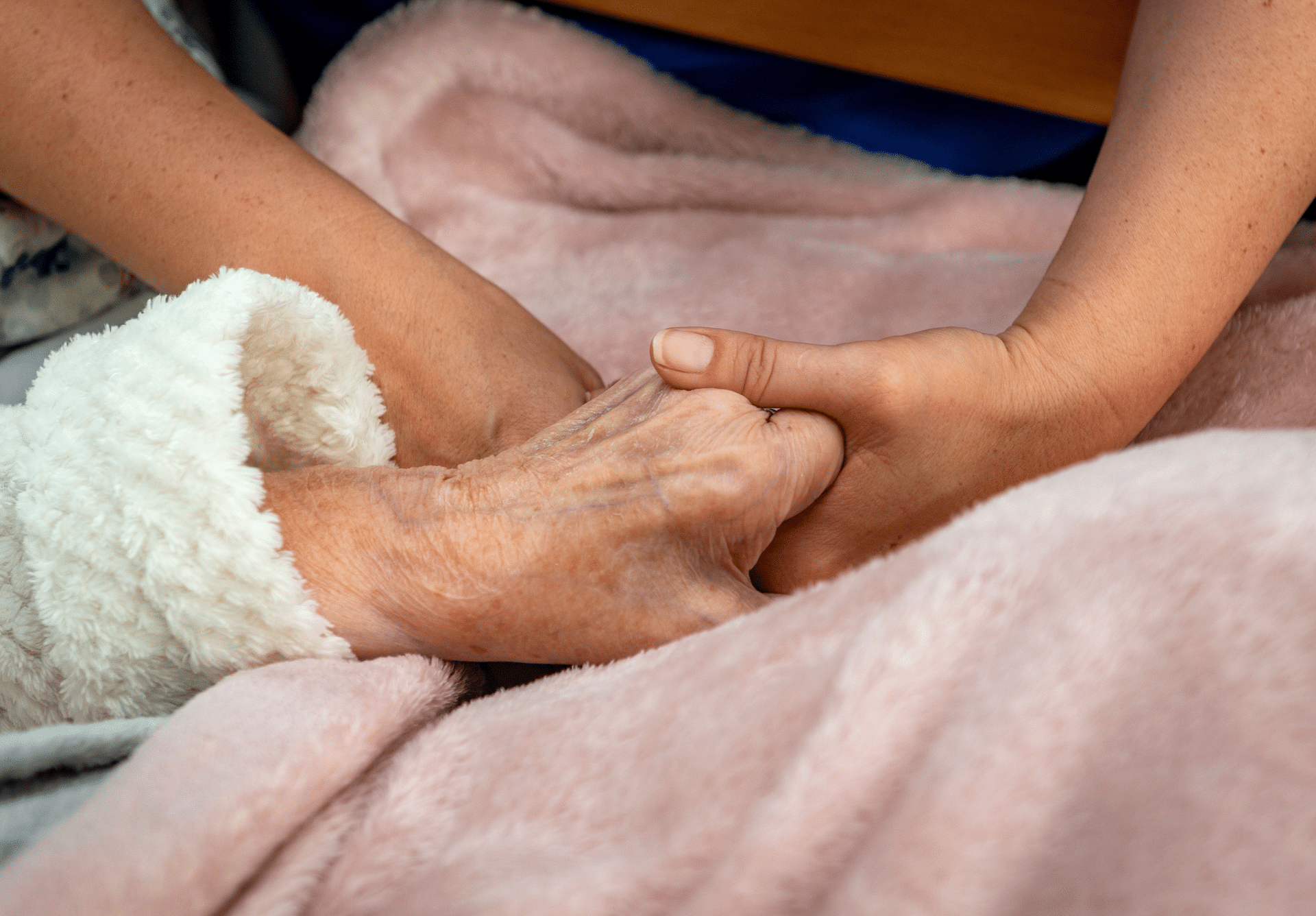
When the evenings draw in after clocks go back, it can feel like winter arrives overnight. Cooler rooms, darker afternoons and longer nights change how our homes feel. Here are clear, caring tips for staying warm at home in winter, with small changes that protect comfort, health and energy. At Caremark Lambeth, we’re here to help you stay warm, well and confident at home throughout the season.
Prepare your home for shorter, colder days
As daylight saving time ends and daylight fades earlier, set your heating to start a little sooner so living areas feel welcoming by late afternoon. The general guidance in the UK is to keep occupied rooms around 18°C, especially if you’re older or living with a long-term condition. Bedrooms can be cooler, but try not to let them sit below 16°C for long periods.
Match your thermostat and timers to your routine. If you notice it feels cooler earlier after the time change, set your heating to start 30–45 minutes sooner in the afternoon. Add a short warm-up before you get up in the morning to avoid a chilly start. These small steps can make a big difference to keeping warm in winter.
Create a simple winter checklist so nothing gets missed:
- Test smoke and carbon monoxide alarms.
- Check boiler service dates and book if due.
- Confirm thermostat schedules for morning, afternoon and evening.
- Inspect window and door seals, curtain linings and radiator access.
- Keep emergency contacts in an easy-to-find place.
Our Care Assistants in Lambeth can share printable checklists and friendly guidance. We’ll help set up routines and home adjustments that make keeping warm in winter simpler.
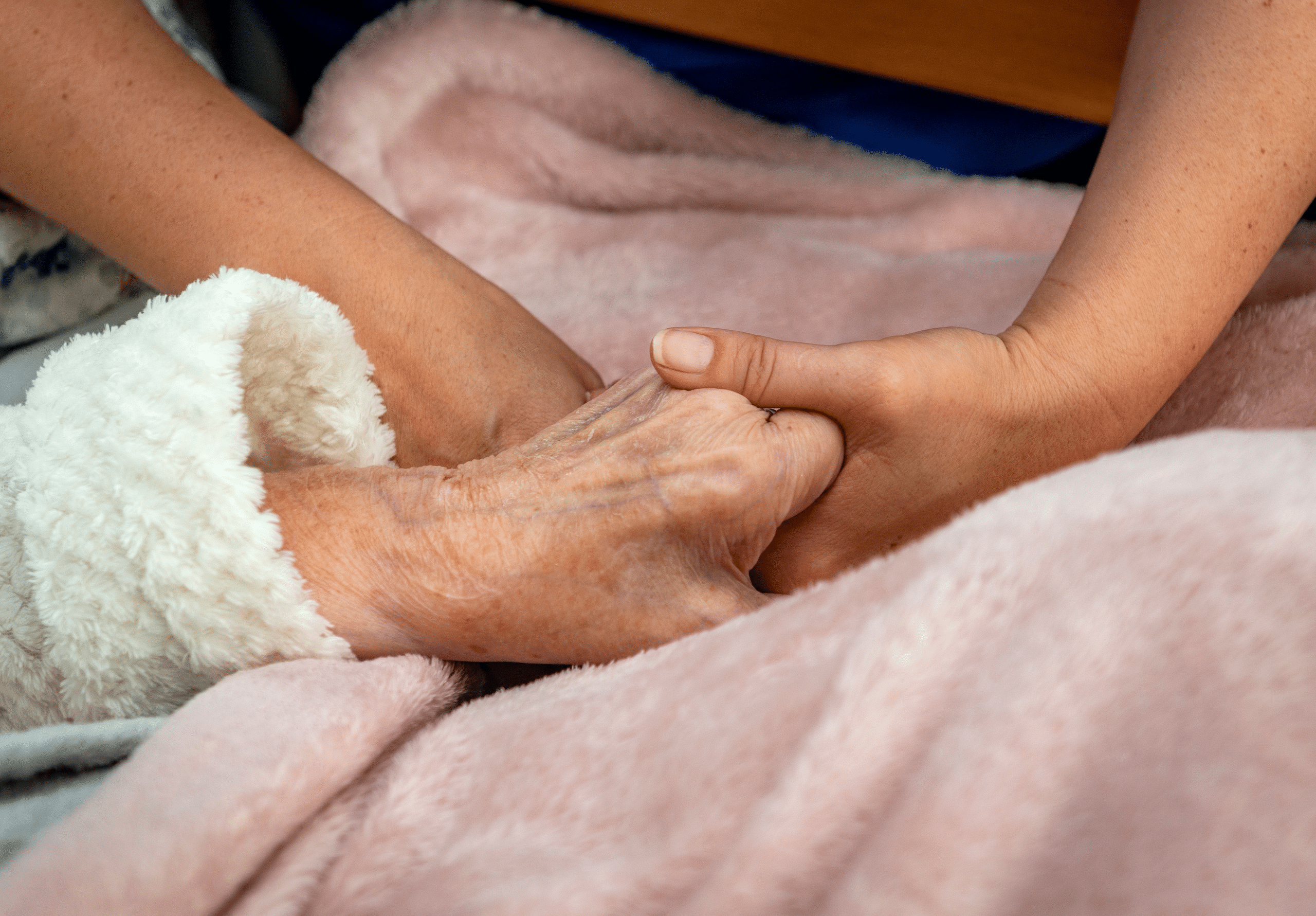
Smarter heating habits that save energy
Focus your heating on the rooms you use most and keep internal doors closed to retain warmth. If you spend evenings in the lounge, set a comfortable temperature there and lower settings in rooms you rarely use. Avoid letting any space become too cold or damp.
Programmable and smart controls reduce waste. Set different temperatures for different times of day and use features that turn the heating down when you’re out. Small tweaks help: lowering the thermostat by 1°C can cut energy use while you stay warm with layers and cosy winter comforts such as a soft throw.
Keep radiators efficient. Bleed them at the start of winter to remove trapped air. Make sure furniture and long curtains don’t block heat. Consider reflective radiator panels on external walls to direct warmth back into the room. If you have thermostatic radiator valves, set each room sensibly and avoid turning them fully off during very cold snaps to reduce condensation and pipe issues.
Daily warmth boosters: food, layers and routine
Layers work better than one bulky jumper. Choose a breathable base layer that wicks moisture, an insulating middle layer such as fleece or wool, and a comfortable top layer. Warm socks and supportive slippers with good grip keep feet toasty and reduce the risk of slips. Fabrics that trap air—wool, flannel, fleece and thermal blends—deliver reliable winter warmth and comfort.
Regular warm meals and drinks help maintain core temperature. Soups, stews, porridge and baked potatoes offer energy and comfort. Keep hydrated with hot drinks, choosing decaffeinated options later in the day. Use hot water bottles or microwaveable heat packs safely: check for wear, follow the instructions and always use a cover. Avoid boiling water and never place heat packs directly on the skin.
Shorter days can throw your routine. Build gentle movement into your evening to boost circulation—seated leg raises, ankle circles or a five‑minute indoor walk each hour. Wind down with softer lighting and a warm drink about an hour before bed. An electric blanket on a timer, used according to the manufacturer’s guidance, can add winter comforts; switch it off before sleeping unless it’s designed for overnight use and in good condition.
Health and safety: stay warm, well and supported
Know the signs your home may be too cold: seeing your breath indoors, persistent shivering, numb hands and feet, or damp patches and condensation. Prolonged exposure to low temperatures increases the risk of illness, especially for those with heart or respiratory conditions. If living spaces regularly sit below 18°C, seek advice. Our care teams can help you stay warm safely and spot issues early.
Take a moment for a safety check:
- Keep portable heaters at least one metre from furniture, curtains and bedding, and never leave them unattended.
- Place heaters on a flat, stable surface away from walkways.
- Maintain chimneys and flues, and install carbon monoxide alarms where you use gas, oil or solid fuel.
- Reduce trip hazards by managing extra rugs and trailing cables from heaters or electric blankets.
For more trusted guidance, Age UK has useful winter information. If you prefer, we can talk you through it and help put ideas into action.
How Caremark Lambeth can help you stay warm this winter
After clocks go back, everyday routines change. Our local team in Lambeth offers kind, practical care that fits your life. We can set up heating timers, check draughts, shop for nourishing meals and create a personalised plan with tips for staying warm at home in winter.
We’re proud to be recognised across the UK for safe, reliable home care delivered with heart. Our Care Assistants across Clapham, Herne Hill and Kennington are trained, DBS‑checked and supervised by experienced leaders. You’ll get honest advice, clear communication and regular check‑ins. Whether you want a quick visit to review your heating schedule, or daily companionship to help you stay warm and well, we’re here.
If you feel uneasy at home due to the cold, please contact Caremark Lambeth. We’ll listen, share straightforward tips for staying warm at home in winter, and make simple changes that help you stay warm. Together we’ll build winter comforts into your routine so keeping warm in winter feels natural, safe and affordable, even as daylight savings time ends.