

Alternative to Care Homes in North Hertfordshire
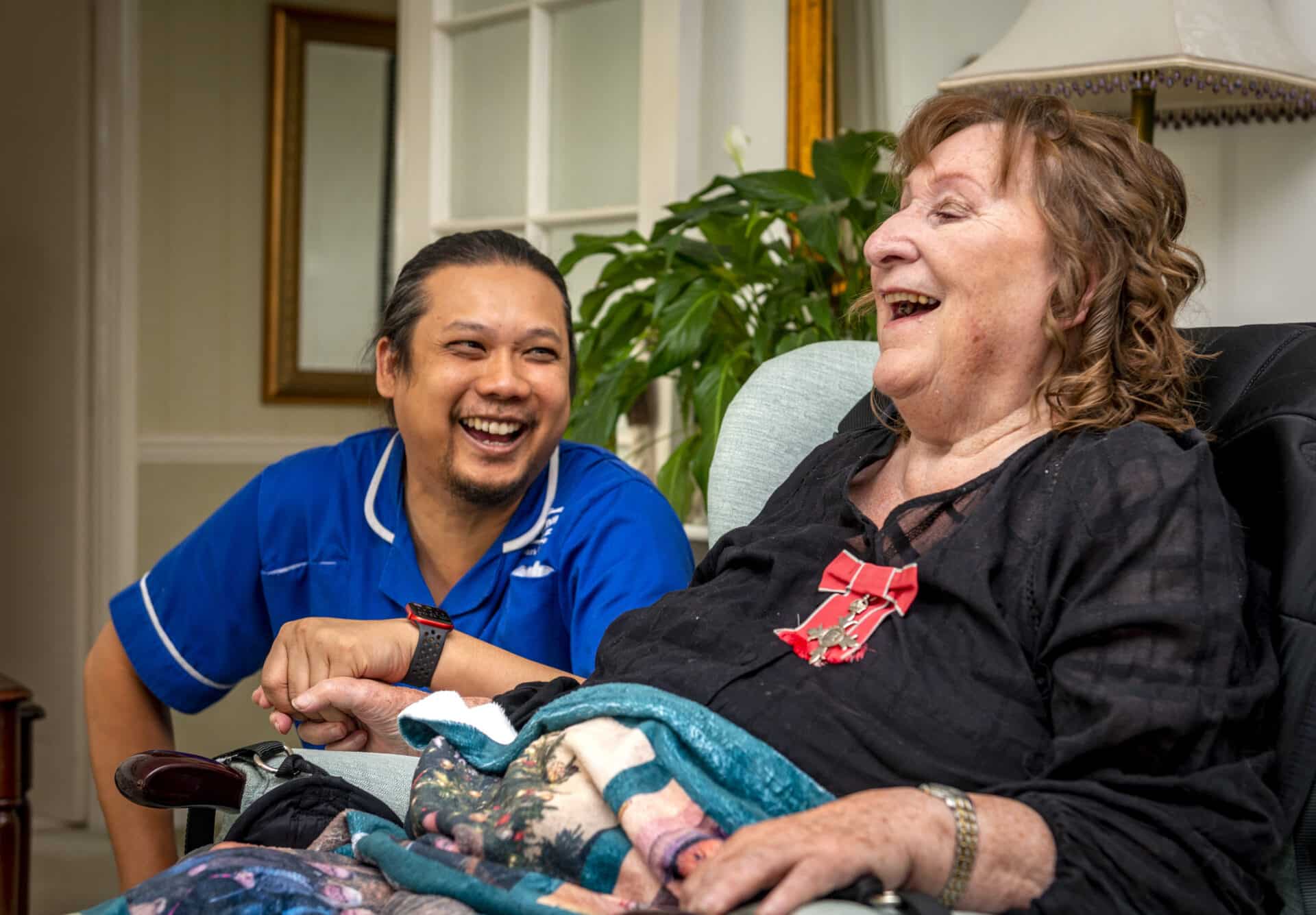
Older people overwhelmingly want to live in their own home rather than move into a care home. If you are thinking about a care home for your loved one who has high-needs support, you will be surprised to learn that continuing to receive care at home is a better alternative to a care home in Hertfordshire. It is cheaper and much more flexible.
High-quality care at home helps people stay safe, happy, independent and connected to the life they love. This guide walks you through each alternative to care homes, how they work day to day, and how our local teams can help you compare care options with confidence. It also answers common questions: What are the alternatives to going into a care home? What to do when someone doesn’t want to go to a care home? What is the least expensive type of long-term care? Do people decline faster in care homes?
Why Look Beyond the Care Home?
Home is memories, routines, neighbours, pets and treasured belongings. A care home can never replace these things. Being able to continue to live at home through high needs support supports wellbeing, allows couples to remain together, and means daily life can continue at your own pace. For many, the best alternatives to a care home include
- Live-in Care – this can be short or longer term (days to years)
- Respite support for families who need a temporary break, like travelling for work or holiday.
- Overnight Care
- Visiting Care (half-hourly or hourly)
In our experience, home care works well when three areas align:
- Clinical: stable long-term conditions, rehabilitation at home after hospital, manageable medication routines, or dementia where familiar surroundings support wellbeing.
- Practical: a suitable home layout, safe access to bathrooms and stairs, and simple equipment such as grab rails, commodes or mobility aids.
- Emotional: a strong wish to remain at home, anxiety about moving, attachment to pets, and a preference for consistent, one-to-one support.
For complex needs or require on-site clinical interventions that cannot be delivered safely at home, we will work with NHS professionals to recommend the safest path and coordinate next steps. For individuals with mobility, support can be given by trained staff using hoists, mobility assists, side sheets and other apparatus.
Live in care is cheaper than a care home. A new client recently discovered
she could save £1,000 on a two week’s of respite at a local care home for her mother
if she got live in care with Caremark North Herts and Stevenage.
She cancelled the 2 week respite at the care home.
Live-in care: More Affordable Round-the-Clock Support at Home
For continuous day and night support, live-in care offers a dedicated Care Assistant in the home. They provide daily support and are on hand at night, with agreed breaks and reliable back-up from our local team. It can be ideal for significant frailty, advancing dementia, mobility challenges, Parkinson’s, complex medication regimes, or rehabilitation after hospital.
Daily life still feels like yours. The Care Assistant helps with getting up, personal care, nutritious meals, safe mobility and exercise, and household tasks such as cleaning, laundry and shopping. They can accompany you to appointments, support hobbies and outings, and bring steady companionship that eases loneliness and anxiety. For people living with dementia, the familiar environment and consistent presence can be reassuring and stabilising.
Live-in care can offer strong value when compared with residential care, especially for couples who can remain together under one arrangement, and for individuals who benefit from dedicated one-to-one attention. For many, visiting care is the least expensive type of long-term care because you pay only for the hours used; live-in care can also be cost-effective as an alternative to care homes. Beyond cost, the quality-of-life benefits are clear: privacy, control over daily routines, the ability to keep pets, and the comfort of your own bed and belongings.
Short Term Home Respite Support
Caring for a loved one at home is physically and emotionally demanding. Many unpaid carers experience carer burnout. There will also be times you need to go away for a holiday or travel for work. Home respite support gives unpaid family carers a much-needed break. Care is delivered by a trained professional, which is safe, compassionate, and delivered in familiar surroundings.
It involves a trained professional stepping in to support your loved one for a short period of time. They help with personal care, meals, medication, companionship, shopping, home help, hobbies, etc. It can be for a few hours, days or more as needed.
Overnight Care at Home
(The conclusion subheading should also include the keyword for the article if possible)
This section allows for a conclusion on the topic and possibly adds external links relevant to further information on the topic. The text must also include the keyword of the article.
Common Questions About Home Care
You should feel safe and respected every day. Caremark North Herts and Stevenage is regulated by the Care Quality Commission. The training follows rigorous recruitment, training and supervision in the delivery of care. For those asking whether people decline faster in care homes, the evidence is mixed and depends on individual health, environment and quality of care. Many people maintain or improve wellbeing with consistent, one-to-one support at home through the best alternatives to a care home.
1. What are the alternatives to going into a care home?
Visiting care, live-in care, respite and overnight care are the preferred options for care at home. The benefits outweigh going into a care home. Care at home is more affordable, flexible, and creates better health outcomes.
Typically, hourly visiting care is the least costly because you pay only for time used, though local funding and needs vary.
2. What to do when someone doesn’t want to go to a care home?
Start with alternatives to care homes, such as visiting or live-in care; involve the person in decisions; and review regularly with professionals. Person-centred care means the individual is actively involved in the planning of the care they receive. Support is personalised, their choices respected, and their background and beliefs are respected. If a person has capacity, they have the right to refuse care.
3. What is the least expensive type of long-term care?
Typically, half-hourly or hourly visiting care is the least costly because you pay only for time used. For home care requiring longer blocks of time, live-in care and respite care can be the most affordable option, and more affordable than a care home.
About Caremark North Herts and Stevenage
Caremark North Herts and Stevenage is a trusted leader in home care, caring for thousands of people across the UK. We balance heart and head: warm, person-led support backed by clear standards and careful oversight.
Looking to enhance your quality of life?
What to Read Next
Live in Care vs Care Home in Hertfordshire: Choosing The Right Support
Compassionate Care at Your Doorstep: The Advantages of Live-in Care in Hertfordshire