

Live in Care vs Care Home in Hertfordshire: Choosing The Right Support
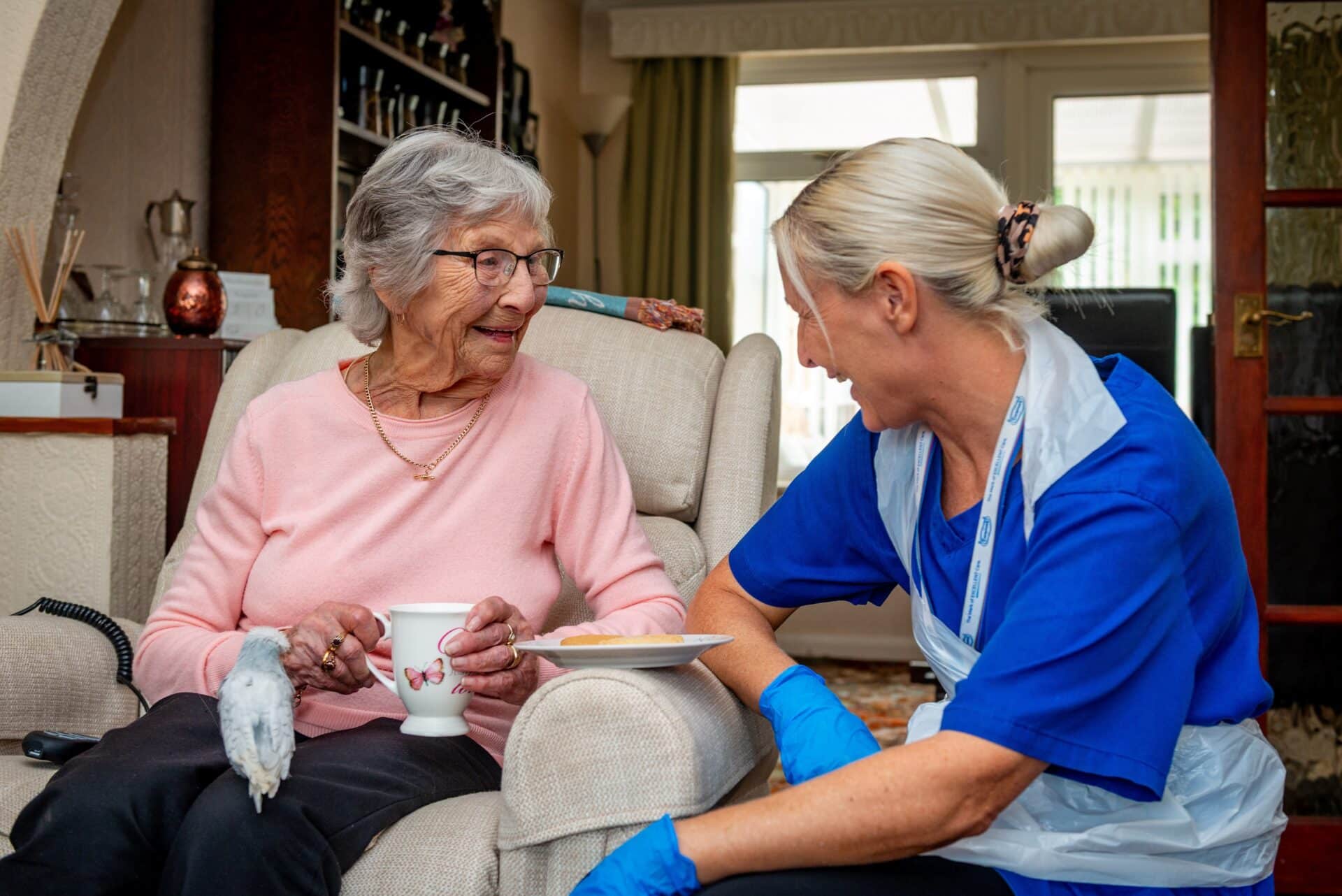
When thinking about live in care vs a care home, consider live in care as an option because it is cheaper and more flexible. One important decision many families face is living care vs care home Hertfordshire, as location and local resources can affect your choice. It helps you or someone you love stay safe, comfortable and independent in familiar surroundings. With one-to-one support tailored around your routines, live-in care is a practical, reassuring alternative to living in a care home.
The care home option is an entirely new life with completely new routines. Families must look for the red flags in care homes like rushed care, lack of staff or limited personal choice.
What is live-in care and who does it help?
Live-in care means a trained Care Assistant lives in your home to provide daily support and companionship and night-time reassurance when needed. You keep your own space, your own routines and your favourite things close by. It is personal, consistent and focused on you, in a way that can be hard to achieve when living in a care home where staff, routines and other residents’ needs can limit one-to-one attention and make the cost of home care seem less transparent.
Caremark North Herts & Stevenage supports a range of live in care needs, including dementia, Parkinson’s, mobility challenges, falls prevention, stroke recovery and more. We also provide complex care such as PEG feeding, catheter care and medication administration. We also provide sensitive end-of-life care, as well as help to ease loneliness with meaningful conversation and activities. Household tasks, meal preparation, attending appointments and even caring for pets can all be part of your plan, without the common care home red flags of inflexible mealtimes, personal care time, lack of meaningful activities or limited help with everyday life.
How is live in care arranged?
Every Caremark package is tailored. We start with a friendly, in-home assessment to understand health needs, preferences and routines. Working closely with you, we create a person-centred plan that sets out daily support, clinical tasks, favourite meals and how we share updates. These are updated as care needs change. This way the care stays safe, respectful and effective, avoiding issues that can arise in some care homes. These can include care plans not being followed, changes going unnoticed or families feeling left in the dark.
Live in care costs are clear and transparent and lets you see how it stacks up against the ongoing cost of receiving care in a care home.
Consider these things before a care home?
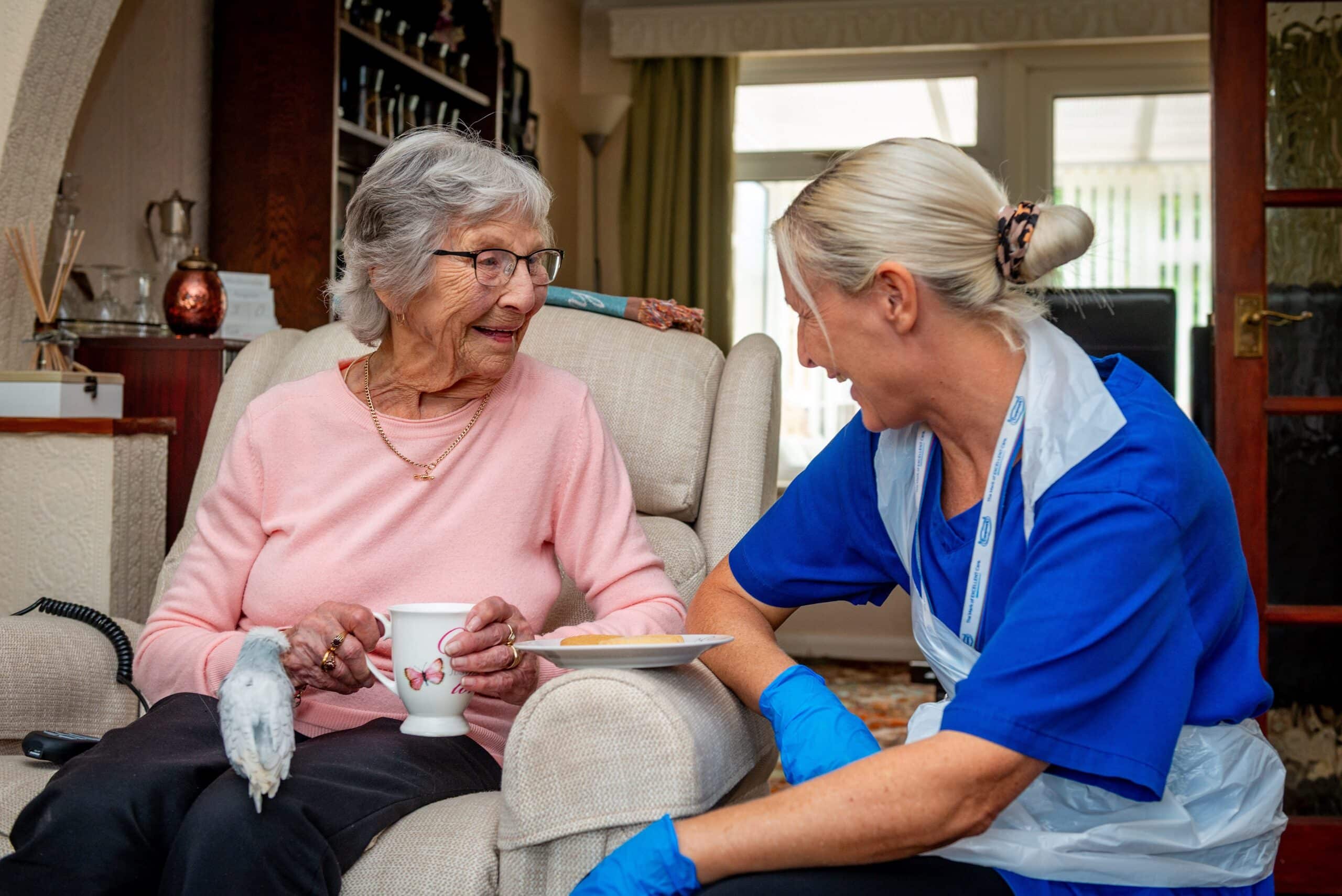
With live-in care, you keep control of daily life. You choose when to wake, what to eat and how to spend your day. The same trusted Care Assistant gets to know you well and can spot small changes early, helping to prevent problems and avoid unnecessary hospital trips. This level of continuity can be harder to maintain in a care home where staff rotas and high turnover may affect consistency, and where living in a care home can feel less personal.
For many people, live-in care delays or removes the need to move into a care home. Support can be increased gradually adding daytime hours, waking or sleeping nights, or bringing in specialist input when needed. This avoids the disruption of a move and helps you hold onto independence for longer. Before you choose a care home, think live in care. It is a cheaper and more flexible option that is built around your life, not the other way round. When you weigh up the live in care cost against the emotional impact of living in a care home, many families find live-in support offers better value overall than the total cost of domiciliary care visits or other in home care arrangements.
Home holds memories, comfort and a sense of self. Staying in familiar rooms with treasured belongings can reduce stress and confusion, especially for people living with dementia. You remain close to neighbours, local clubs, places of worship and favourite shops. Family and friends can pop in when it suits everyone, with no set visiting hours or worries about restrictive visiting policies another red flag in some care homes.
Red flags to look out for in a care home
If you are considering a care home, it helps to know the warning signs that something may not be right. Common red flags in a care home include:
- Insufficient staffing: Call bells going unanswered, residents left waiting for help, or staff appearing rushed and stressed.
- Poor cleanliness and hygiene: Unpleasant smells, dirty bathrooms, unwashed bedding or residents who do not look well-groomed.
- Lack of dignity and respect: Residents spoken to abruptly, ignored, or not involved in decisions about their daily routines.
- Limited choice and rigid routines: Fixed bedtimes, set meal options and activities with little flexibility for personal preferences.
- Few meaningful activities: Residents sitting for long periods with nothing to do, little stimulation or social interaction.
- Poor communication with families: Difficulty getting updates, staff unable to answer basic questions, or reluctance to share care plans.
- Unexplained injuries or frequent falls: Bruises, pressure sores or repeated falls without clear explanations or action plans.
- High staff turnover: Constantly changing faces, which can make it hard to build trust and continuity of care.
- Hidden or confusing fees: Extra charges for basic care, activities or “premium” services that were not clear at the outset.
Not every care home will show these red flags, but if you notice several of them together, it may be a sign that the environment is not right for you or your loved one. Live-in care can help you avoid many of these concerns by keeping care personal, transparent and centred on one individual in their own home, with the live in care costs, the live in carer cost and the overall cost in home care and cost of domiciliary care clearly set out from the start.
Making your decision with Caremark North Herts & Stevenage
Choosing long-term care is a big step. It can help to ask:
- Can I or my loved one remain safe at home with tailored support?
- Which routines, pets or community ties do we want to preserve?
- Would consistent one-to-one care improve wellbeing and reduce hospital admissions?
- How important is flexibility to increase or reduce support over time?
- What are the red flags in a care home, and have we seen any of them when visiting local homes?
- How does the live in care cost, the live in carer cost and the cost in home care compare with residential fees and the broader cost of domiciliary care?
Caremark is here to help you weigh everything up with both heart and head. We offer a free, no-obligation assessment at home to understand your needs and preferences. You will understand the live in care cost and live in care costs in clear terms, outline the cost in home care and the cost of domiciliary care, and talk through funding options such as local authority support and NHS Continuing Healthcare. We also make it easy to understand how the live in carer cost fits into your overall budget, so you can compare it confidently with the experience of living in a care home and with other live in care costs you may have seen.
About Caremark North Herts & Stevenage
Caremark North Hertfordshire and Stevenage has consistently achieved high client satisfaction. Since 2014, they have continued to support people to live safely and independently at home and make a real difference in the quality of life of families.
Providing homecare services in Letchworth, Stevenage, Knebworth, Hitchin, Baldock, Royston and surrounding villages. If you are not ready to receive home care, our knowledgeable team can answer your questions. They can help you navigate what the best care is for you or your loved one. Contact us using the link below.
Looking to enhance your quality of life?
What To Read Next
Answers to the Most Frequently Asked Questions on Live In Care