

Guide to Reduce Swollen Ankles in Elderly People
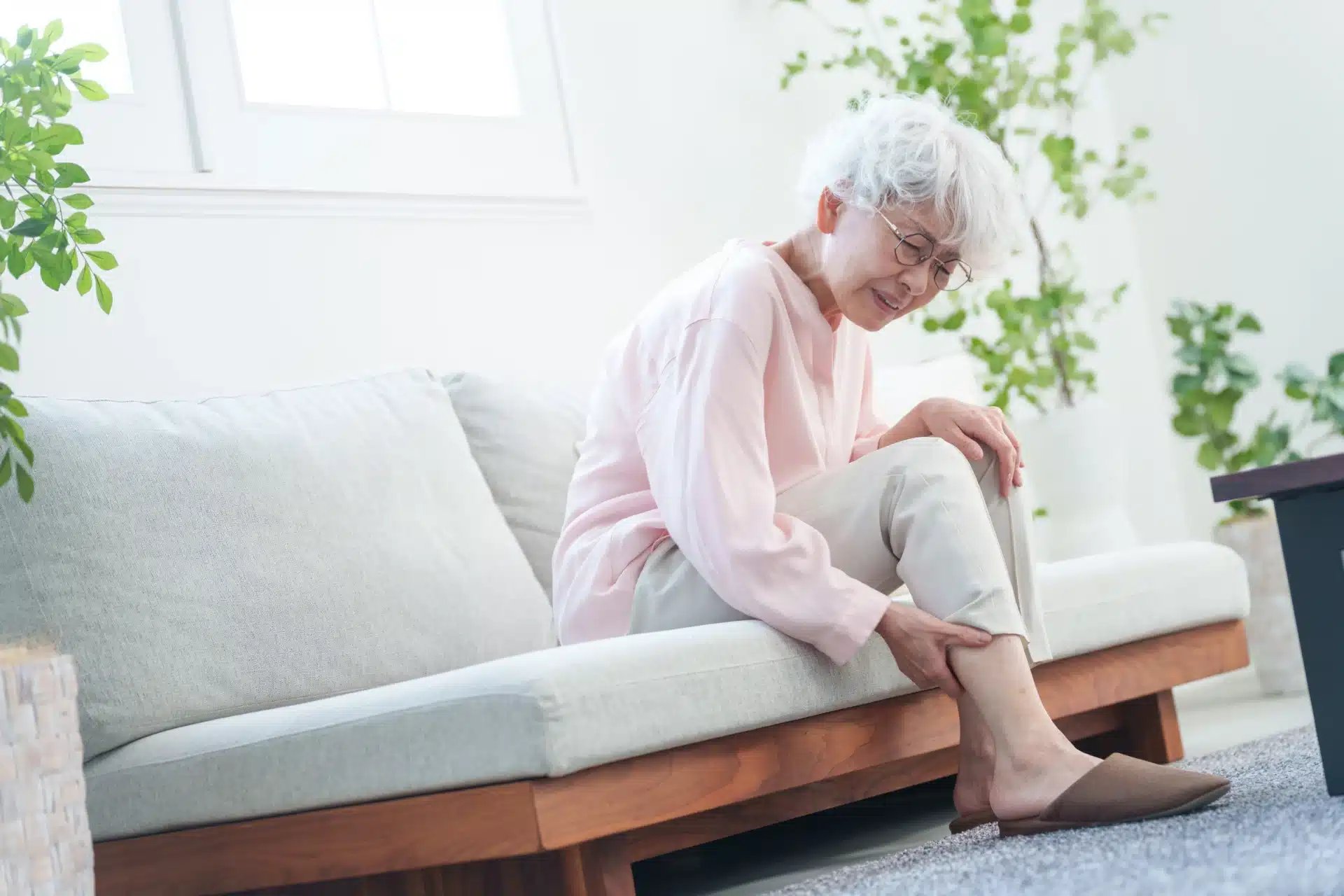
Swollen ankles are a common concern for many elderly individuals. They often cause discomfort and make it hard to carry out daily activities. This guide will delve into the various causes. It will also provide detailed, easy-to-follow steps to ease the swelling. We will explore lifestyle adjustments, exercises, and when to seek professional medical advice. At Caremark, we offer personalised home care services. We also create customised routines and provide essential support for your loved ones.
Understanding the Causes of Swollen Ankles in Elderly
The medical term for swollen ankles in elderly is Oedema. This occurs due to fluid accumulation in the lower parts of the body. As people age, they may experience changes in circulation. This then results in more frequent swelling. Prolonged periods of sitting or standing can worsen the condition. Swollen ankles in elderly may be caused by health conditions such as heart failure or arthritis. Medication side effects can contribute too. Warm weather, and minor injuries or infections can also worsen the symptoms.
Signs of swelling include puffiness around the ankles, skin tightness, and general discomfort. These symptoms can all hinder mobility and increase the risk of falls. In rare cases, swelling might point to more serious health issues. For example, deep vein thrombosis or cardiac problems. So, monitoring any changes in the condition is crucial in preventing potential complications. With the right support, it is possible to manage swollen ankles at home.
What Is Swollen Ankles a Sign Of?
Swollen ankles can sometimes be a sign of an underlying health condition. Common causes include poor circulation, heart or kidney problems, and side effects from medication. It can also result from sitting or standing for long periods, injury, or warmer temperatures.
If you notice swelling in only one ankle, or if it appears suddenly, it might point to a more serious issue such as a blood clot. Pain, redness, or warmth around the area should never be ignored. In these cases, you should contact your doctor straight away. Regular monitoring and early attention can prevent serious complications.
Effective Home Remedies and Lifestyle Adjustments
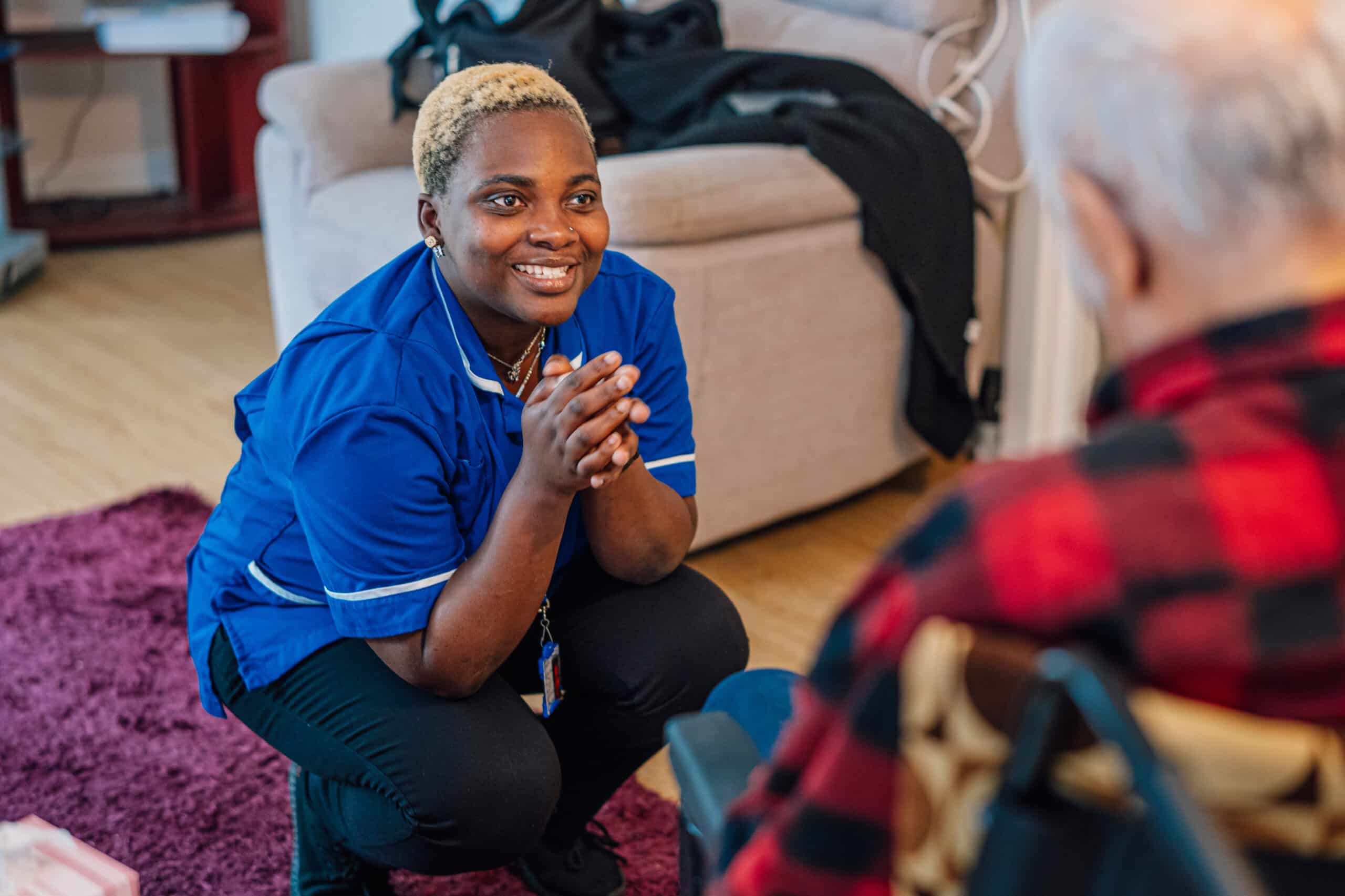
To manage and reduce fluid retention, you can lower salt intake, as sodium can lead to increased water retention. A balanced diet rich in fruits, vegetables, and lean proteins supports general health. Hydration is vital as it helps in removing excess fluids from the body. Additionally, limiting the intake of caffeine and alcohol can promote better fluid balance.
Elevating the legs above heart level can improve circulation and reduce swelling. Try to avoid crossing your legs, and incorporate ankle movements into your routine. Wearing supportive shoes can also help ease pressure on the ankles.
Compression stockings also help to prevent fluid pooling in the lower limbs. Choosing the correct size and compression level is crucial for their effectiveness. If swelling continues or you are in pain, you should seek professional medical advice.
Incorporating Beneficial Exercises to Reduce Swollen Ankles in Elderly
Engaging in gentle exercises can enhance circulation, which is crucial in reducing swelling. Simple exercises such as ankle pumps, ankle circles, and heel-to-toe raises can help. Seated marching and calf stretches are excellent for improving flexibility. They should be practiced two to three times a day in short sessions.
Safety should always come first, so make sure to wear supportive footwear. You should also use a chair or stable surface for balance. It’s important to begin with slow, controlled movements. If you have any health concerns, consult your GP or physiotherapist before exercising. Staying hydrated and choosing the right time of day for exercise can also help.
Regular movement helps fluid to return from the ankles to the torso. It’s important to break up long periods of sitting with short walks or light stretching. This can also prevent stiffness and improve mobility. Caremark can integrate these mobility routines into daily life, ensuring consistency and safety.
How Do You Relieve Swollen Ankles?
To relieve swollen ankles, combine rest, movement, and lifestyle changes. Elevate your feet several times a day and include gentle ankle exercises in your routine. Compression socks can also help improve circulation and reduce fluid build-up.
Avoid sitting still for long periods and try to keep active with short, regular walks. Drinking plenty of water and limiting salt intake will help your body maintain a healthy fluid balance. If swelling continues or becomes painful, it is best to seek professional advice. Caremark care assistants can help you follow these steps safely and make them part of your daily routine.
How to Get Rid of Swollen Ankles Fast
If you want to reduce swelling quickly, start by resting and raising your legs above heart level for at least 15 to 20 minutes. This helps blood flow and allows fluid to drain back toward the upper body. Applying a cool compress or soaking your feet in cold water can also bring relief.
Gently move your ankles while sitting to keep circulation active. Avoid tight shoes or socks, as these can make swelling worse. Stay hydrated, and try to cut back on salty foods that cause fluid build-up. If you can, go for a short walk to encourage better blood flow in your legs. Even small changes can make a big difference in how fast you feel relief.
When to Seek Medical Advice
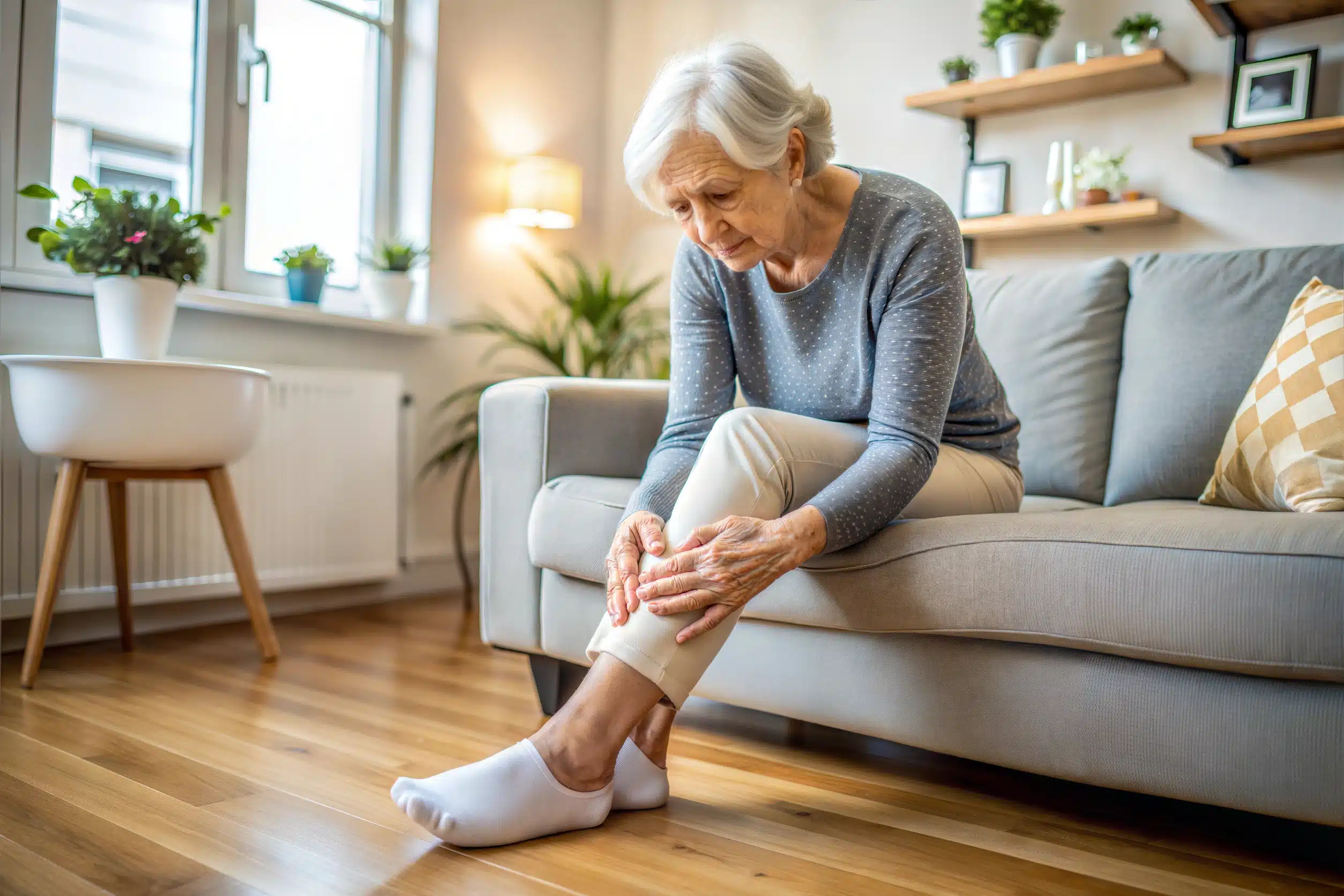
It’s crucial to seek urgent medical advice if you experience sudden, severe, or one-sided swelling. This may be accompanied by redness, warmth, or symptoms such as shortness of breath or chest pain. A healthcare provider should investigate any persistent swelling. This is to rule out any underlying conditions.
Early assessment and intervention can prevent serious complications. Keep a detailed record of swelling, as well as your medications and fluid intake. This can be helpful during medical appointments.
Tailored Support from Caremark
At Caremark, we provide compassionate, personalised home care, tailored to every person’s needs. Our trained care assistants are here to support with everyday tasks. This includes mobility, leg elevation, hydration, dressing, and tackling swollen ankles in elderly. Our care is always delivered with dignity, respect, and a genuine commitment to wellbeing.
How Caremark Can Help
At Caremark, we provide high-quality, professional care that empowers individuals to live their best lives. Our kind and trustworthy care assistants are key to the tailored care we provide. Our customers are at the heart of everything we do, so we strive to support every one of their needs in managing their conditions.
Would you like to learn more about the care services we provide? Get in touch and discover how we can support you or someone you love. From personal care to live-in care, we are here to help.
Key Takeaways
- Swollen ankles in elderly, also known as Oedema, result from fluid accumulation and can be caused by various factors such as poor circulation or prolonged sitting.
- To manage swollen ankles, consider lifestyle adjustments such as reducing salt intake, staying hydrated, and engaging in gentle exercises.
- Home remedies include elevating the legs, using compression stockings, and avoiding long periods of inactivity to promote better circulation.
- Seek medical advice if sudden swelling occurs, especially if accompanied by pain, redness, or other serious symptoms.
- Caremark offers personalised home care services to support elderly individuals in managing swollen ankles and enhancing their quality of life.