

The Difference Between Care Homes and Home Care

Choosing care is a big decision, and it can feel overwhelming. Understanding the difference between a care home and home care can make that decision clearer and more confident. In this guide, we explain the key differences. We also explore how Caremark supports people to live safely, comfortably, and happily in their own homes.
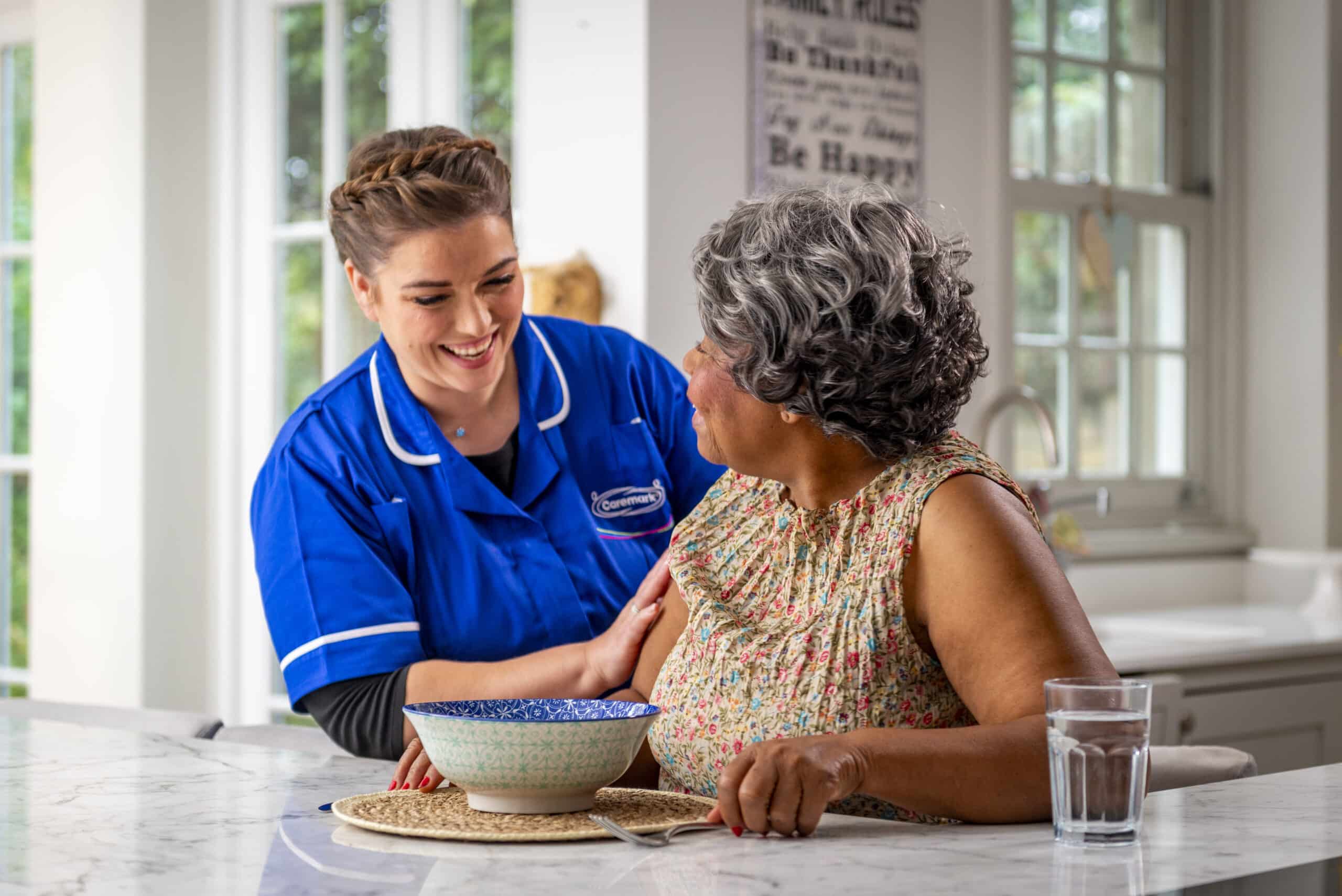
What is a Care Home?
A residential setting where people live full-time. Care is provided by on‑site staff, day and night.
Services may include:
- Accommodation, meals, and help with daily activities
- Communal lounges and dining areas
- Planned activities and a structured routine
- 24‑hour staff presence
Some care homes also provide nursing care. These homes have registered nurses available to deliver clinical support.
This may be the right choice if someone needs continuous supervision, complex clinical support, or prefers a residential environment with shared facilities.
What is Home Care?
Personalised support in your own home. Care is delivered by trained Care Assistants and tailored around your needs. Support can range from a few hours a week to full 24‑hour live‑in care. It can be adjusted as circumstances change.
Services may include:
- Personal care, medication support, and meal preparation
- Housekeeping, companionship, and help with mobility
- Respite care for family carers
- Condition‑specific care, including dementia, Parkinson’s, and palliative care
Home care suits people who want to remain independent in the place they live. It’s ideal for older adults, people living with long‑term conditions or disabilities, and those recovering after a hospital stay.
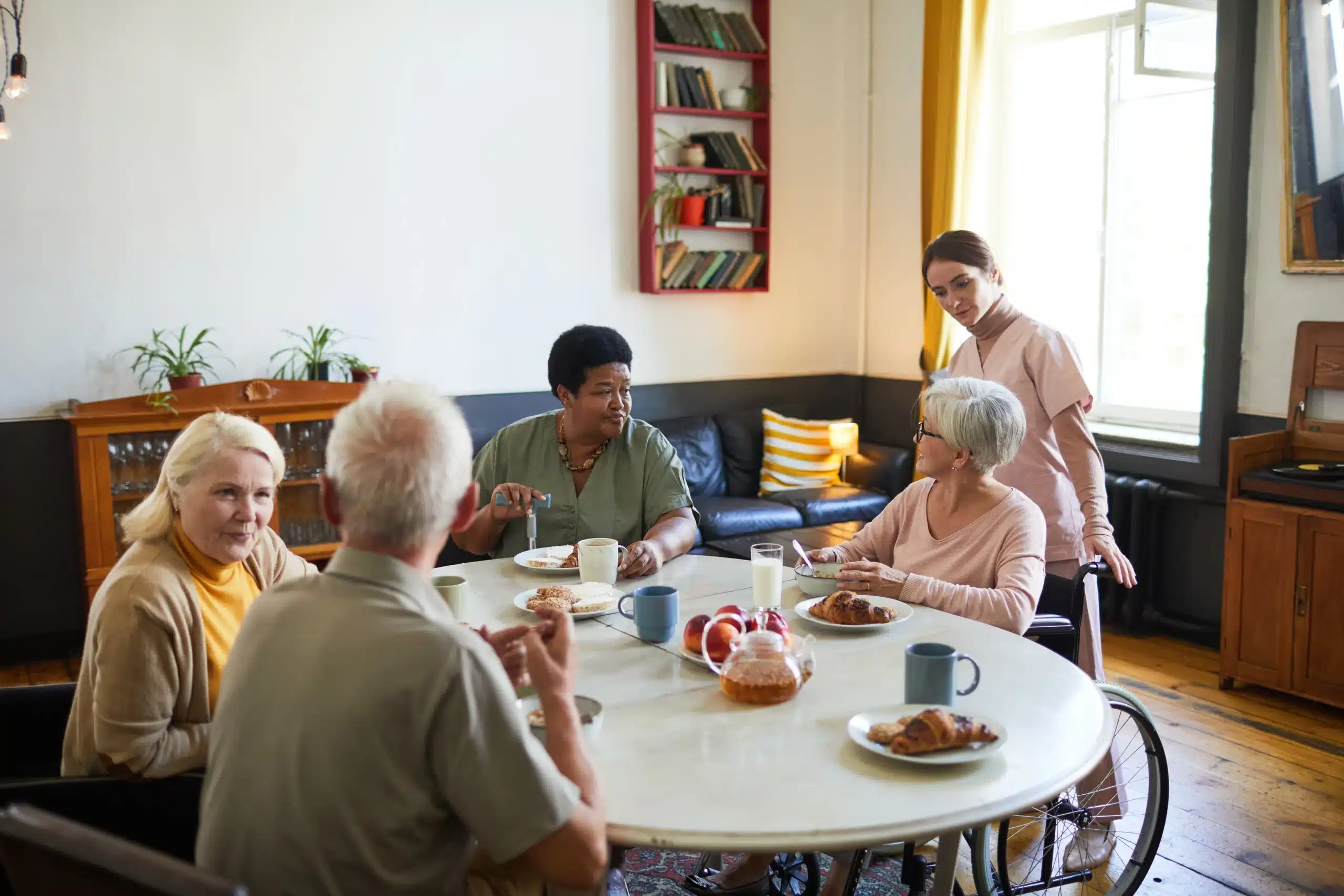
The Key Differences Between Care Homes and Home Care
There are quite a few differences between care homes and home care, from settings to support. However, to help us understand, here are the main differences:
- Cost: Home care is usually charged per visit, per hour, or as a live‑in package. This makes it flexible and scalable. They typically charge a weekly or monthly fee. This usually includes accommodation, meals, and care.
- Lifestyle: Home care supports your existing routines, pets, and local connections. Care homes follow structured schedules with shared spaces and organised activities.
- Funding: Both options may be funded through local authority support, NHS Continuing Healthcare, or self‑funding. Eligibility depends on care needs and financial assessments.
How to Decide What’s Right
Start by thinking about the level of help needed. Consider safety at home, clinical requirements, social preferences, and budget. Family support and availability also matter. In many cases, adaptations, assistive technology, or increased care hours can make staying in the place you live possible. For others, a care home may offer reassurance through round‑the‑clock supervision.
A needs assessment is an important first step. Involve the person receiving care wherever possible. Short‑term trials can also help, such as increasing visits or arranging respite care. Planning ahead is key.
Caremark offers free, no‑obligation assessments. We provide transparent pricing and clear guidance at every stage. We also work closely with health professionals and local authorities to ensure safe, joined‑up care.
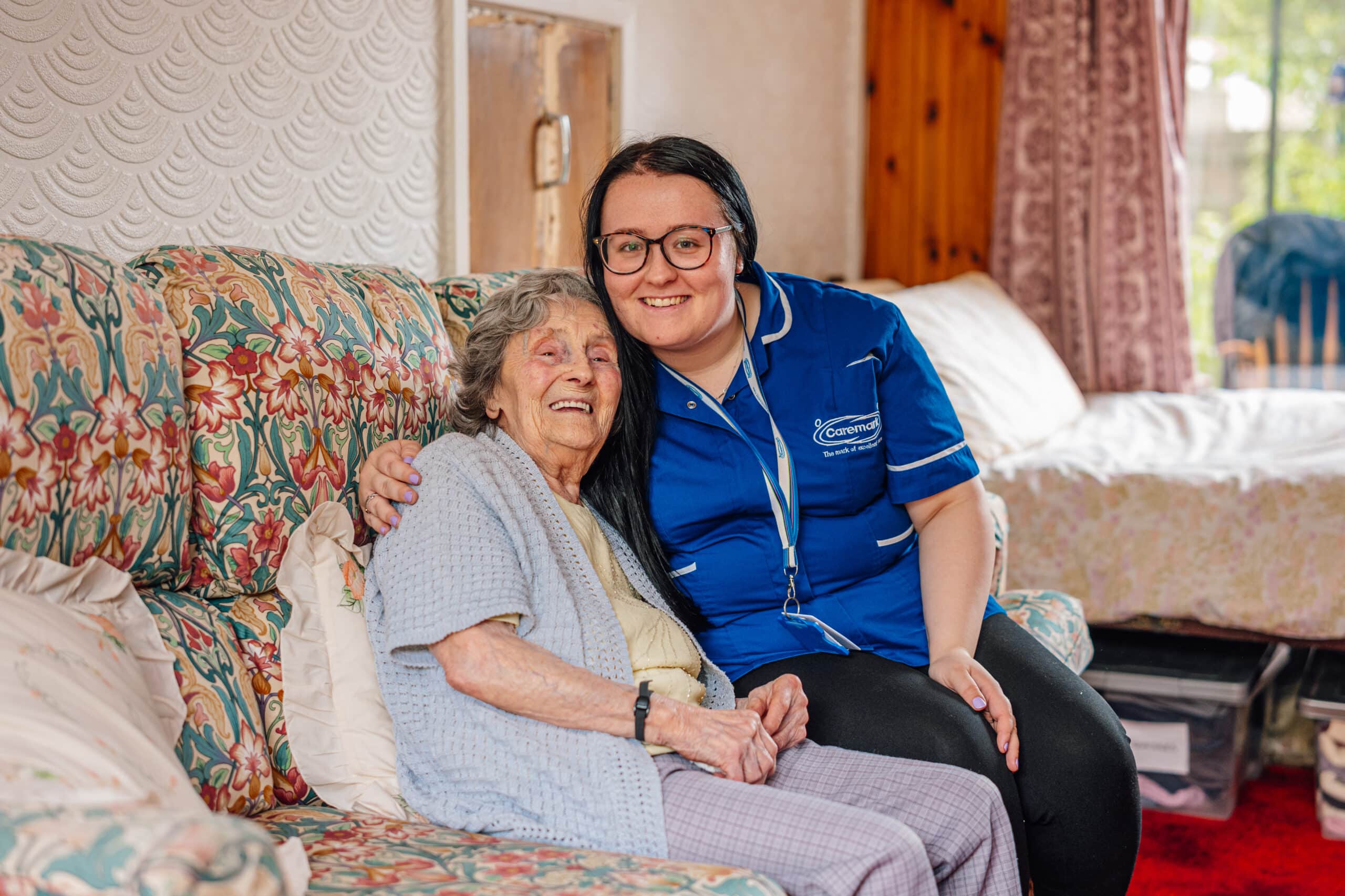
The Benefits of Home Care with Caremark
Staying at home means remaining in familiar surroundings. Daily routines, personal belongings, and community connections stay close. This familiarity can support confidence, wellbeing, and independence. Care visits are arranged at times that suit you. Support fits around your life, not the other way around.
Caremark creates a personalised care plan for every individual. Plans reflect your wishes, goals, cultural preferences, and health needs. As circumstances change, care can be increased, reduced, or adapted. With Caremark, families benefit from clear communication and professional perspectives. Our Care Assistants are trained to high standards and provide consistent, reliable care. Regular updates and reporting offer reassurance and peace of mind.
How Caremark Can Help
At Caremark, we provide high-quality, professional support that empowers individuals to live their best lives. Our kind and trustworthy care assistants are key to the tailored care we provide. Our customers are at the heart of everything we do, so we strive to support every one of their needs in managing their conditions.
Would you like to learn more about the care services we provide? Get in touch and discover how we can support you or someone you love. From dementia care to live-in care, we are here to help.
Key Takeaways
- Home care provides personalised support at home, while a care home is a residential setting for full-time care.
- The key difference between care home and home care includes flexibility in cost and lifestyle choices.
- Home care allows for independence and retains familiar routines, whereas care homes focus on structured environments.
- Both options may be funded through various sources, so eligibility depends on care needs and financial assessments.
- Caremark offers professional home care tailored to individual needs, facilitating safety and comfort at home.
What To Read Next
- Weekend Employment Opportunities for Flexible Jobs
- Guide to Emergency Respite Care
- How to Find Live-in Care Jobs in the UK
- The Incredibles 2025 Event: A Celebration of Care Assistants
- Alzheimer’s vs Dementia: What’s the Difference?
- Guide to Volunteering with Older People