

Mental Health Support in Milton Keynes: Support to Stay Well at Home
MiltMilton Keynes is one of the fastest-growing places in England. With growth comes pressure: busy lives, long commutes, people living far from family, and an older population that is rising quickly. For many residents, mental health problems follow quietly behind.
At Caremark Milton Keynes, we provide mental health home care in Milton Keynes that helps people stay safe, well and independent in the homes and neighbourhoods they know. Our service is doctor-led, with leadership experienced in psychiatry, and our Care Assistants are local people who understand the city.
This guide looks at what the latest data tells us about mental health in Milton Keynes, the signs that someone may need extra help, and what good support at home really looks like.
Mental health in Milton Keynes: what the data shows
Demand for mental health support in Milton Keynes has grown sharply in recent years, faster than the city itself. Here are the key local figures:
- 30,507 adults in Milton Keynes had a recorded diagnosis of depression in 2022/23, around 11% of adults registered with a GP and a record high for the city.
- About 2,240 adults are registered with a serious mental illness such as schizophrenia or bipolar disorder (2022/23).
- Referrals to adult NHS mental health services almost doubled, from 11,388 in 2018/19 to 21,519 in 2022/23.
- Referrals for children and young people rose by around 200%, reaching about 12,000 in 2021/22.
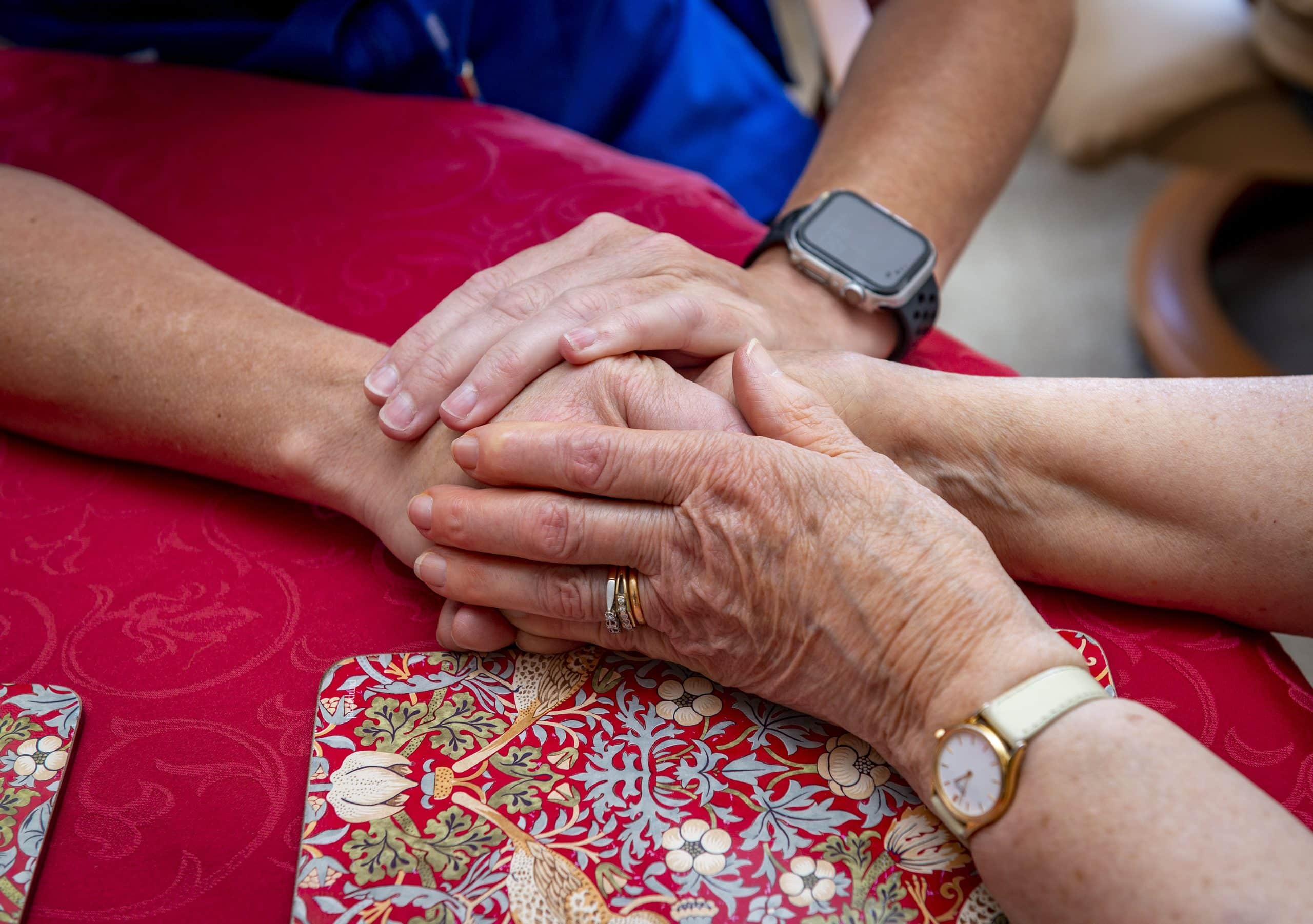
Older people and dementia
Milton Keynes is ageing fast. The over-65 population grew by 43.6% between the last two censuses and is expected to reach 50,300 by 2030. The number of residents aged 85 and over is set to double to around 10,200 by 2040.
In 2023, 2,827 people aged 65 and over in Milton Keynes had a dementia diagnosis, plus around 69 adults with young-onset dementia. That number is projected to rise to 4,738 by 2040. Most people living with dementia want to stay at home for as long as possible, and with the right support, many can.
Suicide: help often comes too late
A Milton Keynes suicide audit found that 91 people died by suicide between 2019 and 2021. Nearly 8 in 10 were men, and the average age was 43. Strikingly, 6 in 10 had been in contact with services in the year before they died, and over a third had seen their GP in the final month. This shows how much early, consistent, everyday support matters.
Signs someone may need extra help at home
Mental illness rarely announces itself. More often, it shows up in small changes to everyday life. You might notice that a loved one:
- Is spending more time in bed, or struggling to get washed and dressed
- Is skipping meals, or the fridge is often empty
- Has post and bills piling up unopened
- Has stopped seeing friends, going to work or leaving the house
- Is forgetting medication or missing appointments
- Seems more withdrawn, anxious, irritable or confused than usual
- Is letting the home become cluttered or unsafe
None of these signs alone means someone has a mental health condition. But if several appear together, or last more than a couple of weeks, it may be time to talk to their GP and think about extra support. Home care can’t replace medical treatment, but it can make everyday life feel manageable again while treatment does its work.
What mental health home care looks like day to day
Good mental health support at home is practical, consistent and built around the person, not the diagnosis. Every plan is different, but support from Caremark Milton Keynes often includes:
Morning routines that set up the day. A friendly visit to help someone get up, wash, dress and have breakfast can turn a day spent in bed into a day with purpose.
Medication and appointments. We give medication prompts and support people to attend GP, hospital, clinic and therapy appointments, including travelling across the city.
Food, home and money. We help with shopping, meal preparation, light household tasks and keeping on top of post and bills, so small worries don’t grow into big ones.
Getting out and staying connected. We support people to visit the shops at centre:mk, walk around the lakes and parks, attend clubs and places of worship, or return to work and volunteering.
Companionship. For people who are lonely or isolated, a regular visit from someone who listens can be as valuable as any practical task.
Night and live-in care. For people who need more, we offer night, waking-night and live-in support.
We match each person with a Care Assistant who suits their personality, and keep the same faces wherever possible. Trust grows from consistency, and it is a familiar carer who is most likely to notice when something changes.
Supporting families and working with local services
Caring for someone with a mental illness can be exhausting, especially when you are juggling work and family of your own. Our respite visits and overnight support give family carers a proper break, with peace of mind that their loved one is safe.
We also work alongside the services already supporting people in Milton Keynes, including GPs, Central and North West London NHS Foundation Trust (CNWL) community mental health teams, Milton Keynes Talking Therapies, Adult Social Care and social prescribers. We don’t replace clinical care; we help people live well around it. With the person’s consent, we share what we notice so the wider team can act early.
Milton Keynes also has excellent community resources, from the Mind BLMK Crisis Café to Smile:)MK wellbeing courses and Arts for Health. Our local team knows these services well and can help people make use of them.
Areas we cover in Milton Keynes
From our office at Douglas House on Simpson Road, our local team supports people across Milton Keynes, including:
Bradwell, Campbell Park, Danesborough, Denbigh, Emerson Valley, Furzton, Hanslope Park, Linford, Loughton Park, Middleton, Newport Pagnell, Olney, Sherington, Stantonbury, Stony Stratford, Walton Park, Whaddon, Wolverton and Woughton.
Live nearby but don’t see your area? Give us a call; we are always happy to talk.
How to get started
Anyone can contact us, whether you are looking for support for yourself or a loved one, or you are a GP, social worker or social prescriber.
- Call or email us to tell us what’s happening.
- We respond within 2 working hours to acknowledge your enquiry and confirm capacity.
- We arrange a free home assessment, contacting you within 24 hours to agree goals and a personal care plan.
- Your matched Care Assistant starts, with regular reviews as needs change.
Frequently asked questions
What is mental health home care? It is practical and emotional support in your own home, such as help with daily routines, meals, medication prompts, appointments and getting out, for people living with a mental health condition.
Do I need a diagnosis or a GP referral? No. You can contact Caremark Milton Keynes directly for yourself or a loved one. GPs, social workers and social prescribers can also refer.
Do you only support older people? No. We support adults of all ages in Milton Keynes, from young adults living independently for the first time to older people living with dementia.
Can you help someone after a stay in hospital? Yes. Our hospital discharge and reablement support helps people settle back home safely, rebuild routines and reduce the risk of readmission.
Will we have the same Care Assistant each time? We match each person with a Care Assistant who suits their personality, and keep the same faces wherever possible for continuity and trust.
Can you support someone living with dementia? Yes. Our Care Assistants provide dementia-informed care at home, and we offer respite so family carers can take a break.
How is mental health home care paid for? Care is privately arranged and priced after a free, no-obligation home assessment. We can also signpost you to advice on funding support.
What should I do in a mental health crisis? We are not an emergency service. If someone is at immediate risk, call 999. For urgent mental health support, call NHS 111 and choose option 2. The Mind BLMK Crisis Café is open every evening on 01525 722 225, and Samaritans are free to call on 116 123, 24 hours a day.
Talk to Caremark Milton Keynes today
If you or someone you care about needs mental health home care in Milton Keynes, our friendly local team is ready to help. Contact Caremark Milton Keynes.
Sources
Milton Keynes City Council: Mental health and wellbeing
Update on Adult Mental Health Services in Milton Keynes, CNWL and BLMK ICB, January 2024
Depression is on the increase in Milton Keynes, MK Citizen, August 2024
Milton Keynes City Council Dementia Strategy, January 2024
Milton Keynes Suicide Audit 2019–2021