

When a little extra support at home might make life easier
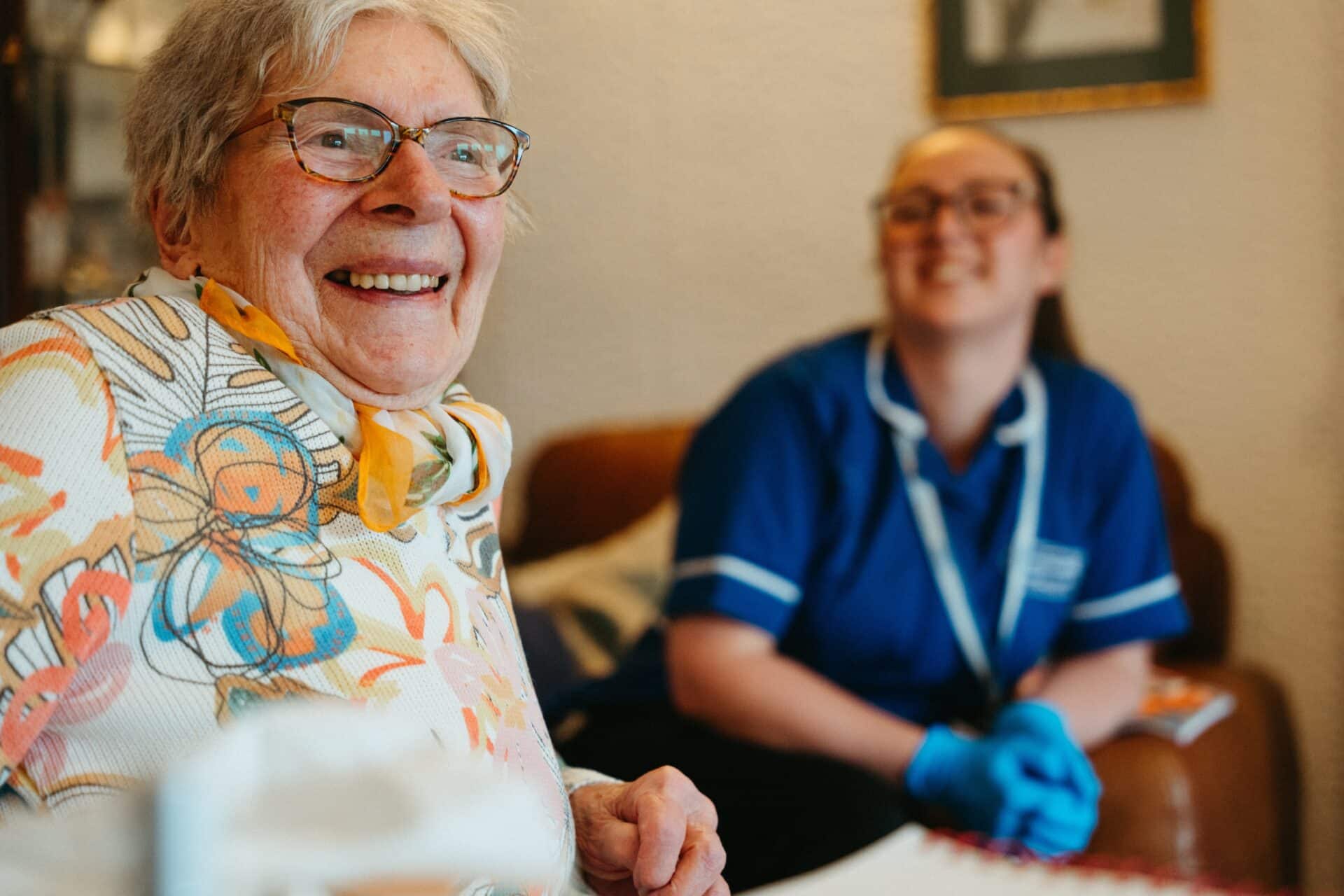
As our loved ones, friends or acquaintances grow older or face health challenges, it’s natural to wonder when a little extra support at home might make life easier, safer and more fulfilling.
The need for home care doesn’t always appear suddenly; more often, it shows up in subtle changes that gradually become part of daily life.
Recognising these early signs can make a world of difference — preventing crises, reducing stress for families and helping individuals maintain independence for as long as possible.
Recognising the signs
Below, we explore the seven key signs that someone may benefit from home care support and how Caremark Leeds Bradford can provides compassionate, professional assistance tailored to each person’s needs.
Sign 1: Increasing Difficulty with Daily Tasks
If everyday activities like cooking, cleaning, laundry or shopping are becoming overwhelming, this is often one of the earliest signs that support is needed. You may notice, for example, unwashed dishes piling up, laundry piling up, empty cupboards and a home that’s less tidy than usual.
These changes can indicate physical limitations, fatigue, or cognitive decline.
Sign 2: Changes in Personal Hygiene
A decline in personal care can be a sensitive but important indicator. Look out for a loved one wearing the same clothes repeatedly, unwashed hair, body odour or difficulty bathing or grooming.
This may signal mobility issues, fear of falling or reduced motivation.
Sign 3: Mobility Challenges or Frequent Falls
Struggling to move around safely at home, or experiencing falls, is a major red flag. Even one fall can lead to serious injury, loss of confidence and reduced independence.
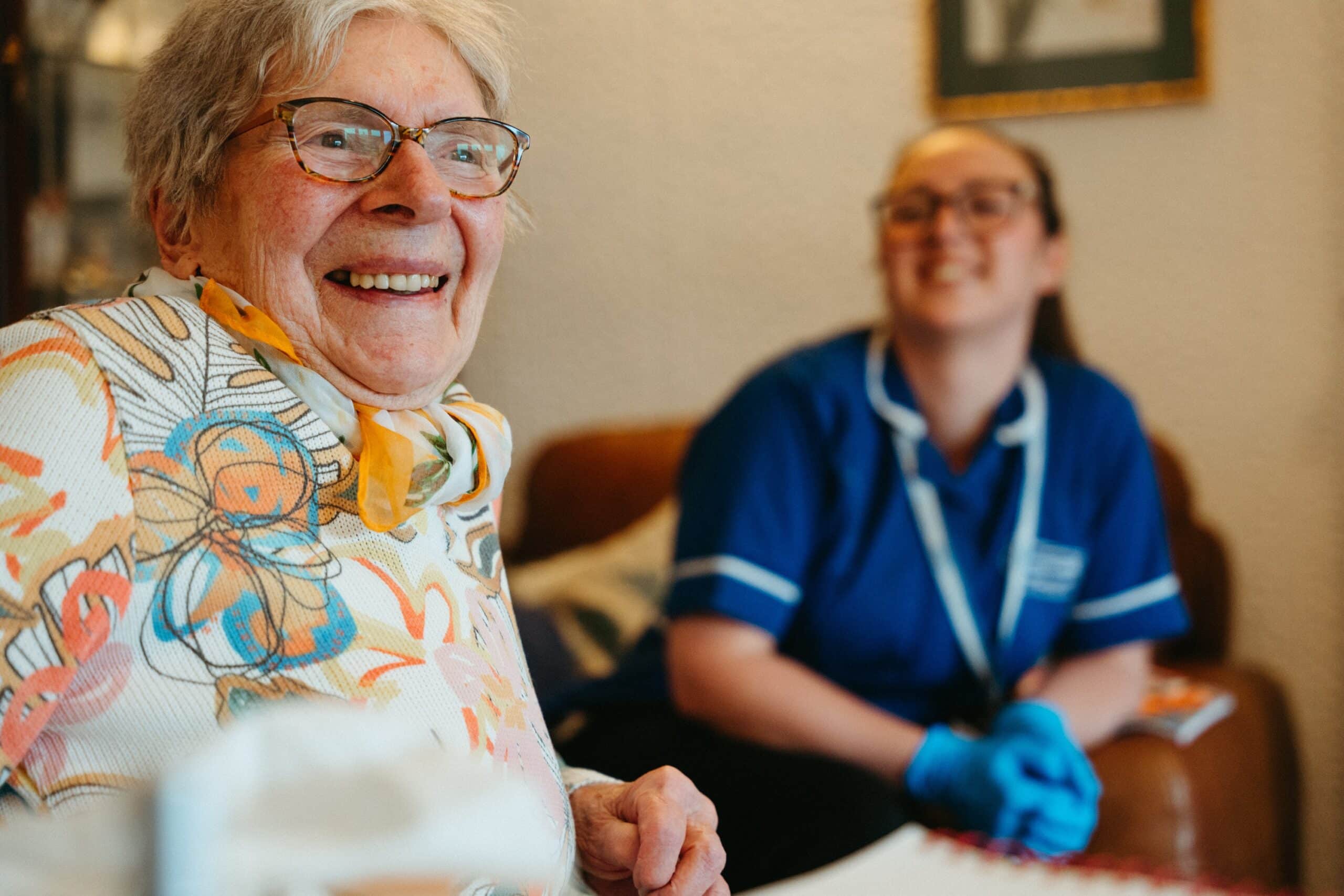
A loved one may benefit from companionship
Sign 4: Forgetfulness or Cognitive Changes
Memory lapses can be normal with age, but persistent forgetfulness may point to something more serious. Signs include missing appointments, forgetting to take medication, leaving appliances on and getting confused in familiar places. These changes can put someone at risk without proper support.
Sign 5: Loneliness or Social Withdrawal
Isolation can have a profound impact on mental and physical health. A loved one may benefit from companionship and emotional support if they are seeing fewer friends, avoiding social activities and expressing feelings of loneliness.
Sign 6: Changes in Eating Habits
Poor nutrition is often overlooked. Warning signs include weight loss, empty cupboards, reliance on ready meals and forgetting to eat.
Home care can ensure meals are prepared safely and regularly.
Sign 7: Carer Burnout
Sometimes the clearest sign is not from the person needing care, but from the family member providing it. If you’re feeling overwhelmed, exhausted, or unable to keep up, professional support can relieve pressure and improve everyone’s wellbeing.
We create personalised care plans
We recognise that every individual is unique — and so is their care. This means we create personalised plans based on health needs, daily routines, personal preferences and cultural or dietary requirements.
We can support with everything from persona care (washing, dressing, grooming) and meal preparation, through to medication reminders and companionship and a lot more in between. And we can do this from a 30-minute call through to 24-hour live-in care.
Spotting the signs early and seeking support isn’t a sign of weakness but an act of love. Home care can transform daily life, offering safety, independence and companionship while giving families peace of mind.
Caremark Leeds Bradford is ready to support you with compassionate, professional care tailored to your needs. Whether you’re exploring options for yourself or a loved one, reaching out for guidance is the first step toward a safer, happier future at home.
About Caremark Leeds Bradford
If any of these signs are causing you concern, then why not view our care services in Leeds and care services in Bradford to see how we can use our expertise to make a difference and help your loved one, friend or acquaintance live safely and independently in the comfort of their own homes.