

Why Familiar Routines Matter for People Living with Dementia in Cambridge
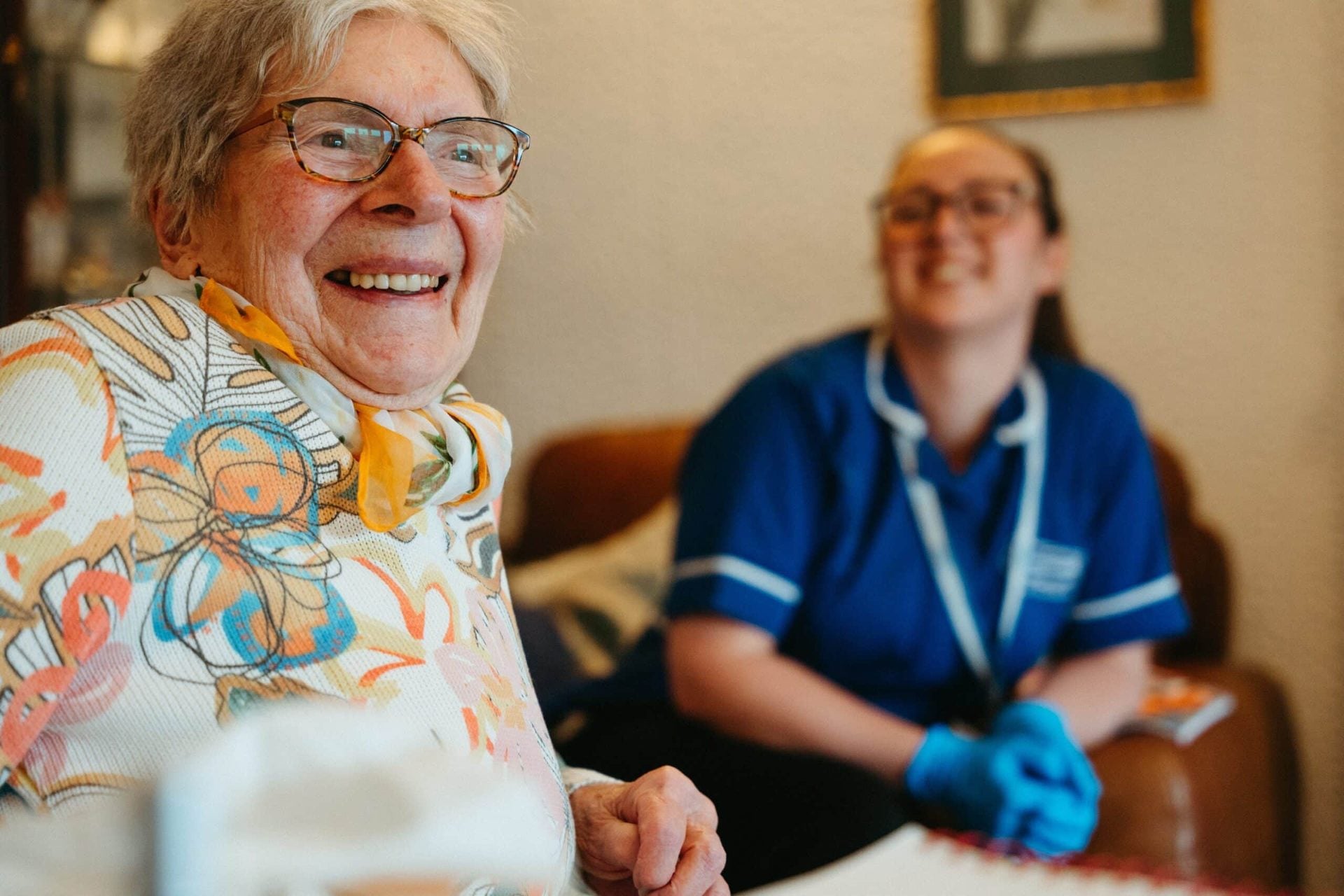
Across Cambridge and South Cambridgeshire, a steady daily routine can make day-to-day life easier for someone living with dementia. Establishing familiar routines is especially helpful for people with dementia in Cambridge. Morning tea, a short walk past familiar terraces, or BBC Radio Cambridgeshire in the kitchen can offer reassurance. When memory changes, predictable steps reduce uncertainty.
Why Familiar Routines Matter for People Living with Dementia
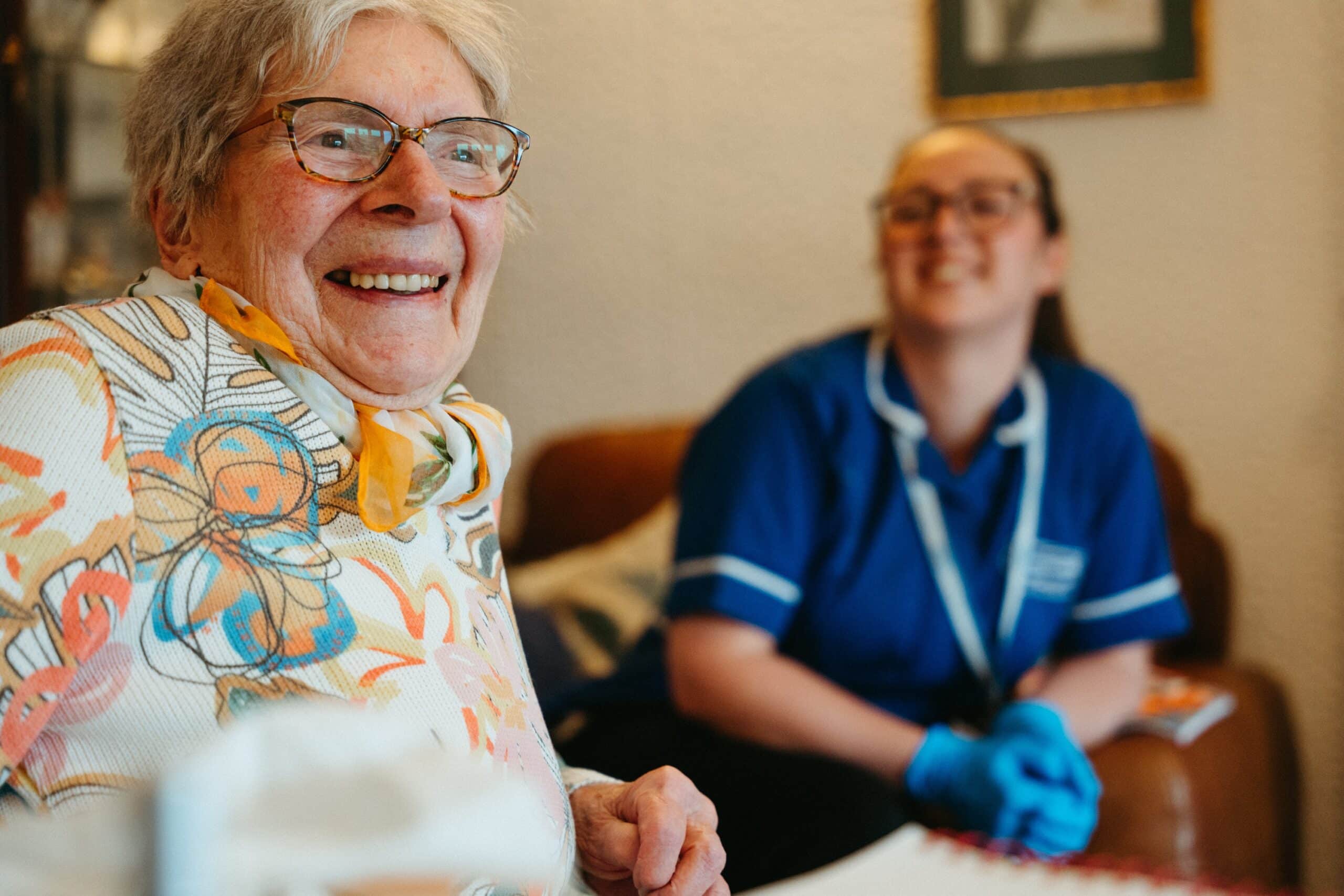
Routines create simple markers in a day that can otherwise feel unpredictable. Starting mornings the same way often eases anxiety and supports sleep, appetite and confidence. Families across find that straightforward sequences—wash, dress, breakfast—reduce friction and set a calmer tone.
Daily routines act as useful prompts: a favourite chair signals reading time, a photo board starts a chat, and a lunchtime radio cue reminds everyone it’s time to eat. Small, repeated cues maintain dignity by focusing on familiar foods, routes and places. The routine supports, rather than restricts, daily life.
When the routine holds, days flow more smoothly. There’s less confusion and more time for connection. For households juggling work, school and care, dependable touchpoints help the person with dementia—and everyone around them—feel secure and involved.
The Role of Familiar Places, People and Daily Habits
Place matters. Local streets and green spaces hold memories—a bench by the Cam, paths through Jesus Green, a favourite library shelf. Short, familiar walks in Town or near Grantchester Meadows can build confidence and encourage gentle activity while staying connected to the community.
People matter too. Familiar faces—neighbours, the postie, a regular barista—offer reassurance. Consistent visitors notice changes and adapt. Over time, shared routines respect everyday preferences: milk first in tea, sunlight on the armchair, or turning the TV volume to a comfortable level.
Daily habits tie the day together. Folding laundry, watering herbs, reading the Cambridge News, or setting the table keep hands busy and minds engaged.
Supporting Independence While Adapting to Change
Living with dementia does not mean someone suddenly loses their independence. In many cases, small adjustments can help people continue with familiar routines and everyday activities for longer. Laying out clothes in order, keeping toiletries in the same place, serving familiar meals, or creating a comfortable space for reading or relaxing can all help maintain confidence and reduce frustration.
Simple prompts can also be helpful. A clear clock, a calendar, or a reminder note on the fridge may make daily tasks easier to manage without taking away a person’s sense of control. Activities such as watering plants, knitting, reading the newspaper or helping with simple household tasks can provide purpose while supporting existing skills and interests.
As dementia progresses, routines may need to be adjusted. The key is to support rather than take over. Families can often help by encouraging involvement in everyday tasks and respecting personal preferences wherever possible. With the right balance of support and independence, people living with dementia can continue enjoying many of the routines, hobbies and activities that are important to them.
Local Dementia Support in Cambridge and South Cambridgeshire
Local services can fit around home routines and provide practical help. The Alzheimer’s Society offers a local Dementia Adviser service, Carer Information and Support Programmes, and peer groups. Dementia UK’s Admiral Nurses provide specialist advice for complex situations. Cambridgeshire County Council’s Adult Social Care can arrange carer assessments, respite, and equipment to make home safer.
Useful local resources include memory cafés in Over, Trumpington and central Cambridge, which provide opportunities for social connection and dementia-friendly activities. Families can also access advice and support from the Cambridgeshire & Peterborough Dementia Resource Centre, Age UK Cambridgeshire & Peterborough, Care Network Cambridgeshire, which offers community support and transport schemes. Additionally, the Cambridgeshire and Peterborough Carer Support Service, which provides guidance and support for unpaid carers, including information about respite and wellbeing support.
Community venues help keep routines active: church-hall singing groups, library reminiscence sessions, walking groups in parks, and social clubs at local community centres. The journey to and from these activities can be as valuable as the sessions, building confidence with familiar routes and faces.
Conclusion
Familiar routines offer a practical foundation. They help people with dementia stay connected, reduce anxiety and support dignity. Simple rituals—sunlight at the table, a neighbour’s wave, a favourite song—make daily life feel manageable.
As needs change, support can be added gradually, keeping what matters most. With familiar places, trusted people and steady habits, each day can remain meaningful and shared. Routine, grounded in local life and backed by community support, helps everyone move forward with confidence.
About Caremark Cambridge & South Cambridgeshire
Caremark Cambridge & South Cambridgeshire keeps the rhythm of home at the centre of care. We match customers with consistent Care Assistants who learn the details that matter—favourite walks, how tea is made, when news is welcome, and the best chair by the window. Clear communication and continuity turn routines into comfort and independence.
We combine practical support with a warm, person-centred approach. Visits align with existing habits, gentle prompts build confidence, and links to local groups keep support consistent at home and in the community. Whether we add a little help or adapt to new needs, we preserve identity and connection with care that feels like home.
Families can explore the support available through Caremark Cambridge & South Cambridgeshire, including dementia, companionship and home care services tailored to individual needs and routines.