

Age-Related Hearing Loss: Causes, Signs and Support
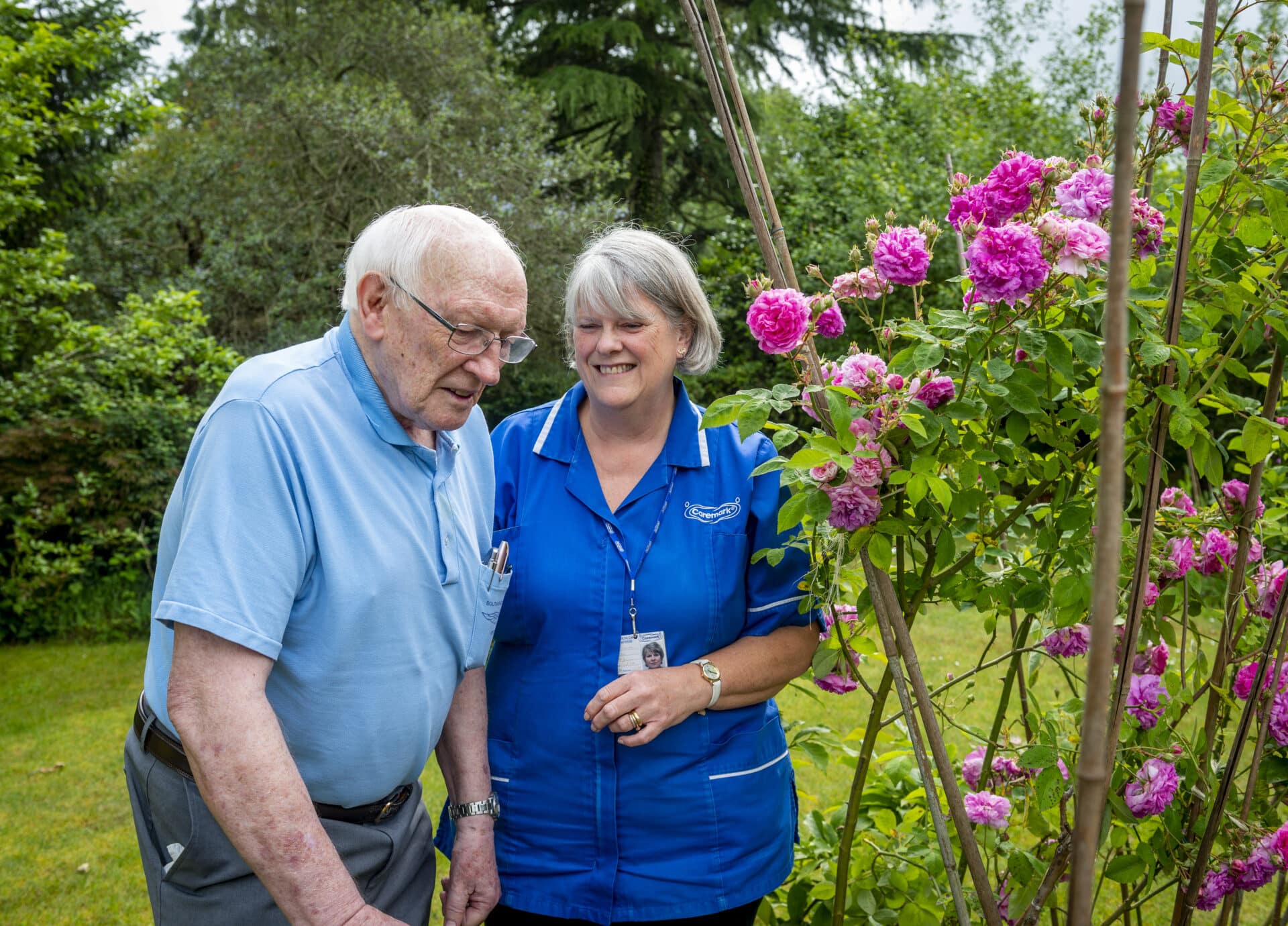
Age-related hearing loss, also known as Presbycusis, is a common condition that affects many older adults. It can develop gradually over time, making conversations more difficult and sometimes affecting confidence, independence and social wellbeing. Understanding the signs early and knowing what support is available can make a significant difference.
In this article, we’ll explain the causes and symptoms of age-related hearing loss, explore ways to protect and manage your hearing, and look at the support options available to help people continue living safely and independently at home.
What is age-related hearing loss?
Presbycusis is a gradual decline in hearing caused by changes within the inner ear and the pathways that carry sound to the brain. Higher-pitched sounds and speech clarity are often affected first, making it harder to follow conversations even when sounds seem loud enough. Because hearing changes happen slowly, many people do not notice the effects straight away. Family members are often the first to spot the signs.
Common signs of hearing loss
You may notice:
- Difficulty following conversations in groups or noisy places
- Frequently asking people to repeat themselves
- Turning the television or radio up louder than others prefer
- Ringing or buzzing in the ears (tinnitus)
- Feeling tired after social interactions due to the effort of listening
If hearing loss develops suddenly, affects only one ear, or is accompanied by pain, dizziness or ear discharge, seek medical advice promptly.
What causes age-related hearing loss?
The main cause is the natural ageing process, which affects the delicate structures within the inner ear. However, several factors can increase the risk or speed up hearing loss, including:
- Long-term exposure to loud noise
- Family history of hearing loss
- High blood pressure, diabetes or heart disease
- Certain medications that affect hearing
- Smoking and poor cardiovascular health
Looking after your hearing
Although age-related hearing loss cannot usually be reversed, there are steps you can take to protect your hearing and reduce its impact on daily life.
Keeping personal audio devices at a sensible volume, wearing hearing protection in noisy environments and maintaining good overall health can all help support long-term hearing health. Reducing background noise at home, facing the person speaking and using subtitles on televisions can also make communication easier.
Diagnosis and treatment
A hearing assessment can identify the extent of hearing loss and determine the most appropriate support. Treatment options may include hearing aids, assistive listening devices and practical communication strategies.
Modern hearing aids are discreet, effective and can connect directly to phones, televisions and other devices, helping people stay engaged in everyday activities.
How Caremark NI can help
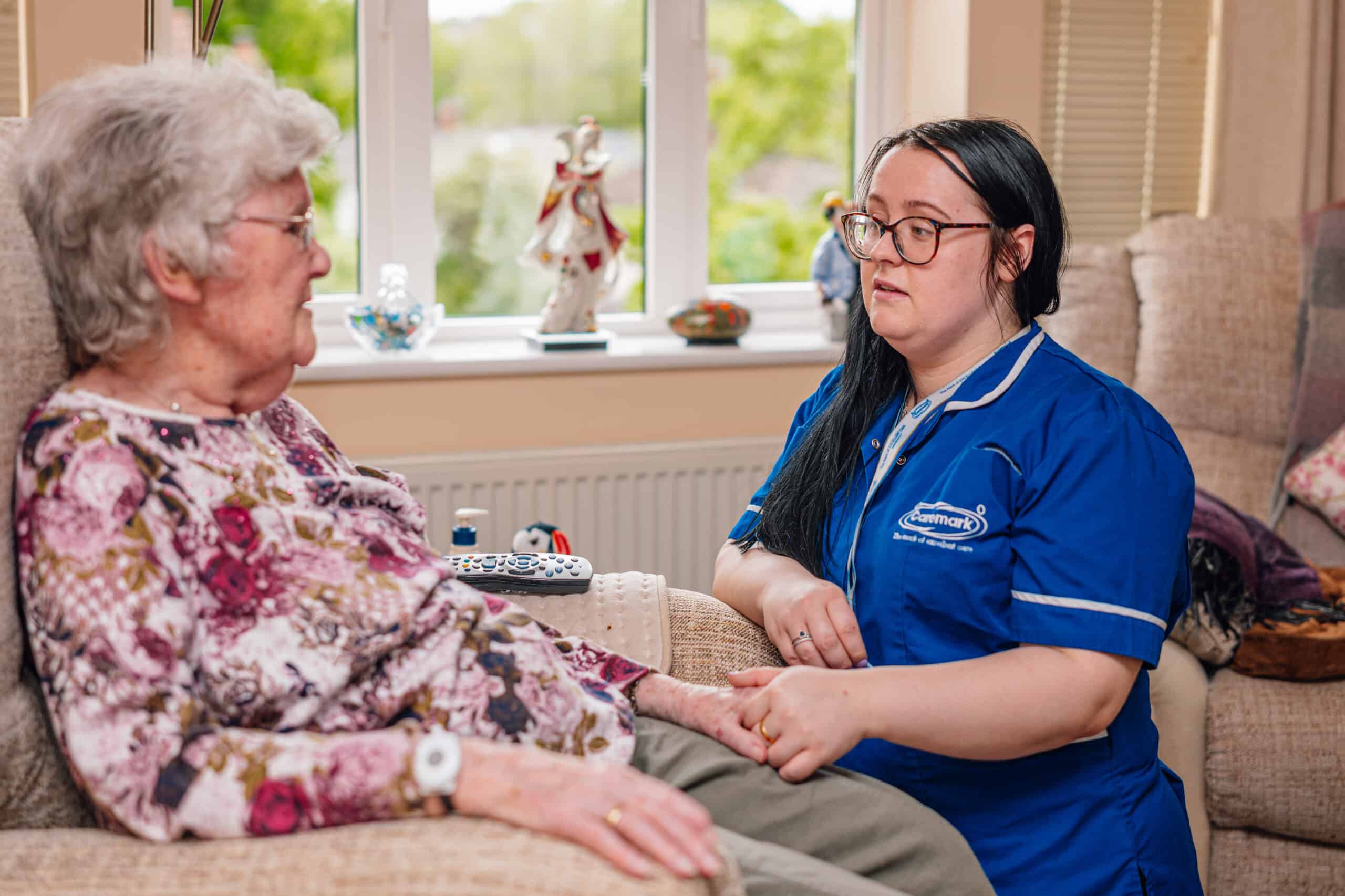
At Caremark NI, we understand that hearing loss can affect confidence, communication and independence. Our Care Assistants provide personalised support tailored to each individual’s needs and routines.
Support may include:
- Assistance with GP or audiology appointments
- Help using and maintaining hearing aids
- Setting up accessible technology at home
- Reducing background noise during visits
- Encouraging social activities and community involvement
- Providing clear, patient communication
Our goal is to help people remain safe, independent and connected while continuing to enjoy life at home.
When to seek support
If hearing is becoming more difficult than it used to be, arranging a hearing check is an important first step in preventing Age-related hearing loss. Early intervention can make a significant difference to communication, wellbeing and quality of life.
To find out how Caremark NI can support you or a loved one, please contact us on 028 9146 7004.
About Caremark NI
Caremark NI provides high-quality home care services, supporting people to live safely and independently at home. Our dedicated team offers compassionate and professional care tailored to each individual’s needs.
Learn more about our Caremark NI office and explore our home care in Belfast, North Down & Ards, and Lisburn & Down. Get in touch today to find out how we can support you or your loved one.