

Life After a Stroke: Symptoms, Recovery and Support
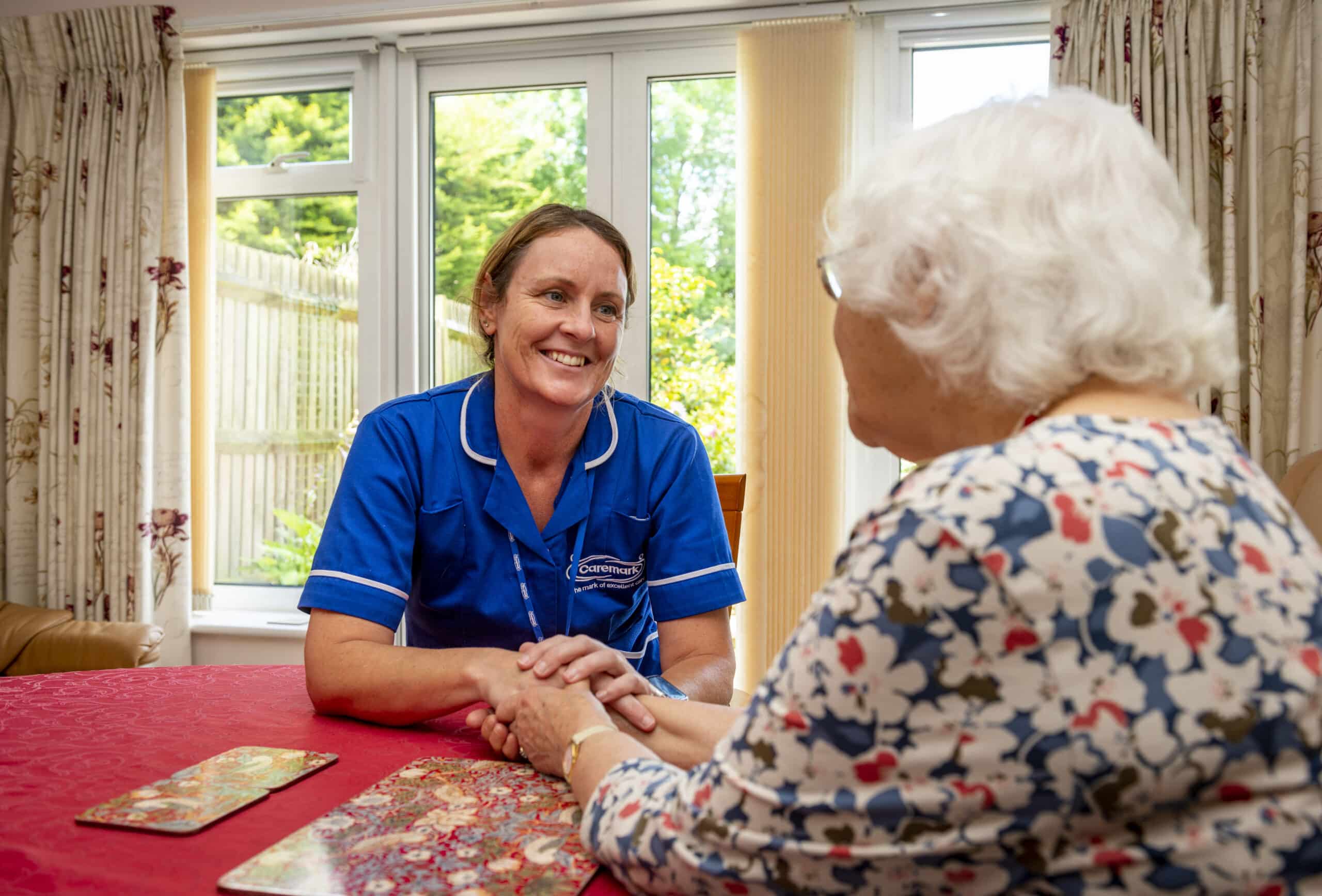
A stroke happens when the blood supply to part of the brain is interrupted or a blood vessel bleeds. This can damage brain cells and affect how the body and mind work. A stroke is always a medical emergency.
With prompt treatment, rehabilitation, and the right support, many people regain independence and continue to live fulfilling lives. At Caremark, we provide professional stroke care at home to help people recover safely and confidently in familiar surroundings.
What is a stroke?
If you are looking for a simple stroke definition, a stroke occurs when the brain’s blood supply is disrupted, preventing it from working properly.
There are three main types of stroke:
- Ischaemic stroke – the most common type, caused by a blood clot blocking an artery in the brain.
- Haemorrhagic stroke – occurs when a blood vessel bursts and bleeds into or around the brain.
- Transient ischaemic attack (TIA) – often called a mini-stroke. Symptoms pass quickly, but urgent medical assessment is still needed as it can be a warning sign of a future stroke.
Stroke Symptoms
Recognising the signs of a stroke quickly can improve treatment outcomes and protect brain cells. Use the FAST test:
- Face – one side of the face may droop.
- Arms – weakness or numbness in one arm.
- Speech – speech may be slurred or difficult to understand.
- Time – call 999 immediately.
Other symptoms can include sudden vision problems, loss of balance, dizziness, confusion, a severe headache, or difficulty swallowing.
If you suspect someone is having a stroke, do not wait to see if symptoms improve. Call 999 straight away.
Causes and Risk Factors
Several factors can increase the risk of stroke, including:
- High blood pressure
- Atrial fibrillation (irregular heartbeat)
- High cholesterol
- Diabetes
- Smoking
- Excess weight
- Physical inactivity
- Excessive alcohol consumption
- Family history of stroke
- Increasing age
While not all risk factors can be controlled, maintaining a healthy lifestyle, attending regular health checks, and following medical advice can significantly reduce your risk.
Recovery After a Stroke
Every person’s recovery journey is different. Some people recover quickly, while others may need ongoing rehabilitation and support.
The effects of stroke vary from person to person. Some people experience weakness or paralysis, while others may have difficulties with speech, mobility, memory, vision, or concentration. Fatigue, anxiety, and changes in mood are also common during recovery.
Many people choose to continue recovering at home, where they feel most comfortable. Stroke care at home can support rehabilitation goals, encourage independence, and provide reassurance for both individuals and their families.
How Caremark Can Help
Our specialist stroke care at home service is tailored to each person’s needs, abilities, and goals. We work closely with individuals, families, and healthcare professionals to provide compassionate, person-centred support that adapts as recovery progresses.
Support may include:
- Personal care and daily living support
- Safe mobility and transfer assistance
- Medication prompts and administration
- Meal preparation and hydration support
- Help following therapy programmes
- Companionship and emotional support
- Respite care for family carers
We focus on promoting independence wherever possible while ensuring safety, dignity, and wellbeing at every stage of recovery.
If you or a loved one needs stroke care at home, contact us to discuss a personalised care plan and find out how we can help.
About Caremark NI
Caremark NI provides high-quality home care services, supporting people to live safely and independently at home. Our dedicated team offers compassionate and professional care tailored to each individual’s needs.
Learn more about our Caremark NI office and explore our home care in Belfast, North Down & Ards, and Lisburn & Down. Get in touch today to find out how we can support you or your loved one.