

Staying safe in hot weather:
Caring guidance and support from Caremark
When the heat rises, it can affect health faster than you might expect. With a few simple habits, staying safe in hot weather is achievable at home and out and about. This guide explains the risks, who may need extra help, and practical answers to the question many families ask: how do you keep cool in hot weather? You’ll also see how Caremark helps customers and families plan ahead, spot early warning signs, and stay safe in the heat with confidence.
Understanding heat health and early warning signs
Hot weather leads the body to lose fluid and salts through sweating. Without regular drinks, dehydration can develop, leading to thirst, darker urine, headache, dizziness and fatigue. Prolonged heat can cause heat exhaustion: heavy sweating, pale clammy skin, nausea, muscle cramps and a fast pulse. If body temperature climbs to 40°C or above and sweating stops, heatstroke may follow. This is a medical emergency linked to confusion, slurred speech, fainting, seizures or loss of consciousness. Acting early is key to staying safe in hot weather.
Watch for early signs in yourself or someone you care about: passing urine less often, dry mouth, feeling faint on standing, rapid breathing, hot dry skin or sudden confusion. Homes can hold heat, and everyday tasks like cooking or bathing raise indoor temperatures. Quick steps—resting in a cool space, sipping water or oral rehydration drinks, loosening clothing and applying cool compresses—can prevent a mild problem becoming serious and support good heat health.
Who may need a little extra support
Anyone can struggle in high temperatures, but some people are more vulnerable: older adults, babies and young children, and people living with long-term conditions such as heart or lung disease, diabetes, kidney problems or mental health conditions. Being underweight, malnourished or recovering from illness can make it harder to regulate body temperature. Dementia may reduce awareness of thirst or discomfort, and mobility challenges can limit access to cool rooms or drinks.
Certain medicines can increase heat sensitivity, including diuretics, some blood pressure treatments, anticholinergics, sedatives and antipsychotics. If you are unsure, speak to a pharmacist, GP or specialist nurse. Never stop prescribed medicines without medical advice.
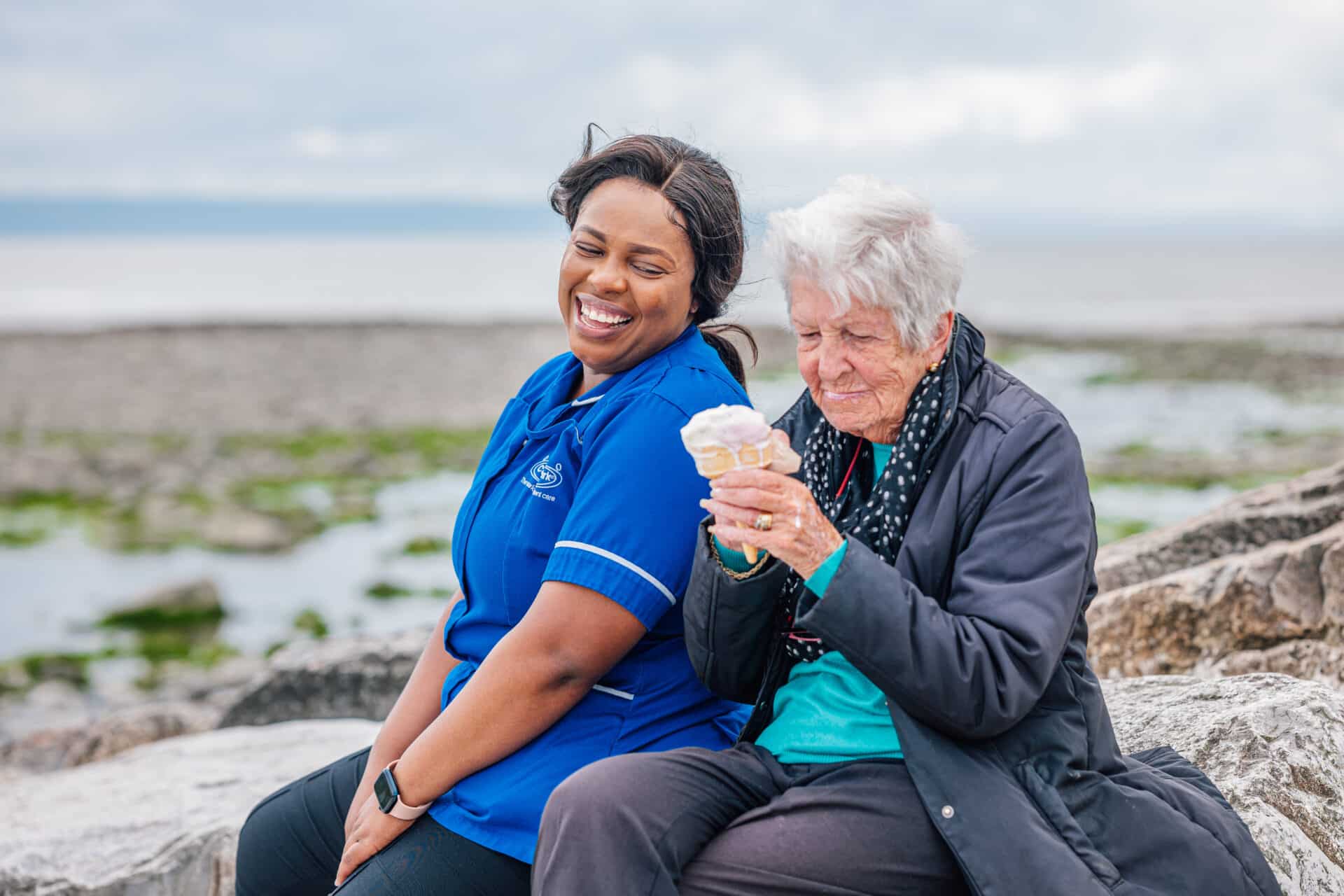
Caremark takes a proactive approach. Our local teams review care plans before and during heatwaves, note risk factors like living alone or reduced mobility, and prioritise wellbeing checks. Care Assistants offer regular hydration prompts, monitor for heat-related symptoms, and escalate concerns quickly to families and health professionals. It’s part of how we help customers stay safe in hot weather, day after day.
Practical tips for staying safe in the heat at home
- Drink regularly. Water, milk and diluted squash are good choices. Offer drinks little and often if large glasses feel overwhelming.
- Wear lightweight, loose, light-coloured clothing. If going out, choose a wide-brimmed hat and stay in the shade.
- Plan activity for cooler times and rest between late morning and late afternoon.
- Keep sun-facing curtains or blinds closed during the day. Open windows when it’s cooler outside to create a cross-breeze.
- Use fans safely. Placing a bowl of ice in front of a fan can create a cooling effect.
- Cool the body with damp flannels or gel packs on the wrists, neck and ankles.
- Store food safely. Refrigerate promptly and avoid leaving perishables out in warm rooms.
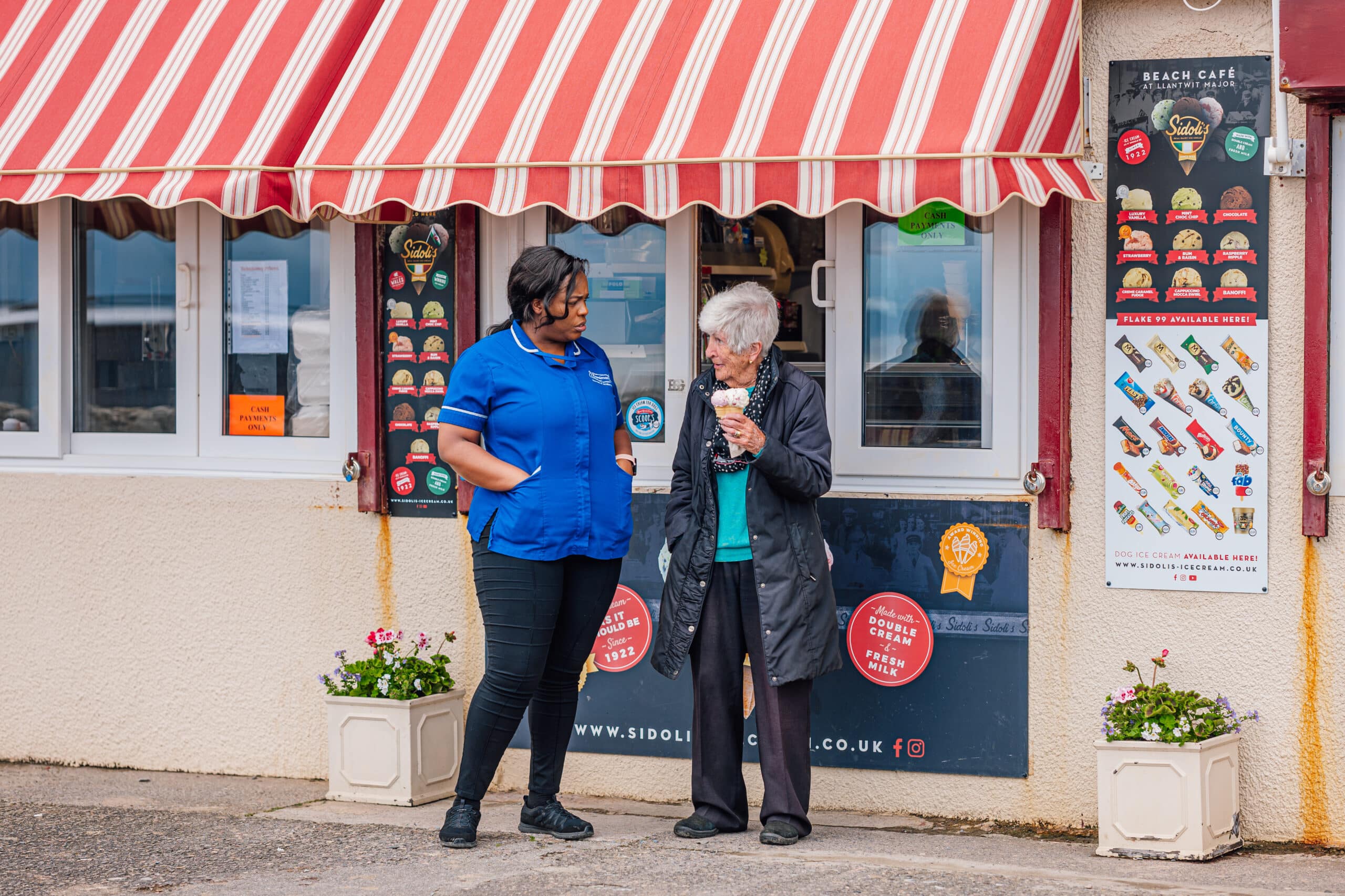
During home care visits, our Care Assistants prepare cool, balanced meals, offer frequent drinks, provide medicine reminders as prescribed, and check skin temperature, alertness and comfort. They help with light clothing, draw curtains, position fans and arrange short walks at cooler times if appropriate. These practical touches support heat health and help with staying safe in hot weather.
Looking out for others, together with Caremark
Community and family support can make all the difference. Share contact numbers, agree simple check-in times and keep preferred drinks and cooling strategies to hand. If you’re visiting a loved one, look for signs of heat stress, make sure chilled drinks are available and help set up a cooler room. If you’re wondering how do you keep cool in hot weather, small routine changes—regular drinks, shaded rooms, lighter meals—can be powerful.
Seek urgent help if someone shows signs of heatstroke: confusion or disorientation, hot dry skin without sweating, a very high temperature, severe headache, vomiting, chest pain, fainting or seizures, or if they stop passing urine. Call 999, move them to a cool place, remove excess clothing and cool the body with cold packs or a cool shower if safe while waiting for help. Knowing this response is central to staying safe in the heat.
Caremark plans for heatwaves through staff training, personalised care plans and strong local support. Our Care Assistants are trained to recognise heat-related illness, provide practical cooling measures and escalate concerns without delay. Care plans include hydration schedules, meal ideas, room-cooling routines and contingency contacts. Local teams monitor weather alerts, adjust visit times where possible and keep families informed. It’s how we help you stay safe in hot weather and why families across the UK trust Caremark to provide warm, reliable support when it matters most.