

Supporting a Loved One with Dementia at Home
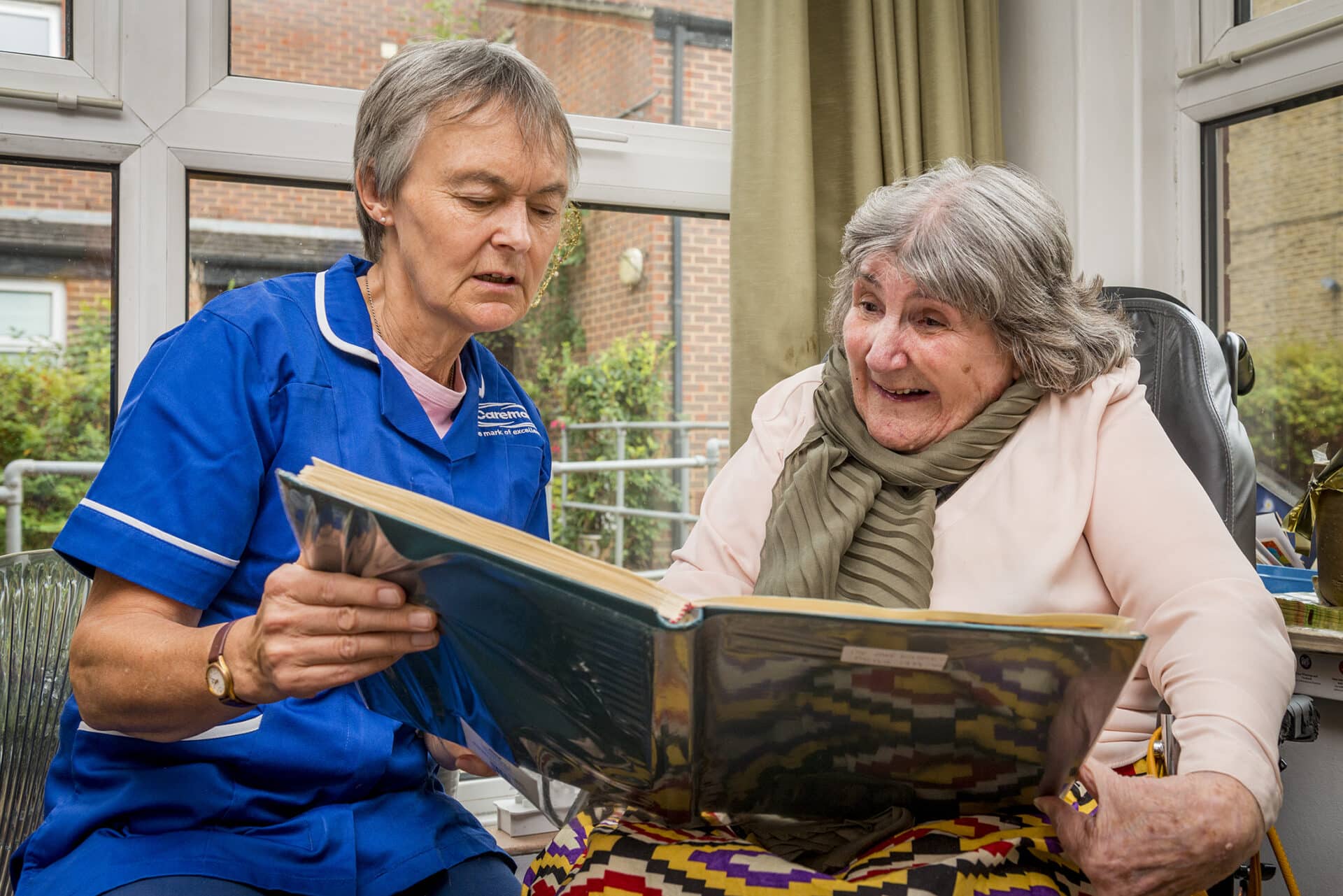
There’s no place like home when memory feels uncertain. With the right guidance, gentle routines and a little extra help, supporting a loved one with dementia at home can be safer, calmer and more joyful. This guide shares practical tips for daily life, clearly explains that many people with dementia do get their days and nights mixed up, highlights early signs that may indicate the onset of dementia‑related confusion, and shows how Caremark’s trusted home care can make a real difference for you and the person you love.
Understanding dementia, confusion and family life
Dementia is an umbrella term for symptoms caused by conditions such as Alzheimer’s disease and vascular dementia. It can affect memory, language, concentration, mood and judgement. At home, this may touch everything from washing and dressing to cooking, taking medicines and managing appointments.
Early signs of dementia‑related confusion can be subtle. You might notice your loved one forgetting recent conversations, misplacing items in unusual places, repeating the same questions, losing track of dates or times, or getting mixed up about where they are or what they were about to do. They may struggle to follow a TV programme, a recipe or familiar instructions, or seem more withdrawn, anxious or irritable as they try to make sense of things that once felt easy.
Changes in the brain can also affect a person’s body clock. Many people with dementia do get their days and nights mixed up, a pattern often called “sundowning” or sleep reversal. They may nap more in the day, feel restless or confused in the evening, or wake in the night believing it is time to get up, get dressed or even go out. This mix‑up between day and night can be one of the first noticeable signs of dementia‑related confusion and may increase the risk of falls or wandering.
The emotional impact is real. Your loved one may feel anxious, embarrassed or frustrated as familiar tasks become harder, or as they realise they are losing track of time and routine. Families can feel worry, fatigue and grief as roles change, especially if broken sleep becomes a regular challenge. Honest conversations, early planning and inviting the person to make choices help everyone keep dignity and control.
Home offers comfort through the familiar: favourite chairs, familiar scents and well‑worn routines. Predictable rhythms support confidence and independence, which is why supporting a loved one with dementia at home often works so well with the right structure and support.
Practical ways to make home life easier
Small adjustments can transform daily life, reduce risk and ease confusion about day and night:
- Clear walkways, remove trip hazards and boost lighting, especially on stairs and in hallways.
- Use colour contrast to make important items stand out, like a dark plate on a light table.
- Label cupboards and doors with words or pictures and keep items in consistent places.
- Place a large clock and calendar in clear view to support orientation to the time of day and date.
- Try simple aids: pill organisers, pharmacy blister packs, night lights, reminder notes and a secure key safe.
- If wandering is a concern, review door locks and consider discreet sensors or door alerts.
Routines reduce uncertainty and can help when someone is mixing up days and nights. Build a calm daily plan that includes personal care, meals, medicines and meaningful activity:
- Keep mealtimes regular, offer easy‑to‑eat, nutritious foods and prompt drinks throughout the day.
- Encourage gentle daytime activity and exposure to natural light to support a healthier sleep–wake cycle.
- Limit stimulating activities, caffeine and large drinks close to bedtime, and aim for a soothing, predictable evening routine.
- Set medication reminders with alarms or automated packs to maintain consistency.
- Choose enjoyable, achievable activities: short walks, music, photo albums, puzzles, light gardening or simple household tasks.
- Break tasks into small steps and allow extra time to reduce pressure.
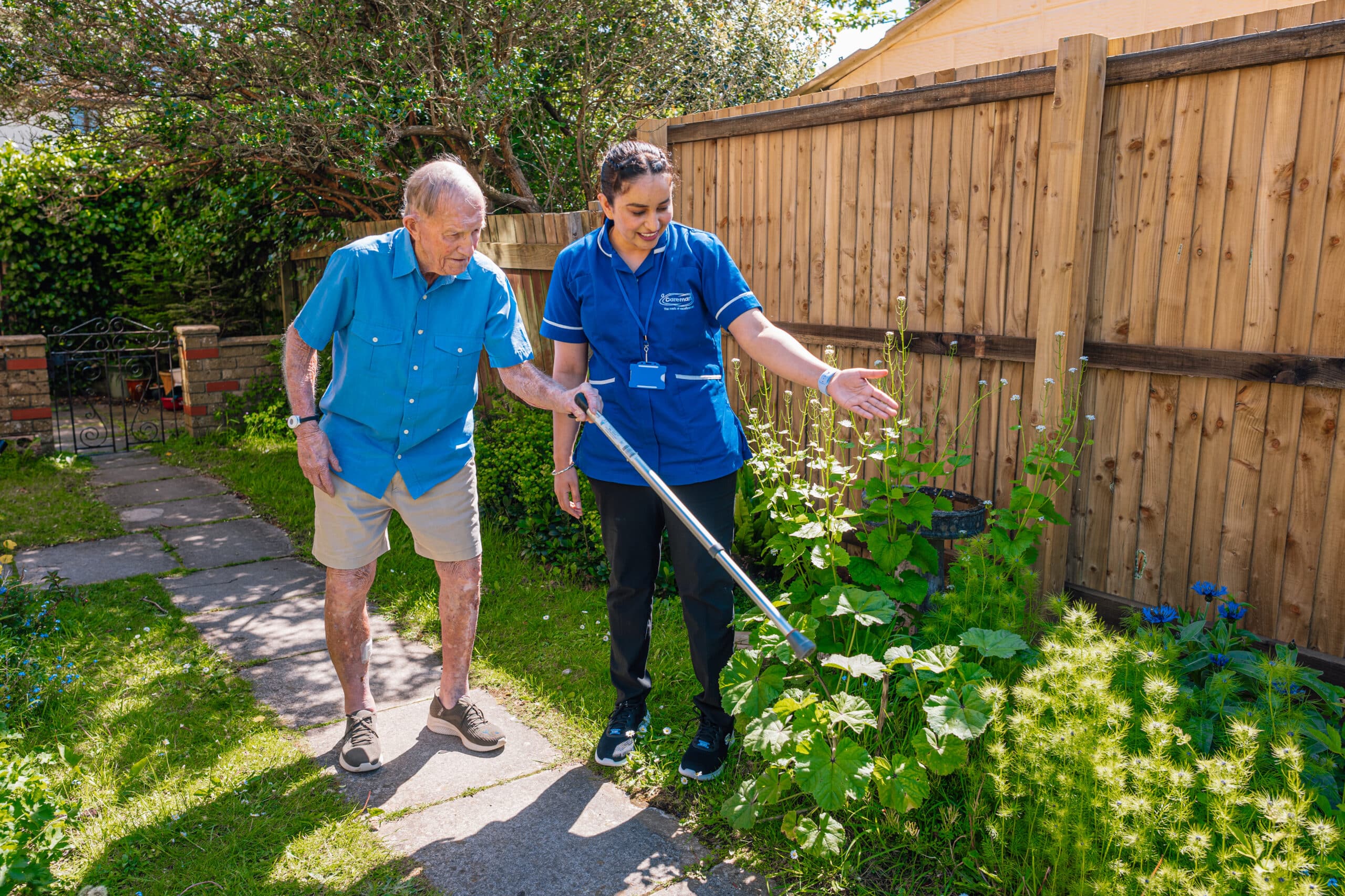
Communicating with a loved one with dementia works best when it’s calm and clear. Approach from the front, make eye contact and use short sentences. Offer one choice at a time and avoid rapid questions. If distress arises, acknowledge feelings and gently redirect to a soothing activity rather than correcting. If your loved one is awake at night and believes it is daytime, calmly reassure them, use low lighting and soft voices, and avoid arguments about the time. Look for triggers such as pain, hunger or tiredness and adjust the environment. Maintaining dignity matters: explain each step during personal care and offer privacy.
How Caremark can help
Caremark is one of the UK’s leading home care providers, supporting a loved one with dementia at home with flexible, personalised care. From a single daily visit to more frequent support, we tailor care around routines, preferences and cultural needs. That can include help with washing and dressing, meals and hydration, medication prompts, companionship and support to stay engaged in the community.
Our Care Assistants receive specialist dementia training and are carefully matched so you see familiar faces. They understand that people with dementia may get their days and nights mixed up, and can help establish steadier routines, monitor changes and suggest practical strategies. They are also trained to spot early signs of increasing confusion, such as changes in sleep, behaviour or orientation, and to share these observations promptly. We work closely with families, GPs and community nurses, agreeing what works best so support can adapt as needs change.
Arranging support is simple. Contact your local Caremark team for a free, no‑obligation home assessment. We’ll listen, understand what matters to you and design a personalised plan that keeps home life safe and familiar, even when dementia is affecting sleep, daily rhythms and confidence. When communicating with a loved one with dementia feels tough, our experienced team is here with practical ideas and gentle, reassuring care.
Supporting a loved one with dementia at home is a journey you don’t have to take alone. With Caremark, you’ll have compassionate people by your side, clear information you can trust and a care plan that adapts as needs change. Nothing compares to home—and nothing compares to care delivered with warmth, respect and a cheery smile.