

Understanding Confabulation: Support for Families in Sutton

When someone recalls a visit that never happened or says they have taken medicine that is still in its packet, it can be hard to know how to respond. They may sound certain because, to them, the memory feels real. This is called confabulation. It can upset the person and their family, especially when it affects daily routines or safety. This guide explains what confabulation means, how it may appear at home, and when to seek medical advice. It also shares practical ways to respond with kindness. For families looking for confabulation support in Sutton, Caremark Sutton can help with familiar routines and day-to-day home care.
What Does Confabulation Mean?
Confabulation means a person recalls events or details that did not happen, or mixes up when things took place, and believes those memories are true. It is not lying. Lying involves an intent to deceive. With confabulation, the person is sincere, even though the recollection is inaccurate.
The term describes false or distorted memories made without the person knowing. It is different from a delusion, which is a firmly held false belief that may not relate to a gap in memory. A person might say someone visited, explain where an item went or recall an appointment they did not attend. The details may sound convincing because they feel real to that person.
Confabulation can occur when memory is affected, including in some people living with dementia or after a brain injury. Other factors can also change memory or thinking. If the change is new or worrying, a health professional can help work out what is happening. Understanding what confabulation means can help families respond with compassion rather than conflict.
How Confabulation Looks in Everyday Life
Some people mix up details now and then. For others, inaccurate memories may become a regular part of conversation. The pattern may be easier to notice when an account does not match a diary, phone call or care record. Signs can include:
- A confident story about a visit, appointment or task that did not take place.
- An event from years ago described as happening yesterday.
- A plausible explanation for a missing item, such as saying a neighbour moved the keys.
- An account that changes over time, while still feeling true to the person sharing it.
Everyday examples include recalling lunch with a friend who was away, believing a relative visited after remembering a similar visit from years ago, or saying medication was taken when the pack is untouched. These moments can be confusing for everyone. They may also raise safety concerns when the person believes an important task is complete.
If these changes are frequent or worrying, speak to a GP. They can look at the person’s health and medicines and decide whether further assessment is needed. Keeping a few notes about what happened and when can help you explain the concern.
When To Seek Help
Ask a GP for advice if:
- The inaccurate memories happen more often or come with other changes in memory, language or judgement.
- There are safety concerns, such as believing the hob is off or the door is locked when it is not.
- The person seems more distressed, agitated or less aware of risks at home.
If confusion comes on suddenly, seek urgent medical advice. An infection, a medicine or another health problem may need prompt attention. Caremark Sutton can help with practical care at home, while a qualified health professional should assess medical concerns.
Kind, Practical Ways to Support Someone Who Confabulates
The aim is to ease distress, avoid an argument and help the person feel safe. What works for one person may not work for another, so notice how they respond and adapt your approach.
Communication tips that keep conversations calm
- Stay calm and avoid arguing over every detail. Direct contradiction may leave the person feeling anxious or unheard.
- Listen to the feeling behind the story. You might say, “It sounds like you enjoyed seeing Aunt Mary.”
- If a detail matters, offer a gentle cue: “Shall we look at the calendar together?”
- Use photos, schedules, or a record of visits when they help, without turning the conversation into a test.
- If the person becomes upset, move to a familiar activity, such as making a cup of tea, listening to music or taking a short walk.
Routines and memory aids that make days easier
- Keep a steady daily routine where possible.
- Try a large calendar, whiteboard or simple list of today’s plans.
- Keep commonly used items in the same place and make cupboards easy to identify.
- Use reminders or a medication routine agreed with the person’s pharmacist or care team.
- Keep a shared notebook so family and Care Assistants can record visits and completed tasks.
Safety and wellbeing, built around reassurance
- Check any practical risks, such as medicines, appliances and doors, with the person and their care team.
- Offer reassurance without making the person feel they have failed.
- Make time for company and familiar activities that help the person feel connected.
These ideas may make daily life easier to manage. They are not a treatment for the cause of confabulation, so keep in touch with a GP if symptoms change.
How Caremark Sutton Supports Confabulation at Home
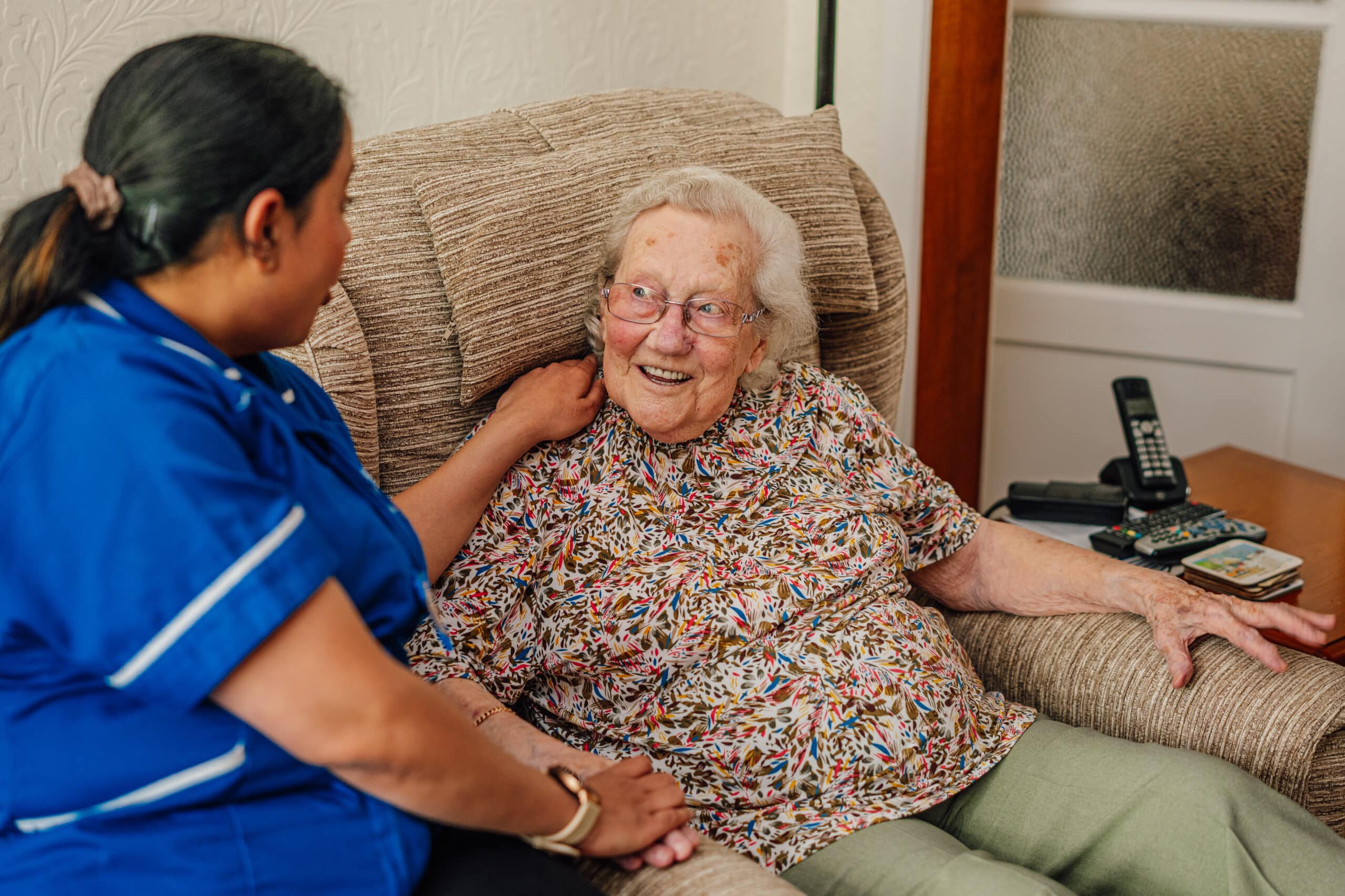
Caremark Sutton can support someone whose memory changes make everyday life harder. A familiar Care Assistant can help with routines, meals, personal care and companionship, while treating the person with patience and respect. The focus is on what the person can still enjoy and do for themselves.
Person-centred care plans
- We take time to understand life history, preferences, routines and triggers.
- We design plans that focus on strengths, independence and meaningful activities.
- We include targeted strategies for confabulation: structured routines, memory aids and gentle reality orientation.
Safeguarding and quality standards
- Robust policies protect customers while respecting autonomy and choice.
- Regular reviews and supervisor oversight ensure plans evolve as needs change.
- Transparent reporting keeps families informed and reassured.
Benefits of home care with Caremark Sutton
- Continuity of care: familiar faces and routines reduce anxiety and the triggers for confabulation.
- Dignity and independence: support delivered at home, at your pace, in line with your preferences.
- Relief for families: practical help, reassurance and professional guidance so you can rest and regroup.
Thousands of customers across the UK trust us. We blend heart and head: warm, compassionate care paired with clear standards and professional oversight. Nothing compares to home, and nothing compares to Caremark.
Working with health professionals
When inaccurate memories cause worry, a GP can review the person’s health and decide if further assessment is needed. Families can help by noting examples, when they happen and whether anything else has changed. With the person’s consent, Caremark Sutton can share relevant care notes and follow guidance agreed with their health professionals.
- Book a GP appointment if symptoms are new, frequent or linked to safety risks.
- Keep notes of examples and timings; they make appointments clearer and more productive.
- Ask about treatable factors, such as infections, vitamin deficiencies or medication adjustments.
- Discuss practical support options, including home care and community resources.
- Review care plans regularly and adapt as needs change.
Planning ahead and maintaining quality of life
Thoughtful planning can make each day feel more settled. Simple routines and familiar activities can help a person stay involved in the life they know. Try to introduce any new aids slowly and ask what feels useful to them.
- Prioritise familiar routines, hobbies and regular social contact to support wellbeing.
- Introduce aids gradually and explain them positively.
- Use plain English and avoid jargon; check understanding and don’t rush.
- Agree a clear plan among family members and Care Assistants for consistent communication.
- Review arrangements regularly and adapt as needs change.
Our role is to make life at home safer, calmer and more joyful. By blending kind communication, practical tools and reliable support, we help reduce the impact of confabulation on daily life and preserve independence. If you have questions about what confabulation means or would like a simple, accessible definition to share with the family, we can help. We’ll sit down with you, listen and create a plan that fits your world.
Finding Confabulation Support in Sutton with Caremark
If memory changes are making home life difficult, you do not have to work everything out alone. Start with a GP if you are worried about the person’s health, especially if the change is new. You can also explore dementia support available through Sutton Council if dementia is suspected or diagnosed.
Caremark Sutton can talk with you about the help that would make daily life easier. We can plan visits around familiar routines and offer practical care, companionship and reassurance at home. For more on the care available locally, see our care services in Sutton. We will listen to what matters to the person and their family, then help you decide what feels right.