

How to keep elderly and vulnerable people cool and safe in hot weather
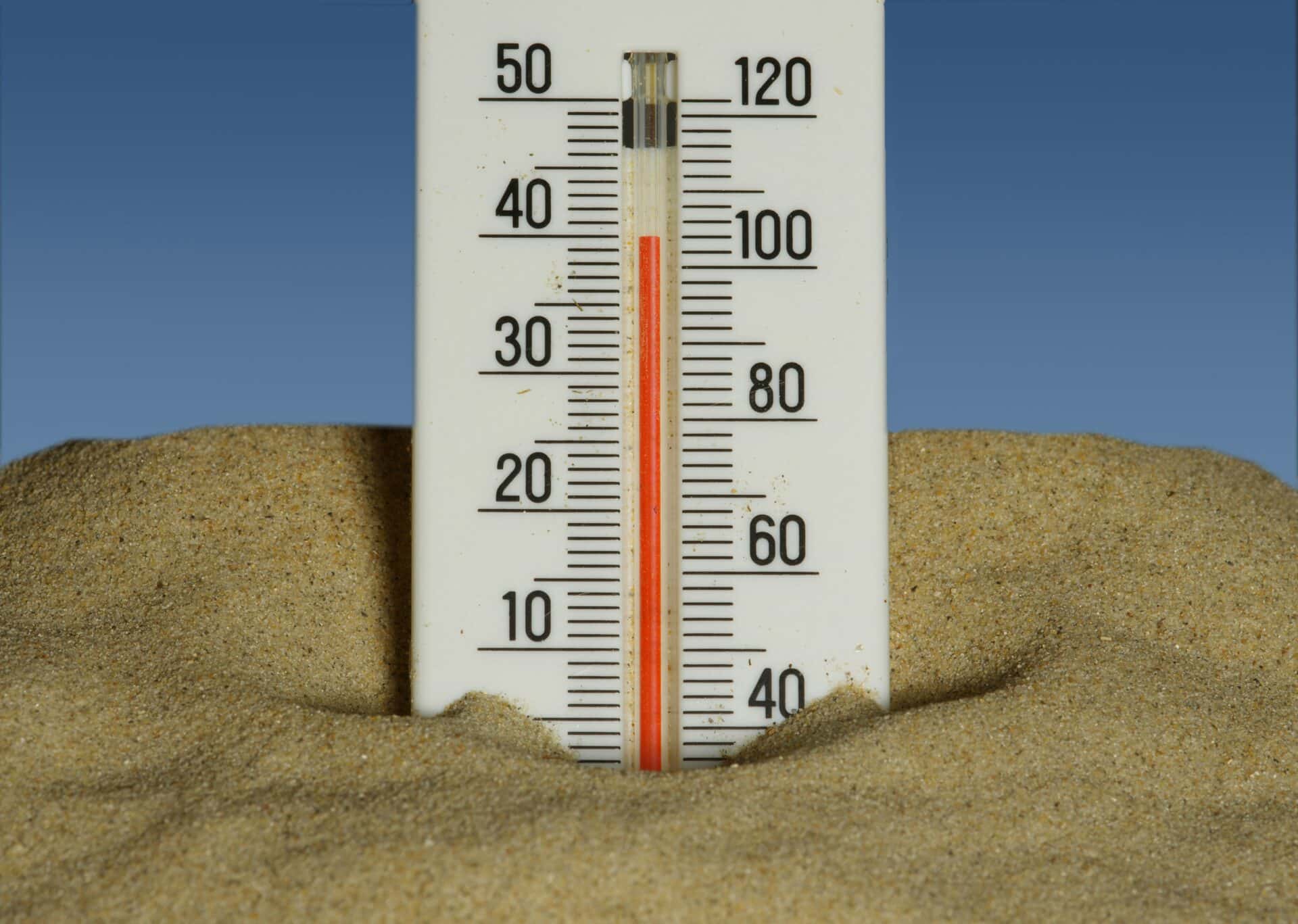
Warm days can lift the spirits, but high temperatures can be risky for older and vulnerable people. Ageing, long-term health conditions and some medicines all affect how our bodies cope with heat. If you’re wondering how to keep elderly/vulnerable cool and safe in hot weather, this guide offers clear, practical steps to prevent dehydration and heat-related illness—plus how Caremark can help during warm spells and heatwaves. It also explains why older adults are more at risk and how to support vulnerable people before and during hot weather, so you know exactly how to keep elderly relatives safe during a heatwave.
Why heat is a concern
As we grow older, it’s harder to regulate temperature and we may not feel thirsty until we’re already dehydrated. Heart, kidney and lung disease, diabetes, dementia and Parkinson’s can all increase heat sensitivity. Medicines such as diuretics, some blood pressure tablets, anticholinergics and sedatives may reduce sweating or increase fluid loss. Always speak to a GP or pharmacist before changing medicines or doses.
Know the warning signs. Heat exhaustion may cause headache, dizziness, nausea, muscle cramps, tiredness, heavy sweating, cool clammy skin and dark urine. Move to a cooler place, loosen clothing, sip cool fluids and use cool compresses. Heatstroke is a medical emergency: very high temperature, hot dry skin, confusion, slurred speech, fainting or seizures. Call 999 immediately.
People living alone, those with limited mobility or cognitive impairment, and anyone in top-floor flats or sun-facing rooms are at higher risk. In a heatwave, the worst thing to do in heatwave conditions is ignore symptoms or stay in a hot, unventilated room without fluids. Before hot weather arrives, plan ahead with cooling strategies, hydration supplies and check-in routines—this preparation is central to how to keep elderly/vulnerable cool and safe in hot weather.
Simple ways to stay cool, hydrated and safe
If you’re asking how do you keep cool in hot weather or how do you stay cool in hot weather, try these easy, proven steps at home and outdoors. These tips also show how to keep elderly relatives safe during a heatwave by focusing on prevention and early action.
Home cooling checklist
- Keep blinds or curtains closed on sun-facing windows during the hottest hours; open windows when the outside temperature drops to create a cross-breeze.
- Designate a cool room by closing doors to hot areas and using light-coloured curtains.
- Use fans when the room is below around 35°C; placing a bowl of ice in front can give a brief boost. Make sure fans are stable and cables are safely tucked away.
- Avoid heat-producing appliances such as ovens and tumble dryers between 11:00 and 16:00.
Hydration and nutrition
- Offer regular drinks across the day: water, milk, diluted squash and decaffeinated tea or coffee.
- Encourage small, frequent sips if appetite is low. Include water-rich foods like melon, berries, cucumber, tomatoes and yoghurt.
- Check urine colour: pale straw suggests good hydration; darker shades mean more fluids are needed.
- If advised by a clinician, keep simple records of fluids for heart or kidney conditions.
Daily routines and personal care
- Wear loose, lightweight, light-coloured clothing and a wide-brimmed hat outdoors.
- Take cool showers or sponge with tepid water. Apply cold packs or a damp flannel to pulse points (neck, wrists, ankles).
- Plan walks or errands for early morning or evening and rest during peak heat.
- Ask a GP or pharmacist about the best timing for medicines that may cause fluid loss or drowsiness.
- Arrange regular check-ins so someone confirms drinking, eating and cooling measures are happening.
Remember, the worst thing to do in heatwave periods is wait for thirst or push through symptoms. If you want to know how do you keep cool in hot weather or how do you stay cool in hot weather, start these steps early in the day and stick to them consistently. This is exactly how to keep elderly/vulnerable cool and safe in hot weather when temperatures climb.
Caremark Solihull: here to help during hot weather
There’s no place like home, and with Caremark Solihull there’s no care quite like it either. We tailor heatwave support to each customer. Our Care Assistants follow an individual plan that includes hydration prompts at every visit, room temperature checks and early spotting of heat stress. Clear escalation steps guide our teams to increase fluids and cooling measures, update family, and seek clinical help promptly if heat exhaustion or heatstroke is suspected.
We provide reassurance for those living alone. Our Care Assistants safely position fans, check fridge temperatures for safe food storage, and make sure cold drinks and high-water snacks are within reach. We share simple guidance with family too, including how do you keep cool in hot weather routines and how do you stay cool in hot weather when mobility is limited, so everyone knows how to keep elderly relatives safe during a heatwave.
When Met Office alerts are issued, our local teams respond quickly. We coordinate with GPs and pharmacies on medicine questions, set up fluid reminders, arrange extra visits and help create a cool-room strategy. As a trusted leader in home care across the UK, we combine professionalism with a cheery smile—keeping people safe, comfortable and well at home.
Frequently asked questions
How to keep elderly cool in heatwave? Start early each day: shade rooms, ventilate at night, schedule rest during peak heat, offer frequent drinks and light meals, and use cool showers or damp cloths on pulse points. Avoid the worst thing to do in heatwave conditions—delaying fluids or staying in unventilated, hot rooms. Arrange regular check-ins for anyone living alone.
How can we support vulnerable people before and during hot weather? Before hot spells, prepare a cool-room plan, stock drinks and water-rich foods, review medicines with a pharmacist, and set up daily contact. During hot weather, monitor room temperatures and symptoms, keep blinds closed on sunny sides, and encourage gentle activity at cooler times. This practical approach shows how to keep elderly/vulnerable cool and safe in hot weather.
Why are older people more vulnerable in hot weather? Ageing reduces sweat and thirst responses, while conditions like heart or kidney disease and some medicines increase dehydration risk. Mobility or memory problems can make it harder to adapt routines quickly, which is why planning how do you keep cool in hot weather strategies is essential.
What are the best ways to keep elderly relatives safe during a heatwave? Prioritise shade, hydration and rest; use fans safely below 35°C; avoid heavy meals and hot appliances at midday; and check in frequently. Teach simple cues—pale urine, light clothing, cool showers—and repeat them. Above all, avoid the worst thing to do in heatwave periods: ignoring early warning signs of heat stress.