

How our dog therapy service is making a meaningful difference to young people with complex mental health needs
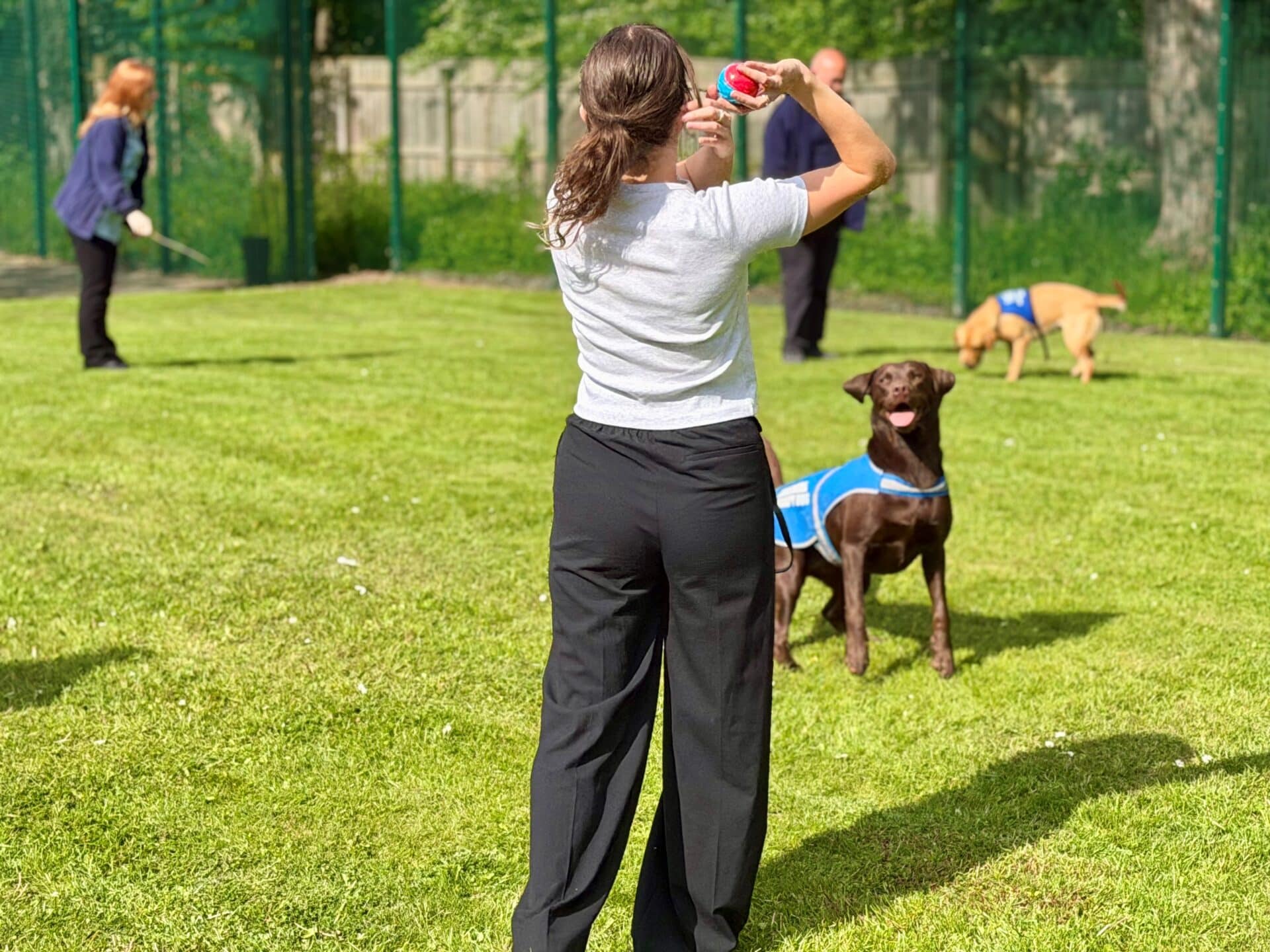
Caremark Redcar and Cleveland’s animal-assisted therapy service is making a meaningful difference to young people receiving inpatient mental health care on Lotus Ward at Acklam Road Hospital in Middlesbrough. Through carefully managed visits from highly trained therapy dogs and handlers, the service is helping patients feel calmer, more engaged and more willing to take part in therapeutic activities. Additionally, it also creates moments of comfort and connection. These moments are valuable during what can be a very difficult period in their lives.
The Setting
Lotus Ward is a specialist inpatient mental health service for young people under 18 at Acklam Road Hospital in Middlesbrough. The ward provides assessment and treatment for adolescents with complex mental health needs. These needs include low mood, depression, self-harm, suicidal ideation, eating disorders, psychosis and other serious presentations. In addition, the unit supports young people who may be informal patients or detained under the Mental Health Act. For many, day-to-day life is largely in the ward while they receive intensive care and support.
The Service
Caremark Redcar and Cleveland launched its animal-assisted therapy service in 2023. Since then, it has developed it into a broader local offer supporting people with emotional wellbeing, confidence and social connection. The dogs are specially trained and visit a range of settings with experienced handlers. On Lotus Ward, we deliver visits in a way that we tailor to the clinical environment. Staff assess which patients are suitable to take part. We also ensure we only introduce the dogs when it is safe and appropriate to do so. Therefore, this careful, person-centred approach has helped the service fit effectively into a specialist adolescent mental health setting.
How the visits are helping young people
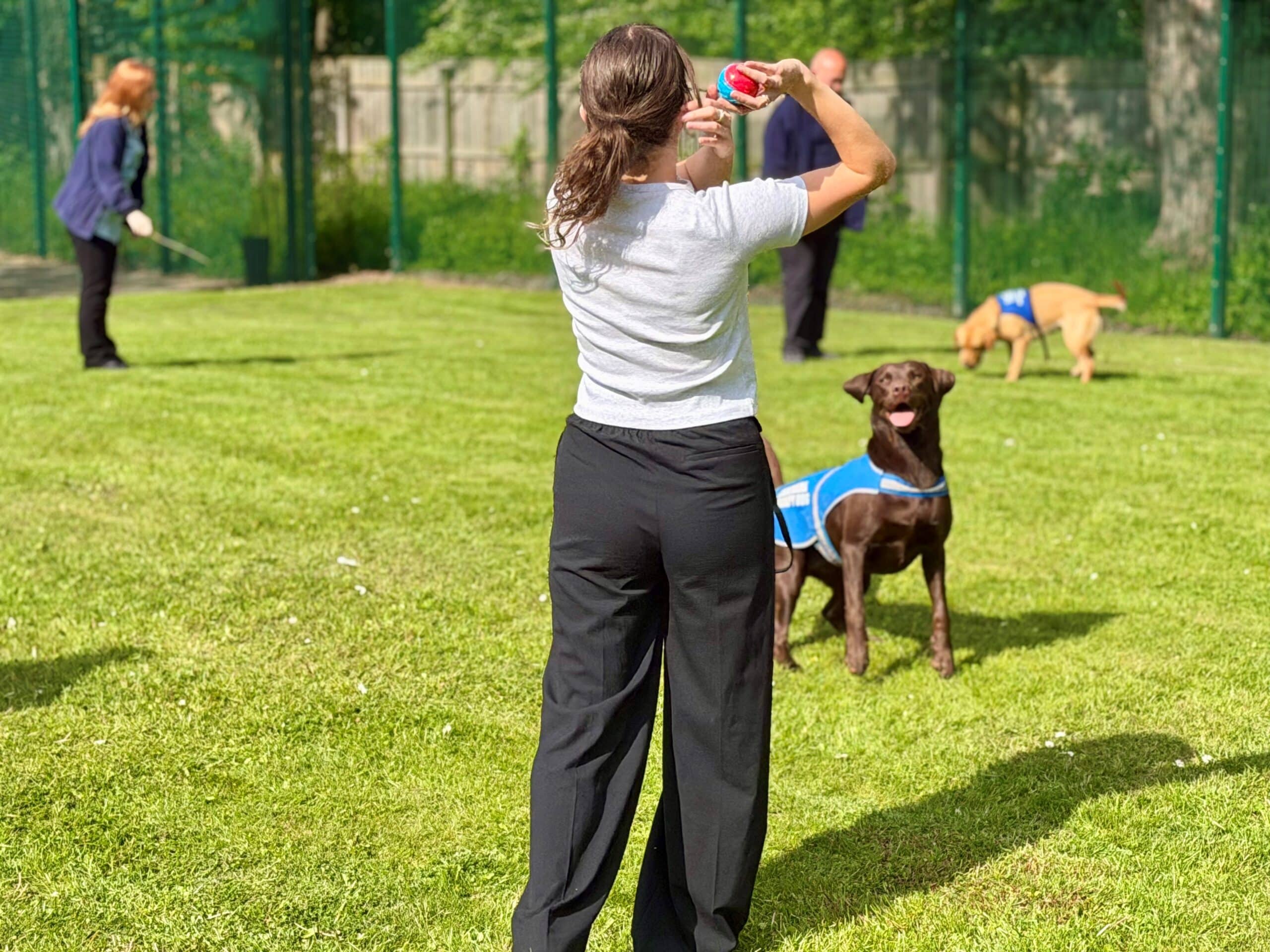
Staff on Lotus Ward report that the dogs have had a noticeably positive impact on the atmosphere of the ward and on individual patients. The visits create something for young people to look forward to. They can provide a welcome break from the intensity of inpatient care. Young people can begin by simply being in the same room as the dogs. Then, they can gradually build confidence at their own pace. This flexibility appears to be one of the service’s main strengths. As a result, it allows support to be shaped around each young person’s needs, preferences and emotional state.
Anonymised examples of impact
One young person arrived on the ward with a significant fear of dogs linked to a previous negative family experience. The fear was so strong that it had become a barrier in thinking about returning home, where there was a family dog. Rather than pushing the issue, the therapy dog team and ward staff took a gradual approach. The young person first agreed to be in the same room as the dogs. Gradually, over time they became more comfortable with them being closer. Eventually, they were able to feed the dogs by hand and began actively looking forward to the visits. What began as fear developed into trust and positive anticipation. This shows how the service can support confidence-building in a very practical and emotionally meaningful way.
Another young person, who was experiencing very low mood and spending long periods isolated in their bed space, responded positively to the dog visits. On days when they were withdrawn and reluctant to engage, the prospect of seeing the dogs encourage them out of their room. Staff observed that after spending time with the dogs, the young person appeared brighter and more connected. Even when they were not ready for structured activity, simply sitting quietly with the dogs offered a gentle route back into interaction and participation.
Ward staff have also highlighted the quality of Caremark Redcar and Cleveland’s approach. In comparison with previous therapy dog providers, they described Caremark’s dogs and handlers as especially calm, well trained and responsive to patient needs. That has been important in a setting where young people may feel highly anxious, overwhelmed or unsafe. The handlers’ sensitivity, consistency and willingness to work at each patient’s pace have helped build trust. As a result, this has allowed the sessions to deliver greater therapeutic value.
Why this matters
For young people in inpatient mental health care, progress is not always measured only in formal clinical milestones. Sometimes it is seen in a patient leaving their room, smiling, speaking more freely, tolerating a feared situation, or reconnecting with a sense of enjoyment. The dog therapy sessions on Lotus Ward appear to support exactly these kinds of small but significant steps. Visits can reduce barriers to engagement and create positive shared experiences. Additionally, they bring warmth into a clinical environment. All of these outcomes can complement the wider therapeutic programme offered by the ward.
The service has also been valued because of the commitment shown by those involved in making it happen. Some sessions have been supported through fundraising and goodwill. This has reinforced to patients that people outside the ward care about their wellbeing. That sense of being remembered and supported matters in inpatient settings. In these settings, young people can often feel cut off from ordinary life and community connection.
Conclusion
Caremark Redcar and Cleveland’s dog therapy service is showing how animal-assisted interventions can make a real difference in specialist child and adolescent mental health care. On Lotus Ward, the dogs are helping some young people overcome fear and helping others re-engage when they are low or withdrawn. Also, many patients are given something positive, calming and relational to focus on. In a setting that cares for adolescents with complex mental health difficulties, that kind of support can be powerful. This case study suggests that, when delivered safely and sensitively, therapy dog visits can become a valuable part of the wider recovery environment for young people receiving inpatient care in Middlesbrough.
About Caremark Redcar and Cleveland
Please view our dog therapy services in Redcar and Cleveland or general home care services in Redcar and Cleveland, or call us today on 01287 634706.