

Social isolation and loneliness in older adults: a growing public health crisis and what we can do about it
There’s no place like home, but home should never feel empty. Social isolation and loneliness in older adults: a growing public health crisis and what we can do about it is not just a headline; it’s a reality affecting many older people across the UK. It isn’t an inevitable part of ageing. It can, however, be prevented and eased with the right support, kind companionship, and a plan that fits each person’s life. At Caremark Pulborough and Horsham, we combine warm, regular visits with practical solutions to help older adults feel connected, confident, and safe at home.
What’s happening and why it matters
Isolation is about having fewer social contacts. Loneliness is the feeling of being alone. You can experience one without the other, yet both can harm health and wellbeing. Research in the UK shows that many older people often or always feel lonely, and life changes like bereavement, reduced mobility, sensory loss, or moving home raise the risk. COVID-19 and older peoples social isolation has also left a lasting impact, with routines disrupted and confidence shaken.
The effects are real. Loneliness links to low mood and anxiety, may worsen memory and cognition, and can increase the risk of hospital admissions. Isolation can lead to inactivity, poor nutrition, and slower recovery after illness. That’s why social isolation and loneliness in older adults: a growing public health crisis and what we can do about it deserves urgent attention from families, communities, and care providers.
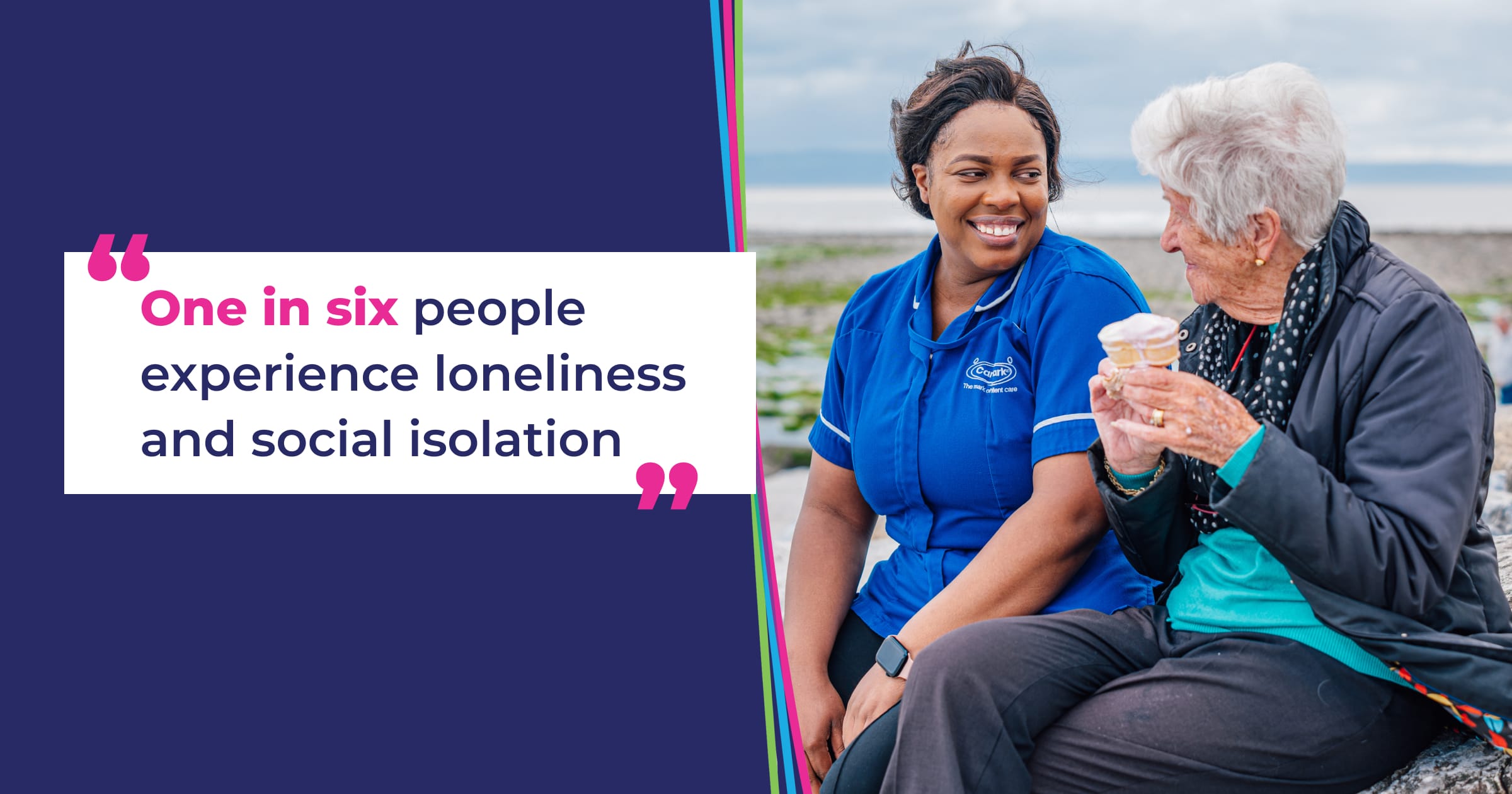
Best practices to combat older peoples isolation
Small, consistent steps make the biggest difference. Best practices to combat older peoples isolation focus on building a simple weekly rhythm of meaningful activity: a chat over a cuppa, a short walk, a club meeting, or time in the garden. Reliable companionship reduces long gaps between interactions and restores confidence.
- Arrange safe, escorted outings and dependable transport to local activities.
- Support confidence after a fall or illness with gentle, steady re-engagement.
- Introduce accessible technology: video calls, easy-to-use tablets, reminder clocks, hearing support, and fall detectors—always with patient coaching.
Joined-up support matters. GP link-ups can address depression, pain, or hearing loss. Social prescribing connects people with befriending schemes, Men’s Sheds, U3A, arts groups, and walking clubs. Volunteering can rebuild purpose. COVID-19 and social isolation reminded us to keep safety at the centre: check new contacts, choose reputable transport, and make sure home environments are secure.
Caremark Pulborough and Horsham caregiver support for socially isolated older people
Families often shoulder a lot. Caremark Pulborough and Horsham caregiver support for socially isolated older people means sharing the load and providing clear, practical guidance. We help families create simple plans, set realistic goals, and track progress, whether that’s more outings, brighter mood, or renewed participation in a local group. With best practices to combat isolation in mind, we keep things manageable and personal.
| What families can do | How Caremark Pulborough and Horsham helps |
| Build a weekly routine of social contact | Regular, unhurried visits from a consistent Care Assistant |
| Make travel and outings feel safe | Escorted trips to shops, cafes, clubs, and appointments |
| Stay connected between visits | Set-up and coaching on phones, tablets, and video calls |
| Spot health concerns early | Wellbeing check-ins and clear feedback to families |
Why choose Caremark Pulborough and Horsham
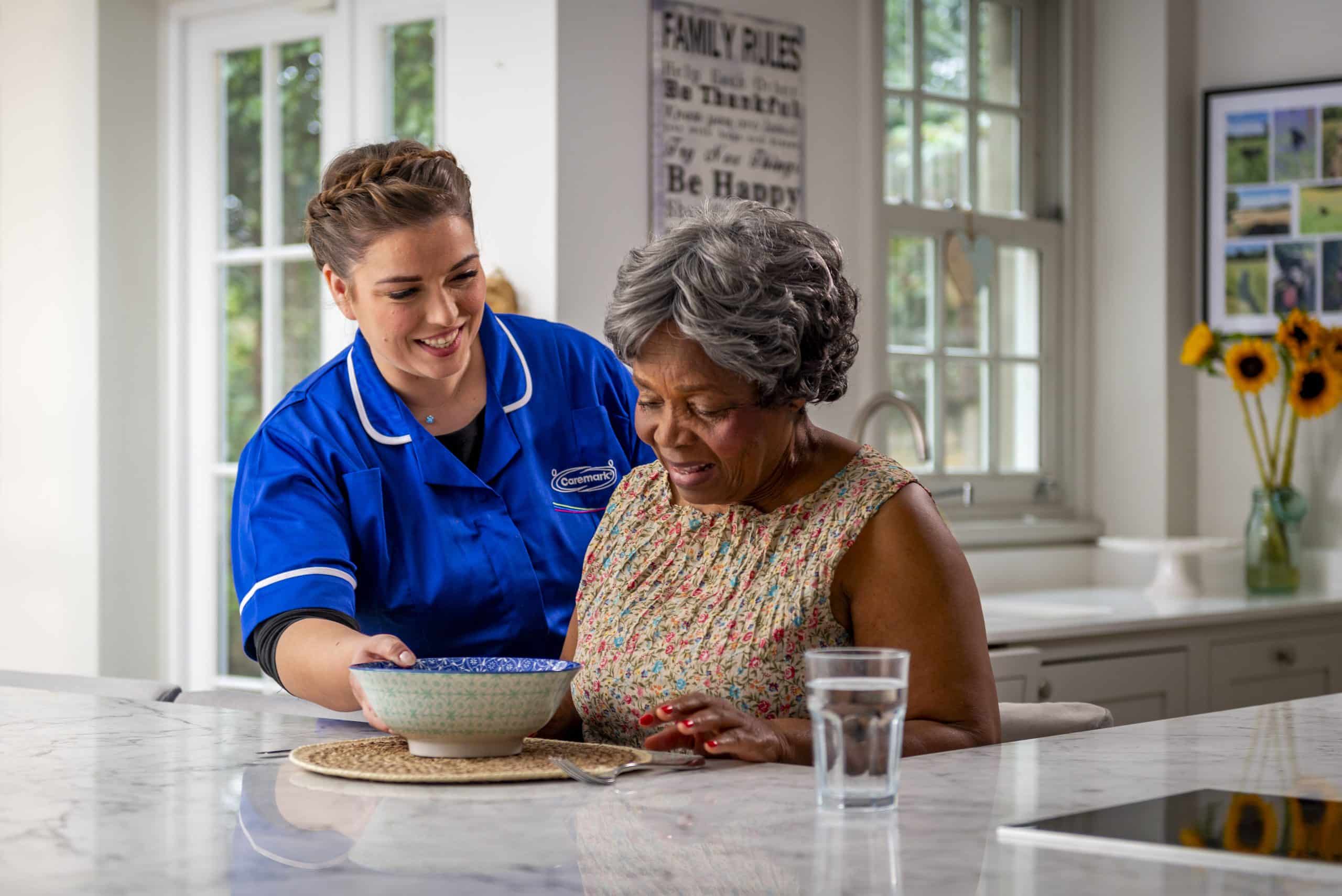
We are local, human, and safe. Our companionship-led home care is built on trust and kindness. Customers see the same familiar faces, so conversations deepen and worries are noticed early. We focus on what matters to the person—sharing a meal, practising a favourite hobby, or planning a community outing.
- Social calls for friendly conversation and genuine company.
- Escorted outings that make getting out enjoyable and safe.
- Wellbeing check-ins after hospital discharge to support recovery.
- Practical help to re-engage with hobbies at home or locally.
- Technology set-up and gentle coaching to keep families close.
Quality and safety sit at the heart of everything we do. Our Care Assistants are trained, DBS-checked, and supervised by our local teams. We review personal goals and adapt support so progress feels steady and achievable. Caregiver support for socially isolated elders is part of our daily work, and we are proud to be seen as a trusted leader across the UK.
Social isolation and loneliness in older adults: a growing public health crisis and what we can do about it needs practical action and warm relationships. With Caremark Pulborough and Horsham, you get both: compassionate people, clear plans, and consistent support. Nothing compares to home and nothing compares to Caremark Pulborough and Horsham.