

Are Customers Aware of Their Safeguarding Rights in Preston?
Feeling safe at home should never mean giving up your choices. If you or someone close to you receives care, it helps to know what good care looks like and what to do if something feels wrong. Understanding your safeguarding rights in Preston can help you speak up while keeping your choices and wishes at the centre.
At Caremark Preston, we believe clear information and open conversations help people feel confident and supported. This guide explains what safeguarding means, outlines your rights and shows how we work with customers and families to support safe care at home.
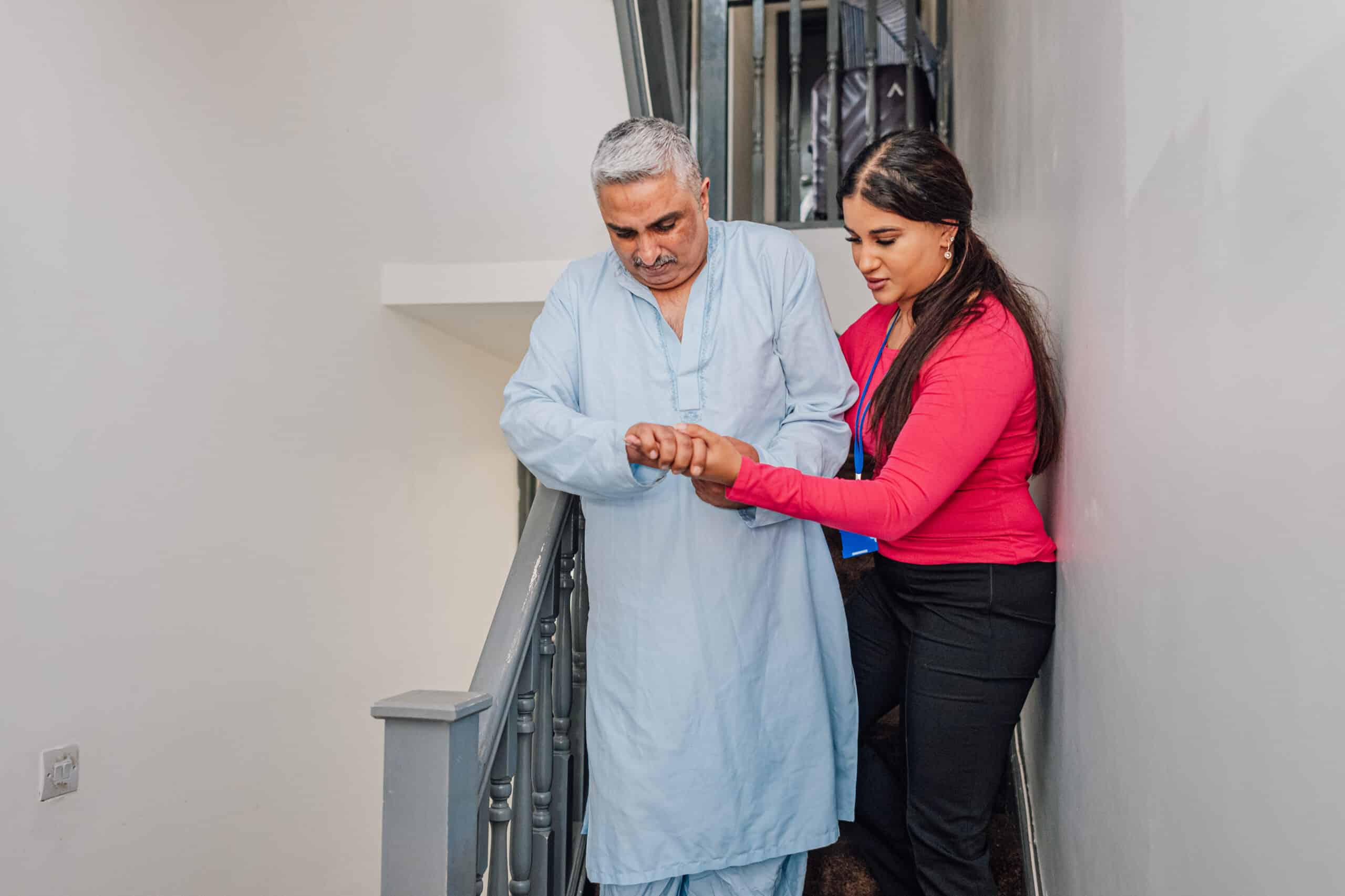
What Is Safeguarding?
Safeguarding is the process of protecting people from abuse, neglect, exploitation and harm while promoting their wellbeing, independence and quality of life.
In health and social care, safeguarding applies to adults who have care and support needs and may be at risk of abuse or neglect. It exists to ensure people can live safely, maintain their dignity and continue making choices about their own lives wherever possible.
Six key principles which guide safeguarding:
- Empowerment
- Prevention
- Proportionality
- Protection
- Partnership
- Accountability
These principles place the individual at the centre of decision-making. Rather than taking control away from people, safeguarding seeks to support them in making informed choices and accessing the help they need.
Good safeguarding promotes independence while ensuring appropriate action to protect people at risk.
Understanding Your Safeguarding Rights
Every person receiving care has important rights designed to protect their safety, wellbeing and dignity.
Customers have the right to:
- Be treated with dignity and respect.
- Live free from abuse, neglect and exploitation.
- Be involved in decisions about their care.
- Express their wishes and preferences.
- Receive information in a format they can understand.
- Raise concerns without fear of unfair treatment.
- Access support and advocacy when required.
- Have their privacy and confidentiality respected.
These rights apply regardless of age, disability, health condition, religion, ethnicity, gender or how care is funded.
Understanding these rights is an essential part of staying safe. When people know what good care looks like and what standards they should expect, they are more likely to recognise concerns and seek support when needed.
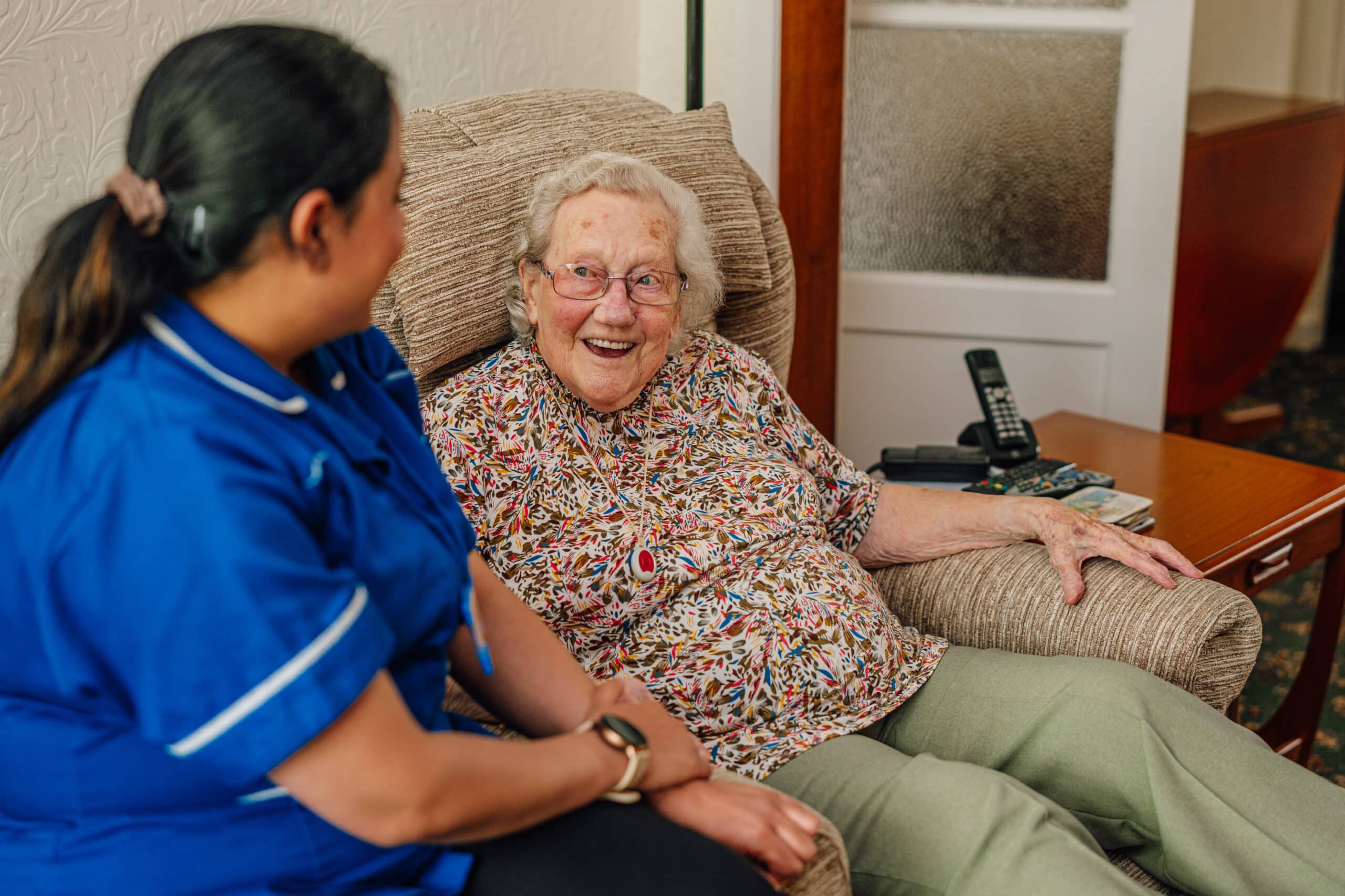
Why Awareness Matters
Safeguarding can only be effective if people understand their rights and feel able to use them.
Unfortunately, many individuals do not report concerns straight away. They may feel unsure whether something is serious enough to mention, worry about upsetting someone, or lack confidence in speaking up.
Awareness helps remove these barriers.
When customers understand their rights, they are more likely to:
- Recognise signs of abuse or neglect.
- Seek help earlier.
- Participate actively in decisions about their care.
- Maintain greater independence.
- Feel confident expressing concerns and preferences.
Awareness also benefits families, friends and professionals. When everyone understands safeguarding responsibilities, concerns are more likely to be identified quickly and addressed appropriately.
At Caremark Preston, safeguarding is not a one-off conversation. It is an ongoing part of our relationship with customers and their families.
Recognising Abuse and Neglect
Abuse can take many forms and may happen anywhere, including in a person’s own home.
Understanding the different types of abuse can help people recognise concerns earlier and access support when needed.
Physical Abuse
Physical abuse may involve hitting, pushing, inappropriate restraint, rough handling or misuse of medication.
Signs may include unexplained bruises, injuries, repeated falls or fearfulness around certain individuals.
Emotional or Psychological Abuse
This includes behaviour that affects a person’s emotional wellbeing, such as threats, humiliation, intimidation, bullying or controlling behaviour.
Warning signs can include anxiety, withdrawal, loss of confidence or sudden changes in behaviour.
Financial Abuse
Financial abuse occurs when money, possessions or assets are used improperly.
Possible signs may include missing belongings, unexpected bank transactions, unpaid bills or pressure to make financial decisions.
Sexual Abuse
Sexual abuse involves any unwanted sexual behaviour or activity without consent.
This can include inappropriate comments, unwanted touching or more serious forms of abuse.
Neglect
Neglect occurs when a person’s basic needs are not being met.
This may include inadequate nutrition, poor personal hygiene, missed medication, lack of heating or failure to access necessary healthcare.
Self-Neglect
Self-neglect happens when someone struggles to care for their own wellbeing or living environment.
Examples may include poor nutrition, refusing essential support, unsafe living conditions or severe hoarding behaviours.
Common Signs That Something May Be Wrong
Every situation is different, but certain warning signs should never be ignored.
These can include:
- Unexplained injuries.
- Repeated bruising.
- Sudden mood changes.
- Fear, anxiety or withdrawal.
- Missing money or possessions.
- Poor hygiene.
- Weight loss.
- Deteriorating health.
- Missed medication.
- Unsafe living conditions.
- Reluctance to speak openly in front of others.
One sign alone does not necessarily indicate abuse. However, patterns of behaviour, ongoing concerns or changes from a person’s usual presentation should always be taken seriously.
Therefore, if something does not feel right, it is important to trust your instincts and seek advice.
Removing Barriers to Speaking Up
Many people find it difficult to report concerns, even when they know something is wrong.
Common barriers include:
- Fear of not being believed.
- Worry about repercussions.
- Dependence on those providing support.
- Communication difficulties.
- Memory problems.
- Lack of confidence.
- Limited understanding of safeguarding.
These concerns are understandable. That is why creating an environment where people feel comfortable speaking openly is so important.
At Caremark Preston, we encourage honest conversations and welcome questions. We want customers to know they can raise concerns without fear of judgement.
We also recognise that communication needs differ from person to person. Information can be provided in different formats, and communication methods can be adapted to help customers express themselves as comfortably as possible.
How to Raise a Safeguarding Concern
Anyone can raise a safeguarding concern.
This includes customers, family members, neighbours, friends, advocates and healthcare professionals.
If you are worried about yourself or someone else, you can:
- Speak directly to a Care Assistant.
- Contact your local Caremark office.
- Speak to a supervisor or Registered Care Manager.
- Contact your local authority safeguarding team.
- Contact emergency services if someone is in immediate danger.
You do not need proof before raising a concern.
Many people worry they may be mistaken or that they lack enough evidence. Yet safeguarding often begins when someone notices a concern and speaks up.
Sharing worries early can help prevent situations from becoming more serious and may reassure people when concerns turn out not to indicate abuse.
What Happens When a Concern is Raised?
When a safeguarding concern is reported, the priority is always the individual’s safety and wellbeing.
The response will depend on the nature and seriousness of the concern, but may include:
- Assessing immediate risks.
- Taking steps to protect the individual.
- Gathering relevant information.
- Reviewing care arrangements.
- Working with local authorities and healthcare professionals.
- Agreeing appropriate support plans.
Throughout the process, we aim to keep customers informed and involved wherever possible.
Safeguarding responses should be proportionate, respectful and focused on achieving positive outcomes for the individual concerned.
How Caremark Promotes Safe Care
Safeguarding is embedded throughout everything we do.
Providing safe care requires more than policies alone. It requires the right people, the right training and a culture that promotes safety, dignity and accountability.
We support this through:
- Safer recruitment practices.
- Background checks and employment screening.
- Safeguarding training for all care staff.
- Ongoing supervision and support.
- Regular competency assessments.
- Clear reporting procedures.
- Quality assurance processes.
- Partnership working with local services.
Our teams are trained to recognise concerns, respond appropriately and take action whenever necessary.
Safeguarding training forms part of induction and is refreshed regularly to ensure colleagues remain up to date with best practice and changing guidance.
Real-Life Safeguarding Examples
Safeguarding can sometimes seem like a complex subject, but many situations involve everyday concerns.
For example, a family member may notice unexplained bruising on a loved one and feel unsure whether to report it. Another customer may become worried because money appears to be missing from their home. Someone else may feel increasingly anxious after visits from particular individuals.
In each situation, speaking up allows concerns to be assessed properly.
Not every concern will result in a formal safeguarding investigation, but every concern deserves to be taken seriously. Raising questions enables professionals to understand what is happening and determine whether support or intervention is required.
These examples highlight why safeguarding awareness is so important. The sooner concerns are raised; the sooner support can be put in place.
Common Myths About Safeguarding
Several misconceptions can prevent people from seeking help.
Myths Facts
Safeguarding only applies if the council pays for care. Safeguarding applies regardless of how care is funded.
Reporting a concern will automatically stop care services. The aim of safeguarding is to improve safety and wellbeing, not remove support.
You need proof before raising concerns. You only need a genuine concern. Professionals will investigate further if needed
Understanding the facts helps people feel more confident seeking support when they need it.
Frequently Asked Questions
Do safeguarding rights apply if I pay for my own care?
Yes. Safeguarding protections apply whether care is privately funded or funded through public services.
Can I report concerns anonymously?
In many situations, yes. However, providing contact details can help professionals gather further information if required.
Will raising a concern affect my care?
No. Customers should never be disadvantaged for raising concerns in good faith.
What if I am unsure whether something is abuse?
It is always better to discuss concerns than remain silent. Professionals can help assess the situation and provide guidance.
Can family members raise concerns?
Yes. Family members and representatives can raise safeguarding concerns if they are worried about someone’s safety or wellbeing.
How quickly are safeguarding concerns acted upon?
Urgent concerns are prioritised immediately. Other concerns are assessed promptly and addressed according to the level of risk involved.
Supporting Safe and Independent Living at Home in Preston
Knowing your safeguarding rights in Preston can help you feel more confident about raising a concern. You should feel safe, respected and heard whenever you receive care at home. At Caremark Preston, we aim to make each visit safe, respectful, and centred on the person. Our care team receives safeguarding training, and we listen when customers or families raise a concern. The goal is to protect each person’s dignity and help them stay independent at home.
If you have a concern about care, you can contact Caremark Preston or report it directly to Lancashire County Council. You don’t need to wait until you are sure something is wrong. We are here to listen and help you find the right way forward. We checked the local reporting route and emergency guidance against Lancashire County Council’s safeguarding advice.