

Guide to Volunteering with Older People

Volunteering with older people is a gentle, meaningful way to build community. A regular chat, a short walk, or a friendly phone call can lift someone’s day and restore confidence. Whether you can spare an hour a week or a little more, small acts of kindness add up. This guide explains how to get started, the roles available, and how both volunteers and older adults benefit from steady companionship at home and in the community.
There are many welcoming routes into volunteering with elderly people, along with activity groups and telephone support. The right match feels natural, safe and rewarding for everyone involved.
Getting Started in Volunteering with Older People
Begin by determining how much time you can reliably commit. A weekly visit or call builds trust and routine, which matters more than occasional availability. Think about what you enjoy. You do not need formal qualifications to volunteer with older adults. Listening well, being patient, and showing up on time are the most valuable skills.
Your interests can shape your role. If you enjoy music, crafts, gardening, reading aloud, walking, or helping with technology, these interests can make each visit enjoyable and purposeful. Set boundaries from the outset. Most volunteer work with older adults focuses on companionship, social interaction, and community activities. Clarity helps everyone feel comfortable and respected.
Be prepared for simple checks. Organisations commonly ask for references, an informal interview and a DBS check. Induction and training usually cover confidentiality, safeguarding, communication, and supporting people.

How to Get Involved
Getting started is warm, simple, and fully supported. You do not need previous experience in care. What matters most is kindness, reliability, and a genuine interest in people’s stories.
Steps to becoming a volunteer with older people:
- Explore opportunities locally and online, including searches for “volunteer with elderly near me” and “volunteer with the elderly near me.”
- Choose a role that suits your interests and weekly availability.
- Apply through the organisation’s website or volunteer portal.
- Attend an informal interview and provide references.
- Complete safeguarding checks and induction training.
- Agree a schedule and begin with a supported introductory visit.
Common roles include:
- Befriending and companionship: Regular conversations at home or by phone, sharing hobbies, gentle walks or a cup of tea at a local café. These visiting elderly volunteer roles are a good fit for many people.
- Activity support: Helping at lunch clubs, coffee mornings, singing groups, reminiscence sessions, chair-based exercise, or arts and crafts.
- Digital buddy: Supporting someone to use a smartphone or tablet, make video calls, or access online services.
- Transport and errands: Joining community transport schemes, escorted shopping, or accompanying to appointments.
- Telephone check-ins: Scheduled calls to reduce isolation, offer reassurance and spot concerns early.
- Dementia-friendly engagement: Supporting memory cafés, cognitive activities and carer respite groups, with training provided.
- Community outreach: Helping at events, information stands and intergenerational projects that link schools or clubs with older residents.
Where to look for opportunities:
- Local volunteer centres and Councils for Voluntary Service (CVS).
- National platforms such as Doit, NCVO and Reach Volunteering.
- Charities focused on ageing, including Age UK, Royal Voluntary Service and Independent Age.
- Local councils, community hubs and libraries with “what’s on” listings.
- Faith and community groups, lunch clubs and men’s sheds.
Ask about training, ongoing support and expenses. Reputable organisations reimburse reasonable travel costs for volunteers. Please note: This guide offers general information. We do not arrange volunteer placements.
Building Warm, Steady Connections
At its heart, volunteering with older people is about connection. Consistent, friendly contact helps people feel seen and included. A weekly cuppa, a shared hobby, or a short outing can make an ordinary day feel special.
Creating lasting friendships
Trust grows through simple routines: a crossword completed together, a favourite song played quietly, recipes swapped and tried. Over time, you learn what matters to each person—their preferences, routines, and life story—so you can support dignity and choice every step of the way.
Encouraging community engagement
- Facilitating attendance at local groups, libraries, and coffee mornings.
- Connecting people to community transport, social clubs, or faith groups.
- Signposting free events and accessible activities that match their interests.
This gentle encouragement reduces barriers to getting out and about, supporting confidence and independence.
Why companionship matters
Loneliness can affect physical and mental health. Regular companionship brings conversation, laughter, and reassurance that can lift mood and build resilience. Volunteers make this possible by offering reliable contact and a friendly presence. If you have been searching for “volunteer with elderly near me”, this is the difference you can make.
Community involvement can be simple and joyful. Accompany someone to a club, a park bench, a coffee morning or a library event. Check accessibility in advance, agree a simple plan and start small. A short, successful outing can become a weekly highlight. Companionship eases loneliness, lifts mood and encourages healthy routines such as eating well, staying active and getting out in the fresh air. By seeing someone regularly, you are also well placed to notice changes and signpost extra support when needed.
Communication tips that help:
- Be present: put your phone away and focus on the moment.
- Be patient: allow time for responses and avoid rushing.
- Be clear: speak calmly, face the person and reduce background noise.
- Be respectful: ask permission before helping and uphold privacy and dignity.
- Be consistent: agree a regular day and time to build trust.
The Impact of Volunteering with Older People
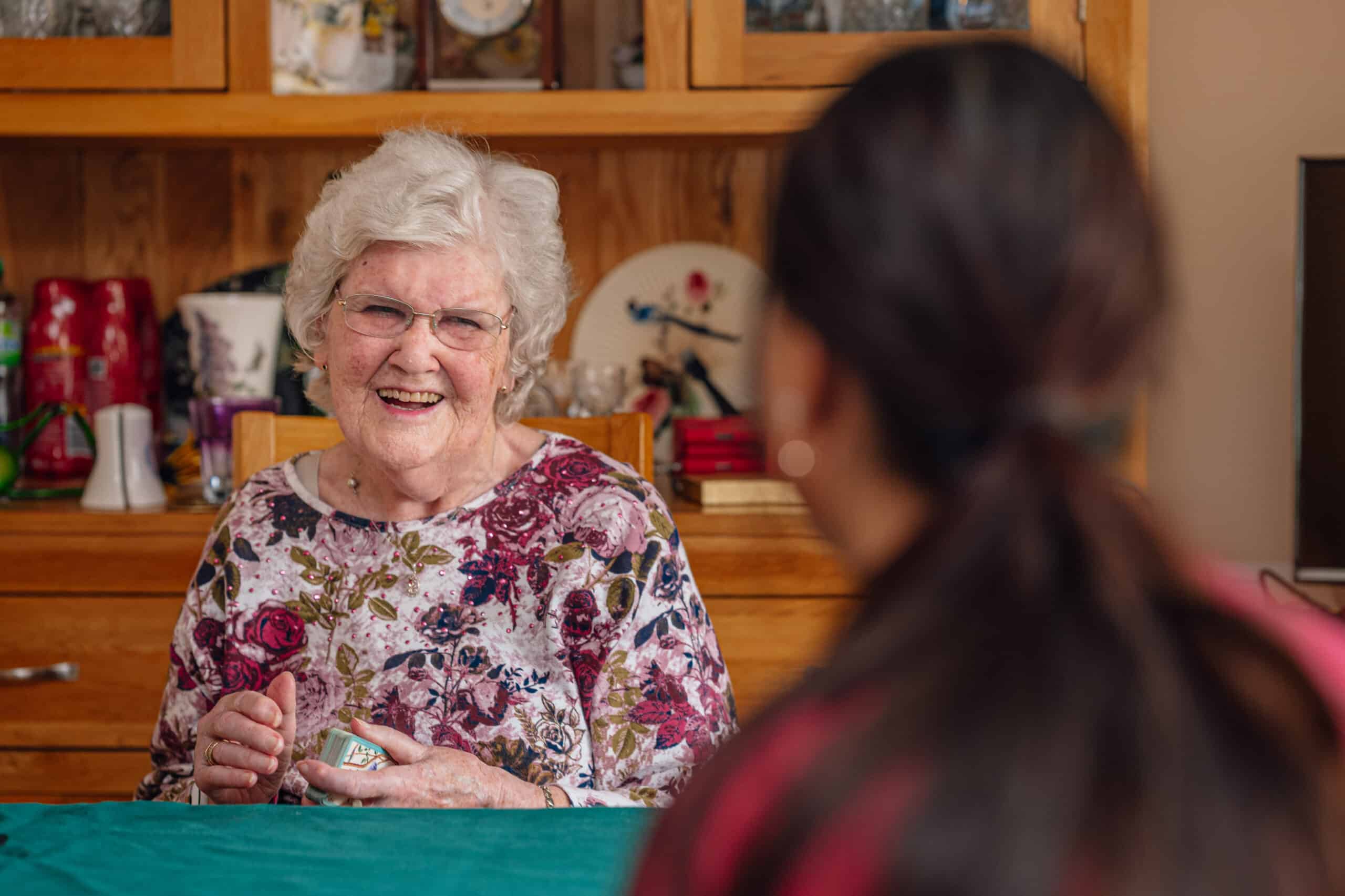
For older adults, regular companionship supports connection, confidence and independence. Conversation and reminiscence can stimulate memory, while gentle movement during walks or outings can support balance and mobility. With the right encouragement, people often rediscover old interests and find their way back to groups they once enjoyed.
Volunteers benefit too. Many describe a renewed sense of purpose, better wellbeing and new friendships. The practical skills you gain—communication, safeguarding awareness and problem‑solving—transfer into everyday life. Seeing steady progress, however small, is deeply rewarding.
Benefits for older people
- Improved wellbeing and reduced loneliness through regular social contact.
- Greater confidence to attend appointments, activities, or short outings.
- Encouragement to enjoy hobbies, reminiscence, and gentle exercise.
- Practical help with small tasks that make life easier and safer.
- A stronger sense of belonging within the community.
Positive effects on volunteers
- A renewed sense of purpose and personal fulfilment.
- Improved confidence, communication skills, and empathy.
- Broader understanding of ageing, dementia, and inclusive communities.
- New friendships and local connections.
- Experience that supports personal development and future career pathways.
These stories began with a simple offer of time and kindness. That is the heart of volunteering with older people.
Choosing the Right Role for You
Finding the best fit makes volunteering with older people sustainable and enjoyable. As you explore options for volunteer work with the elderly, consider travel time, your energy levels and the kind of interaction you enjoy most. A good role feels achievable and uplifting each week.
Ready to Start Volunteering with Older People?
If you are ready to begin, write down your availability, your interests and any preferences for location. Start with a simple search for “volunteering with older people” and “volunteer with the elderly near me,” then contact local centres or national charities. Ask about training, supervision and how they support volunteers in visiting elderly volunteer roles. Choose a role that fits your routine and offers steady support.
Volunteering opportunities are widely available through local centres, national platforms and well‑established charities. While we do not arrange volunteer placements, we recognise the huge difference volunteers make in helping people live well at home and stay engaged in their communities. When voluntary work with the elderly is well supported, everyone benefits: safe routines and renewed confidence for the person you visit, and a clear sense of purpose, connection and joy for you.