

What Are the Main Causes of Dementia?

Dementia can be a deeply concerning diagnosis, both for the individual and their loved ones. Understanding the causes of dementia is the first step towards managing the condition and finding the right support. It’s important to clarify that dementia is not a single disease but an umbrella term for a range of symptoms. These symptoms involve a decline in memory, reasoning, or other thinking skills severe enough to affect a person’s ability to perform everyday activities.
Understanding The Main Causes of Dementia
The causes of dementia are not straightforward. Instead, the condition often results from a complex interplay of genetics, lifestyle choices, and environmental influences. We aim to demystify the main causes of dementia. This should help families better understand the various risk factors involved. While this topic can be worrying, remember that knowledge empowers you. Understanding what leads to dementia can help you navigate the path ahead with greater confidence and clarity. Which is something that we do with our dementia care plans for those we provide support to.
Biological Factors: The Role of Genetics and Biology
At its core, dementia is caused by damage to brain cells, which disrupts their ability to communicate with each other. When brain cells cannot communicate normally, thinking, behaviour, and feelings can be affected. The brain has many distinct regions, each responsible for different functions. When cells in a particular region are damaged, that region cannot carry out its functions as it should.
Different types of dementia are associated with particular types of brain cell damage in specific regions of the brain. In Alzheimer’s disease, for example, high levels of certain proteins inside and outside brain cells make it hard for them to stay healthy and communicate. The accumulation of these proteins, known as plaques and tangles, is a primary biological cause.
Genetic Mutations
Genetics can play a significant role in the development of dementia,. However, it’s crucial to understand the distinction between different types of genes.
- Risk genes: These genes increase the likelihood of developing a disease but do not guarantee it. The most well-known risk gene for Alzheimer’s is APOE4. Having one copy of this gene can increase your risk, and having two copies increases it further. However, many people with the APOE4 gene never develop dementia, while others without it do.
- Deterministic genes: These genes directly cause a disease, and anyone who inherits them will develop the condition. These genes are very rare and are responsible for less than 1% of Alzheimer’s cases. They often cause the disease to appear at a much younger age, typically between the ages of 30 and 60.
It is important to remember that having a family history of dementia does not mean you will definitely develop it. Genetics are just one piece of a much larger puzzle.
Ageing
While ageing is not a direct cause of dementia, it is the single strongest known risk factor. The likelihood of developing conditions like Alzheimer’s disease or vascular dementia increases significantly with age. This is partly because the brain changes that cause dementia, such as the build-up of proteins, take a long time to develop. However, it’s important to note the differences between Alzheimer’s and dementia.
Lifestyle Factors: How Daily Habits Impact Risk
While we cannot change our age or our genes, many lifestyle factors that contribute to dementia risk are within our control. Making positive changes can have a powerful impact on brain health.
Diet and Nutrition
The connection between heart health and brain health is well-established. A diet that is unhealthy for your heart can also increase your risk of dementia. Poor dietary habits can lead to high blood pressure, high cholesterol, and obesity, all of which contribute to vascular issues. These issues can damage blood vessels in the brain, leading to vascular dementia, the second most common type of dementia.
Actionable tip: Adopt a specific diet that is suitable for an older person. As an example, the Mediterranean-style diet. It’s rich in fruits, vegetables, whole grains, fish, and healthy fats such as olive oil. The Mediterranean diet has been shown to support brain health and may reduce the risk of dementia. There are options, so discover the benefits of healthy eating for older adults.
Physical Activity
A sedentary lifestyle is another significant dementia risk factor. Lack of regular physical activity can affect blood flow to the brain and contribute to conditions like obesity and high blood pressure. A healthy lifestyle has positive effects on the body, such as maintaining a healthy weight, but also on the brain. It helps improve circulation and stimulates chemicals that protect the brain.
Actionable tip: There are many exercises older adults can do. This includes chair exercises for older adults and simple, safe exercises for the elderly to do at home.
Smoking and Alcohol
Smoking is highly detrimental to your vascular system. It damages blood vessels throughout the body, including in the brain, which increases the risk of stroke and vascular dementia.
Excessive alcohol consumption over a long period can also lead to brain damage. This can result in a specific type of dementia known as alcohol-related brain damage (ARBD), which affects memory, learning, and other cognitive functions.
Environmental Factors: External Influences
External factors in our environment can also play a part in the development of dementia.
Head Injuries
There is a clear link between moderate to severe traumatic brain injuries (TBIs) and an increased risk of developing dementia later in life. This is particularly true for repeated head injuries. Taking precautions, such as wearing a helmet during sports and a seatbelt in the car, can help protect your brain.
Exposure to Toxins
Ongoing research is exploring the link between long-term exposure to certain environmental toxins and dementia risk. Some studies suggest that exposure to air pollutants from traffic and heavy metals may be a contributing factor. While more research is needed, being mindful of your environment is a sensible precaution.
Can Dementia Be Prevented?
While we cannot change our age or genetic makeup, we can address modifiable risk factors. By adopting healthier lifestyle choices, it may be possible to reduce the risk of developing dementia or delay the onset of symptoms. The key message is one of empowerment: it is never too late to make positive changes that support your long-term brain health. Engaging in regular physical activity, eating a balanced diet, and avoiding smoking and excessive alcohol are all powerful steps you can take.
How Caremark Can Help
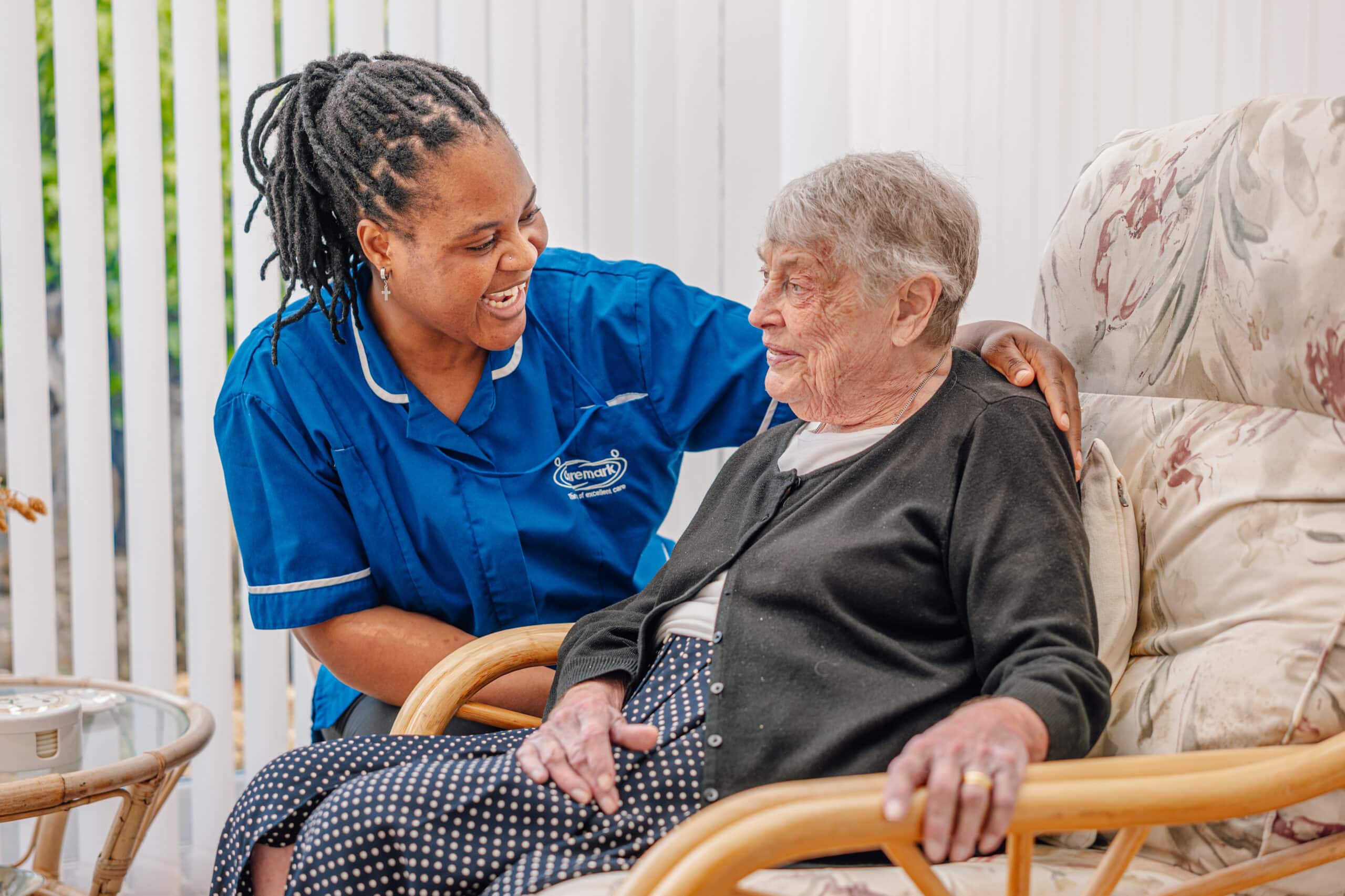
For families living with dementia, navigating daily life can be challenging. At Caremark, we provide specialised, person-centred support to help your loved ones live safely and comfortably at home.
Our care assistants are professionally trained to understand the specific needs associated with different causes of dementia. We create tailored care plans designed to enhance quality of life and promote independence. Our services include:
- Ensuring a safe home environment to minimise the risk of falls or injuries.
- Companionship to provide social interaction and stimulate cognitive function.
- Assistance with medication management to ensure dosages are taken correctly and on time.
- Support with nutrition and meal preparation to help maintain brain health.
Would you like to learn more about the care services we provide? Get in touch and discover how we can support you or someone you love. From dementia care at home to live-in care at home, we are here to help.
Your Partner in Dementia Care
Understanding the biological, lifestyle, and environmental causes of dementia is the first step in managing this complex condition. While some risk factors are beyond our control, many can be modified through conscious choices.
If you notice symptoms of dementia in yourself or a loved one, it is crucial to seek medical advice for an early diagnosis. You are not alone on this journey. Professional support from organisations like Caremark is available to help you and your family navigate the challenges ahead with compassion and expertise.
What To Read Next
- Alzheimer’s vs Dementia: What’s the Difference?
- 5 Winter Activities for People with Dementia
- 10 Ways Dementia May Present Near Life’s End
- Reducing Loneliness in Dementia Patients
- What is Dementia?
- How Is Dementia Diagnosed?
- Benefits of Arts and Crafts for Dementia