

Benefits of Healthy Eating for Older Adults
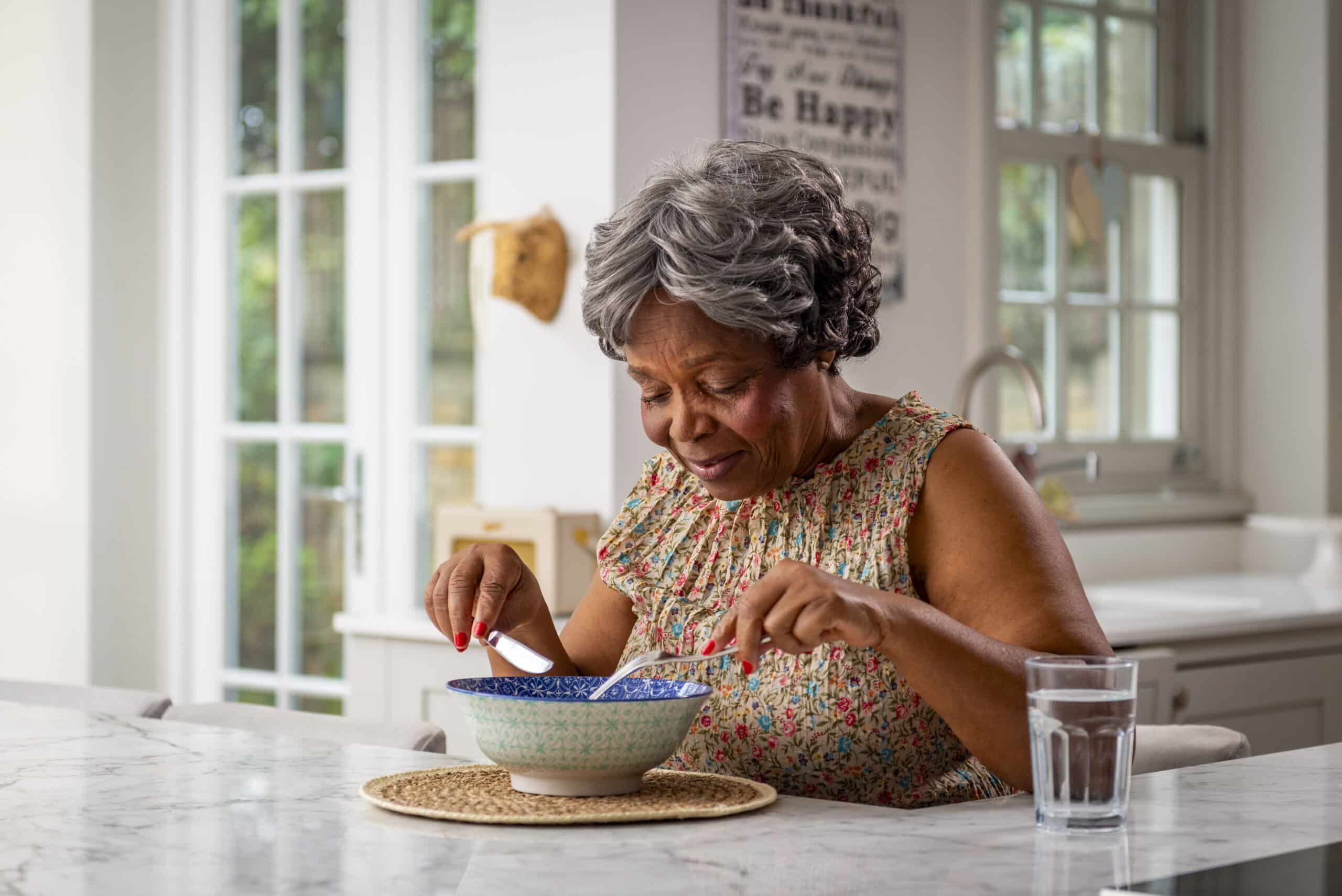
There’s no place like home, and no time like now to eat well and feel well. The benefits of healthy eating for older adults are wide‑reaching, and can result in more energy for the day ahead, clearer thinking, stronger bones and muscles, and greater confidence to enjoy life at home. In this simple guide, we explain why eating healthy is important, the key nutrients to focus on, practical tips that really work, and how Caremark can lend a caring hand with meals, hydration and daily routines.
What Are The Key Benefits of Eating Healthy Food for Older Adults?
As we grow older, our bodies change, and so do our appetites and routines. That’s why eating healthy is important. Choosing nourishing foods helps maintain strength, balance and immunity. It can also support heart health and brain function. The benefits of healthy eating for older adults include fewer illnesses, steadier moods and can lead to more independence at home.
Common hurdles like reduced appetite, changes in taste, chewing or swallowing difficulties, can make mealtimes harder. Mobility challenges or a tight budget can also impact. Medicines can sometimes affect appetite or nutrient absorption too. But, with a little planning and the right support, these challenges can be overcome. When meals are enjoyable and easy, the benefits of eating a healthy diet become part of everyday life.
Good nutrition also plays a part in preventing and managing conditions such as high blood pressure, type 2 diabetes and raised cholesterol. These are real, tangible benefits of healthy eating for older adults. They help to reduce hospital visits and keep life steady and comfortable at home.
Key Nutrients for Healthy Eating in Older Adults
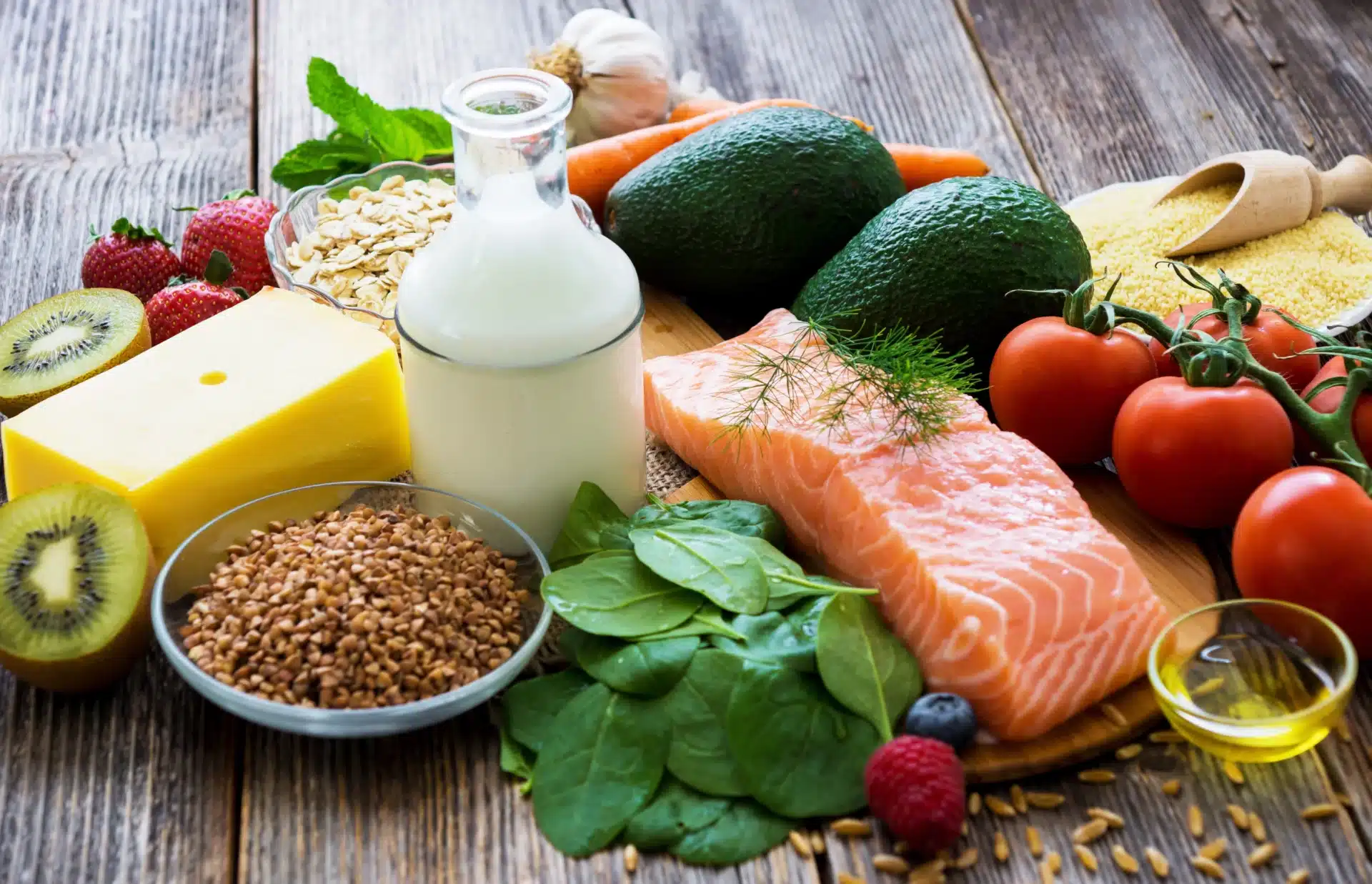
Your nutritional needs for adulthood don’t disappear with age, but the balance shifts. Vitamin D and calcium support strong bones and reduce the risk of falls. Vitamin B12 supports nerves and energy. Folate and other B vitamins help heart and brain health. Potassium and magnesium aid blood pressure and muscle function, while vitamins C and E support the immune system. These nutrients reflect the nutritional needs for adulthood in later years, helping you stay well and active.
Protein is essential for preserving muscle and aiding recovery after illness or surgery. Therefore, you should aim for a source at each meal. Eggs, dairy, fish, poultry, beans or lentils all work well. Fibre keeps digestion regular, helps manage cholesterol and supports steady blood sugar. Wholegrains, vegetables, fruit, pulses, nuts and seeds are excellent choices and boost the benefits of eating a healthy diet day to day.
Hydration matters too. Thirst can lessen with age, so gentle prompts help. Try regular sips of water, milk, herbal teas or broths across the day. Soups, stews, yoghurt and juicy fruit also contribute to fluid intake. When you’re well hydrated, you think more clearly, move more comfortably and feel brighter.
Practical Tips That Make Healthy Eating Easier
Small steps make a big difference. Plan simple weekly menus, write a shopping list and batch‑cook soups or casseroles to pop in the freezer. Keep helpful staples on hand to make quick, nourishing meals without fuss. This might include tinned fish, beans, wholegrain pasta, brown rice, oats and frozen vegetables. This is where the benefits of healthy eating for older adults really show: less stress, more flavour, and better day‑to‑day wellbeing.
At each meal, aim for balance of protein, wholegrain or other starchy carbohydrates, at least two portions of vegetables or salad, and a little healthy fat, such as olive oil, nuts or seeds. For snacks, try yoghurt, fruit, wholegrain crackers with cheese or hummus, or a small handful of nuts.
Make swaps to suit your needs. If appetite is low, choose smaller, more frequent meals and add energy‑dense extras like yoghurt with nut butter. For chewing or swallowing difficulties, opt for softer textures, moist dishes or smoothies. If you’re managing diabetes, spread carbohydrates across the day and pair them with fibre and protein to support steady blood sugar. On a tighter budget, you could choose seasonal produce and frozen fruit and veg.

How Caremark Supports Healthy Eating at Home
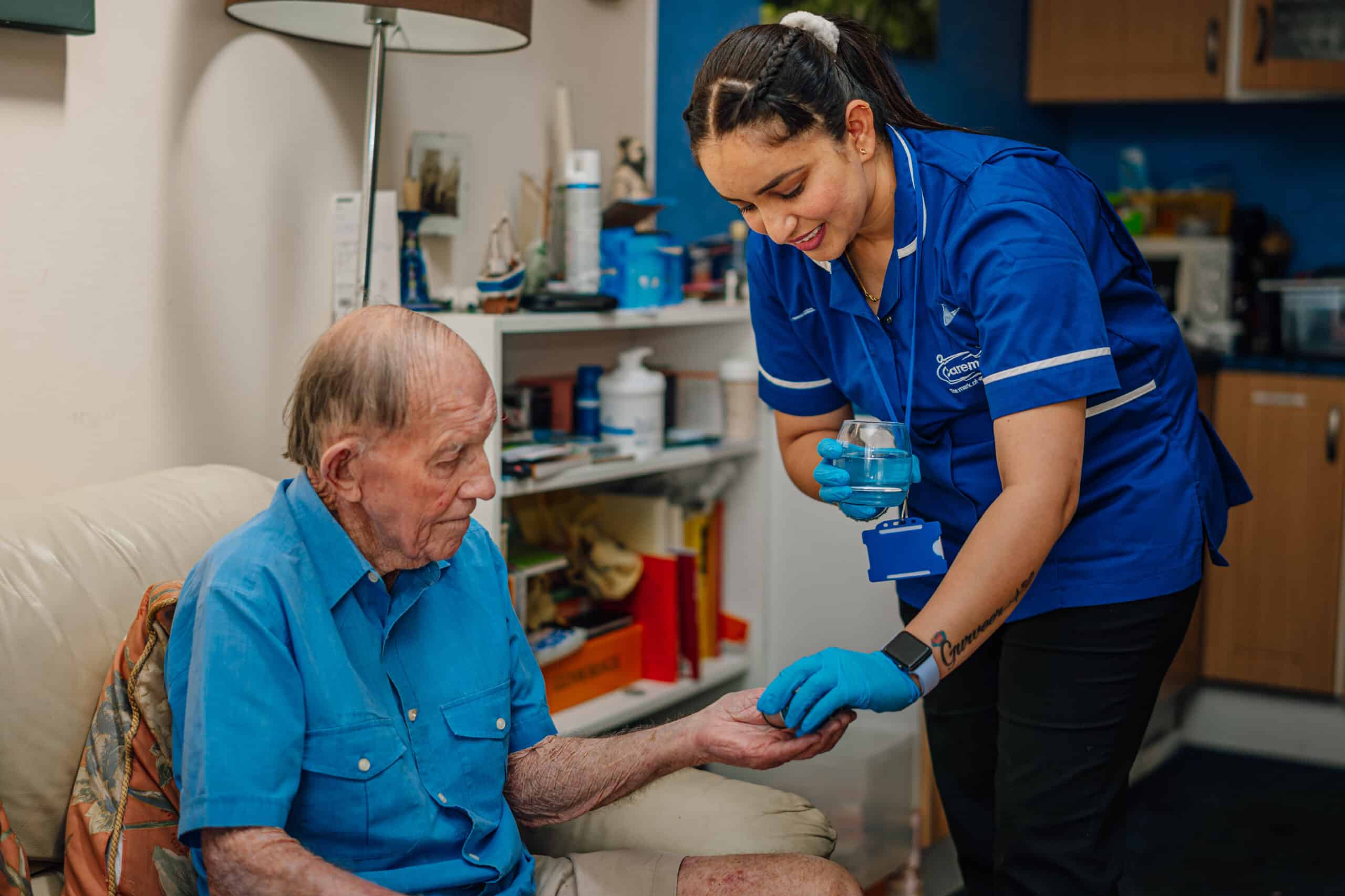
We can help with tailored meal plans aligned with advice from your GP or dietitian. We also provide hydration prompts and help with safe food handling, adaptive equipment and kitchen organisation. It’s practical, friendly support that fits your life.
Many customers tell us they feel brighter and more confident when meals and drinks are supported. That’s because the benefits of healthy eating for older adults are felt every day. They experience more energy, better focus and comfort at home. When you understand why eating healthy is important and have a little help to put it into practice, the difference is remarkable.
Caremark is trusted by thousands of families across the UK. We deliver high‑quality home care with compassion and a cheery smile, and we are proud of our excellent standards. With regular visits or live‑in care, we’ll build a plan around you.
If you or someone you love would benefit from kind, reliable support with meals, hydration and daily routines, contact your local Caremark team today. We’ll listen, offer clear guidance and create a simple plan that brings the benefits of eating a healthy diet to your home, every single day.
How Caremark Can Help
At Caremark, we provide high-quality, professional care that empowers individuals to live their best lives. Our kind and trustworthy care assistants are key to the tailored care we provide. Our customers are at the heart of everything we do, so we strive to support every one of their needs in managing their conditions.
Would you like to learn more about the care services we provide? Get in touch and discover how we can support you or someone you love. From domiciliary care to live-in care, we are here to help.
Key Takeaways
- Healthy eating can enhance energy, mental clarity, and overall well-being for older adults.
- Key nutrients like vitamin D, calcium, and protein support strong bones and muscle preservation.
- Practical tips, like planning meals and keeping nutritious staples, simplify healthy eating.
- Caremark provides personalised support with meal planning, hydration prompts, and daily routines.
- The benefits of healthy eating for older adults lead to more independence and comfort at home.
What To Read Next
- Christmas Gifts for Older People
- Supporting Older Adults During the Holidays
- Guide to Using a Dosette Box
- 5 Winter Activities for People with Dementia
- Guide to Reduce Swollen Ankles in Elderly People