

Early Signs of Dementia in Greenwich
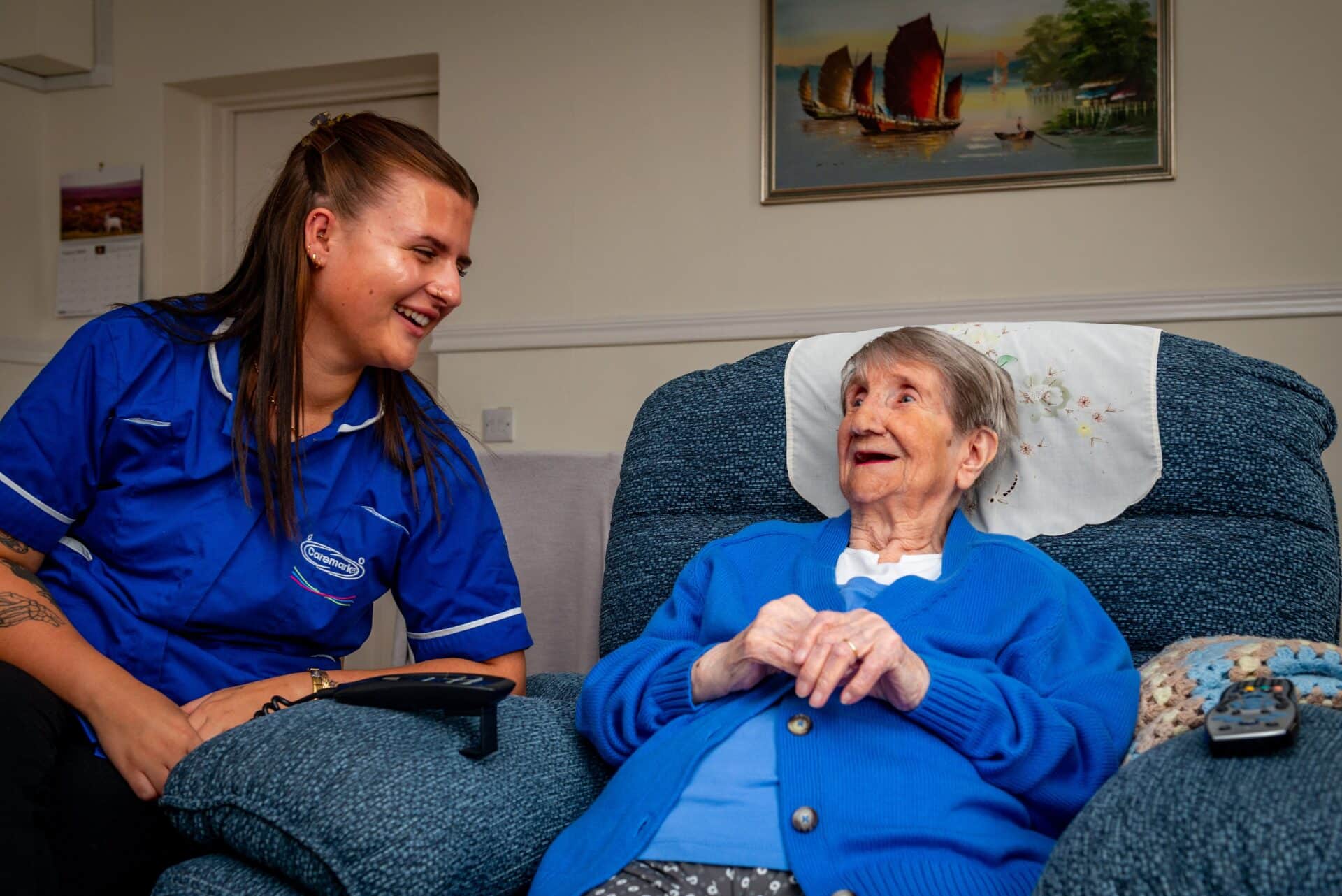
Early signs of dementia can often be subtle and easily missed. There’s no place like home, and there’s no care quite like Caremark. Dementia describes a group of symptoms caused by different brain diseases that affect memory, thinking, language, behaviour and day-to-day abilities. It isn’t one single condition, and it isn’t a normal part of ageing. This guide explains what dementia is, how it’s diagnosed and treated, and how Caremark helps people live well at home with compassionate, reliable support delivered by trained Care Assistants.
What is dementia?
Dementia is an umbrella term for difficulties with memory and thinking that are severe enough to affect daily life. It happens when brain cells are damaged and can no longer communicate well. While memory problems are common, dementia can also affect judgement, orientation, communication, mood and movement. It’s more common in later life, but younger people can be affected too; this is known as young-onset dementia.
In the United Kingdom, many people are living with dementia and the number is rising. Early recognition matters. A timely diagnosis opens the door to treatment, practical support and lifestyle changes that can help someone stay independent for longer. It also gives families time to plan with confidence, including care arrangements and important legal and financial decisions. At Caremark, we walk alongside you through every step, keeping things simple, honest and transparent.
Early signs of dementia: what to look for
Early signs of dementia can be subtle and vary from person to person. Changes often develop gradually and may be more noticeable to close family and friends. Look out for:
- Short-term memory problems, such as repeating questions or misplacing items
- Struggling to find words or follow conversations
- Difficulty planning, organising or solving problems
- Becoming confused in familiar places or with dates and times
- Changes in mood, behaviour or personality, including apathy or irritability
- Reduced interest in hobbies or social activities
Noticing the early signs of dementia and seeking advice can help you get the right support at the right time. Our friendly teams are always happy to chat and point you to local services if you’re unsure where to start.
Types of dementia
There are several types of dementia. Understanding the differences helps families make sense of symptoms and shape care that truly fits. Below is a quick guide to four common types of dementia and how care can be tailored.
| Type | Key features | Care considerations |
|---|---|---|
| Alzheimer’s disease | Memory problems, disorientation, language difficulties, repetition | Calm routines, memory aids and prescribed medicines can help day to day |
| Vascular dementia | Slowed thinking, challenges with planning and attention; may follow a stroke | Managing blood pressure, diabetes and cholesterol is central to care |
| Dementia with Lewy bodies (DLB) | Visual hallucinations, fluctuating alertness, sleep issues, movement changes | Care plans should consider sensitivity to certain medicines and safety at night |
| Frontotemporal dementia (FTD) | Changes in behaviour or language, often earlier than memory problems | Support for communication and consistent routines to reduce anxiety or disinhibition |
Caremark Care Assistants receive specialist training across different types of dementia, including vascular dementia and frontotemporal dementia, so care is always kind, safe and appropriate.
Getting a diagnosis
The process usually starts with a GP appointment. If dementia is suspected, your GP may refer you to a memory clinic or specialist service. Assessment typically includes:
- A detailed history from the person and someone who knows them well
- Cognitive tests to assess memory and thinking
- Physical examination and blood tests to rule out other causes
- Brain imaging (MRI or CT) to identify patterns of change
Sometimes, further tests such as PET scans or analysis of cerebrospinal fluid help clarify the diagnosis and the types of dementia involved. A clear diagnosis guides treatment and support and can bring reassurance by explaining the changes that are happening. We can help you prepare for appointments and make sense of next steps.
Treatment and support
Treatment is individual and focuses on maintaining abilities and wellbeing. For Alzheimer’s disease, medicines such as donepezil, rivastigmine and galantamine can help symptoms for some people. Memantine may be used in moderate to severe stages. In vascular dementia, controlling cardiovascular risks is essential. Non-drug approaches are important across all types of dementia and can include:
- Cognitive stimulation therapy to support thinking and memory
- Occupational therapy to adapt tasks and promote independence
- Physiotherapy to maintain mobility and reduce falls risk
- Speech and language therapy to support communication and swallowing
Caremark provides tailored home care, from hourly visits to live-in care. Our Care Assistants are trained in dementia care and use calm, consistent communication, reassuring routines and meaningful activities to reduce anxiety and build confidence. We work closely with families, GPs, nurses and community teams to design and review a support plan that adapts as needs change.
Living well with dementia at home
Small, practical changes can make a big difference. Consider the following strategies to support someone after the early signs of dementia are recognised:
- Create simple, predictable routines for meals, medicines and daily activities
- Use memory aids such as calendars, reminder clocks, labelled cupboards and medication organisers
- Improve safety with good lighting, clear walkways, grab rails and technology such as falls sensors
- Break tasks into smaller steps and allow extra time
- Keep favourite hobbies and social connections going, adapting as needed
Caremark services include personal care, medication support, meal preparation, housekeeping, companionship, respite for family carers and live-in care for continuous support. We also offer guidance on home adaptations and can signpost to local groups that reduce isolation and keep people active in their community.
For families, looking after your own wellbeing is essential. Learning about the specific types of dementia, using clear and reassuring communication, and focusing on what the person can still do can lower stress for everyone. Planning ahead for a Lasting Power of Attorney and future care needs helps avoid rushed decisions later on. Carer support groups, counselling and planned respite provide valuable breathing space.
Safety, reliability and quality of care
Trust is everything. At Caremark, we match Care Assistants to each customer’s preferences and routines to support continuity. Visit times are agreed in advance, and our local teams use electronic care records so families can stay informed. Training covers dementia best practice, communication techniques, safeguarding and medication management.
We work to national standards and collaborate closely with healthcare professionals to ensure safe, coordinated care. Families often tell us that having a familiar face who understands their loved one’s needs brings peace of mind and helps maintain independence at home. You’ll be in safe hands with Caremark.
Costs and funding: clear, transparent guidance
Understanding the cost of care can feel overwhelming. We keep things clear. Our pricing is transparent, with no hidden charges, and we tailor packages so you only pay for the support you need. Depending on your circumstances, funding may be available through your local authority after a needs assessment and financial assessment. Some people may be eligible for NHS Continuing Healthcare or benefits such as Attendance Allowance.
Your local Caremark team can explain options and work with solicitors, social workers and healthcare professionals to coordinate the right plan. We’ll guide you step by step so you can make confident choices.
Prevention and ongoing research
There is currently no cure for most forms of dementia, but research is moving forward. Scientists are exploring disease-modifying treatments, better tools for earlier diagnosis and new approaches to supporting brain health. Clinical trials are testing medicines and non-drug therapies that may slow progression or improve quality of life across different types of dementia.
Lifestyle matters at every age. Keeping the heart and brain healthy can help lower risk:
- Stay physically active with activities you enjoy
- Eat a balanced, Mediterranean-style diet
- Avoid smoking and keep alcohol intake moderate
- Manage blood pressure, cholesterol, diabetes and weight
- Keep mentally and socially active, and aim for good sleep
Caremark supports awareness in the community and delivers care based on current best practice. Our continuous training and quality improvement help people live well with dementia in the place they know best: home.