

Hot Weather and Older Adults: The Hidden Risk of Dehydration

There’s nothing more important than staying safe and comfortable at home, especially during a heatwave. Hot weather and older adults: the hidden risk of dehydration is a topic we all need to take seriously. Even small drops in fluid levels can lead to dizziness, confusion and falls, and can worsen existing health conditions. This guide explains why the risk rises with age, how to spot early signs, and practical steps to stay cool, calm and hydrated when temperatures climb. We also share how Caremark supports customers and families with kind, professional care at home.
Why the Risk is Higher as We Age
Ageing changes how the body senses thirst and manages fluids. Many older people feel less thirsty even when they need to drink, so dehydration can creep up quickly. Total body water is lower, kidney function may change, and some people sweat less efficiently, which reduces the body’s natural cooling. In hot weather, the heart and circulation work harder, adding extra strain.
Medicines and long-term conditions can further increase the risk. Diuretics, some blood pressure medicines, laxatives and antihistamines may raise fluid loss or cause a dry mouth. Diabetes, Parkinson’s, stroke, dementia, and kidney or heart disease can all affect hydration and temperature control. Alcohol and high caffeine intake may add to fluid loss for some people.
Know the warning signs and act early:
- Dry mouth, thirst, dark yellow urine or passing urine less often
- Headache, dizziness on standing, tiredness, muscle cramps
- Irritability, confusion or changes in usual behaviour
- Nausea, rapid pulse, hot dry skin or heavy sweating
- Mild heat stroke symptoms and mild sunstroke symptoms can overlap with dehydration, so treat them seriously
Seek urgent medical help if confusion, severe weakness, chest pain or a very high temperature develops. Understanding hot weather and older adults: the hidden risk of dehydration helps you spot mild heat stroke symptoms and mild sunstroke symptoms quickly and get the right support.
Simple Hydration and Cooling Strategies
Small, regular actions make a big difference. Aim for steady drinks across the day: water, milk, diluted squash, fruit or herbal teas, and oral rehydration solutions if advised by a clinician. As a general guide, many older adults manage well with 6–8 cups daily unless a healthcare professional sets a different target for heart or kidney conditions. Pair drinks with hydrating foods such as soups, yoghurt, jelly, melon, berries, oranges, cucumber and tomatoes. Offer a drink with every medication round, meal and snack.
Make hydration easy and appealing:
- Keep a jug or bottle visible and within reach; use lightweight cups
- Serve drinks chilled; add slices of fruit; offer ice lollies if appetite for fluids is low
- Limit alcohol and keep caffeine moderate if it increases toilet trips or disturbs sleep
Cool the environment to reduce fluid loss:
- Close curtains or blinds on sunny sides and open windows when cooler outside
- Use fans to promote airflow; avoid strong direct airflow at the face for long periods in very hot conditions
- Sit in shade outdoors, take cool showers, and wear loose, light-coloured cotton or linen clothing with a wide-brimmed hat
- Apply high-SPF sunscreen and avoid the hottest hours (11am–3pm)
If you’re worried about how to cure a heat stroke or how do you treat heat stroke, remember: heat stroke is a medical emergency. Move to a cool place, remove excess clothing, use cool cloths or a shower to lower temperature, offer sips of water if the person is awake, and call 999. The same advice applies if mild sunstroke symptoms or mild heat stroke symptoms worsen. Hydration, shade and cooling are key while you wait for help.
| Sign | What to do |
|---|---|
| Dark urine or fewer trips to the toilet | Increase fluids; offer water or diluted squash; monitor for improvement |
| Dizziness, headache, mild heat stress | Rest in a cool room; sip fluids; use a fan and cool compresses |
| Mild sunstroke symptoms | Cool the body; hydrate; avoid direct sun; seek advice if symptoms persist |
| Signs of heat stroke | Call 999; start cooling immediately; follow guidance on how do you treat heat stroke and how to cure a heat stroke |
How Caremark Helps You Stay Safe and Well
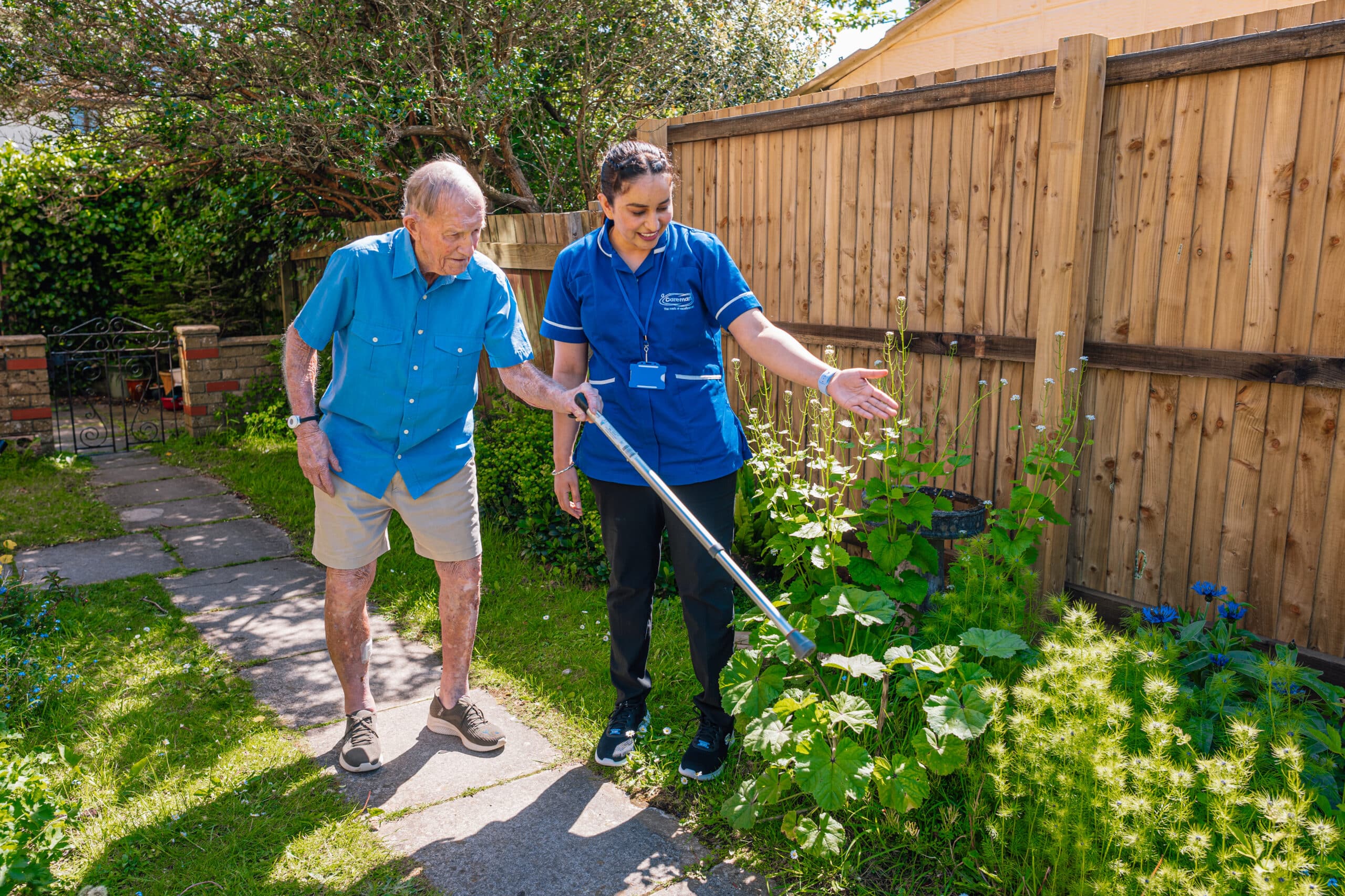
Caremark provides warm, professional home care designed around each person. We build hydration into daily life with timely prompts, preferred drink lists, and meal and snack preparation that prioritises hydrating options. Our Care Assistants encourage little-and-often sipping, set up routines that fit personal habits, and offer gentle reminders without disrupting independence.
During visits we can record fluid intake, note urine colour cues, and watch for early signs of dehydration or heat stress. If we are concerned, we keep families informed and liaise with health professionals, following agreed escalation pathways so support is swift and coordinated. Our trusted approach means customers feel reassured and safe at home when temperatures rise.
Caremark is CQC-regulated and local to you through our Caremark Location Name network across the UK. Our trained Care Assistants receive guidance on heat safety, including safe use of fans, sunscreen reminders and suitable clothing choices. When questions arise about hot weather and older adults: the hidden risk of dehydration, mild heat stroke symptoms, mild sunstroke symptoms, or how do you treat heat stroke, we respond with calm, clear advice and compassionate care.