

Differences Between Home Care and Care Home in Croydon
Choosing care is personal, and deciding between home care and care home in Croydon can feel challenging. That’s why we’ve created this guide to help you understand how each option works and what factors to consider. Whether you’re comparing home care vs care home or simply asking, “care home or home care?”, we’ll explain the key differences and show how Caremark Croydon can support you with honest advice and compassionate care. Ultimately, our aim is to help you make the right choice with confidence.
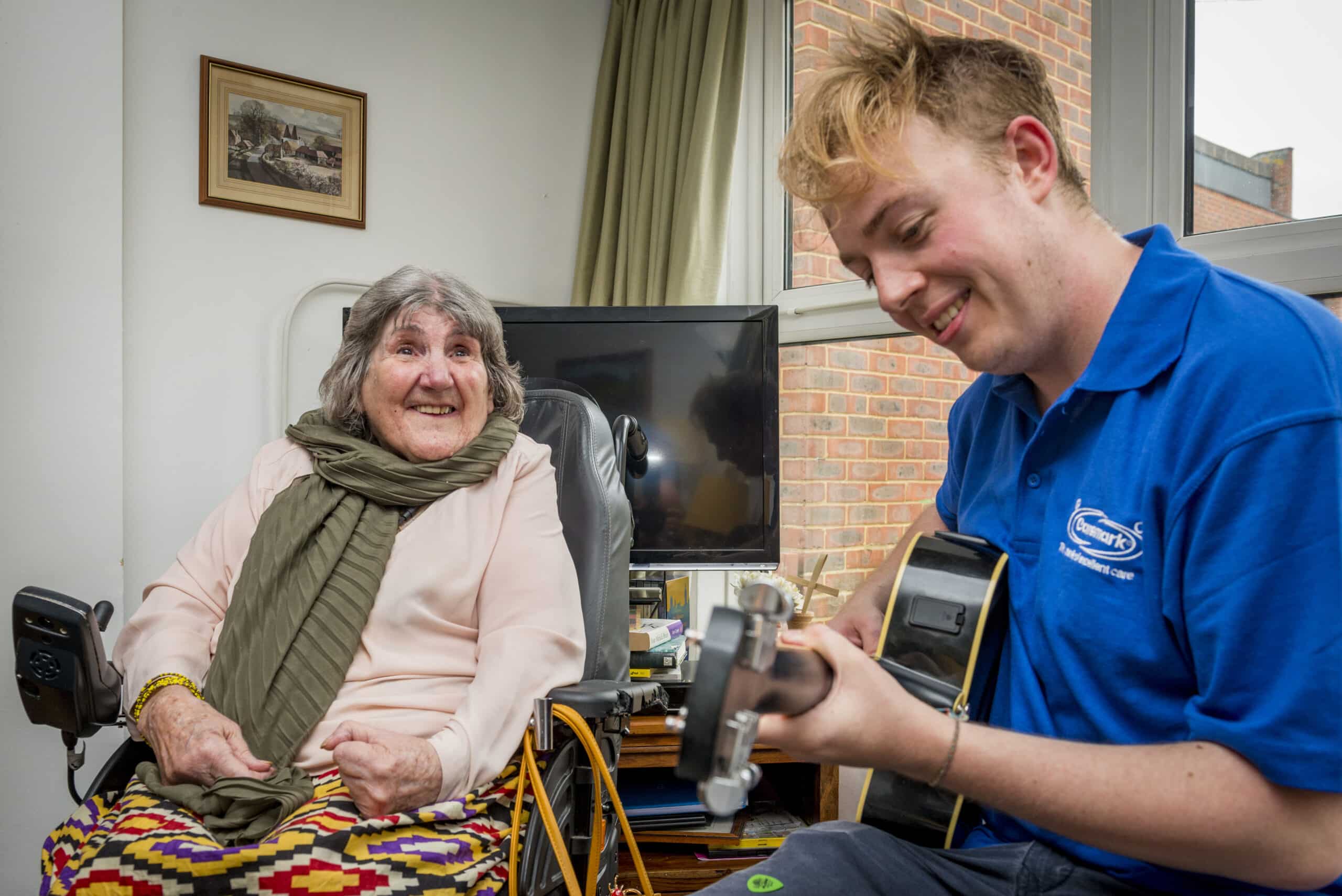
What is a Care Home?
A care home is a full-time residential setting with staff on hand day and night. It includes accommodation, meals, housekeeping, and activities. This can be a good fit for people who prefer a communal environment or need continuous oversight that may be difficult to arrange at home.
In Croydon, there are two main types of care homes:
- Residential care homes that offer personal care, such as help with bathing, dressing, and daily routines, alongside meals and social activities.
- Nursing homes (care homes with nursing) that have qualified nurses on site to support more complex health needs, such as advanced mobility issues, wound care, or certain long-term conditions.
Life in a care home tends to be more structured, with set mealtimes, medication rounds, and a programme of group activities. Bedrooms are private, while lounges, dining rooms, and gardens are shared. Many homes welcome personal touches, such as favourite furniture and photos, but you’ll be adapting to a new environment with house rules and communal spaces.
What is Home Care?
Home care, sometimes called domiciliary care, brings support to you in the place you know best—your own home. Our Care Assistants help with everyday tasks such as washing and dressing, preparing meals, taking medication, staying active, and getting out and about. We also provide companionship, dementia care, overnight and live-in support, and short-term help after a hospital stay. Visits can be as little as 30 minutes, several times a day, or continuous live-in care for round-the-clock reassurance. The aim is simple: keep you safe, comfortable, and independent in familiar surroundings.
At Caremark Croydon, every Care Assistant is carefully recruited, DBS-checked, and fully trained. We support adults across the borough with reliable care tailored to their needs, including people living with long-term conditions, dementia, learning disabilities, and those recovering from illness or surgery. We work closely with GPs, community nurses, therapists, and hospital teams to keep care consistent and well coordinated.
Your care is unique to you. After a free, no-obligation assessment at home, we create a personalised plan that reflects your routines, preferences, cultural or dietary needs, and any clinical or mobility requirements. As things change, we adapt swiftly—adding or reducing visits or moving to live-in care if needed—so you receive the right support without disruption.
Home Care vs Care Home: The Practical Differences
When comparing care home vs home care, it helps to picture day-to-day life. The right choice depends on health, mobility, social preferences, and how much independence is important to you. The table below summarises the difference between home care and care homes in Croydon.
| Aspect | Home Care | Care Home |
| Where care happens | In your own home, keeping your familiar space, routines, and comforts. | In a residential setting with your own room and shared lounges, dining areas, and gardens. |
| Independence and routine | You set your own schedule—mealtimes, hobbies, visitors, and bedtime. | Structured routines for meals, medication, and activities managed by staff. |
| Level of support | From short visits to live-in care, adjusted as needs change. | 24-hour staff presence; nursing homes include on-site clinical support. |
| Social life | Family and friends visit as usual; activities can be arranged locally. | Built-in social activities and opportunities to meet other residents. |
| Safety and oversight | Home risk assessments, adaptations, and scheduled visits; live-in care offers continuous support. | Staff on site at all times with immediate responses in a communal environment. |
| Flexibility | Support can be increased or reduced without moving home. | Rising needs may mean moving from residential to nursing care. |
| Environment | Stay at home with your belongings, pets, and neighbourhood connections. | Move to a new setting with shared spaces and house policies. |
If you’re still asking “care home or home care?” Caremark Croydon can help you explore both. Our local team will listen, explain options in plain English, and guide you through home care vs care home choices in a way that feels manageable.
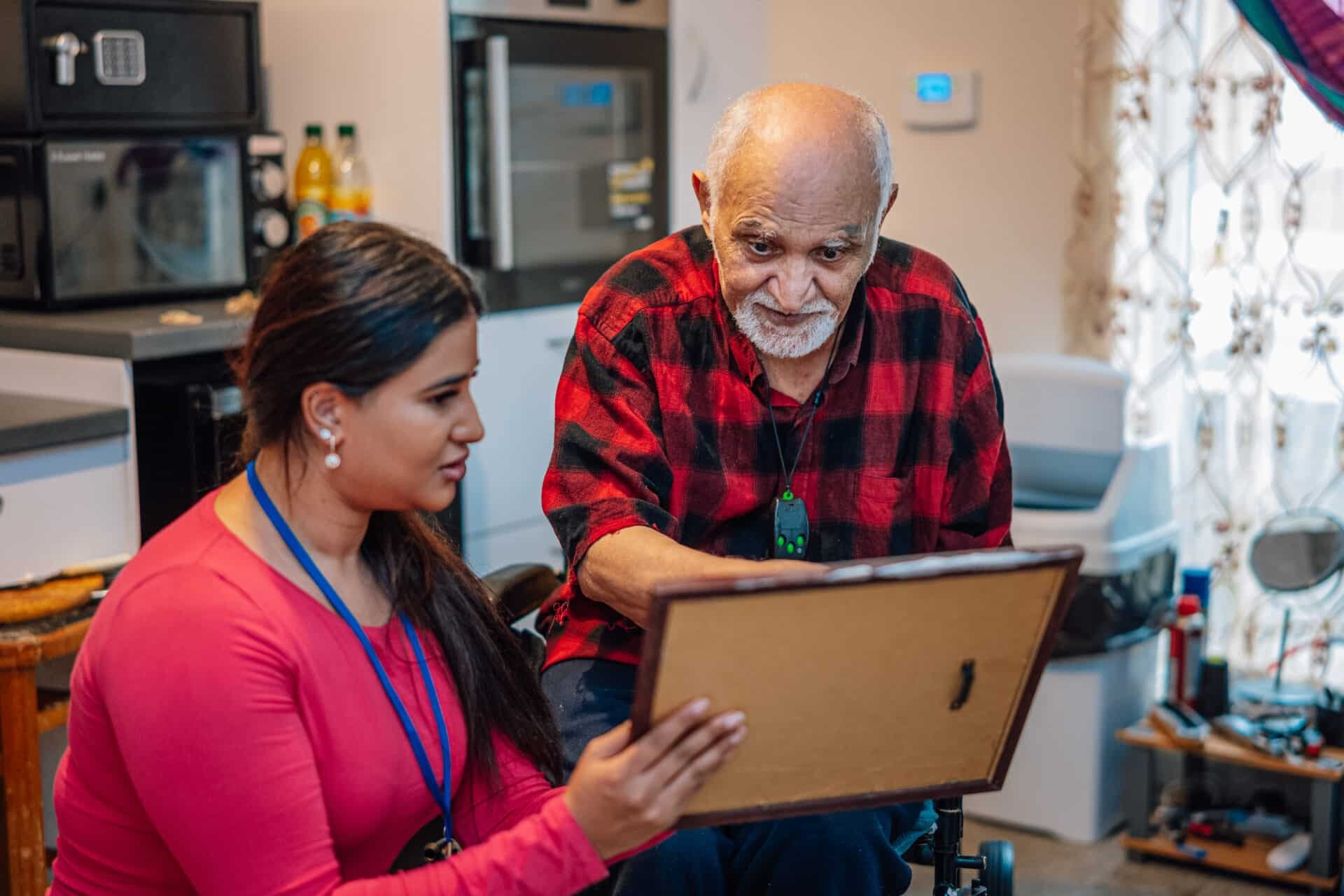
Cost Comparison: Home Care vs Care Home
Understanding costs is an important part of deciding between care home vs home care. It’s wise to consider both present needs and how things may change over time.
- Home care costs: Fees depend on visit length, frequency, time of day, and complexity of support. Many customers find short, regular visits are cost-effective for daily tasks. More intensive arrangements—such as multiple visits per day or live-in care—will cost more. Some people benefit from small home adaptations or simple equipment, which can be a one-off investment.
- Care home fees: Usually include accommodation, meals, utilities, personal care, and activities. Nursing homes typically cost more because of on-site clinical support. Optional extras—such as hairdressing or outings—may be charged separately.
Funding may be available depending on your situation. You can request a needs assessment and a financial assessment from the local authority. Possible routes include:
- Local authority contributions following assessment.
- NHS Continuing Healthcare for those with eligible, complex needs.
- NHS-funded Nursing Care for people in nursing homes who require nursing input.
- Personal budgets and direct payments, offering choice and control over how care is arranged.
We know costs can feel overwhelming. Caremark Croydon can explain typical home care costs locally, outline funding options, and signpost you to impartial advice. We’ll help you compare the difference between home care and care homes in Croydon with clear figures and friendly guidance.
How to Decide: Care Home or Home Care?
A calm, step-by-step approach can make the decision feel easier. Here’s a simple way to start:
- Assess needs and safety: Consider mobility, medication, continence, memory and cognition, nutrition, and any risks at home. Note what’s working well and where a little help would make a big difference.
- Picture everyday life: Think about the value of your home routine, pets, garden, neighbours, and spontaneous family visits. Some people thrive with the structure and company of a care home, while others prefer the freedom, privacy, and familiarity of home.
- Plan for the future: Needs change over time. Home care can increase gradually and progress to live-in care if required. A blended approach works for many—starting with home care now, with the option to consider a care home later if needs become more complex.
- Seek expert guidance: Talk to our local team. We offer free assessments, liaise with health professionals, advise on equipment and adaptations, and can arrange trial support or short-term reablement after a hospital stay.
- Involve family: With consent, we include relatives in assessments and reviews. Home care keeps family close to day-to-day life; in care homes, visiting is usually at set times and daily tasks are managed by the team.
Above all, your decision should balance wellbeing, safety, social connection, and personal preference. Our promise is to offer honest, straightforward advice about what is safe, sustainable, and kind.
Next Steps
If you’re still deciding between care home or home care, we’d love to listen and help. Speak to Caremark Croydon for friendly, professional guidance. We offer a free, no-obligation assessment, clear advice on costs and funding, and a personalised plan that fits your routines and preferences. Whether you need a few hours a week, round-the-clock live-in support, or short-term help after a hospital stay, our local team is here to provide safe, reliable care with compassion and a cheery smile.
There’s no place like home. When you choose Caremark Croydon, you choose a trusted leader that puts people first—always. Let’s explore the difference between home care and care homes in Croydon together and find the support that feels right for you.