

How to keep a loved one Safe during a heatwave in Northern Ireland
When temperatures soar, everyday tasks can feel harder and health risks rise, especially for those who are older or living with long-term conditions. With a little preparation, you can stay comfortable and reduce the risk of heat-related illness. In this article we share simple, trusted advice on how to keep a loved one safe during a heatwave in Northern Ireland when at home, out and about, what symptoms to look for, and how Caremark keeps our customers safe and well.
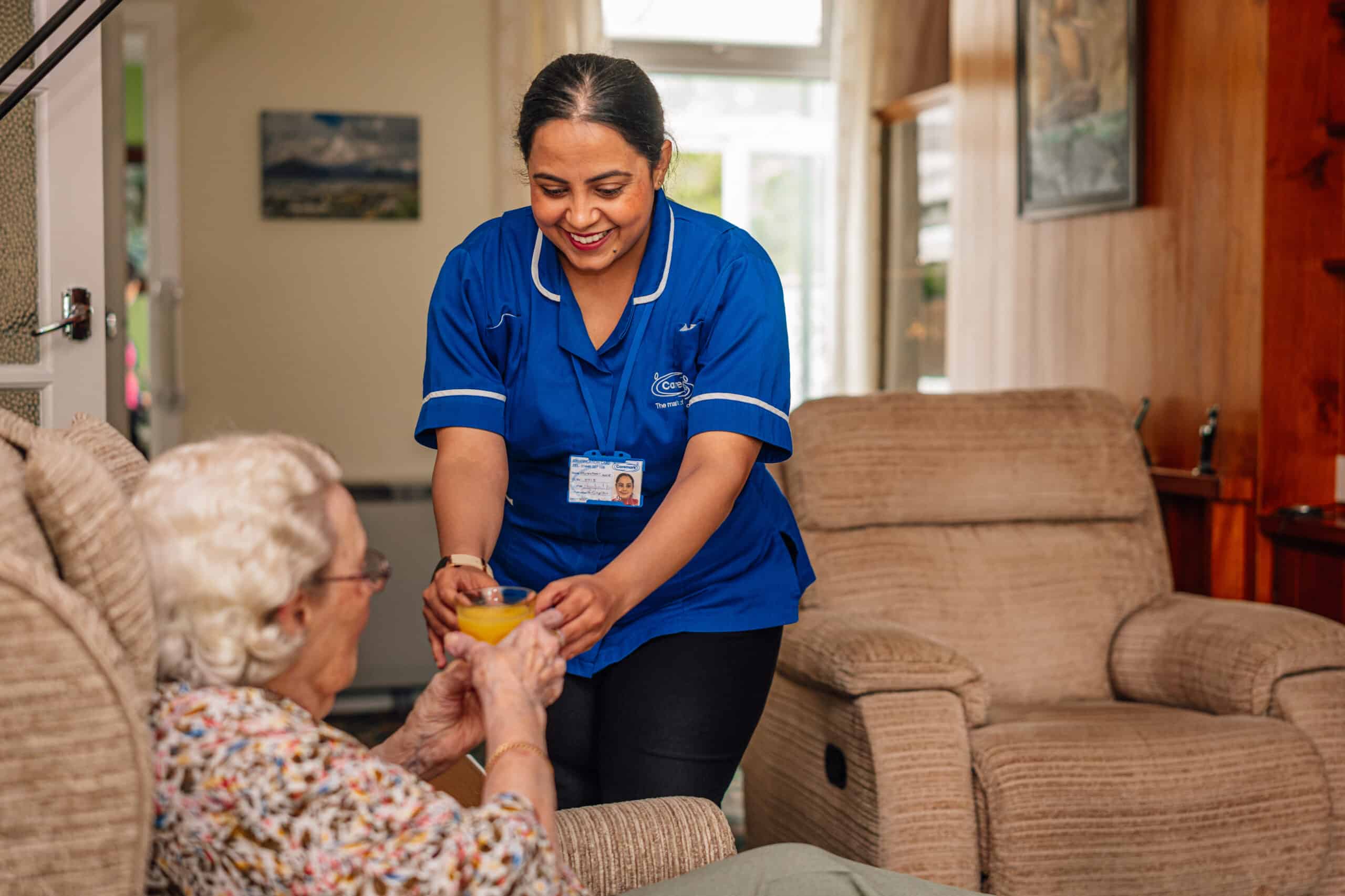
Why a heatwave poses a health risk
Your body cools itself by sweating. In hot weather, you lose more fluids and essential salts, which can lead to dehydration and heat exhaustion if they aren’t replaced. Without prompt cooling and rehydration, heat exhaustion can develop into heatstroke – a life-threatening emergency where your body temperature rises to dangerous levels. Knowing the signs can help you act early and stay safe.
Early symptoms of heat-related illness include thirst, a dry mouth, dark or less frequent urine, headache, dizziness, tiredness, muscle cramps, and feeling faint. Heat exhaustion may also cause heavy sweating, cool clammy skin, nausea, a fast pulse, and a temperature between 37°C and 40°C. Heatstroke is more serious and can cause a temperature above 40°C, confusion, hot dry skin or reduced sweating, rapid breathing, seizures, or loss of consciousness. If you suspect heatstroke, seek emergency medical help immediately.
Some people are more vulnerable to hot weather, including older adults, babies and young children, pregnant people, and those living with heart or lung disease, diabetes, kidney problems, mental health conditions, or disabilities. People taking medicines that affect sweating or hydration, such as diuretics, some antidepressants, antihistamines, or antipsychotics, are also at increased risk.
Your environment and daily habits can make heat-related illness more likely. Poorly ventilated homes, sun-facing windows without shading, and heat-generating appliances can trap heat indoors. Spending time in direct sun, exercising during the hottest part of the day, and drinking alcohol can also increase your risk. Understanding these factors can help you plan ahead and stay well during periods of hot weather.
Practical steps to keep cool at home
Small changes can make your home more comfortable and help you and your loved one safe during a heatwave in Northern Ireland. Try these simple tips.
- Create a cool space. Keep curtains or blinds closed on sun-facing windows and use external shading if possible. Open windows early in the morning or later in the evening, then close them once it gets hotter outside.
- Use fans safely. Fans improve airflow and help sweat evaporate. Keep cables out of the way of children, pets, and trip hazards, and avoid blowing cold air directly onto someone who is dehydrated or unable to move easily.
- Stay hydrated. Drink little and often throughout the day. Water is best, but milk or diluted fruit juice are also good options. Most adults should aim for 6–8 glasses a day, increasing this during hot weather or physical activity.
- Eat light and dress for the weather. Choose foods with a high water content, such as salads, fruit, yoghurt, and chilled soups. Limit alcohol, wear loose, light-coloured clothing made from breathable fabrics, and plan exercise or chores for the cooler parts of the day.
- Sleep and keep your home cool. Use lightweight bedding, keep bedrooms shaded during the day, and ventilate them when it’s cooler outside. Switch off unnecessary lights and appliances, avoid using the oven during peak heat, and choose cold meals where possible.
Staying safe outdoors and when travelling
If you need to go out during hot weather, plan ahead to avoid the hottest part of the day and take regular breaks in the shade. These simple steps can help you stay safe.
- Check the forecast. Look for local weather and heat-health alerts before you leave. Travel early in the morning or later in the evening where possible, and keep journeys short.
- Stay in the shade. The sun is strongest between 11am and 3pm. Choose shaded routes, take breaks under trees or canopies, and avoid rushing, especially on public transport.
- Protect yourself from the sun. Apply broad-spectrum SPF 30 or higher sunscreen with 4- or 5-star UVA protection, and reapply every two hours or after sweating. Wear a wide-brimmed hat, UV-protective sunglasses, and lightweight, loose-fitting clothing.
- Stay hydrated and take it easy. Carry a refillable water bottle, drink regularly, and avoid strenuous activity during the hottest part of the day.
- Store medicines safely. Keep medicines out of direct sunlight and within their recommended temperature range. If needed, use an insulated pouch and check the patient information leaflet for storage advice.
- Know when to get help. If you feel unwell, move to a cool or shaded place, loosen clothing, sip water, and cool your skin with a damp cloth. If symptoms don’t improve within 30 minutes or get worse, seek medical advice.
Looking out for people who may need extra support
Regular check-ins can help prevent heat-related illness, especially for people who live alone or have limited mobility. A quick phone call or visit during the cooler part of the day can make a real difference.
- Check in regularly. Ask how they are feeling, whether they are drinking enough, and if curtains or blinds are closed on sun-facing windows. Encourage them to keep cool drinks nearby and rest during the hottest part of the day.
- Help them stay comfortable. Make sure they have light bedding, easy-to-prepare food and drinks, and, if available, a fan that is being used safely. Agree a plan for staying cool and when to seek help.
- Watch for warning signs. Confusion, unusual drowsiness, agitation, or a reduced appetite can be early signs of dehydration or heat stress, particularly in older adults and people with dementia or other long-term health conditions.
- Act if you’re worried. If you can’t reach someone you’re concerned about, ask a neighbour to check on them or contact non-emergency services for a welfare check if you believe they may be at immediate risk.
How Caremark NI supports you during hot weather
There’s no place like home. There’s no care quite like Caremark NI.
Our approach to stay safe during a heatwave is practical, personal, and built on trust. Our Care Assistants are trained to recognise the early signs of heat-related illness, follow clear escalation procedures, and help keep your home comfortable during hot weather.
We can support with:
- Hydration and nutrition: Encouraging regular drinks, preparing light meals and snacks, and keeping drinks within easy reach.
- Keeping your home cool: Managing curtains and blinds, using fans safely, and monitoring indoor temperatures where appropriate.
- Planning daily routines: Scheduling activities for cooler times of the day, pacing tasks, and building in rest breaks.
- Medication support: Storing medicines safely, following storage guidance, and providing reminders where needed.
- Regular welfare checks: Visiting or calling people who live alone and acting quickly if there are signs of heat-related illness.
We support hundreds of customers across Belfast, Ards and North down with high-quality, compassionate care. Our local teams are friendly, well trained, and ready to help you and your family stay safe, comfortable, and confident throughout the summer.
Quick answers to common questions on how to keep a loved one safe during a heatwave in Northern Ireland
How can I keep them cool?
Keep blinds or curtains closed during the day, open windows when it’s cooler outside (usually at night), use a fan if available, and encourage lightweight, loose-fitting clothing.
How much should they drink?
Encourage regular fluids throughout the day, even if they don’t feel thirsty. Water is best, but milk, diluted squash, or other non-alcoholic drinks can also help.
Should they avoid going outside?
Yes, during the hottest part of the day (typically 11am–3pm). If they must go out, seek shade, wear a hat, and use sunscreen.
What foods are best?
Light meals and foods with high water content, such as fruit, salads, and yoghurt.
About Caremark NI
Caremark NI provides high-quality home care services, supporting people to live safely and independently at home. Our dedicated team offers compassionate and professional care tailored to each individual’s needs.
Learn more about our Caremark NI office and explore our home care in Belfast, North Down & Ards, and Lisburn & Down. Get in touch today to find out how we can support you or your loved one.