

10 Signs an Older Relative May Be Struggling at Home
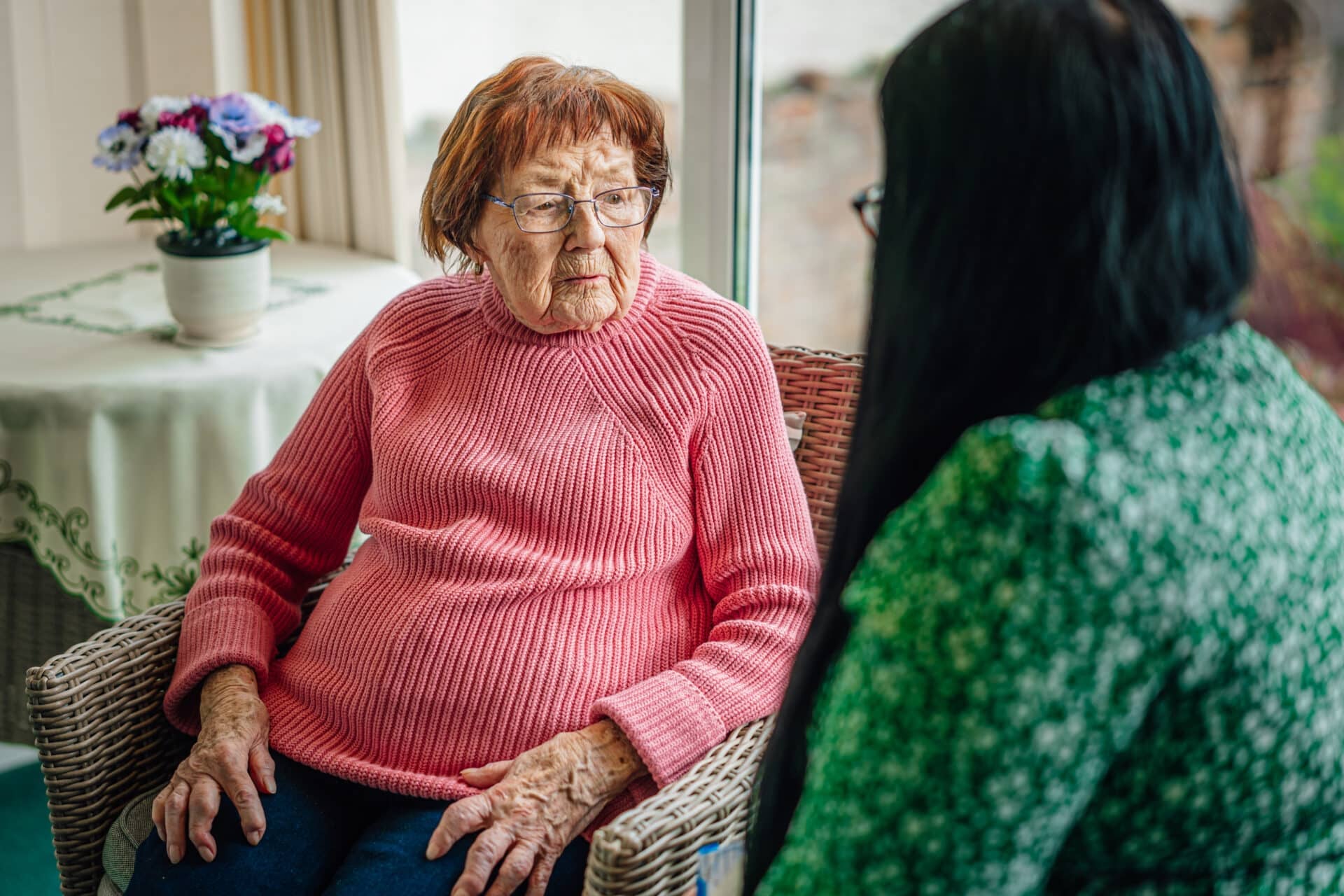
Noticing changes in an ageing parent or older relative can be worrying. While some changes are a natural part of ageing, others may indicate that additional support is needed to help them remain safe, healthy, and independent. Recognising the signs an elderly parent needs help at home early allows families to put support in place before a crisis occurs. This guide highlights ten common warning signs and explains how the right care can help older adults continue living comfortably in their own homes.
Signs an Elderly Parent Needs Help at Home
Many families don’t realise their loved one is struggling until something significant happens, such as a fall or hospital admission. However, there are often subtle warning signs that appear long before then.
Looking out for these changes can help families make informed decisions about when additional support may be beneficial.
1. Medication Is Being Forgotten
Missed medication, incorrect dosages, or confusion about prescriptions can affect an individual’s health and increase the risk of complications. Regular medication support can help ensure medicines are taken safely and at the correct times.
2. Frequent Falls or Reduced Mobility
If an older relative is becoming unsteady, experiencing falls, or avoiding certain areas of the home because they are difficult to access, it may be time to consider additional support. Reduced mobility can also make everyday tasks increasingly challenging.
3. Personal Hygiene Has Declined
Changes in appearance, repeatedly wearing the same clothes, or neglecting personal hygiene may suggest that everyday routines are becoming difficult to manage independently.
4. Poor Nutrition or Weight Loss
An empty fridge, expired food, missed meals, or noticeable weight loss can all indicate that preparing meals has become more difficult. Good nutrition plays an important role in maintaining health and independence.
5. The Home Is Becoming Untidy
A once well-maintained home becoming cluttered or unclean may suggest that household tasks are becoming overwhelming.
6. Loneliness and Social Withdrawal
Older adults who stop seeing friends, attending activities, or leaving the house may be experiencing loneliness or reduced confidence. Social isolation can have a significant impact on emotional and physical well-being.
7. Forgetting Appointments or Important Dates
Missing medical appointments, forgetting bills, or becoming increasingly forgetful may indicate the need for additional support to manage daily routines.
8. Increased Confusion
Difficulty following conversations, becoming disoriented, or appearing confused in familiar situations should not be ignored and may warrant further assessment.
9. Family Members Are Becoming Increasingly Concerned
Often, family members notice subtle changes before the individual does. If several relatives have expressed similar concerns, it may be time to have an open conversation about additional support.
10. Recovering More Slowly After Illness or Hospital Stays
Some older adults find it harder to regain confidence and independence following illness or a stay in hospital. Temporary or ongoing home care can provide valuable support during recovery.
How Home Care Can Help Older Adults Remain Independent
Recognising these signs does not necessarily mean someone needs to move into residential care. In many cases, professional home care enables people to continue living safely and independently in the comfort of their own home.
Support can be tailored to individual needs and may include:
- Personal care
- Medication support
- Meal preparation
- Welfare checks
- Companionship
- Community access support
- Assistance with shopping and household tasks
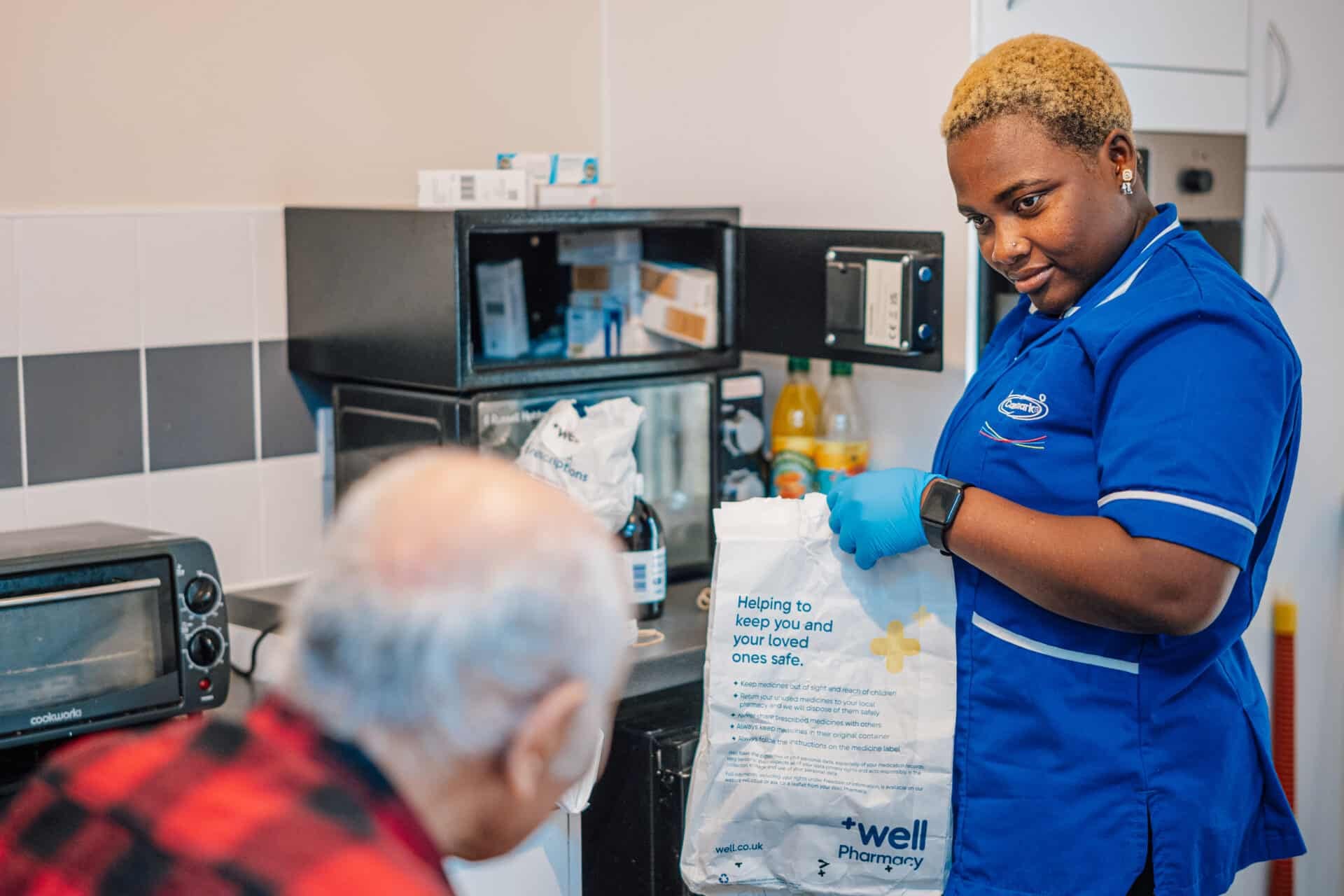
For individuals with more complex needs or those requiring continuous support, live-in care may provide an alternative to moving into a care home while allowing them to remain in familiar surroundings.
The Benefits of Early Support
Seeking support early often helps prevent avoidable hospital admissions, reduces the risk of falls, and enables individuals to maintain their independence for longer. Introducing care gradually can also make the transition easier and allow older adults to remain involved in decisions about their care.
How Caremark Barking & Dagenham Can Help
At Caremark Barking and Dagenham, we understand that every individual has different needs. Whether someone requires occasional welfare checks, companionship visits, assistance with daily routines, or more comprehensive live-in care, our experienced carers provide personalised support that promotes dignity, independence, and wellbeing.
Our team works closely with families to create flexible care plans that adapt as needs change, providing reassurance that loved ones are receiving compassionate, high-quality care within the comfort of their own home.

Conclusion: Recognising the Signs Early Can Make a Difference
Understanding the signs an elderly parent needs help at home allows families to take proactive steps before difficulties become overwhelming. Changes such as missed medication, falls, poor nutrition, loneliness, declining mobility, and increasing confusion should not be ignored.
Early intervention can improve safety, maintain independence, and enhance quality of life. With the right support, many older adults can continue living happily and confidently in their own homes while receiving the assistance they need.
For practical advice about recognising care needs and understanding the support available, families may find the NHS guide to care and support a useful resource.
About Caremark Barking & Dagenham
At Caremark Barking and Dagenham, we provide personalised home care services designed to help individuals live safely, independently, and comfortably in their own homes. From companionship and welfare checks to personal care and live-in care, our compassionate team is committed to delivering high-quality, person-centred support tailored to each individual’s needs.
If you’re concerned that a loved one may be struggling at home, our friendly team is here to discuss the options available and help you find the right level of support.