

7 Ways Care at Home Supports Dementia Patients in Worthing
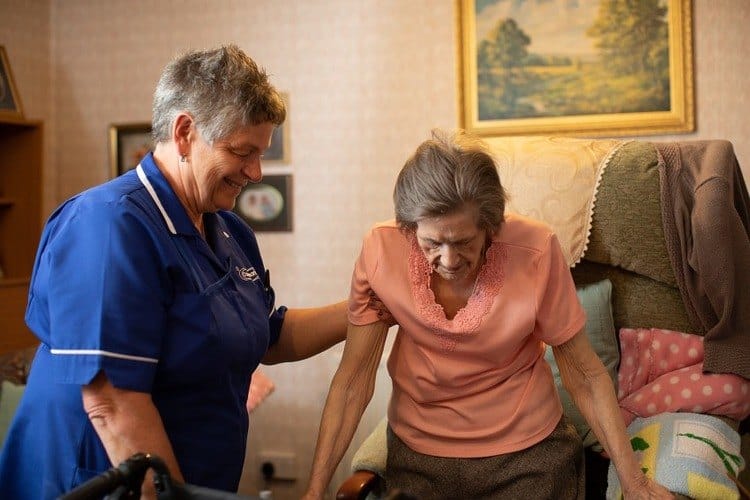
Feeding the birds after breakfast might be something your dad looks forward to. If he’s living with dementia, he may sometimes need a hand finding the birdseed or getting out to the garden. A little help at those moments can make it easier for him to keep doing something he enjoys.
Here are seven ways in-home care can support dementia patients in Worthing. From help getting dressed to company over lunch, visits can fit around familiar routines and give you time to take a break.

How Does Care at Home Support Dementia Patients in Worthing?
Care at home delivers 7 distinct forms of dementia support: maintaining familiarity, preserving routine, assisting with personal care, managing daily health tasks, providing companionship, supporting safety, and supporting family carers.
1. Care at Home Maintains Familiar Surroundings
A familiar home helps a person with dementia remain connected to recognised rooms, possessions, people and daily patterns.
Dementia affects memory and orientation. Unfamiliar environments introduce new layouts, objects, sounds, and routines that a person must interpret.
Remaining at home preserves established environmental cues. A person continues to use the same bedroom, bathroom, kitchen, and living space.
The NHS states that familiar surroundings help people with mild-to-moderate dementia cope with their condition. It also identifies home design and layout as important factors in independent living.
Professional carers work within this existing environment instead of replacing it.
Caremark Worthing & Adur trains carers to work with the person’s routine rather than against it. Its dementia support specifically addresses confusion, agitation and sundowning while supporting the wider family.
2. Care at Home Preserves Consistent Daily Routines
A structured routine creates predictable points throughout the day.
Regular wake-up times, meals, medication, personal care, activities and bedtime create a recognisable sequence. NHS dementia guidance identifies regular routines as a practical way to support daily living.
A home carer follows the person’s established schedule rather than imposing a completely new timetable.
For example, morning care can follow the person’s normal order:
- Support getting out of bed safely.
- Assist with washing and dressing.
- Prepare the person’s usual breakfast.
- Prompt prescribed medication as agreed in the care plan.
- Continue with familiar morning activities.
Consistency becomes especially relevant when memory problems make sequencing daily tasks difficult.
Caremark Worthing & Adur builds each care plan around what the person still does independently, where support is required and which routines help them feel like themselves.
3. Care at Home Supports Personal Care With Dignity
Dementia can affect a person’s ability to remember, organise or complete personal care activities.
Home carers provide direct assistance with washing, dressing, continence care, toileting, grooming and safe movement.
Personal care remains individual. One person requires verbal prompts. Another requires physical assistance. Another requires complete support with a specific task.
Home care allows these activities to take place privately in the person’s normal environment.
Caremark Worthing & Adur provides personal care from visits starting at 30 minutes. Its care assistants support washing, dressing, continence, medication and safe movement in and out of bed.
A personalised care plan defines exactly what support the person receives.
4. Care at Home Provides Medication and Meal Support
Memory impairment can disrupt regular medication and eating routines.
A home carer follows the agreed care plan and provides the authorised level of medication assistance. This support can include reminders, prompts or other permitted medication tasks according to the person’s assessed requirements.
Meal support addresses another important daily function.
A carer can prepare food, encourage regular meals and monitor whether the person is maintaining their established eating routine.
Home care also keeps familiar foods and meal patterns available. Familiarity reduces the number of new decisions a person has to process during an everyday activity.
NHS dementia guidance identifies pill organisers, reminders and established schedules as practical tools for supporting medication routines. It also recommends a regular daily structure for people living with dementia.
Caremark’s home visits cover meals, medication support and everyday prompts alongside mobility and personal care.
5. Care at Home Maintains Companionship and Meaningful Activity
Dementia care involves more than completing physical tasks.
Conversation, familiar activities and social contact remain important parts of everyday life.
A care assistant can support activities that match the person’s interests and abilities. These include gardening, listening to music, looking through photographs, preparing simple food, walking or completing familiar household tasks.
The NHS recommends maintaining skills, abilities and an active social life for people living with dementia. Alzheimer’s Society also identifies familiar household and leisure activities as practical ways to remain active and involved.
Companionship also provides regular human contact for someone who lives alone.
Caremark Worthing & Adur offers home visits for practical assistance and companionship. A wellbeing check can provide a familiar visitor who checks daily health, food intake, medication routines and general wellbeing.
6. Care at Home Improves Day-to-Day Safety and Supervision
Dementia can affect spatial awareness, memory, judgement and orientation.
Home care adds structured observation to everyday life.
A carer can support safe mobility, monitor changes in routine, and identify practical concerns in the home. This becomes important where a person struggles with stairs, bathroom access, medication routines or meal preparation.
Environmental adaptations also strengthen home safety.
The NHS recommends practical dementia-friendly measures including better lighting, reduced trip hazards, clear signs, contrasting colours and accessible memory aids.
Care requirements differ by stage and individual circumstances. Caremark Worthing & Adur therefore provides support ranging from short visits to overnight care and 24-hour live-in care.
Sleeping-night care provides overnight reassurance. Waking-night care supports people who require active assistance with activities such as toileting, medication or repositioning.
7. Care at Home Gives Family Carers Structured Respite
Family carers often provide extensive daily support with personal care, appointments, meals, supervision and communication.
Respite care transfers defined care responsibilities to a professional carer for an agreed period.
This arrangement gives a family carer time for work, appointments, rest, holidays or other responsibilities while the person with dementia continues receiving support.
NHS guidance identifies respite care as one option for providing carers with planned breaks from caring responsibilities.
Caremark Worthing & Adur provides short-term and respite care from a few days to multiple weeks. The service can cover periods such as a family holiday, medical treatment or a temporary break from regular caring duties.
What Dementia Care Do Caremark Worthing & Adur Provide?
Caremark Worthing & Adur provides dementia support across different levels of care.
Its local service covers:
- Arrange personal care for washing, dressing, continence and mobility.
- Schedule home visits for meals, medication, shopping and companionship.
- Access dementia and Alzheimer’s care from trained carers.
- Choose overnight care for sleeping-night or waking-night support.
- Use respite care for temporary family-carer cover.
- Arrange live-in care for continuous support within the home.
- Start with wellbeing checks when limited daily assistance is sufficient.
Care packages range from 30-minute home visits to 24-hour live-in care. The level of support changes according to the person’s assessed requirements.
Why Does Continuity of Care Matter for Dementia?
Continuity gives the person repeated contact with carers who already understand their routine, communication style and care plan.
Frequent carer changes introduce new faces and require repeated explanations of established preferences.
A familiar care assistant already knows practical details such as preferred meal times, mobility routines, communication methods and personal-care preferences.
Caremark Worthing & Adur permanently allocates care assistants to customers wherever possible and provides a named backup for holidays and sickness.
Its local team includes 70 employed carers living in and around Worthing and Adur, rather than relying on agency staff.
This model supports consistent care delivery across regular visits.
What Do Families Say About Caremark Worthing & Adur?
Independent feedback gives families another source of information when comparing dementia care providers.
Caremark Worthing & Adur currently displays a 9.8/10 homecare.co.uk review score from customers and families. Its service is also CQC registered and rated Good.
Families can assess this feedback alongside carer training, DBS checks, continuity arrangements, local availability and the proposed care plan before arranging support.
How Do Families Arrange Dementia Care at Home?
Caremark Worthing & Adur uses a 4-stage care process: initial contact, home assessment, personalised care planning and care delivery.
Step 1: Contact the Local Care Team
The first conversation identifies the person’s diagnosis, current routine, immediate difficulties and required level of support.
Step 2: Complete a Free Home Assessment
A care assessor visits the person’s home and reviews the real care environment.
The assessment covers daily activities, mobility, medication, personal care and existing support.
Step 3: Create a Personalised Care Plan
The care plan records what the person continues doing independently and which activities require assistance.
It also defines the frequency and type of care.
Step 4: Start Care With a Matched Carer
The matched care assistant begins providing the agreed support.
The local team reviews the arrangement and adjusts the care plan as the person’s requirements change.

How Caremark Can Help Your Family
If your loved one likes to have breakfast before getting dressed, we can build that into their visits. We’ll listen to them and to the people who know them well so we can get the small details right. Our dementia care at home in Worthing and Adur can include help with washing, dressing, and meals, as well as company while your loved one enjoys a favourite activity. We also offer respite care so you can make plans of your own while they have support at home.
We support families across Worthing and Adur, including Goring-by-Sea, Lancing, Sompting, Shoreham-by-Sea and Southwick. Get in touch with our local team to talk about what would help your family.