

7 Ways to Prepare for a Live-in Carer in Worthing and Adur
Having someone move in can feel like a big change. If you’re helping a loved one prepare for a live-in carer in Worthing, ask how they’d like to spend that first day. They might want to show the carer around themselves or have you there while they get to know each other.
Here are seven things to sort out before the carer arrives. They include getting a room ready, talking through daily routines and writing down who to call if they need help. Discover everything you need to know before arranging live-in care in Worthing.
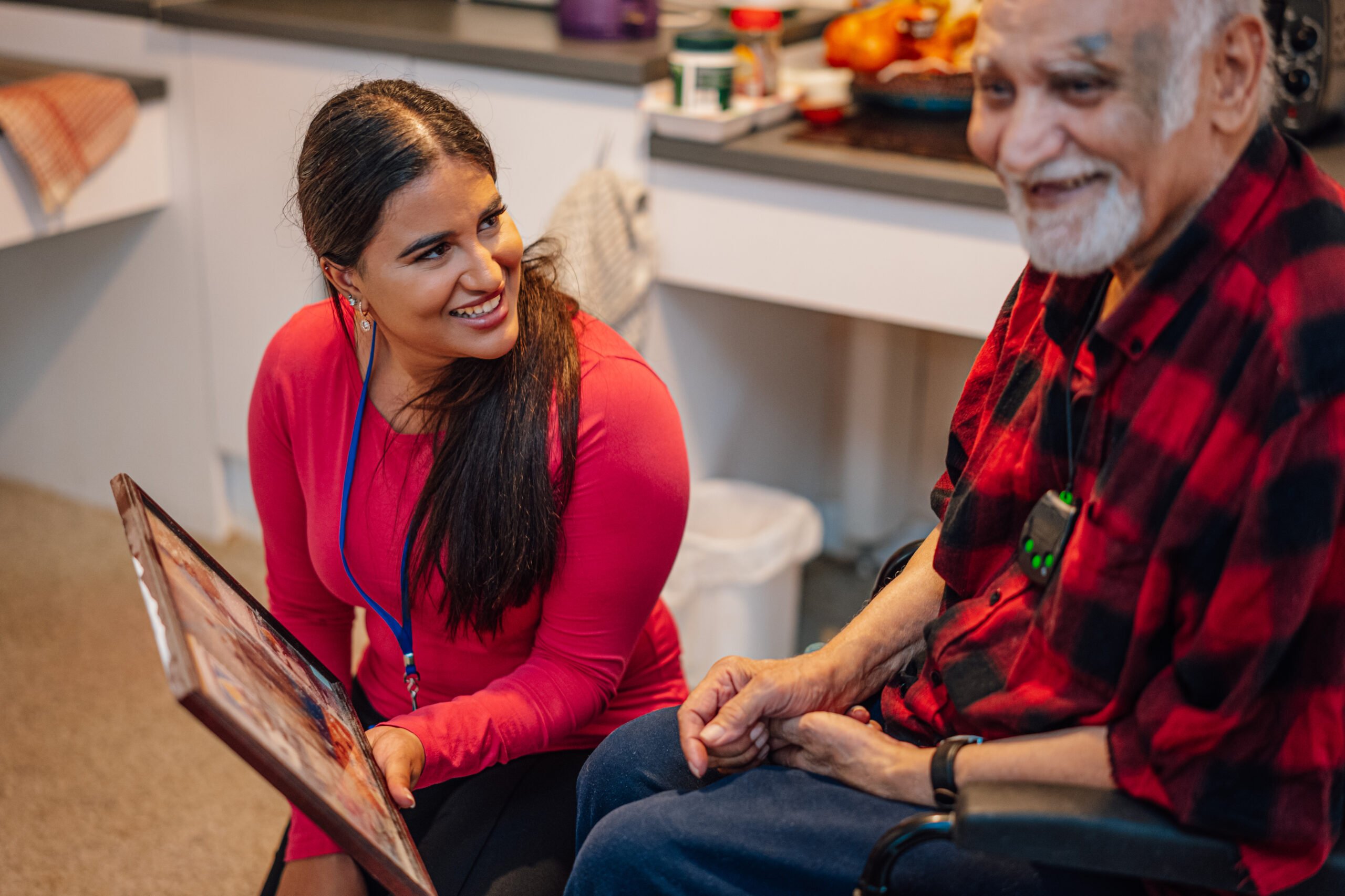
What Should You Prepare Before a Live-in Carer Starts?
The 7 essential preparations cover the carer’s accommodation, care documentation, medication, physical environment, routines, household arrangements and emergency information.
1. Prepare a Private Bedroom and Living Essentials
A live-in carer requires a private place to sleep, rest and store personal belongings.
Prepare a dedicated bedroom before the placement begins. The room requires a comfortable bed, suitable storage, heating, lighting and privacy.
A live-in care arrangement places the care assistant inside the home for an extended period. Their bedroom therefore functions as their personal space outside active care duties.
UK live-in care providers consistently specify a private bedroom as a core accommodation requirement. The carer also requires access to a functional bathroom and normal household facilities.
Prepare the room before arrival rather than using it as shared storage.
Include practical essentials such as clean bedding, wardrobe or drawer space and accessible electrical sockets.
A separate en-suite bathroom is not essential. Access to a clean shared bathroom supports the arrangement.
Creating defined private space establishes clear boundaries between care duties and rest time.
2. Organise the Care Plan and Health Information
Accurate care information gives the live-in carer a clear picture of the person’s daily support requirements.
Collect relevant information before the placement begins.
Include diagnoses, mobility requirements, communication requirements, dietary information, allergies, ongoing treatment and current professional involvement.
The care plan then defines what the person manages independently and where the care assistant provides support.
Caremark Worthing & Adur creates an individual care plan after a home assessment. The assessor reviews the real living situation, including the home layout, bathroom, medication and daily circumstances. The plan reflects abilities, difficulties and personal routines.
Keep relevant care information together in one accessible place.
Avoid relying on verbal instructions from different family members. Written and professionally assessed information creates a consistent reference point.
Tell the provider about diagnosed conditions before the placement starts. Caremark Worthing & Adur provides condition-specific support for dementia, Alzheimer’s disease, Parkinson’s disease, multiple sclerosis, stroke recovery, physical disabilities, sensory impairment, learning disabilities and palliative care.
Accurate information also supports appropriate carer matching.
3. Prepare Medicines and Medication Information
Medication requires a clear and consistent system.
Organise current medicines before the care assistant arrives. Keep medicines in their agreed storage location and ensure current prescription information remains available.
Provide accurate details, including the medicine name, prescribed dose, timing, and relevant instructions.
Do not create an informal medication routine that conflicts with professional instructions or the agreed care plan.
Caremark includes medication assistance within its home care and live-in support services. The level of assistance depends on the individual’s assessed requirements.
Remove expired medicines through the appropriate pharmacy disposal route rather than keeping old prescriptions mixed with active medication.
Identify which pharmacy supplies regular prescriptions and how repeat prescriptions are normally collected or delivered.
This preparation reduces ambiguity around one of the most important daily care activities.
4. Make the Home Safe and Accessible
The home environment directly affects safe care delivery.
Review the areas the person receiving care uses most often. These normally include the bedroom, bathroom, kitchen, living area, stairs and entrance.
Remove unnecessary trip hazards from regular walking routes.
Keep mobility equipment in its designated location.
Check that essential lighting works.
Keep hallways, doorways and transfer areas clear.
Identify equipment already prescribed for mobility, transfers or personal care.
Caremark’s home assessment includes direct observation of the property rather than planning care from a telephone description alone. Its assessor reviews elements such as stairs, bathroom access and the person’s daily environment before creating the care plan.
Tell the assessor about recent falls, mobility changes or areas of the home that present difficulty.
Do not purchase specialist lifting or mobility equipment based only on assumptions. Occupational therapists and other relevant healthcare professionals assess equipment needs based on the individual’s functional requirements.
A prepared home gives the carer usable space to deliver agreed support safely.
5. Document Daily Routines and Personal Preferences
Live-in care works inside an existing life rather than replacing it.
Record the routines that define the person’s normal day.
Include waking time, washing routine, breakfast, medication times, preferred meals, television programmes, hobbies, exercise, community activities and bedtime.
Record communication preferences as well.
For a person living with dementia, established routines matter because consistency reduces unfamiliar changes in daily life.
Personal preferences also extend beyond care tasks.
Document preferred foods, drinks, clothing choices, religious or cultural practices, pet routines and social activities where relevant.
Caremark Worthing & Adur builds care around the customer’s routine, wishes and goals. Its live-in service supports daily tasks while preserving independence inside familiar surroundings.
Clear information prevents the first days of care from becoming a sequence of unnecessary questions.
It also helps the care assistant distinguish between personal preference and clinical requirement.
6. Agree Household, Food and Practical Arrangements
A live-in care placement adds another person to the household.
Define practical arrangements before the first day.
Discuss kitchen access, food storage, laundry arrangements, bathroom use, internet access and household security.
Live-in carers commonly require access to kitchen facilities because they spend extended periods inside the property. Providers also identify internet access as useful for communication and professional support.
Explain how shopping normally works.
Record the person’s usual meals and dietary restrictions.
Identify any food allergies before care begins.
Explain household routines that affect care delivery.
Pets also form part of the home environment. Tell the provider about dogs, cats or other animals during the initial assessment so the carer match reflects the actual household.
Agreeing practical details prevents small household issues from interfering with the care relationship.
7. Prepare Emergency Contacts and Home Access Information
Emergency information requires one clear and accessible record.
Prepare essential contact details before the placement begins.
Include the GP, pharmacy, family contacts and other professionals directly involved in the person’s care.
Record which family member acts as the primary contact.
Explain how relatives prefer to receive updates within the agreed communication arrangement.
Provide clear home-access information. This includes keys, alarm procedures and other entry arrangements that form part of the approved care setup.
Document important household information such as the location of the fuse box, stopcock and emergency exits where relevant.
Keep emergency medical information consistent with the professional care plan.
Caremark’s local office remains involved after care starts. The service says it checks in, adjusts the care plan as needs change, and provides customers with a named office contact.
This creates a defined escalation route when circumstances change.
What Does a Live-in Carer Help With?
Live-in care combines personal support, practical assistance and companionship inside the person’s own home.
Caremark Worthing & Adur identifies 4 central areas within its live-in service: daily tasks, personal care, meal preparation and companionship.
The wider care plan also addresses individual health and independence requirements.
A live-in carer therefore supports activities such as:
- Assist with washing, dressing and other agreed personal care.
- Prepare meals according to dietary requirements and preferences.
- Support medication as authorised in the care plan.
- Help with routine household and daily living activities.
- Provide companionship and regular social interaction.
- Support mobility according to the assessed care requirements.
- Maintain established routines inside familiar surroundings.
Live-in care differs from residential care because the person remains in their own property.
Caremark describes the service as an alternative for people who require extensive support but want to remain at home.

How Does Caremark Match Live-in Care to the Individual?
Carer matching starts with the person’s requirements, not assigning care before an assessment. Caremark Live-in care Worthing & Adur follows 4 stages: initial contact, home assessment, individual care planning and care commencement.
Step 1: Explain the Current Situation
The initial conversation identifies the reason for care, current difficulties and existing family support.
Step 2: Complete the Home Assessment
A care assessor visits the property and sees the actual environment. The assessor reviews daily activities, mobility, medication, routines and practical circumstances.
Step 3: Build the Individual Care Plan
The care plan defines what the person already manages, which activities require support and how care fits their preferred lifestyle.
Step 4: Start With a Matched Carer
The matched care assistant starts the placement. Caremark then reviews the arrangement and adjusts the plan as the person’s requirements change. Caremark also states that its carers complete enhanced DBS checks and its training programme before working unsupervised.
How Can You Prepare for a Live-in Carer in Worthing and Adur?
We can help you prepare for a live-in carer in Worthing. We’ll talk with your loved one about what they’d like help with, what they prefer to do on their own, and any questions they have about sharing their home. Our live-in care in Worthing and Adur can include help with washing, dressing and making meals, as well as company when they’d like it.
Caremark Worthing & Adur team also supports people in Durrington-on-Sea and Findon Valley, Lancing and Shoreham-by-Sea and Southwick. Get in touch to talk through what would help your loved one feel at ease on the first day.