

Advantages of Live-in Care VS Care Home in Nantwich

There’s no place like home, and there’s a lot to think about when choosing care. If you’re weighing up the advantages of live-in care versus a care home in Nantwich, we’re here to help you compare daily life, costs and outcomes in a clear, caring way. When considering live-in care VS care homes in Nantwich, some people thrive in a communal setting with set routines. Others feel happiest with professional support woven into their own lives at home. This guide will help you decide what’s right for you or someone you love.
What is Live-in Care?
Live in care means a trained Care Assistant lives in your home to provide round-the-clock help, reassurance and companionship. It’s different from shorter domiciliary visits. With live in care, support is there day and night, tailored to your routines, preferences and health needs. In Nantwich and the surrounding villages, that often means staying close to friends, neighbours and favourite places, while having the safety net of a familiar face by your side.
Every arrangement begins with a friendly, thorough assessment and a personalised plan that we review regularly. Your plan might include:
- Personal care such as washing, dressing, continence care and grooming
- Medication prompts or administration, and monitoring for side effects
- Nutrition and hydration support, including meal planning and cooking
- Mobility help, safe moving and handling, transfers and gentle exercise
- Household tasks such as laundry, light cleaning and shopping
- Wellbeing activities, companionship and community engagement
For people living with dementia, Parkinson’s, multiple sclerosis, effects of a stroke or complex frailty, your plan can include specific techniques to support safety, comfort and independence. The constant presence of a live-in Care Assistant brings calm and consistency. Night-time help, timely medication and reassuring company become part of everyday life. Shared mealtimes, a friendly chat and familiar routines reduce loneliness and can lift mood. We can coordinate GP visits, link up with district nurses and keep cherished Nantwich connections flourishing.
Live-in Care vs Care Homes: Daily Life Compared
Home is personal. With live in care, you sleep in your own bed, enjoy your favourite chair, keep your photos and treasures around you, and stay close to your community—and your pets can stay too. You decide when to get up, when to eat and how to spend your time. We adapt the environment to you, with simple changes like lighting and clear walkways, and equipment when needed.
Living in a care home offers a different experience. Care homes provide accommodation and support with shared spaces and structured routines. Many homes run enjoyable activities and social events, which can suit some people well. However, schedules are shaped by the needs of the wider group and by staffing patterns, so there’s less control over the little details of the day.
Personal attention is where live in care shines. One-to-one support means your Care Assistant can go at your pace. Morning rituals, afternoon walks, a favourite hobby—these all fit around you. In a care home, staff are caring and dedicated, but their time is shared across many residents, so spontaneity is harder and individual attention may be limited at busy times.
For many people, the emotional benefits of staying at home are significant. Familiar surroundings reduce confusion and anxiety, particularly for people with dementia. Keeping links with neighbours, friends and local groups supports identity and purpose. If privacy, continuity and a personal rhythm matter most to you, live in care often delivers a better overall experience. If you love group activities and communal living, a care home can be a good fit. The question of care home or home care comes down to what matters most to you day to day.
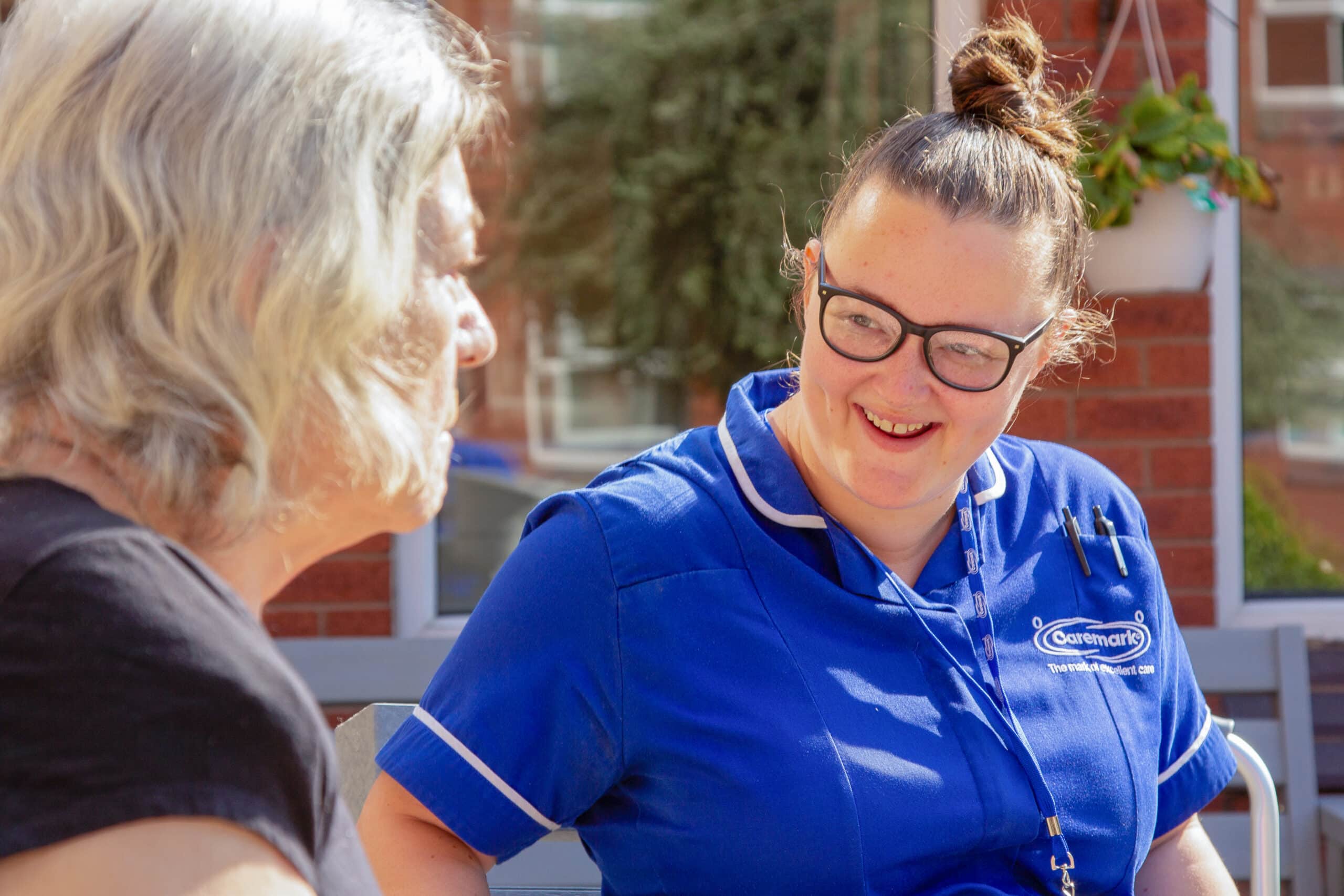
Key Advantages of Live-in Care in Nantwich
Continuity and companionship: the same Care Assistant builds a trusting relationship, learning your preferences and life story
Personalised routines: meals, sleep and activities arranged to suit you, not a timetable
Familiar surroundings: less confusion and anxiety, especially helpful for dementia
One-to-one support: small issues are spotted early and acted on quickly
Family involvement: your loved ones can visit flexibly and be part of care without set times
Pet-friendly living: pets remain at home, bringing comfort and joy
Local life maintained: easy access to Nantwich amenities, faith groups, clubs and GP services
Flexible care: your plan adapts as your needs change
When people ask about the advantages of live in care versus a care home in Nantwich, these are the benefits they tell us make the biggest difference: control over daily life, a calmer pace and the comfort of home.
Cost Considerations
Understanding costs helps you compare options fairly. Live in care is typically charged as a weekly fee that reflects the level of help needed, night-time support and any specialist skills. Food and household running costs remain part of normal home life. We also plan regular breaks for the Care Assistant and arrange cover so your support continues smoothly.
Funding may come from self-funding, local authority support (subject to means testing) and, for eligible health needs, NHS Continuing Healthcare. We can guide you through what to explore and who to speak to.
Value for money comes from time well spent. With live in care, attention is focused on one person (or a couple), so we prioritise what matters most to you. This proactive approach helps spot early changes, keep medication on track and support good nutrition and hydration—reducing avoidable hospital admissions. For couples in Nantwich, one live in care package can support both people at home, which can be more cost-effective than two care home places.
Care home fees are usually per person, per week, and vary by room type, facilities and care level. When comparing living in a care home with live in care, look beyond the headline figure. Live in care offers bespoke one-to-one support and continuity. Care homes combine accommodation and care within a shared environment. Many families find live in care competitive, especially for moderate to complex needs where dedicated attention can make a meaningful difference.
Typical Inclusions at a Glance
| Aspect | Live-in Care | Care Home |
| Accommodation | Remain in your own home | Private room within a communal setting |
| Support hours | 24/7 presence with agreed rest breaks | Care staff on shift across all residents |
| Personalisation | One-to-one support and tailored routines | Structured schedules for a group |
| Meals | Individually planned and cooked | Set menus with some choice |
| Social life | Community links and family-led activities | Organised activities on site |
| Couples | One package can cover both | Two separate fees |
| Costs | Weekly fee for care; usual household costs remain | Weekly per-person fee including accommodation and care |
Supporting Complex and Changing Needs
Live in care works well for people with complex or fluctuating health needs who benefit from consistency and close attention. We can support dementia, Parkinson’s disease, motor neurone disease, stroke recovery, complex frailty, palliative and end-of-life care. Our Care Assistants follow clinical guidance, liaise with district nurses, GPs and therapists, and use evidence-based strategies to reduce risks and enhance comfort.
Flexibility is a core advantage. As needs change, the plan changes with you. If mobility reduces, we introduce equipment and safe moving and handling techniques. If cognition fluctuates, we fine-tune routines, using familiar cues to reduce distress. In communal settings, changes must fit with wider staffing and schedules, which can make individual adjustments slower to implement.
One-to-one support means subtle changes are noticed and acted on early—appetite, mood, skin health, hydration, mobility. That vigilance can help prevent falls, infections and pressure ulcers. For those approaching the end of life, live in care can make it possible to stay at home, with comfort at the centre and family close by.
Safety, Quality and Peace of Mind
Safety and trust are at the heart of everything we do. With live in care, we carry out a careful risk assessment in the home and make sensible adjustments: clear pathways, good lighting, appropriate equipment and safe moving techniques. The consistent presence of a known Care Assistant means preferences are understood and early warning signs are picked up quickly.
Quality should feel visible. You’ll see clear care records, regular reviews and open communication. In Nantwich, we work hand in hand with local health professionals to keep care coordinated—whether it’s a routine GP appointment or more complex clinical input.
Many families tell us their greatest reassurance is knowing someone is there—not just checking in. That presence supports emotional wellbeing too. The kettle goes on, the garden is tended, a favourite programme is watched together. Home stays home.
Why Choose Caremark for Live-in Care in Nantwich
Caremark is a trusted leader in home care across the UK. Locally in Nantwich, we deliver live in care with heart and clinical know-how. We take time to understand your history, routines and goals, then build care around you. We match you with a compatible Care Assistant, and we work hard to maintain that continuity.
Our training is thorough and ongoing. Care Assistants are carefully selected, fully vetted and trained to national standards. Many bring experience in dementia care, medication management, falls prevention, nutrition and end-of-life support. We recruit for warmth and reliability as well as skill. Behind the scenes, you’ll have a local management team who check in regularly, carry out spot checks and respond quickly if anything changes.
We believe in openness and kindness. Families can be kept up to date, and we act on feedback quickly. Our processes are robust, our safeguarding is rigorous and our culture is all about continuous improvement. When people compare the advantages of live in care versus a care home in Nantwich, they choose us for professionalism—and stay with us for compassion, consistency and a cheery smile.
What to Consider When Deciding
Choosing between care home or home care is personal. It helps to picture a good day and ask which setting best supports it. Think about:
- Your wish to remain at home, including pets and local connections
- Whether one-to-one support or a communal lifestyle suits you best
- Mobility, falls risk and how easily the home can be adapted
- Cognitive health and the comfort of familiar surroundings and routines
- Clinical needs such as complex medication, nutrition or specialist care
- Family involvement, visiting flexibility and how you like to spend time together
- Budget and funding routes, especially for couples
- Cover for Care Assistant breaks and what happens in an emergency
If you’re comparing living in a care home with live in care, we can help you map out daily life in each option, so you feel confident and informed.
Our Process: Simple, Transparent, Supportive
We make next steps straightforward and reassuring:
- Initial conversation: a friendly call to listen, understand and answer questions.
- Home visit: a complimentary, no-obligation assessment by a local Care Manager.
- Care planning: a tailored plan focused on routines, safety and personal goals.
- Carer matching: we introduce a carefully chosen live-in Care Assistant who suits your needs and preferences.
- Start of care: a supported start with close monitoring and early check-ins.
- Ongoing review: regular updates, scheduled reviews and quick adjustments as needs change.
We can advise on equipment and adaptations, guide you through funding pathways and liaise with healthcare professionals. We’ll also explain carer rotations so you understand how we maintain continuity and ensure proper rest breaks.
Frequently Asked Questions
Your live-in Care Assistant sleeps overnight with agreed rest periods. If regular waking support is needed, we build this into the package so you’re safe and well supported.
Yes. One live in care package can often support both people at home, with help tailored to each individual. This can be more cost-effective than two placements when living in a care home and keeps couples together.
We respect your privacy. Your Care Assistant has their own room and follows clear boundaries. Daily routines are agreed together, with personal time protected.
It depends on needs and availability. Urgent support can often begin quickly. Planned transitions include careful introductions and a smooth handover so you feel at ease.
We review care regularly. If needs change, we adapt the plan, involve the right professionals and provide specialist input when required.
Please don’t be afraid to reach out and contact Caremark Cheshire South East.