

Hidden Reality of Loneliness and Isolation in Older Adults in Camden
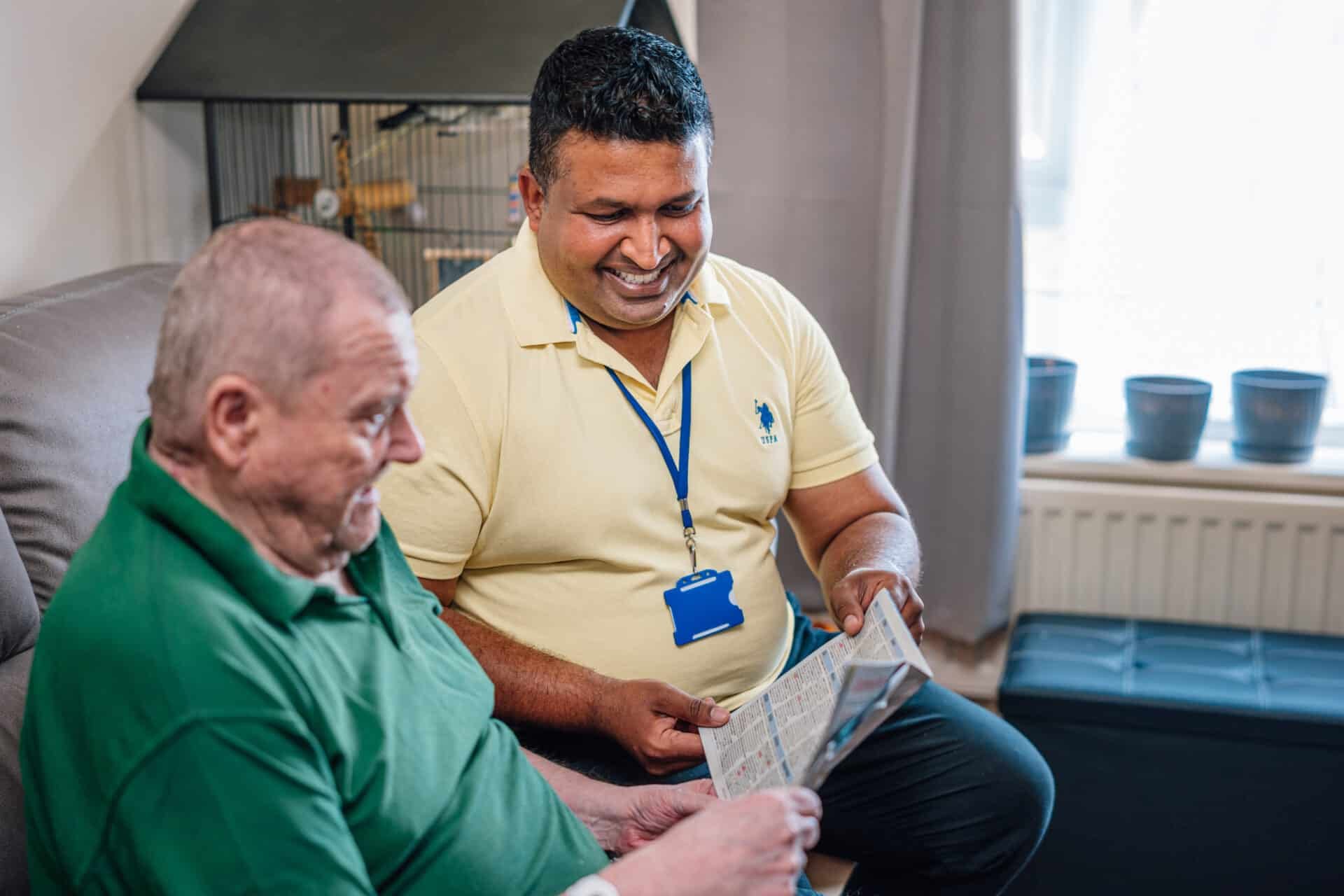
The hardest part isn’t living alone. It’s feeling alone when the people you love are just minutes away. Loneliness and isolation in older adults is an issue that affects many, even when loved ones are physically nearby. In this article, we’ll explore the problem of Loneliness and Isolation in Older Adults and what can be done to help.
Many older adults across Camden have family nearby. Their children visit when they can. Grandchildren are only a phone call away. Friends may live within walking distance.
Yet despite being surrounded by people who care, many still experience profound feelings of loneliness and isolation and loneliness.
This is one of the least talked-about challenges facing older adults today.
Elderly loneliness and isolation isn’t always about being physically alone. Sometimes it comes from feeling disconnected, forgotten, unheard, or no longer part of the everyday conversations and moments that once brought joy and purpose.
At Caremark Camden, we regularly meet people whose greatest need is not personal care, medication support, or help around the home. It’s human connection.
As Gunita Soni, Managing Director of Caremark Camden, explains:
“At Caremark Camden, we regularly meet people whose greatest need is not personal care, medication support, or help around the home. It’s human connection and seniors feeling isolated.”
What Is Loneliness and Isolation in Older Adults in Camden?
Although often mentioned together, loneliness and isolation are not the same thing.
Elderly Loneliness
- Elderly loneliness is an emotional experience.
- It is the feeling that meaningful connections are missing, even when people are physically present.
- Someone can be surrounded by family and still experience loneliness if they feel unheard, disconnected or overlooked.
- Rather than focusing on limitations, empowering care focuses on strengths, preferences, goals, and aspirations.
Elderly Isolation
Isolation is the lack of regular social interaction.
This may happen because of:
- Reduced mobility and Older adults feel lonely
- Health conditions and Seniors feeling isolated
- Retirement and Social isolation among older adults
- Bereavement and Emotional isolation in later life
- Lack of transport and Isolation in older adults
- Loss of confidence and Loneliness in older adults
When loneliness and social isolation among older adults occur together, the impact can affect every area of daily life.
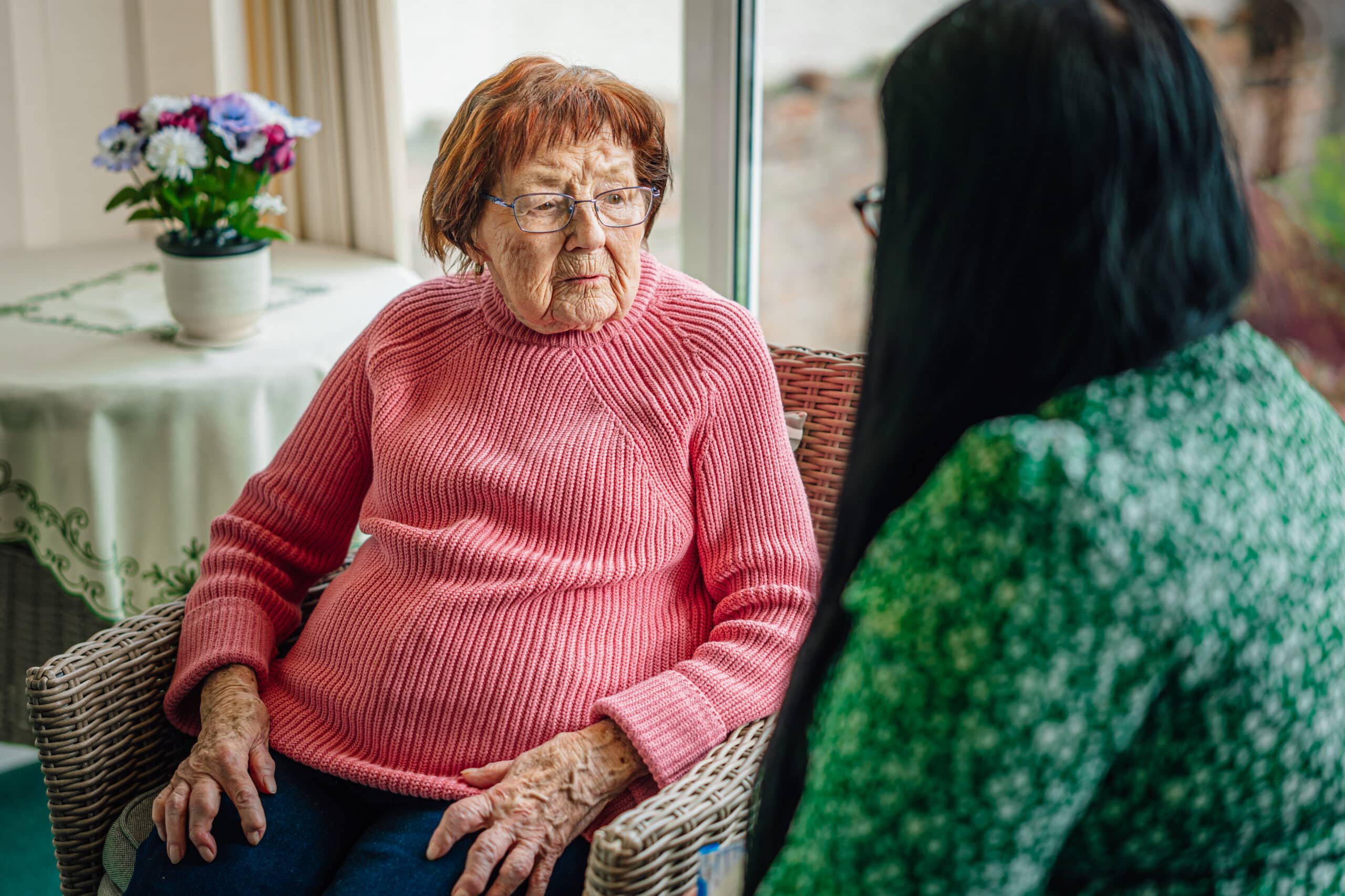
Who Experiences Loneliness and Isolation in Older Adults in Camden?
Loneliness does not discriminate.
It can affect:
- Older adults living alone
- Couples living together
- People with large families
- People with active social lives
- Individuals receiving care
- Those who remain independent
Perhaps the biggest misconception is that having family nearby automatically prevents loneliness and isolation.
Unfortunately, Loneliness and Isolation in Older Adults in Camden isn’t always the case.
- Elderly loneliness
- Older adults feel lonely
- Seniors feeling isolated
- Social isolation among older adults
- Emotional isolation in later life
- Isolation in Older Adults
- Loneliness in Older Adults
- Elderly Isolation
Why Do Older Adults Feel Lonely Despite Having Family Nearby?
Life Has Become Busier Than Ever
Family members often balance:
- Careers
- School commitments
- Childcare responsibilities
- Household demands
- Caring responsibilities for multiple generations
Even when intentions are good, time becomes limited.
What used to be weekly visits can slowly become monthly catch-ups.
Many people are reluctant to accept support because they worry that care means surrendering control.
Conversations Become Practical
Many conversations focus on necessities.
- Have you taken your medication?
- Do you need shopping?
- Have you got everything you need?
While important, these interactions can sometimes replace deeper social connection.
Many older people simply want someone to ask:
“How are you really feeling today?”
Reduced Mobility Creates Barriers
An older adult may want to meet friends, attend groups or visit local places but find it increasingly difficult due to:
- Mobility challenges
- Health conditions
- Reduced confidence
- Transport difficulties
As opportunities decrease, social circles often become smaller.
They Don’t Want to Be a Burden
Many older adults hide their feelings and face emotional isolation and loneliness.
They may say:
“I’m fine.”
“Everyone is busy.”
“I don’t want to bother anyone.”
Behind those words may be a genuine desire for companionship and connection.
When Elderly Loneliness Becomes Part of Everyday Life?
Loneliness often arrives quietly.
It is rarely announced.
Instead, it reveals itself through small changes.
Seniors Feeling Isolated
A person who once enjoyed:
- Walking
- Gardening
- Community groups
- Visiting friends
may gradually stop participating.
Social Isolation Among Older adults
- Without regular social interaction, confidence can begin to decline.
- Simple activities that once felt normal may begin to feel overwhelming.
Emotional Isolation in Later Life
- When days pass without meaningful conversation, people can begin to feel disconnected from their community, their family and sometimes even themselves.
Loneliness in Older Adults
Many older adults have spent decades:
- Raising families
- Supporting loved ones
- Building careers
- Volunteering
- Contributing to their communities
When these roles change, feelings of loneliness can be accompanied by a loss of purpose and belonging.
What Are the Signs of Loneliness and Isolation in Older Adults in Camden?
Families are often surprised to learn their loved one is experiencing loneliness.
SIGNS MAY INCLUDE:
Social Isolation Among Older Adults
- They no longer attend events, clubs or activities they once enjoyed.
Emotional Isolation in Later Life
You may notice:
- Lower motivation
- Increased frustration
- Sadness
- Lack of enthusiasm
Increased Dependence on Phone Calls
- Sometimes loneliness appears as wanting conversations to last longer than usual.
Reduced Self-Care
- Changes in routine or appearance can occasionally indicate emotional wellbeing needs are not being met.
- Recognising these signs early can help prevent loneliness from becoming long-term isolation.
How Can Families Help Reduce Social Isolation Among Older Adults in Camden?
The good news is that meaningful change often comes from small actions and remove following:
- Elderly loneliness
- Older adults feel lonely
- Seniors feeling isolated
- Social isolation among older adults
- Emotional isolation in later life
- Isolation in Older Adults
- Loneliness in Older Adults
- Elderly Isolation
Prioritise Consistent Contact
- A ten-minute conversation every week can have a significant impact and remove elderly isolation
- Consistency often matters more than duration.
Focus on Meaningful Conversations
Talk about:
- Memories
- Hobbies
- Opinions
- Interests
- Family stories
- Future plans
Meaningful conversation helps people feel valued and remove isolation in older adults
Encourage Local Community Engagement
- Camden offers a wide range of groups, activities and community opportunities that help older adults stay connected and involved, to remove loneliness and isolation in older adults in Camden.
Create Things to Look Forward To
- Scheduled visits, walks, lunches and regular activities provide more than social interaction and remove isolation in older adults
They provide anticipation, routine and purpose.
How Companionship Care in Camden Can Help?
- For many families, balancing work, parenting and caring responsibilities can be challenging.
- That does not mean they care any less.
- Sometimes additional support can make all the difference to remove isolation in older adults
Companionship care focuses on meaningful human connection through:
- Regular conversation
- Shared activities
- Community engagement
- Emotional support
- Social interaction
- Encouragement and confidence-building
For many older adults, companionship can be just as important as practical support.
As Gunita Soni, Managing Director of Caremark Camden, says:
“One of the most common misconceptions is that loneliness and isolation in older adults only affects people who live alone. In reality, we regularly meet individuals who have loving families nearby but still feel isolated. Sometimes a simple conversation, a shared cup of tea or spending quality time with someone can make a far bigger difference than people realise.”
Why This Matters for Camden Families?
- Camden is known for its strong communities, diversity and vibrant local neighbourhoods.
- Yet loneliness and isolation in older adults remains a hidden challenge affecting many older adults across the borough.
- The reality is that emotional wellbeing deserves the same attention as physical wellbeing.
- Supporting older adults to remain socially connected can help improve confidence, maintain independence and enhance overall quality of life.
- Recognising loneliness and isolation early and acting before it becomes isolation can make a meaningful difference to someone’s daily life.
Why Are Perceptions of Care Changing Across Camden?
More people are recognising that seeking support is often a positive and proactive decision.
Instead of waiting for challenges to become overwhelming, individuals and families are increasingly exploring support sooner.
This shift is helping people:
- Maintain independence longer
- Improve wellbeing
- Reduce isolation and loneliness
- Build confidence
- Strengthen family relationships
- Remain active in their communities
As awareness grows, so does understanding that the best care supports people to thrive rather than simply helping them cope.
Conclusion: Hidden Reality of Loneliness and Isolation in Older Adults in Camden
When families begin exploring care, they often focus on practical needs such as personal care, medication support, meal preparation or help around the home.
While these services are important, emotional wellbeing should never be overlooked like below:-
- Elderly loneliness
- Older adults feel lonely
- Seniors feeling isolated,
- Social isolation among older adults
- Emotional isolation in later life
- Isolation in Older Adults
- Loneliness in Older Adults
- Elderly Isolation
Loneliness and isolation in older adults can affect anyone, including those with family living nearby. Modern life is busy, routines change and meaningful interaction can unintentionally become less frequent. Over time, this can leave people feeling disconnected despite being surrounded by those who love them.
As Gunita Soni, Managing Director of Caremark Camden, concludes:
“At Caremark Camden, we believe exceptional care is about supporting the whole person. That means not only helping with daily tasks but also fostering companionship, encouraging social engagement and creating opportunities for meaningful connection.”
Because everyone deserves to feel valued, included and connected to the people and community around them.
Sometimes, the most powerful form of care is simply knowing someone is there.
About Caremark Camden
Caremark Camden provides high‑quality home care across the borough. Our Camden Customer Promise ensures dignity, continuity, safety and personalised care for every individual. If you would like guidance on choosing between home care and residential care, our team is here to help for carers in Camden.
Our Launch Offer – Support That Starts With You
Caremark Camden is now open, and we’re celebrating with a launch offer designed to help residents get the carers wellbeing and support for family carer guidence in Camden they need from day one for Companionship, Home Help and Community Access. For a limited time, new customers can benefit from a free care assessment, enjoy their first week at a reduced rate, and receive a free wellbeing check to help them stay safe, confident and independent at home. It’s our way of welcoming Camden into a new standard of care one that starts with you.
Most people want to stay in the place they love most their own home. It’s where memories live, daily routines are cherished, and independence truly thrives..
In this video, Caremark Camden breaks down what residential care involves, how it operates in a shared environment, and key factors resources for family carers in Camden should weigh when choosing between residential and live-in care.
💙 What Is Residential Care? Everything You Need to Know
- What Residential Care Is: Residential care takes place in a dedicated care home setting where individuals move into accommodation alongside other residents. Trained staff provide support for family carers with personal care, medication management, meals, mobility, and organized activities.
- When It Works Best: It can be a practical option when someone requires constant supervision or specialized facilities that are difficult to manage safely at home. Having meals, housekeeping, and schedules handled by the home can ease daily pressure on families.
- Shared Setting vs. Home Care: Unlike live-in home care, staff care for multiple residents in a shared setting. Daily life often follows set schedules (such as structured meal times and activity slots), which may offer less personal flexibility than living at home.
- Making the Right Choice: Residential care offers built-in opportunities for social contact, but whether it’s the right fit depends on an individual’s personal preferences, health needs, emotional wellbeing, and safety.
Ready to learn more or book a care assessment with Caremark Camden?
📞 Call us at 020 4631 6066
✉️ Email us at camden@caremark.co.uk
Caremark Camden: Step‑by‑Step Care Assessment Process
Why This Process Works So Well in Camden
Gunita Soni, Managing Director of Caremark Camden, summarises it perfectly:
“A care assessment isn’t a checklist it’s a conversation. We listen, we understand, and we build support around the person’s life, not the other way around. When families need us, speed and reassurance matter equally.“
Warm, clear, and designed for speed when families need us most.
- Initial Contact
Get in Touch via Call or enquire online
Phone: 02046 316 066
Email: camden@caremark.co.uk
Purpose:
To understand the situation quickly and give families confidence from the very first conversation. - Free Home Assessment
We listen and understand needsPurpose:
To build a complete picture of the person, their home environment and their wellbeing needs. - Risk Assessment
A structured safety review to protect the individual and the care teamPurpose:
To ensure care is safe, compliant and tailored to the person’s abilities and environment. - Person‑Centred Care Plan
Your Care Plan Personalised: person‑centred planPurpose:
To create a clear, personalised roadmap that every care assistant follows. - Matching the Right Care Assistant
Consistency, familiarity and trust from day onePurpose:
To build trust, comfort and continuity essential for Camden residents. - Care Begins
Your regular carer starts on timePurpose:
To ensure a smooth, confident start with no stress or uncertainty. - Ongoing Monitoring & Wellbeing Checks
Continuous improvement and early interventionPurpose:
To catch issues early, prevent crises and keep the individual safe and independent. - Regular Reviews
Adjusting care as needs evolvePurpose:
To ensure care remains relevant, effective and person‑centred.
Key Takeaways From Resources for Family Carers in Camden
- Loneliness and isolation in older adults can occur even when family members live nearby and care deeply.
- Older people often experience loneliness because meaningful social connection becomes less frequent, not because they are unloved.
- Common signs include social withdrawal, reduced confidence, low mood and loss of interest in activities.
- Regular conversations, community engagement and companionship can significantly improve emotional wellbeing for older adults.
- Companionship care helps older people remain socially connected, independent and engaged with everyday life.
Related Caremark Camden Articles:
- Changing Perceptions of Care: Care at Any Age
- Changing Perceptions of Care: Dignity and Self Respect
- Changing Perceptions of Care: Independence, Choice & Dignity in Camden
- Recruitment in Camden: Start a Rewarding Career in Home Care
- Social Activities for Older Adults in Camden