

Changing Perceptions of Care: Dignity and Self Respect

Many people still associate receiving care with losing independence. For some, the thought of accepting help can feel uncomfortable, and they may worry that needing support somehow diminishes their dignity, confidence, or self-respect
As Gunita Soni, Managing Director of Caremark Camden, explains:
“Quality home care is not about taking control away from people. It is about providing the right support to help individuals remain independent, stay connected to their communities, and continue living life on their own terms.”
At Caremark Camden, we regularly support people who initially felt hesitant about receiving care but later discovered that accepting help gave them greater confidence, more freedom, and improved wellbeing.
As awareness of person-centred care grows and demand for home care support in Camden continues to increase, more families are recognising that care can be a positive step towards maintaining dignity, self-respect, and independence. This growing understanding is also helping to drive recruitment in Camden, attracting compassionate people who want to make a meaningful difference in their local community.
What Does Dignity in Care Really Mean?
Dignity in care means treating every individual with respect, compassion, and understanding, regardless of their age, health condition, or circumstances.
It involves:
- Respecting personal choices
- Encouraging independence
- Maintaining privacy
- Supporting personal routines and preferences
- Preserving confidence and self-worth
- Empowering people to make decisions about their own lives
For many people receiving care at home, dignity is not about doing everything independently. It is about having control over how support is delivered and being able to continue living safely and comfortably in familiar surroundings.
Whether someone requires occasional companionship, assistance with daily routines, or more specialist support, care should always enhance quality of life rather than restrict it.
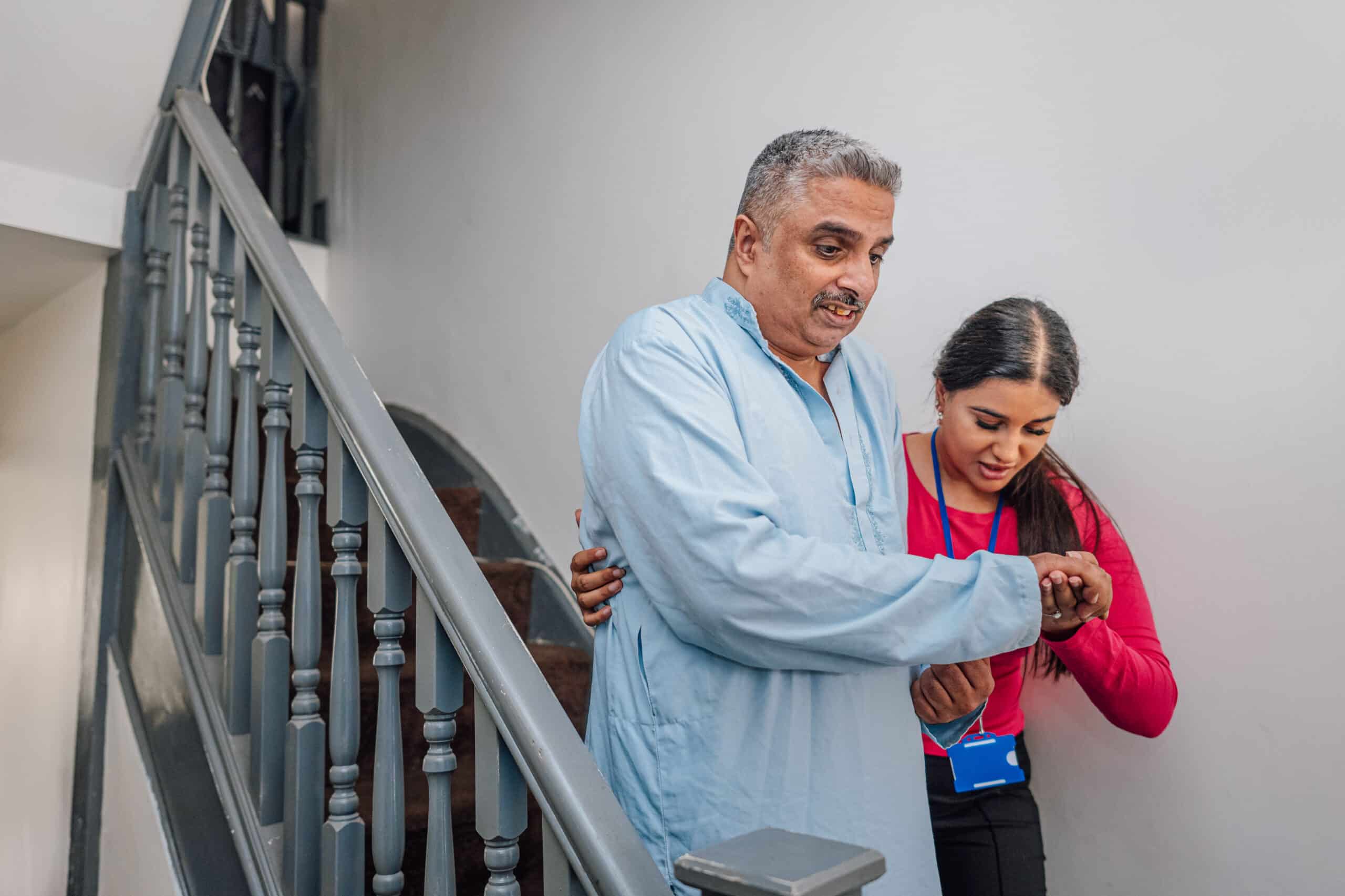
Why People Sometimes Resist Accepting Help?
One of the biggest challenges families face is persuading a loved one to accept support.
Many people worry that accepting care means:
- Losing independence
- Becoming a burden on family members
- Admitting weakness
- Giving up control
- Losing privacy
These concerns are completely understandable.
Many older adults have spent decades caring for others, raising families, building careers, and managing their own lives. Asking for help can feel unfamiliar and uncomfortable.
However, delaying support can sometimes lead to reduced confidence, increased isolation, avoidable health risks, and greater pressure on family members.
The right care at the right time often prevents small challenges from becoming larger problems.
Gunita Soni adds:
“Many people see accepting care as giving something up, when in reality they are gaining support that helps them continue living independently. The most successful care relationships are built on trust, choice and respect, allowing people to retain control of their lives while receiving the help they need.”
When Accepting Help Strengthens Confidence?
Accepting support can actually increase confidence because it enables people to focus on what they can do rather than struggling with tasks that have become difficult.
For example, a person who receives assistance with:
- Personal care
- Meal preparation
- Medication reminders
- Mobility support
- Housekeeping
- Transport to appointments
may find they have more energy and confidence to enjoy hobbies, social activities, family visits, and community events.
Rather than reducing independence, care can create opportunities for greater participation in daily life.
Gunita Soni adds:
“One of the biggest misconceptions about care is that it takes independence away from people. In our experience, the right support actually enables people to remain independent for longer. When individuals receive help with the tasks they find challenging, they often regain confidence and can focus on living the life they want.”
Who Benefits from Home Care Support?
Home care is not only for people with significant health needs.
Many individuals benefit from support while continuing to live active and fulfilling lives.
Older Adults
- Supporting people to remain safely in their own homes while maintaining daily routines and social connections.
Individuals Recovering from Illness
- Assisting recovery following a hospital stay, surgery, or medical treatment.
People Living with Long-Term Conditions
- Providing practical and emotional support that helps individuals manage their health while retaining independence.
Family Carers
- Offering respite and peace of mind for those supporting loved ones.
Across Camden, more families are choosing home care support because it provides flexible assistance that adapts to changing needs while preserving dignity and self-respect.
Why Camden Families Are Changing Their View of Care?
Across Camden, attitudes towards care are evolving.
Families increasingly recognise that seeking support is a proactive decision rather than a last resort.
Caremark Camden is committed to reshaping how families view care focusing on independence, dignity and choice.
People now view home care as a practical way to:
- Maintain independence
- Reduce loneliness
- Improve wellbeing
- Enhance safety at home
- Support family carers
- Strengthen confidence and self-esteem
Gunita Soni explains:
“This shift in perception reflects a broader understanding that care is not about dependence. It is about empowerment. By helping individuals remain active, connected and engaged with their communities, home care can enhance quality of life while preserving personal dignity.”
Where Does Confidence Come From?
Confidence often comes from feeling safe, supported and in control.
When people struggle alone, everyday tasks can become physically and emotionally exhausting.
Professional care can help remove unnecessary stress while allowing individuals to continue making their own decisions.
This support may include:
- Choosing daily routines
- Deciding how care is delivered
- Maintaining social activities
- Continuing hobbies and interests
- Staying active within the community
When individuals feel empowered rather than dependent, their confidence often grows significantly.
Gunita Soni, Managing Director of Caremark Camden, adds:
“Dignity and self-respect are at the heart of everything we do. Good care is never about doing things for people unnecessarily. It is about supporting people to do as much as possible for themselves while knowing help is available whenever it is needed.”
When Is the Right Time to Seek Support?
Many families ask this question.
The answer is often sooner than people expect.
Signs that support may be beneficial include:
- Difficulty with everyday tasks
- Reduced mobility
- Increased forgetfulness
- Social isolation
- Concerns about safety at home
- Family carers feeling overwhelmed
Introducing support early can help people remain independent for longer and often prevents avoidable crises.
Early intervention also allows individuals to become comfortable with care gradually, helping them build trust and confidence while maintaining control over their choices and routines.
Conclusion – Changing Perceptions of Care: Dignity and Self Respect
The belief that accepting care means losing independence is one of the most common misconceptions surrounding home care today.
In reality, quality home care can help individuals maintain control, preserve dignity, strengthen self-respect and enjoy greater confidence in everyday life.
Across Camden, more people are discovering that receiving support is not about giving something up. It is about gaining the freedom, reassurance and practical assistance needed to continue living safely, comfortably and independently.
At the same time, growing recruitment in Camden is helping ensure that compassionate care professionals are available to provide the person-centred support local families deserve.
At Caremark Camden, we believe every individual deserves care that empowers them, respects their choices and helps them live life on their own terms. By changing perceptions of care, we can help more people embrace support with confidence and continue enjoying the dignity and independence that matter most.
About Caremark Camden
Caremark Camden provides high‑quality home care across the borough. Our Camden Customer Promise ensures dignity, continuity, safety and personalised care for every individual. If you would like guidance on choosing between home care and residential care, our team is here to help for carers in Camden.
Our Launch Offer – Support That Starts With You
Caremark Camden is now open, and we’re celebrating with a launch offer designed to help residents get the carers wellbeing and support for family carer guidence in Camden they need from day one for Companionship, Home Help and Community Access. For a limited time, new customers can benefit from a free care assessment, enjoy their first week at a reduced rate, and receive a free wellbeing check to help them stay safe, confident and independent at home. It’s our way of welcoming Camden into a new standard of care one that starts with you.
Most people want to stay in the place they love most their own home. It’s where memories live, daily routines are cherished, and independence truly thrives..
In this video, Caremark Camden breaks down what residential care involves, how it operates in a shared environment, and key factors resources for family carers in Camden should weigh when choosing between residential and live-in care.
💙 What Is Residential Care? Everything You Need to Know
- What Residential Care Is: Residential care takes place in a dedicated care home setting where individuals move into accommodation alongside other residents. Trained staff provide support for family carers with personal care, medication management, meals, mobility, and organized activities.
- When It Works Best: It can be a practical option when someone requires constant supervision or specialized facilities that are difficult to manage safely at home. Having meals, housekeeping, and schedules handled by the home can ease daily pressure on families.
- Shared Setting vs. Home Care: Unlike live-in home care, staff care for multiple residents in a shared setting. Daily life often follows set schedules (such as structured meal times and activity slots), which may offer less personal flexibility than living at home.
- Making the Right Choice: Residential care offers built-in opportunities for social contact, but whether it’s the right fit depends on an individual’s personal preferences, health needs, emotional wellbeing, and safety.
Ready to learn more or book a care assessment with Caremark Camden?
📞 Call us at 020 4631 6066
✉️ Email us at camden@caremark.co.uk
Caremark Camden: Step‑by‑Step Care Assessment Process
Why This Process Works So Well in Camden
Gunita Soni, Managing Director of Caremark Camden, summarises it perfectly:
“A care assessment isn’t a checklist it’s a conversation. We listen, we understand, and we build support around the person’s life, not the other way around. When families need us, speed and reassurance matter equally.“
Warm, clear, and designed for speed when families need us most.
- Initial Contact
Get in Touch via Call or enquire online
Phone: 02046 316 066
Email: camden@caremark.co.uk
Purpose:
To understand the situation quickly and give families confidence from the very first conversation. - Free Home Assessment
We listen and understand needsPurpose:
To build a complete picture of the person, their home environment and their wellbeing needs. - Risk Assessment
A structured safety review to protect the individual and the care teamPurpose:
To ensure care is safe, compliant and tailored to the person’s abilities and environment. - Person‑Centred Care Plan
Your Care Plan Personalised: person‑centred planPurpose:
To create a clear, personalised roadmap that every care assistant follows. - Matching the Right Care Assistant
Consistency, familiarity and trust from day onePurpose:
To build trust, comfort and continuity essential for Camden residents. - Care Begins
Your regular carer starts on timePurpose:
To ensure a smooth, confident start with no stress or uncertainty. - Ongoing Monitoring & Wellbeing Checks
Continuous improvement and early interventionPurpose:
To catch issues early, prevent crises and keep the individual safe and independent. - Regular Reviews
Adjusting care as needs evolvePurpose:
To ensure care remains relevant, effective and person‑centred.
Key Takeaways From Resources for Family Carers in Camden
- Accepting care can strengthen confidence and independence rather than diminish it.
- Dignity in care is built on respect, choice, privacy and person-centred support.
- Early support can improve wellbeing and help people remain independent for longer.
- Home care enables Camden residents to stay connected to their communities while maintaining self-respect.
- Recruitment in Camden is helping build a skilled and compassionate workforce that supports high-quality home care.
Related Caremark Camden Articles:
- Recruitment in Camden: Start a Rewarding Career in Home Care
- Social Activities for Older Adults in Camden
- Resources for Family Carers in Camden
- Safe Spaces for Elderly to Connect in Camden
- Taking a Short Break: Support Options for Family Carers in Camden